

What Is a Hot Condition IEC C15 Connector Insert? A Complete Guide to High-Temperature Power Cord Inner Components
In the high-stakes power cord manufacturing industry, procurement engineering teams often prioritize external plug housings, cable copper gauge, and safety agency logos. However, field failures and costly warranty claims rarely originate from the outer jacket—they stem from the core internal component: the IEC C15 insert. Designed specifically for elevated temperature environments, the IEC C15 connector insert serves as the structural, electrical, and thermal backbone of any high-performance hot condition connector. TISDLIP As an established IEC C15 connector insert manufacturer and specialized IEC C15 Insert manufacturer, our mission is to deliver engineering precision to foreign cable producers, B2B distributors, and appliance original equipment manufacturers (OEMs).

1. Understanding the IEC C15 Insert: Definition and Structural Anatomy
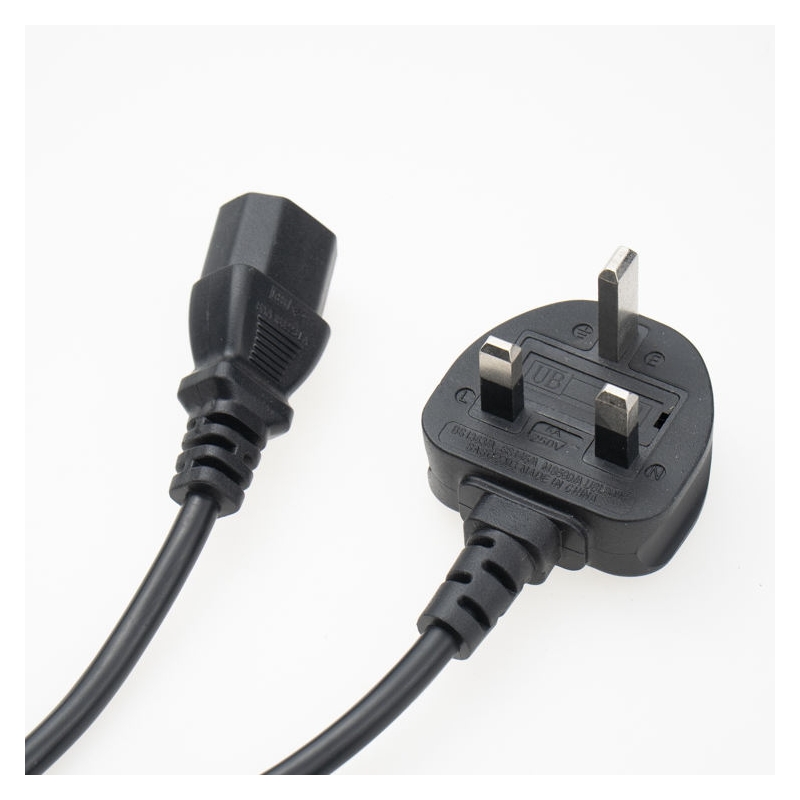
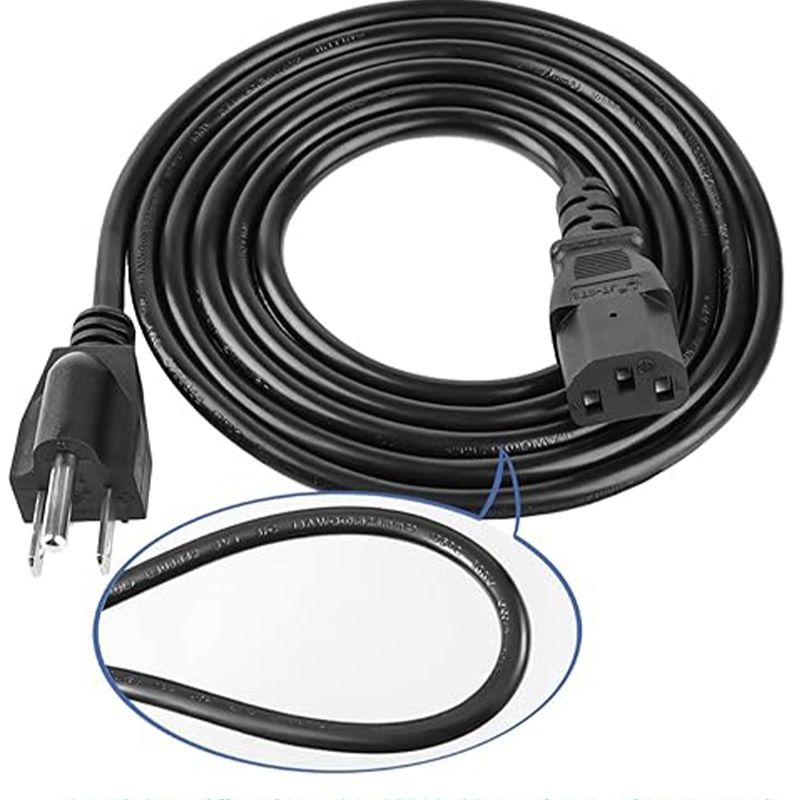
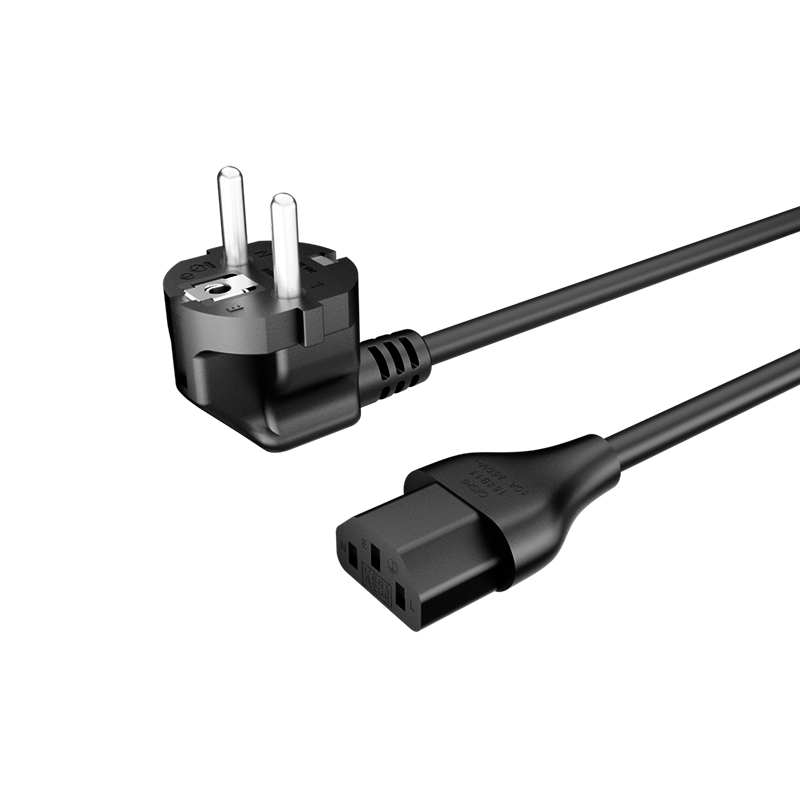
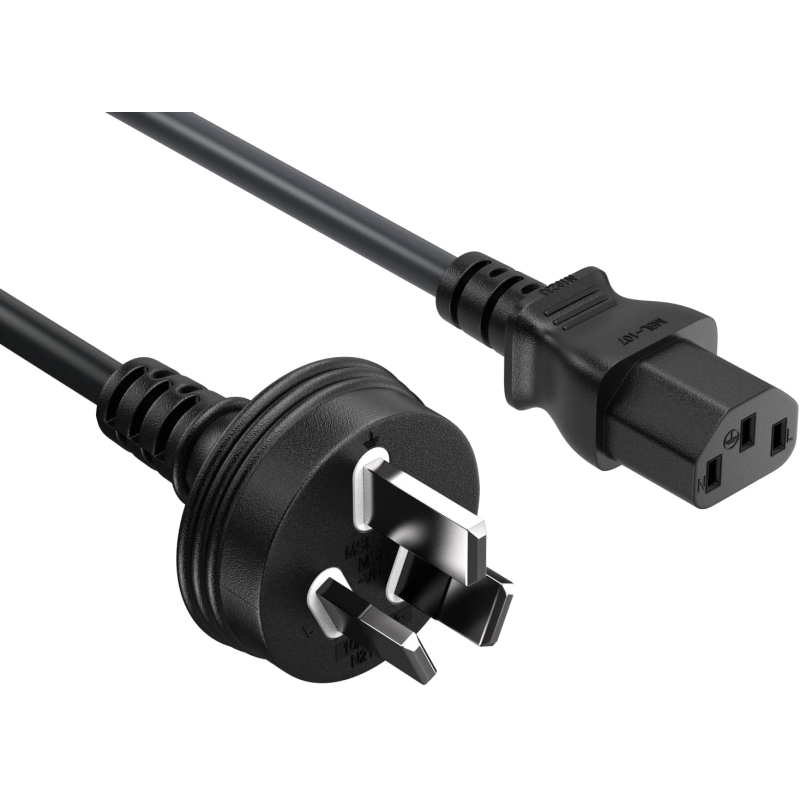
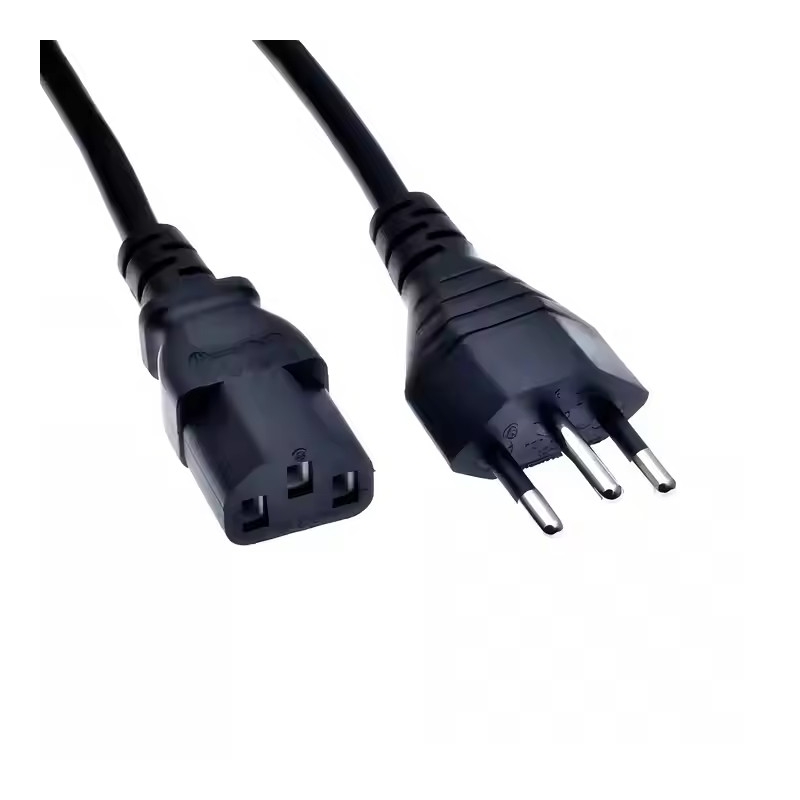
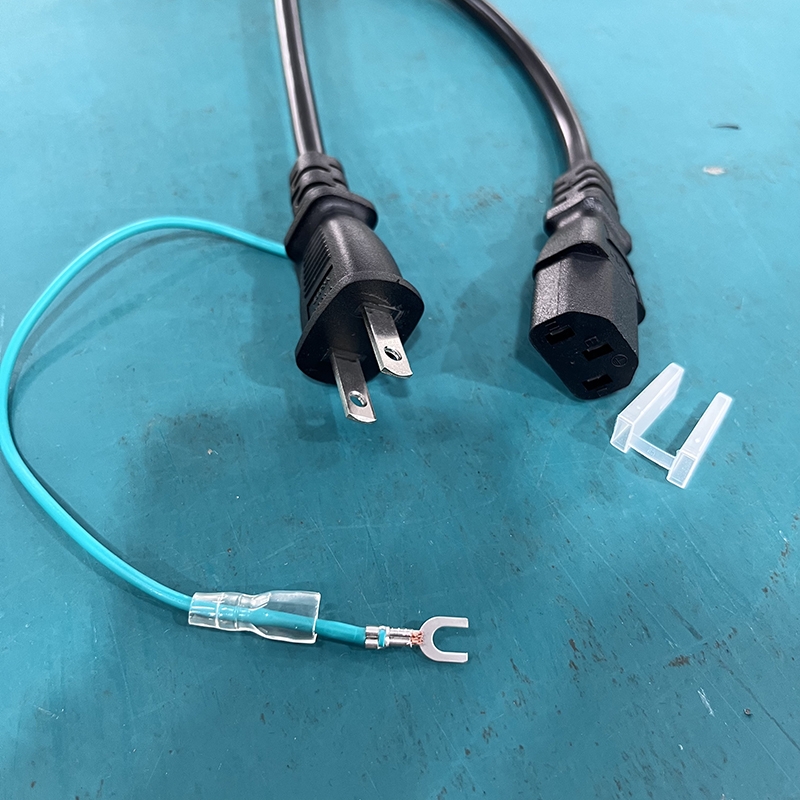
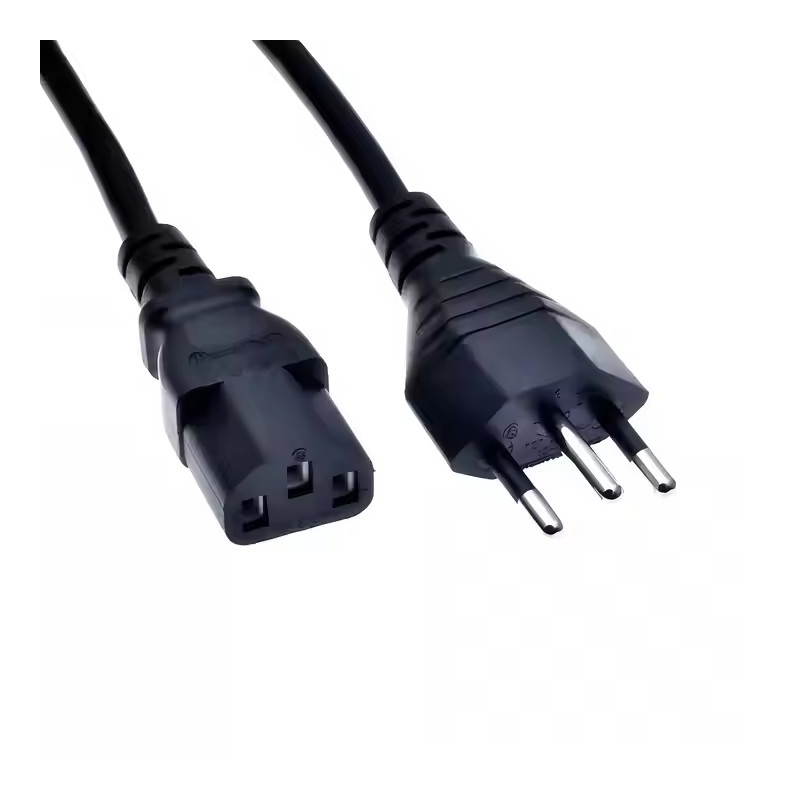
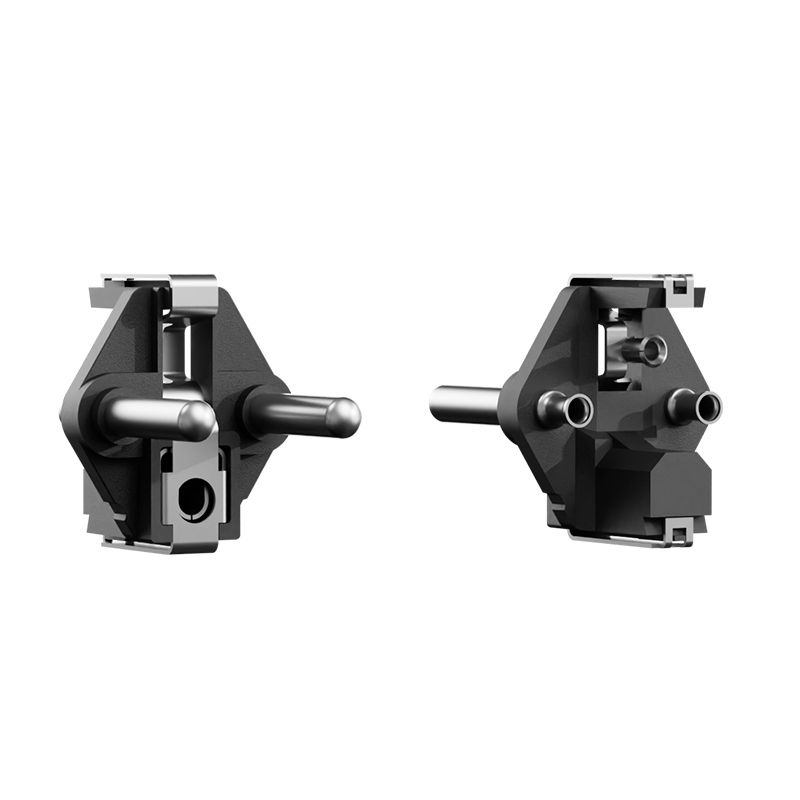
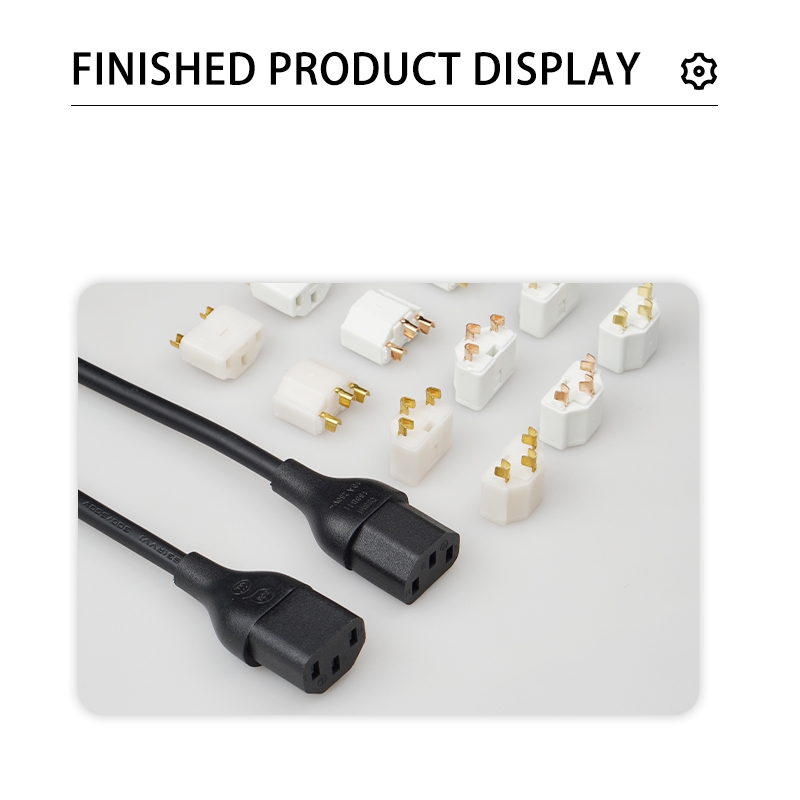
The C15 connector insert is a specialized internal mold skeleton engineered to house Line (L), Neutral (N), and Earth (E) female terminal contacts inside an overmolded power plug. Defined under international standard IEC 60320-1, this C15 power cord connector internal assembly operates in harsh thermal surroundings where standard connectors fail.
A high-quality high temperature connector insert consists of two primary sub-assemblies working in tandem:
Engineered Thermoplastic Skeleton: Precision-molded using high-heat modified Polybutylene Terephthalate (PBT) with glass fiber reinforcement or polyphenylene sulfide (PPS). This housing isolates live electrical conductors, maintains geometric stability at temperatures reaching up to 120°C (and higher during transient surges), and prevents pin displacement during aggressive plug insertion.
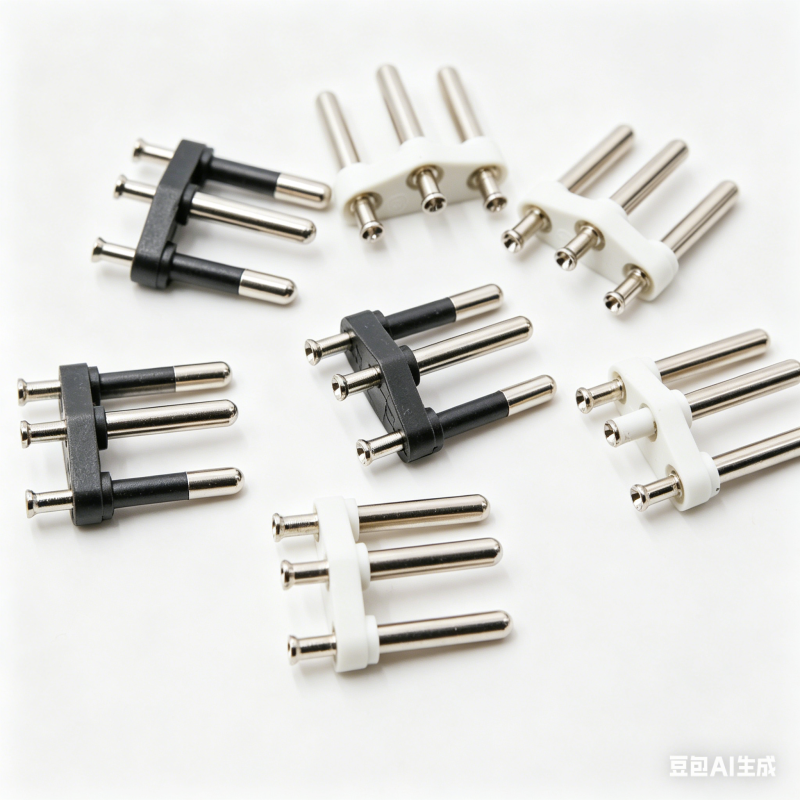
Precision Stamped Metallic Terminal Contacts: Premium H65 brass or phosphor bronze terminals (typically 0.4 mm nominal thickness) designed for maximum contact pressure, minimal electrical resistance, and high corrosion immunity under continuous current loading up to 10A/16A.
2. Key Structural Differences: IEC C15 insert vs C13 insert Connector Difference Explained
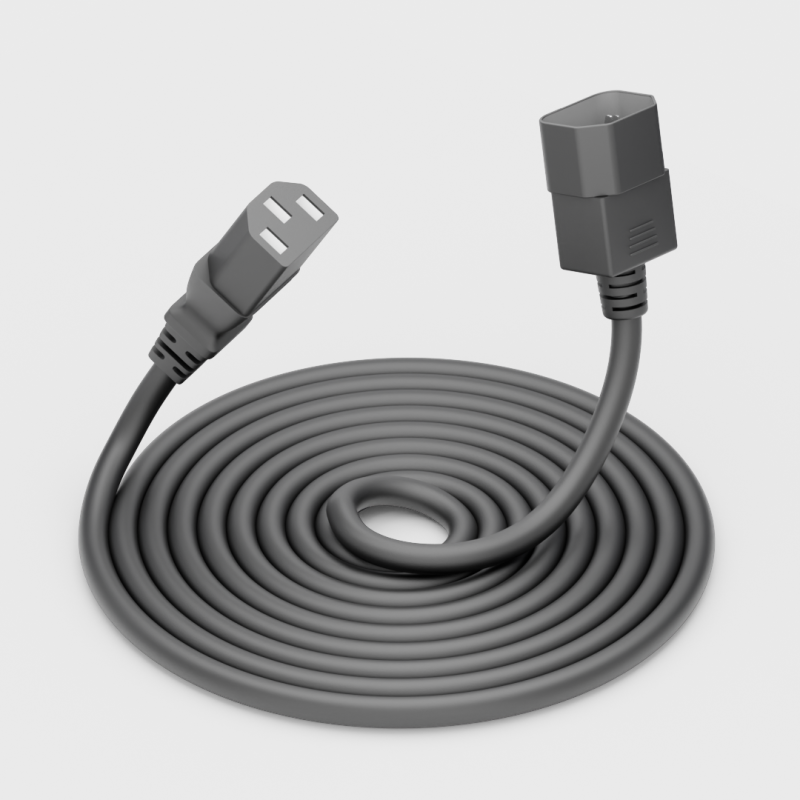
Understanding the fundamental IEC C15 vs C13 connector difference is vital for electrical safety, compliance auditing, and selecting the correct high temperature power cord connector parts.
| Comparison Parameter | Standard IEC C13 Insert / Connector | High-Temperature IEC C15 Insert / Connector |
|---|---|---|
| Max Operating Temp. | 70°C (Cold Condition / Standard) | 120°C (Hot Condition / High Temperature) |
| Keyway Feature | Smooth face with no polarizing notch | Includes a physical keyway notch opposite the earth pin |
| Mating Appliance Inlet | Mates with IEC C14 inlet | Mates with IEC C16 (hot) and IEC C14 (cold) inlets |
| Plastic Carrier Material | Standard PBT or PVC internal frame | Heat-stabilized flame-retardant PBT (UL94 V-0) or PPS |
| Terminal Spring Retention | Standard spring tension for room temp | Enhanced stress-relaxation resistance under thermal expansion |
| Target Applications | Desktop PCs, monitors, office printers | Electric kettles, server racks, PoE switches, stage gear |


Critical Safety Interlock Feature
The physical notch in the high temperature C15 power connector supplier design ensures a C15 cordset can plug into a standard C14 inlet, but a lower-rated C13 cordset cannot be inserted into a hot C16 appliance inlet. This prevents accidental overheating and insulation degradation.
3. Engineering & Material Selection for High-Temperature Performance
To survive continuous exposure to heat radiated from industrial heating elements or high-density network hardware, C15 connector internal components must withstand rigorous thermal stress without softening, warping, or undergoing creep deformation.
Thermoplastic Material Specifications
We utilize specialized flame-retardant PBT grades enriched with glass fiber reinforcement. Key material benchmarks include:
Heat Deflection Temperature (HDT): > 150°C under 1.8 MPa load.
Flammability Rating: UL94 V-0 compliant (self-extinguishing within 10 seconds, zero flaming drips).
Comparative Tracking Index (CTI): Class 3a / 250V rating for exceptional dielectrics.
Metal Terminal Metallurgy
The conductive terminals utilize H65 high-purity brass or phosphor bronze alloy. We maintain strict thickness tolerances (0.4 mm ± 0.02 mm) and apply optional anti-oxidation surface treatments (such as nickel or silver plating) to eliminate stress relaxation caused by repeated thermal cycling.
4. Precision Manufacturing & Tolerance Control
In automated overmolding lines, minor dimensional variances lead to major production delays. A sub-millimeter deviation in the plastic housing can cause terminal pin tilt, leading to short circuits or connector flash during high-pressure injection molding.

Material Inspection: Spectrographic analysis of incoming H65 brass strips and melt-flow testing of raw PBT resin granules.
High-Speed Stamping & Precision Deburring: Progressive stamping dies ensure clean contact edges without microscopic burrs that could slice plastic walls.
Thermoplastic Injection Molding: Multi-cavity hot-runner molds maintained within ±0.02 mm critical dimension control (e.g., maintaining 14.0 ± 0.2 mm outer alignment walls).
Precision Terminal Insertion & Automated Assembly: Automated insertion machines press-fit L, N, and E terminals into the PBT core with exact seating force.
5. Multi-Tier Quality Control (QC) & Compliance Framework
As a global B2B high temperature C15 power connector insert supplier, our quality assurance protocol spans four strict stages:
Incoming Material Quality Control (IQC): Verification of copper purity, tensile strength, and PBT moisture content before processing.
First Article Inspection (FAI): Optical comparator dimensional checks on initial production batches prior to full-scale runs.
In-Process Quality Control (IPQC): Continuous dimensional monitoring and terminal retention force testing (pull-out force > 50N).
Outgoing Quality Assurance (OQA): 100% electrical continuity testing, high-voltage dielectric withstand testing (2000V AC/1 min), and environmental compliance checks (RoHS / REACH).
6. Customization Capabilities for Global OEM/ODM Clients
No two power cable assembly lines are identical. As an experienced IEC C15 connector insert manufacturer, we offer custom tail designs to support diverse termination techniques:
Custom Terminal Tail Configurations: Crimping tabs, soldering pins, or fast-on quick disconnect terminals.
Material Grade Customization: Standard PBT, halogen-free PBT, or ultra-high-temp PPS for specialized military or medical equipment.
Color & Identification Coding: Off-black, natural white, or custom color inserts for visual assembly verification on your factory floor.
Co-Engineering from CAD Drawings: Direct manufacturing support based on your 2D engineering drawings (.DWG/.DXF) or 3D STEP files.
7. Commercial Value & TCO Analysis for B2B Buyers
Choosing a low-cost, unverified high temperature power cord connector insert supplier frequently results in high hidden costs:
Reduced Overmolding Scrappage: Consistent insert geometry reduces overmolding rejects from 3.5% down to less than 0.1%.
Eliminated Downstream Recall Risks: Premium PBT prevents thermal degradation, eliminating field melted plug incidents.
Lower Total Cost of Ownership (TCO): Standardized packaging and predictable delivery schedules optimize supply chain buffer stock.
8. Technical Specifications Summary Table
| Parameter Specification | Engineering Standard Value |
|---|---|
| Product Category | IEC C15 Hot Condition Connector Insert (Internal Carrier) |
| Applicable Standard | IEC 60320-1 C15 Standard Sheet |
| Insulation Resistance | ≥ 100 MΩ at 500V DC |
| Dielectric Voltage Withstand | 2000V AC for 1 Minute (Zero Breakdown) |
| Terminal Material / Thickness | H65 Brass / Phosphor Bronze (0.4 mm ± 0.02 mm) |
| Plastic Housing Material | Flame Retardant PBT (UL94 V-0) / Optional PPS |
| Rated Operating Temperature | -25°C to +120°C Continuous |
| OEM / ODM Support | Custom 2D/3D Drawings, Material & Color Tailoring |
Partner with a Leading IEC C15 Inner Assembly Manufacturer
Ready to upgrade your power cable production quality and secure competitive volume pricing? Contact our engineering sales team today for free samples, CAD consultations, and instant OEM quotations.
Frequently Asked Questions (FAQ)
References
[1] International Electrotechnical Commission (IEC). Standard 60320-1: Appliance couplers for household and similar general purposes - Part 1: General requirements. https://www.iec.ch
[2] Underwriters Laboratories (UL). Standard for Safety UL 94: Tests for Flammability of Plastic Materials for Parts in Devices and Appliances. https://www.ul.com
[3] European Committee for Electrotechnical Standardization (CENELEC). EN 60320-1: Appliance couplers for household and similar general purposes. https://www.cenelec.eu
[4] Plastics Information Europe. Polybutylene Terephthalate (PBT) Electrical Properties & Heat Deflection Performance. https://www.pieweb.com
[5] Copper Development Association (CDA). Technical Data on H65 Brass & Phosphor Bronze Electrical Contacts. https://www.copper.org



 Email
Email