
SPT-2 Power Cord PVC Material Chemical Compliance Improvement Case Study
Content Menu
● I. Project Background: Compliance Crisis Before Mass Production
● II. Problem Diagnosis: Precise Test Data
● III. Root Cause Analysis (RCA)
● IV. Corrective & Preventive Actions
● VII. Applicable Regulations & Markets
How to Completely Resolve BPA and Phthalates Exceedance Risks in Electrical Product PVC Components

Introducon
As chemical substance regulations in the European and American markets become increasingly stringent, AC power cords, plug assemblies, and PVC wire materials face dual challenges: they must meet strict electrical safety standards while passing rigorous chemical compliance testing. Many factories suffer delays, returns, or delistings due to inadequate chemical risk control in their supply chains.
This article presents a real improvement case from an international smart projector brand. It details how material upgrades and full-process compliance management successfully resolved Bisphenol A (BPA) and Phthalates exceedances in PVC components, enabling smooth market entry into the United States and Europe.
I. Project Background: Compliance Crisis Before Mass Production
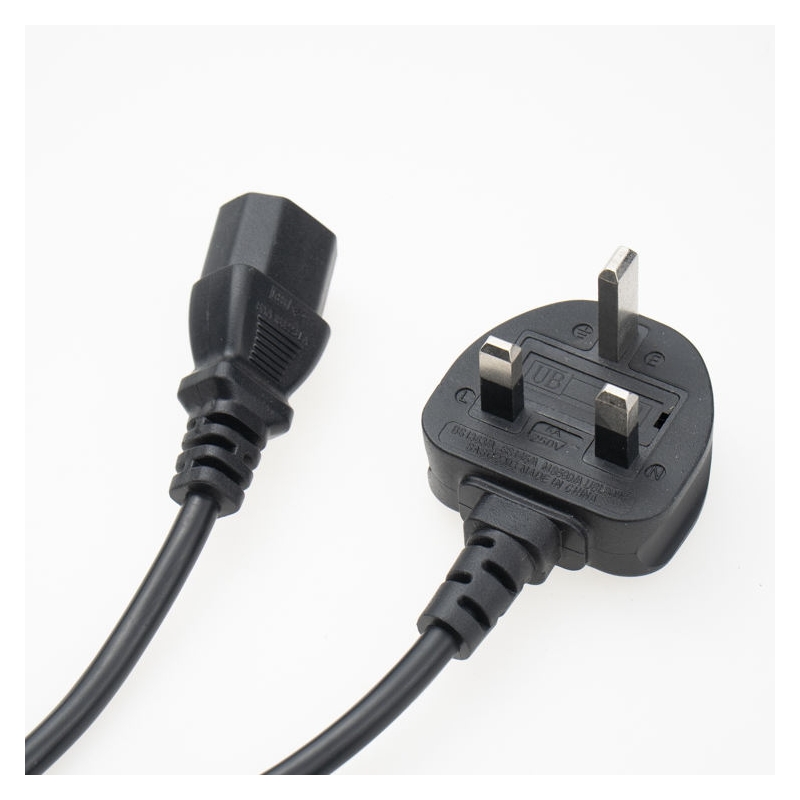
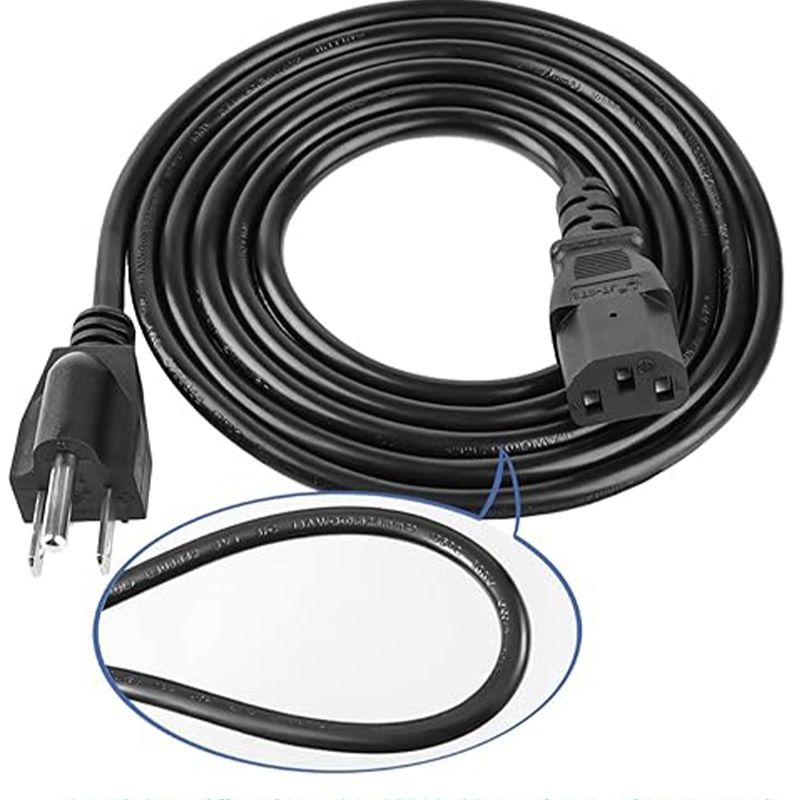
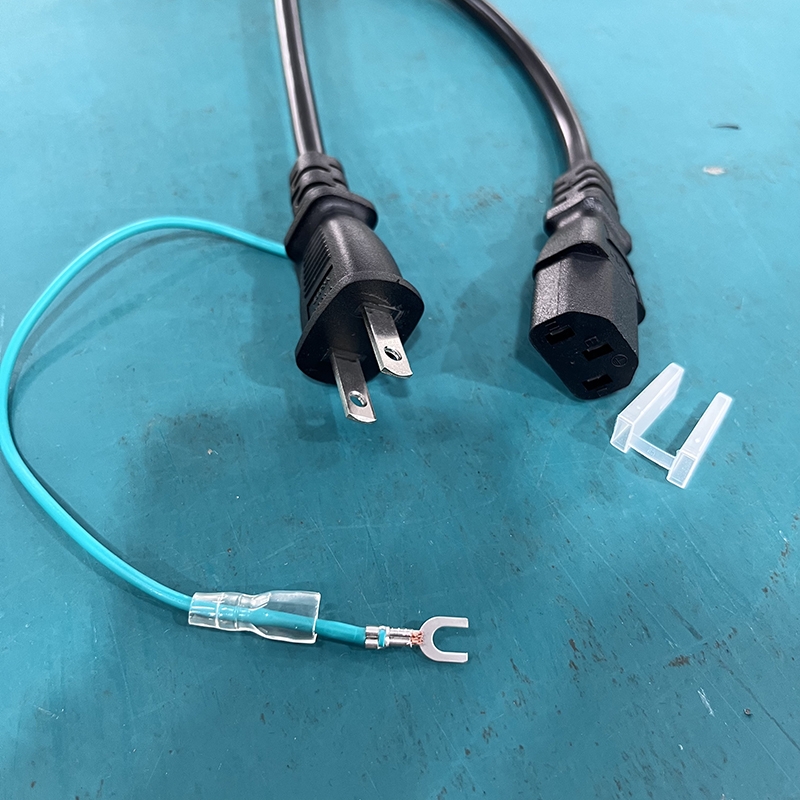
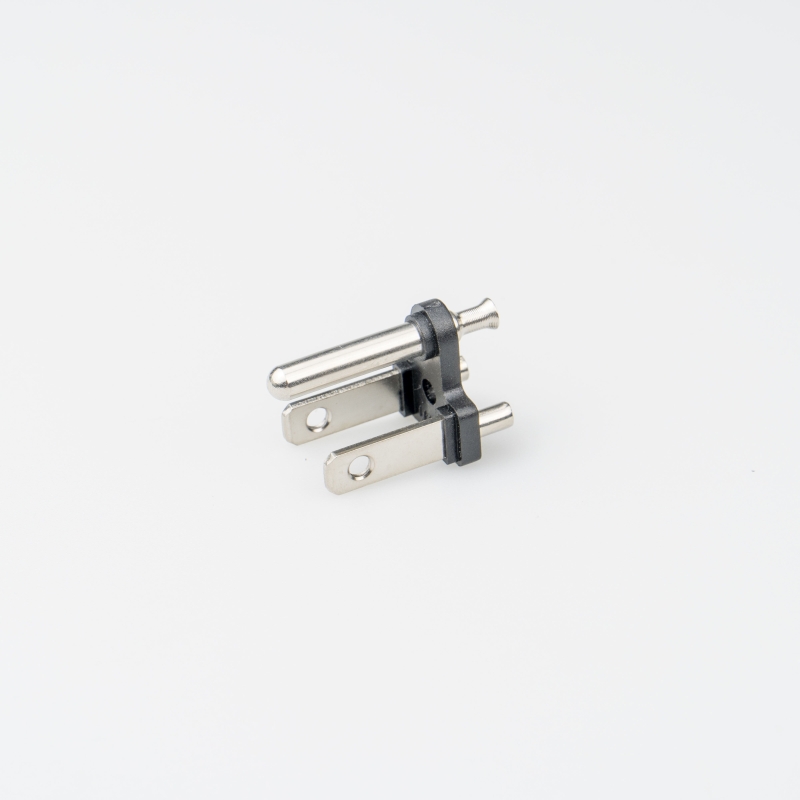
The client is a well-known smart electronics brand . Their product is the SMART PROJECTOR BF(....), destined for the USA. During pre-production chemical testing at BACL (Bay Area Compliance Laboratories), the accompanying SPT-2 Power Cord (US standard non-polarized two-prong power cord) and its PVC components failed, triggering a Nonconformity Notice (No: .........).
Key PVC Components Tested:
- 1R: Black PVC Jacket of Wire (semi-product)

- 2R: Black PVC Large Plug (semi-product)

- 3R: Black PVC Small Plug (semi-product)

- 28R: Translucent PVC Cable Tie (semi-product)

II. Problem Diagnosis: Precise Test Data
According to the BACL Nonconformity Notice, the main failures were:
1. Slight BPA Exceedance
Tested Parts: 1R + 2R + 3R
Test Result: 3.5 mg/kg
Limit: ≤ 3 mg/kg
Result: Fail
2. Severe Phthalates Exceedance
Tested Part: 28R (Translucent PVC Cable Tie)
| Restricted Substance | Test Result (mg/kg) | Regulatory Limit (mg/kg) | Result |
|---|---|---|---|
| DEHP | 15,690 | ≤100 | Fail |
| DBP | 64,805 | ≤100 | Fail |
| DINP | 863 | ≤100 | Fail |
| DIBP | 601 | ≤100 | Fail |
| DIDP | 66 | ≤100 | Fail |
| Total Phthalates | 82,025 | ≤100 | Fail |
Core Issue: The translucent PVC cable tie had extremely high phthalate content (82,025 mg/kg total), which was the primary cause of the overall chemical test failure.
III. Root Cause Analysis (RCA)
1. Material Formulation: Traditional PVC relies heavily on phthalate plasticizers (such as DEHP and DBP) for flexibility and cost advantages.
2. Supply Chain Gaps: IQC focused only on appearance, dimensions, and electrical/mechanical performance, ignoring molecular-level chemical risks.
3. Production Contamination: Mixing of standard and eco-friendly materials on the same production lines, incomplete machine cleaning, and excessive use of regrind material led to cross-contamination.
IV. Corrective & Preventive Actions
We implemented a comprehensive closed-loop solution covering materials and production:
1. Full Material Upgrade
- Switched entirely to BPA-Free + Phthalates-Free environmentally compliant PVC.
- For cable ties: Recommended PA66 Nylon Cable Ties (naturally free of phthalates and BPA, with superior mechanical strength and temperature resistance).
- Alternative: High-end Non-phthalate modified PVC if transparency and softness are essential.
2. Supplier "Five Certificates" Approval System
Every batch must provide:
- RoHS 2.0 Test Report
- REACH SVHC Report
- BPA Specific Test Report
- Phthalates (10P/17P) Specific Test Report
- MDS (Material Data Sheet)
3. Production Anti-Error Mechanisms
- Dedicated eco-material storage area with green visual identification.
- Mandatory machine cleaning with special purging compound (minimum 3 cycles) + QC verification before switching to eco-materials.
- Virgin Material Only (0% regrind) policy for high-compliance projects.
4. IQC Chemical Monitoring Matrix (batch verification + periodic third-party testing)
V. Improvement Results
After implementing the above measures, re-testing showed all chemical items reached ND (Not Detected) levels — well below regulatory limits. The client received a compliant report on time, and the smart projector successfully entered the North American market.
VI. Our Core Strengths
- 19+ years of specialized power cord manufacturing experience, focusing on SPT-2, SPT-3, SVT, SJT, and various plug assemblies.
- ISO 9001 Quality Management System certified.
- Holds multiple international safety certifications: UL, cUL, VDE, SAA, BSI, etc.
- Offers DFM + Chemical Compliance Pre-assessment engineering support.
We are not just a power cord manufacturer — we are your strategic technical partner for regulatory compliance in high-end markets
VII. Applicable Regulations & Markets
- United States: California Proposition 65, TSCA
- European Union: RoHS 2.0, REACH SVHC
- Global: Children's Product CPC, various brand RSL (Restricted Substances Lists)
Conclusion
In an era of increasingly strict environmental regulations, choosing a power cord supplier that deeply understands materials, regulations, and full-chain risk control is far more important than price alone.
Is your product also facing compliance pressure regarding BPA, Phthalates, or REACH?
Contact our engineering team today for a free compliance risk assessment and material selection advice. Let us help your electrical products enter premium international markets safely and efficiently.



 Email
Email