

Indoor vs. Outdoor Extension Cords: H05VV-F vs. H07RN-F Cable Selection Guide
Selecting the right extension cord is far more than a routine procurement decision. One incorrect choice between H05VV-F (PVC indoor) and H07RN-F (rubber outdoor/heavy-duty) cables can lead to insulation failure, equipment damage, electrical hazards, or regulatory non-compliance.
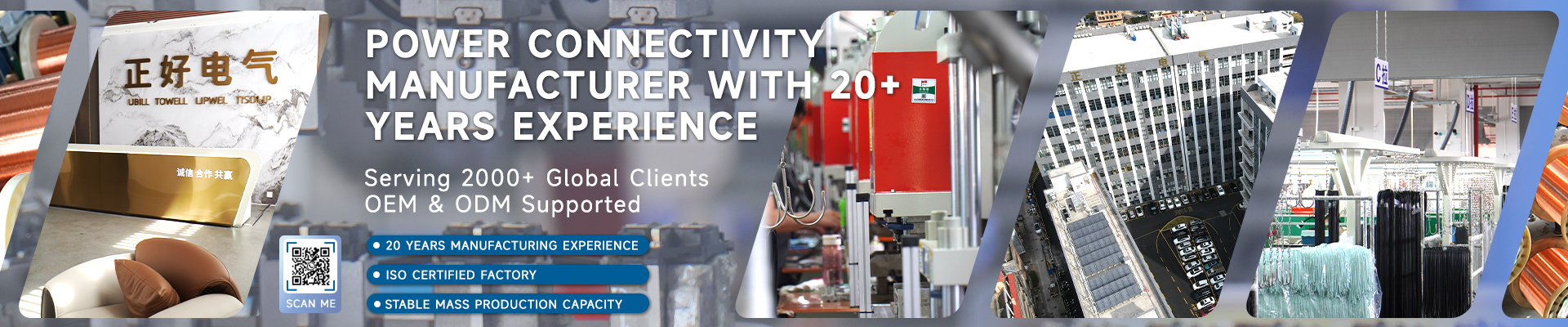
With over 20 years of OEM/ODM manufacturing experience at Dongguan Zhenghao Electric Co., LTD, we have supported hundreds of international brands and wholesalers. This guide delivers a practical, expert-driven framework to help you choose confidently, optimize costs, ensure safety, and maximize product lifespan.
Why Cable Choice Matters: Real-World Risks and ROI Impact
Many buyers assume cables are interchangeable based on appearance or price. In reality, material science and environmental stressors create vast performance gaps. PVC jackets in H05VV-F excel indoors but degrade quickly outdoors. Rubber compounds in H07RN-F handle abuse, weather, and chemicals far better.
Common procurement questions we hear:
- Why does a "similar-looking" heavy-duty cord cost 2-3x more?
- Does a thicker jacket always mean better outdoor performance?
- How do I balance upfront cost with long-term reliability for my customers?
This article addresses these directly with technical depth, updated standards references (EN 50525, IEC 60227, IEC 60245), and actionable advice.

Decoding Harmonized Cable Nomenclature: H05VV-F vs. H07RN-F
European harmonized codes (CENELEC HD 361 / EN 50525) provide a precise performance blueprint.
- H: Harmonized European standard.
- 05 / 07: Voltage rating — H05 (300/500V) for lighter duty; H07 (450/750V) for industrial loads and inrush currents.
- VV: PVC insulation + PVC sheath (thermoplastic, cost-effective indoors).
- RN: Rubber (EPR) insulation + Neoprene (Polychloroprene) sheath (thermoset, rugged).
- F: Flexible Class 5 fine-stranded copper conductors for easy handling and repeated flexing.
Key takeaway: H05VV-F suits controlled indoor environments. H07RN-F is engineered for demanding outdoor, industrial, or mobile use.
Material Science: PVC vs. Rubber Performance Under Stress
H05VV-F (PVC):
Thermoplastic material offers excellent flexibility and low cost in stable indoor settings. However, plasticizers migrate in cold (< +5°C), making it brittle. Heat, oils, or UV cause softening, swelling, or cracking. Typical range: -5°C to +70°C.
H07RN-F (Rubber/Neoprene):
Vulcanized thermoset elastomer remains flexible to -25°C, resists ozone, UV, abrasion, oils, and chemicals. It absorbs impacts better and maintains integrity under mechanical stress. Mobile use: -25°C to +60°C; fixed installations up to +90°C in some variants.
Expert insight: Rubber cross-linked structure prevents melting or permanent deformation—critical for construction sites or outdoor events.
New section: Real-World Durability Data
Independent testing and field data show H07RN-F cables often outlast PVC equivalents by 3-5x in abrasive outdoor conditions. For example, neoprene sheaths resist hydrocarbon absorption that rapidly degrades PVC in workshops or garages. In cold-weather flex tests, rubber maintains elasticity far below PVC stiffening point.
Application Scenarios: Matching Cable to Environment
Indoor Commercial Residential (H05VV-F Optimal)
Ideal for offices, retail, home theaters, and light tools in dry conditions.
Recommended spec: 3G1.5 mm² H05VV-F for most uses; upgrade to 2.5 mm² for runs 20m to limit voltage drop.
Formula reminder: Voltage drop ≈ I × 2 × L × R (keep 30% for sensitive electronics).
Limits: Never use in wet areas, kitchens with oils, or outdoors.
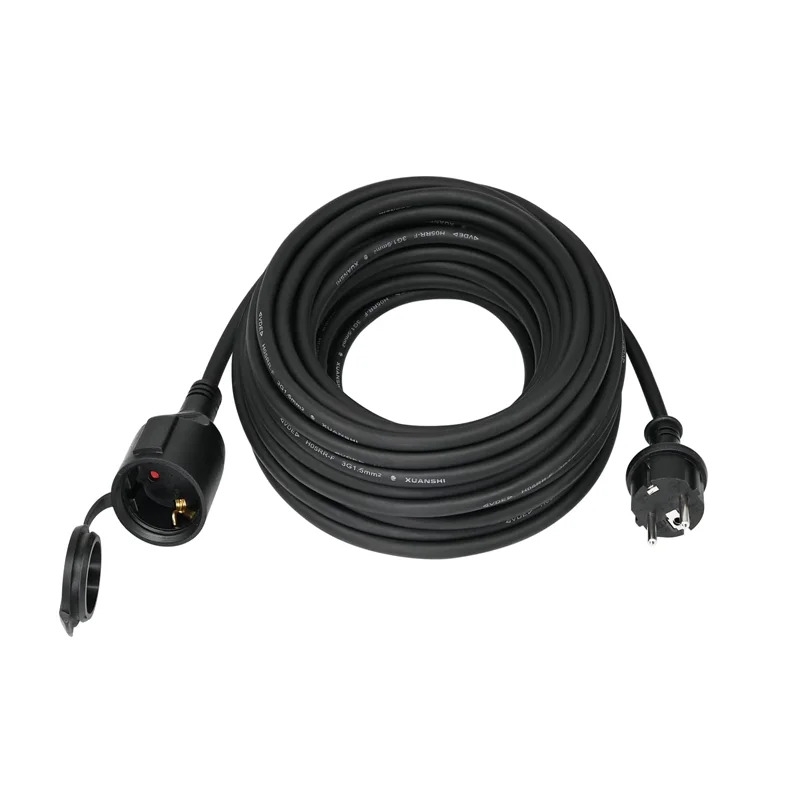
Outdoor, Industrial Heavy-Duty Extension Cord(H07RN-F Essential)
Construction sites, mining, agriculture, stages, welding, and outdoor power distribution.
The robust jacket handles impacts, abrasion, traffic, diesel, and prolonged weather exposure.
Pro tip: For 3000W (≈13A at 230V) catering equipment, use at least 2.5 mm² H07RN-F for safety margin and reduced heat.
Engineering Decision Matrix
| Technical Parameter | H05VV-F (PVC) | H07RN-F (Rubber/Neoprene) | Selection Impact |
|---|---|---|---|
| Voltage Rating | 300/500 V | 450/750 V | Heavy loads & inrush |
| Temp Range (Mobile) | -5°C to +70°C | -25°C to +60°C | Outdoor/cold use |
| Mechanical Abuse Resistance | Light (tearing prone) | Heavy (impact/abrasion) | Construction/factory |
| Oil & Chemical Resistance | Poor | Excellent | Workshops/kitchens |
| UV & Weather Resistance | Moderate (embrittles) | Outstanding | Outdoor longevity |
| Relative Cost | Baseline (1x) | 2.2–3x | Budget vs. durability |
Visual suggestion: High-resolution comparison photos of jacket cross-sections and wear after simulated abuse.
Quality Verification: What B2B Buyers Must Demand
Always request:
1. Tumbling Barrel Test (IEC 60884-1) — Simulates years of rough handling.
2. Dielectric Withstand — High-voltage water bath test for pinholes.
3. RoHS/REACH Reports — Confirm no banned phthalates or PAHs.
Look for clear "H07RN-F" embossing, VDE/CE marks, and matte elastic rubber texture (vs. glossy PVC).
New section: Voltage Drop & Ampacity Best Practices (2025 Update)
Longer runs increase resistance. Use this quick guide (approximate for 230V single-phase, <3% drop):
- 10-15A load, <25m: 1.5 mm²
- 15-20A or longer: 2.5 mm² minimum.
Coiled cords under load act as heaters—always uncoil fully. Pair with 30mA RCD/GFCI upstream for safety.
Strategic Sourcing Insights for OEM/ODM Partners
For indoor retail lines, H05VV-F keeps pricing competitive. For premium heavy-duty or outdoor collections, H07RN-F protects your brand and reduces returns/warranties. Custom options (lengths, colors, plugs) from certified factories ensure VDE, CE, RoHS compliance.
At TISDLIP, we specialize in tailored extension cord assemblies for global markets.
Call to Action: Ready to optimize your product lineup? Contact our engineering team for samples, custom specs, or BOM reviews.
Location: Dongguan City, Guangdong, China — 20+ years of high-performance power solutions.
Frequently Asked Questions (FAQ)
Q1: Can H05VV-F be used outdoors in conduit?
No. Even in conduit, moisture and temperature swings risk breakdown. Use H07RN-F or armored cables for permanent outdoor/underground installs.
Q2: How to spot genuine H07RN-F vs. fake PVC?
Check embossed;H07RN-F marking + approvals. Genuine rubber has a matte, highly elastic finish that snaps back; PVC is glossier and creases.
Q3: Why different temp ratings for mobile vs. fixed H07RN-F?
Mobile use involves flexing/pulling; +60°C limit preserves elasticity. Fixed allows higher temps in protected setups.
Q4: Are both compliant with RoHS/REACH?
When properly formulated—yes. Always demand current lab reports. TISDLIP products are fully compliant.
Q5: Best size for high-power tools on H07RN-F?
For 2000-3000W, choose 2.5 mm² or larger. Factor length and duty cycle for safety.
References
1. CENELEC HD 361 / EN 50525 Standards Overview.
2. IEC 60227-5: PVC Flexible Cables. International Electrotechnical Commission.
3. IEC 60245-4: Rubber Cords and Flexible Cables.
4. VDE Approvals and Testing Guidelines.
5. Practical Extension Cord Safety Guides (Wirecutter, OSHA-aligned practices).
6. Manufacturer technical datasheets (Prysmian, ANPU Cable comparisons).



 Email
Email