

How to Avoid Extension Cord Fires in Winter: 7 Appliances to Never Use
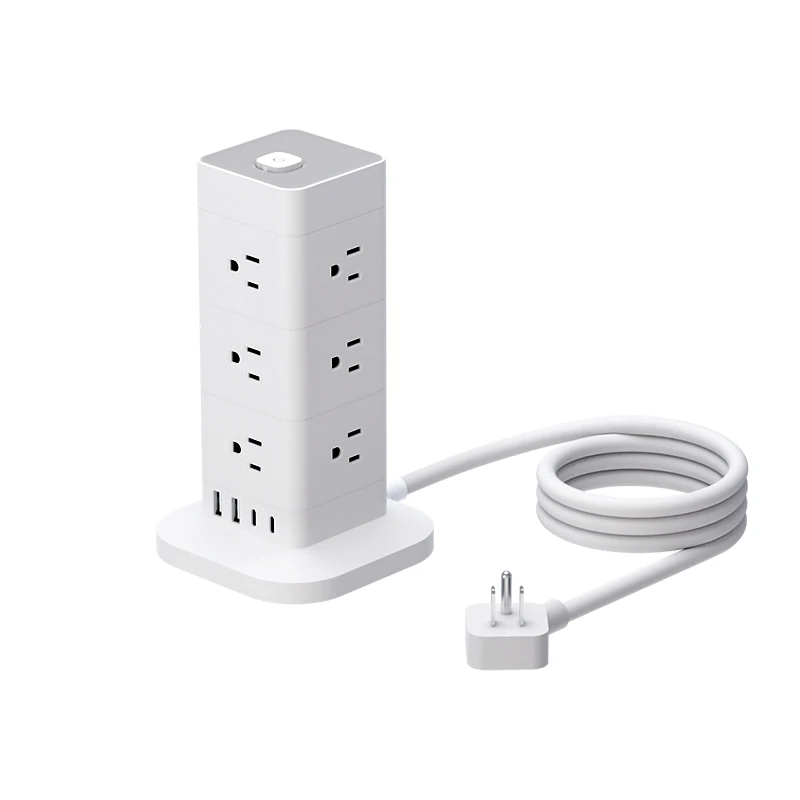
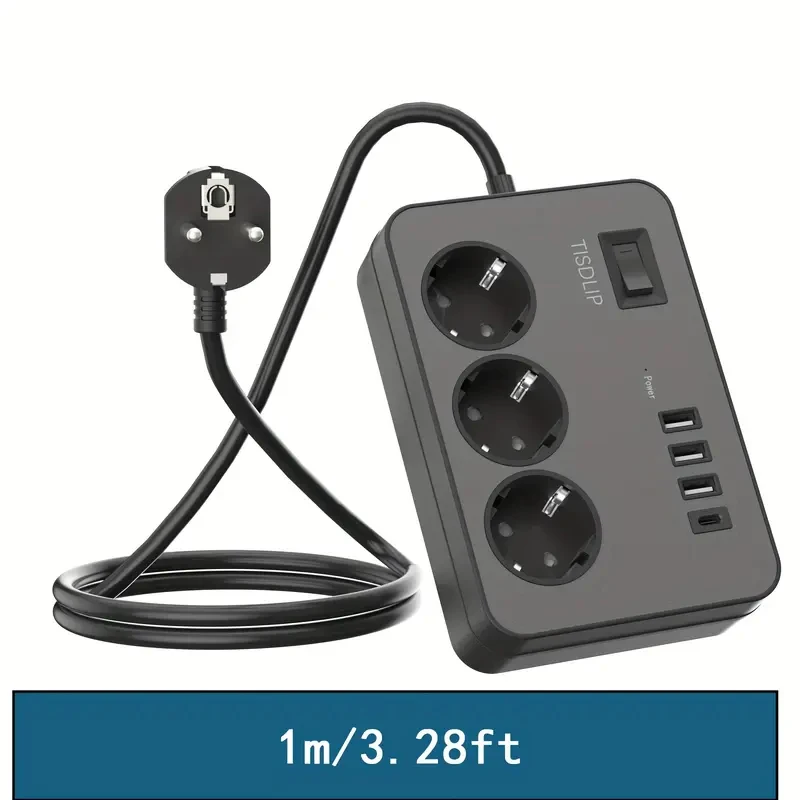
Winter increases the use of high-wattage appliances like heaters and air fryers. Many people use extension leads when wall sockets are limited — but this is a common cause of electrical fires due to overload and overheating.
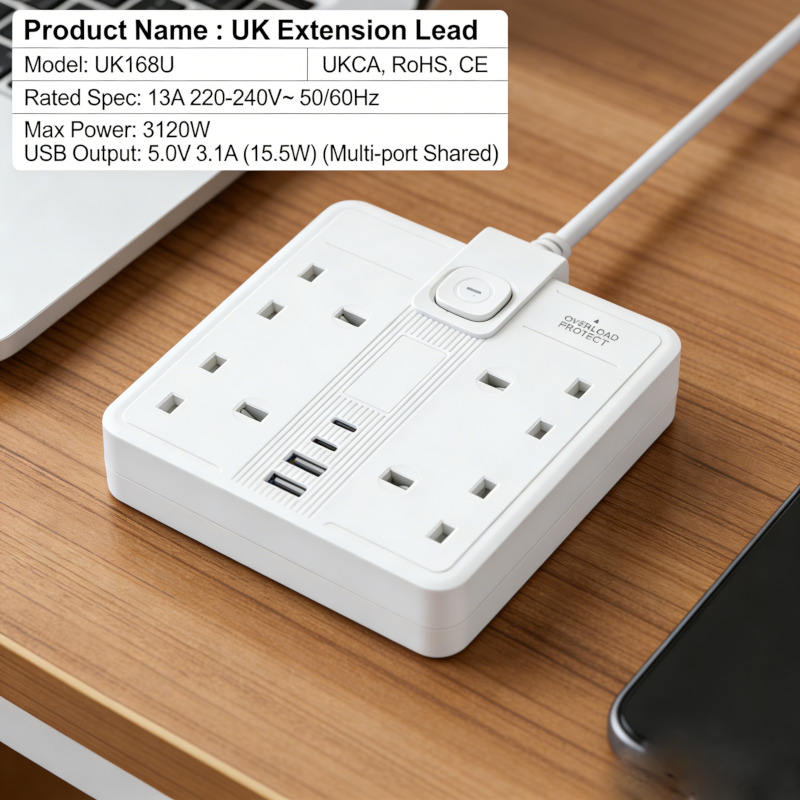
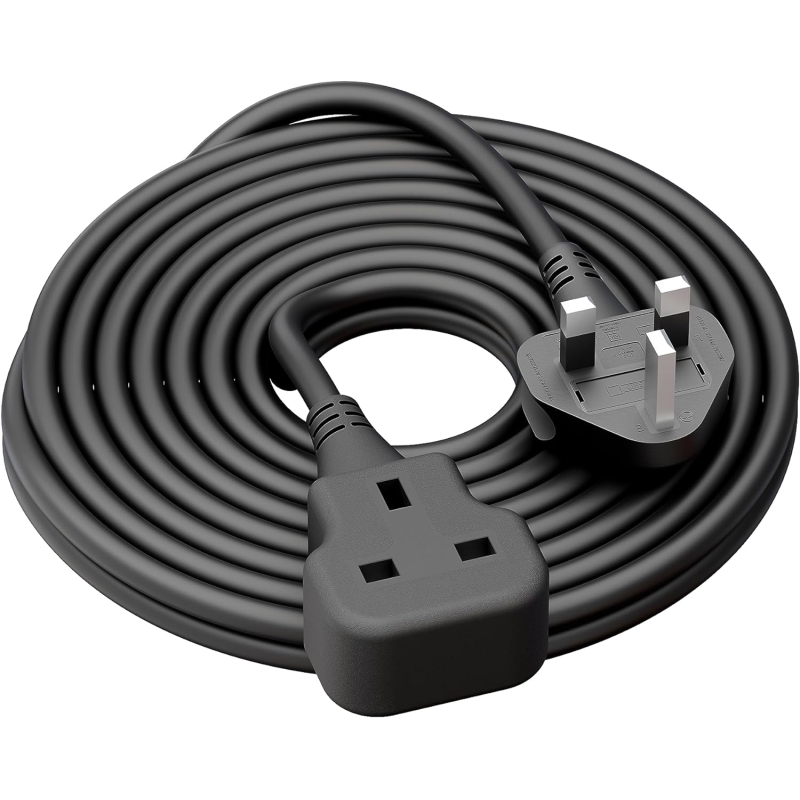
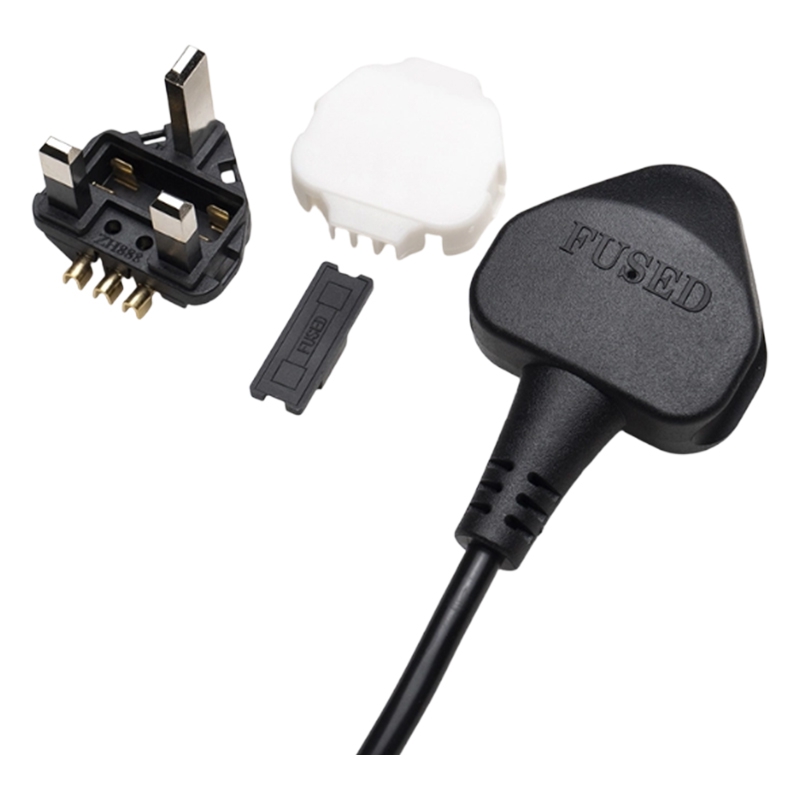
As a professional manufacturer of UK BS1363 extension leads with 15+ years experience, here’s a practical guide to help your customers stay safe (and help you sell more reliable products).
Why Extension Cords Are Risky in WinterHigh-power devices exceed standard 13A ratings → cables overheat, insulation melts, fires start. Daisy-chaining is especially dangerous.
7 Appliances NEVER to Plug into Extension LeadsPlug these directly into wall sockets:
Air Fryer / Electric Oven – Sustained high wattage (1500–2200W) causes quick overload.
Microwave – Startup surge damages cords instantly.
Electric Heater / Fan Heater – Long runtime heats cables dangerously.
Refrigerator / Freezer – Voltage drops harm compressor lifespan.
Portable Air Conditioner – Massive startup current overloads most leads.
Kettle / Toaster – High peak power risks sparks on shared cords.
Daisy-Chaining Extension Leads – Multiplies resistance, top fire cause.
How to Use Extension Leads Safely
Reserve for low-power devices only (lamps, chargers, laptops — total <3000W).
Check wattage/amps on appliance labels; never exceed cord rating.
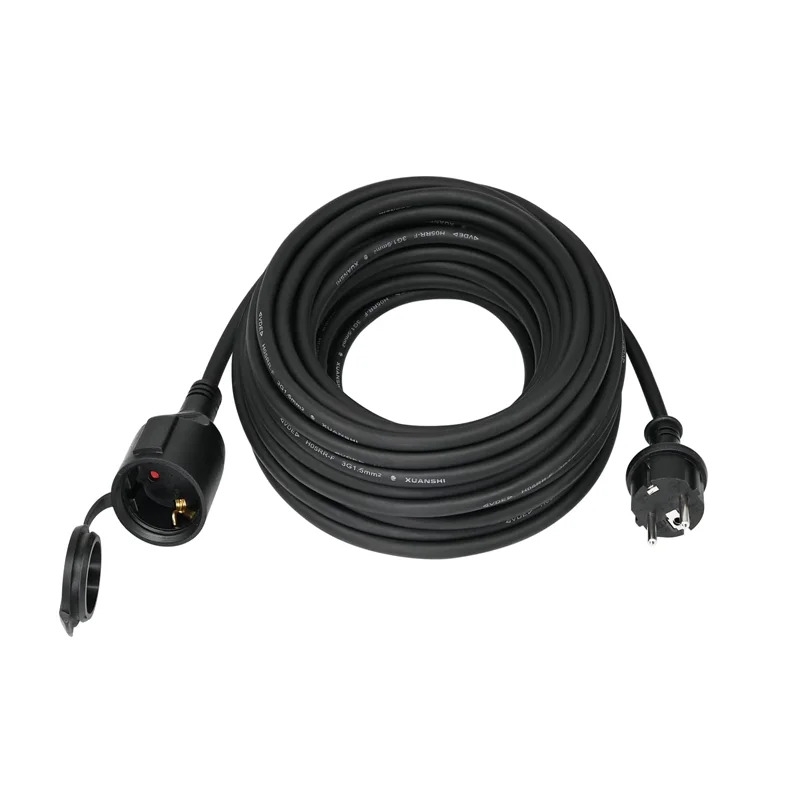
Unwind fully (no coiling) to avoid heat buildup.
Feel plugs/cables after use — if hot, replace immediately.
Insufficient sockets? Suggest professional wall outlet installation.
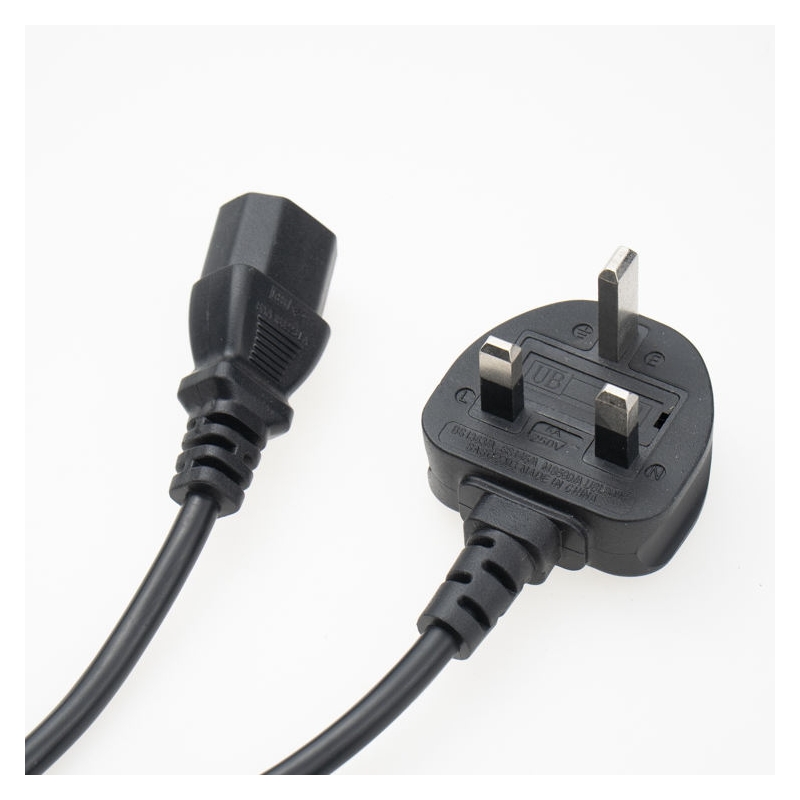
How to Choose Safe Extension Leads for Your CustomersLook for: BS1363 plug, thick copper wires, flame-retardant case, overload/surge protection.
We supply certified, heavy-duty options — factory direct, OEM/ODM available.
Contact us for free samples, catalogues, and quotes within 24 hours.



 Email
Email