

Content Menu
● Introduction: Why Power Plug Standards Matter in Global Trade
● Step 1: Identify Target Market Plug Types and Voltage Requirements
>> Global Electrical Standards Overview
● Step 2: Understand Different Power Plug Types and Socket Standards
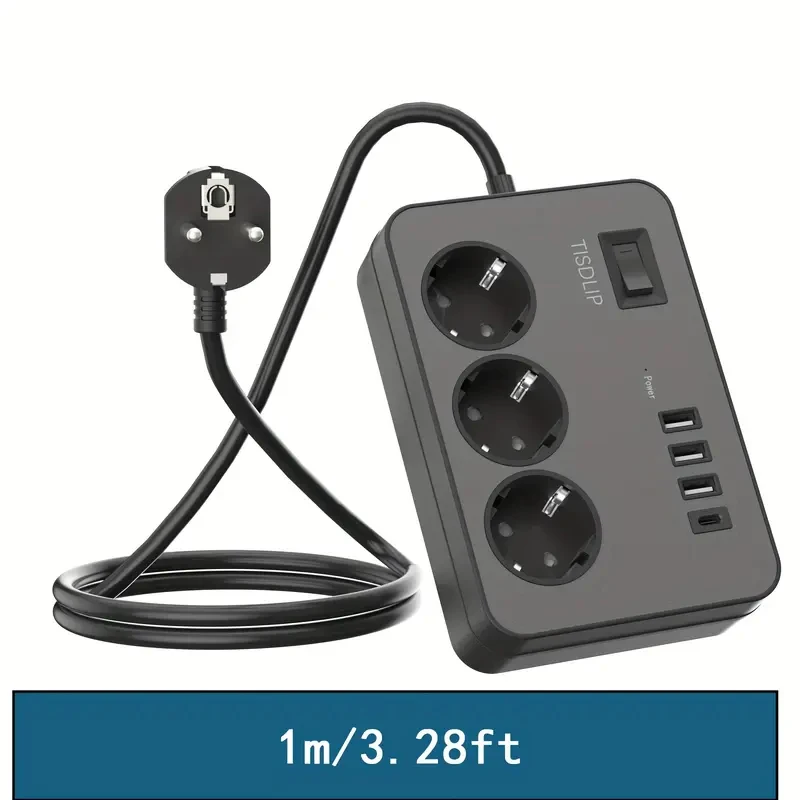
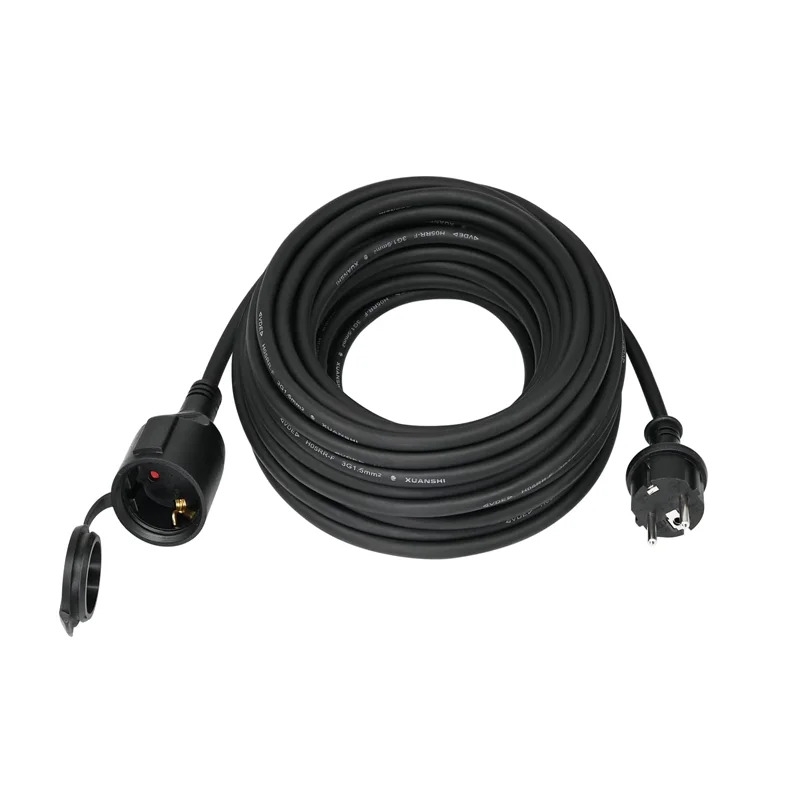
>> Europe – Type C & F (Schuko Plug)
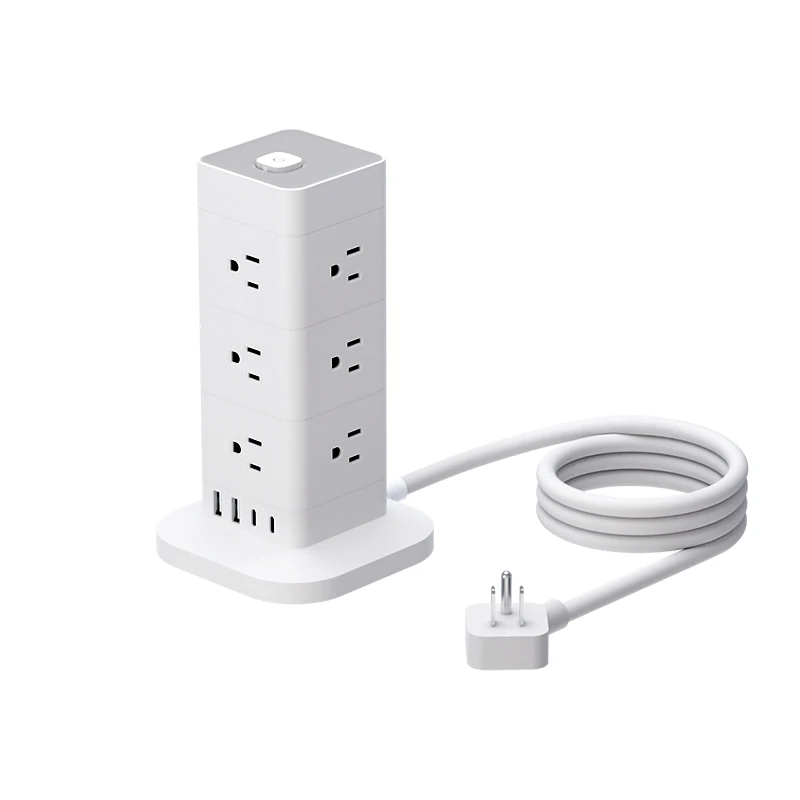
>> USA – Type A & B (NEMA Standards)
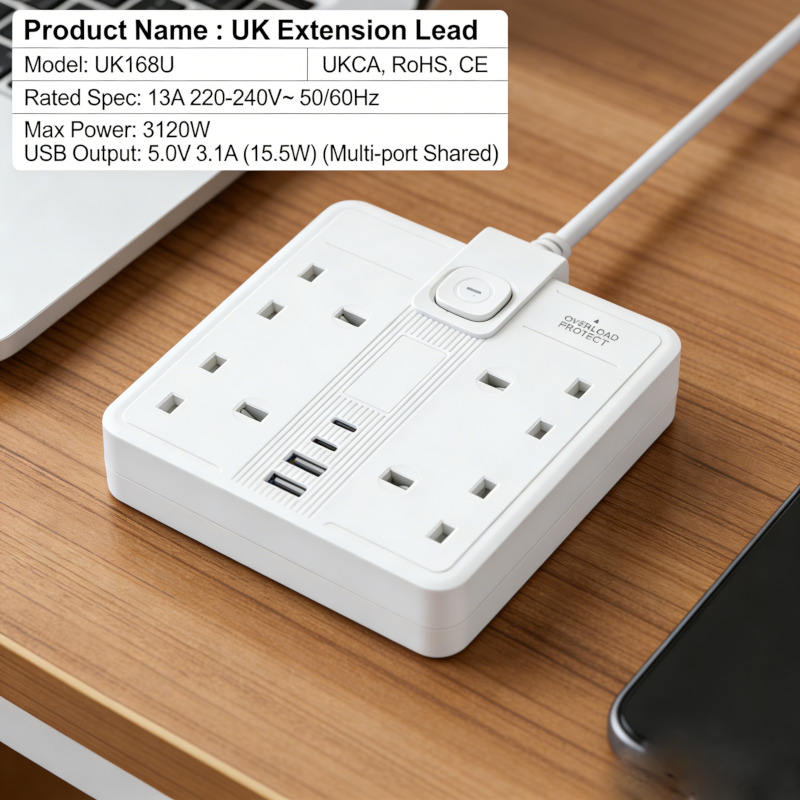
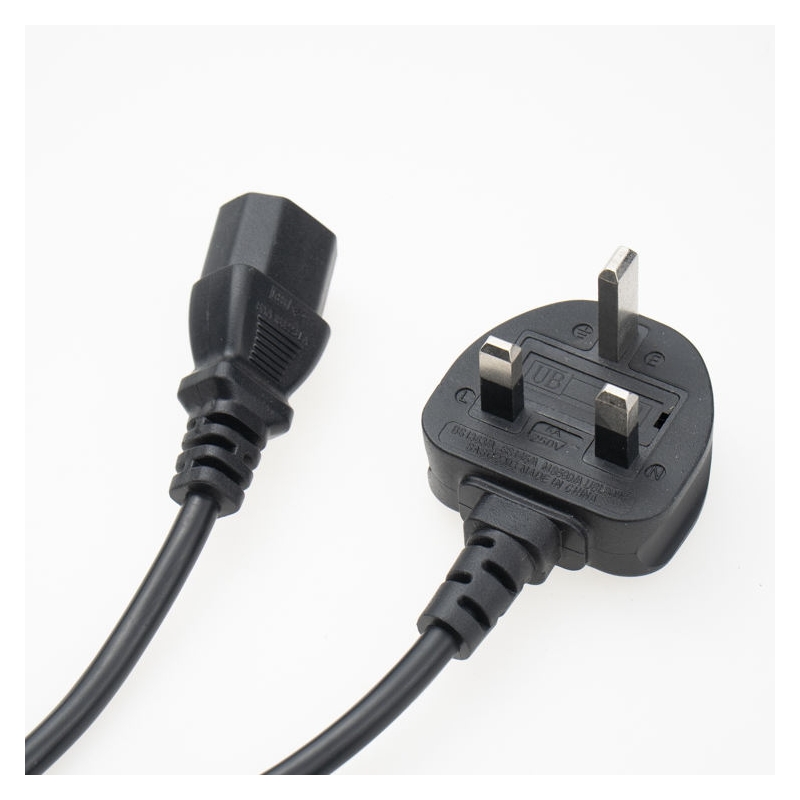
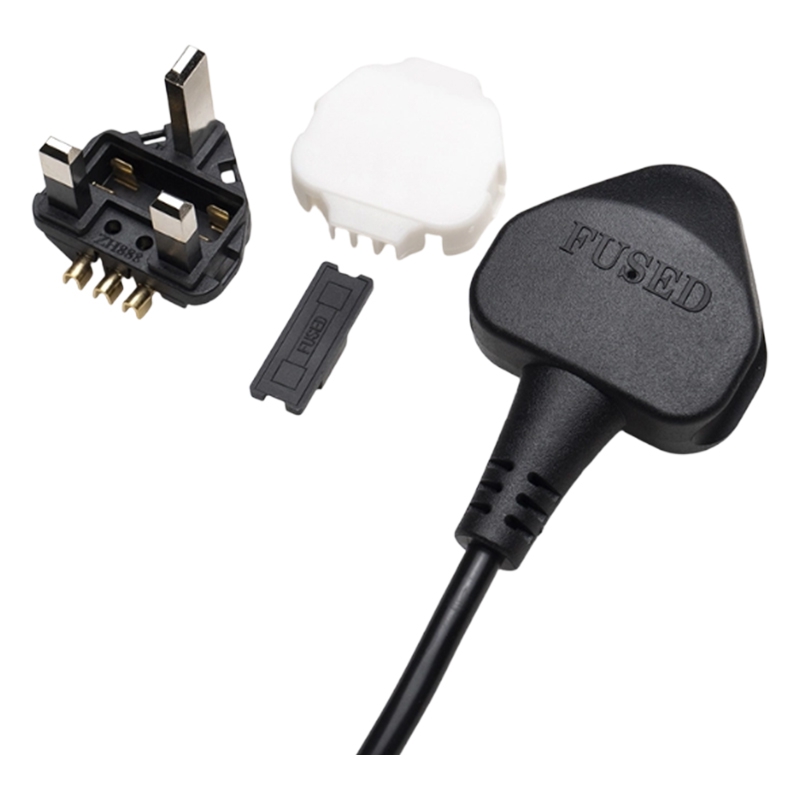
>> UK – Type G (BS 1363 Plug)
>> Australia – Type I Plug
>> India & South Africa – Type D / M / N
● Step 3: Match Plug Type with Device Power Requirements
>> Best Practices
● Step 4: Check Voltage Compatibility Between Countries
>> Global Voltage Difference
>> Key Risks
● Step 5: Ensure Compliance with International Safety Standards
>> What Buyers Should Check
● Step 6: Avoid Common Mistakes in Power Plug Selection
>> Common mistakes include:
● Step 7: Optimize Product Strategy for Multiple Markets
>> Strategy Options:
>>> 1. Country-Specific Power Cords
>>> 2. Modular Plug Systems
>>> 3. Universal Plug Solutions
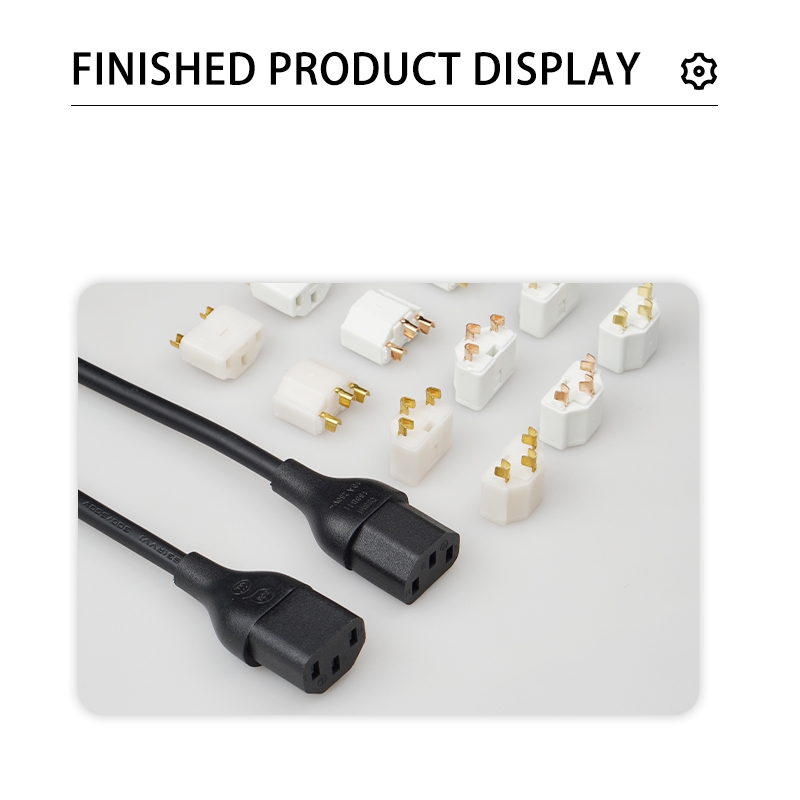
● Step 8: Choose a Reliable OEM Power Cord Manufacturer
>> What to Look For:
>> Why It Matters
● Step 9: Test and Verify Before Mass Production
● Conclusion: Build Safe and Compliant Global Power Solutions
>> 1. What are the different power plug types worldwide?
>> 2. What is the difference between 120V and 230V?
>> 3. Can I use one power cord for all countries?
>> 4. Do power adapters convert voltage?
>> 5. How do I choose an OEM power cord supplier?
Introduction: Why Power Plug Standards Matter in Global Trade
When exporting electrical products, choosing the correct power plug standard is critical for ensuring product safety, regulatory compliance, and successful market entry.
Many manufacturers underestimate the complexity of international plug types, socket standards, and voltage differences, leading to certification failures, shipment delays, or even product recalls.
With over 15 years of OEM experience in power cord manufacturing, plug inserts, and inner brackets, we've helped global brands avoid these costly mistakes. In this guide, you'll learn exactly how to choose the right plug type for different countries, while optimizing for safety and compliance.
Step 1: Identify Target Market Plug Types and Voltage Requirements
power plug standards, plug types by country, voltage by country
Before designing your product, identify:
* Target countries
* Required plug types
* Local voltage and frequency
* Certification requirements
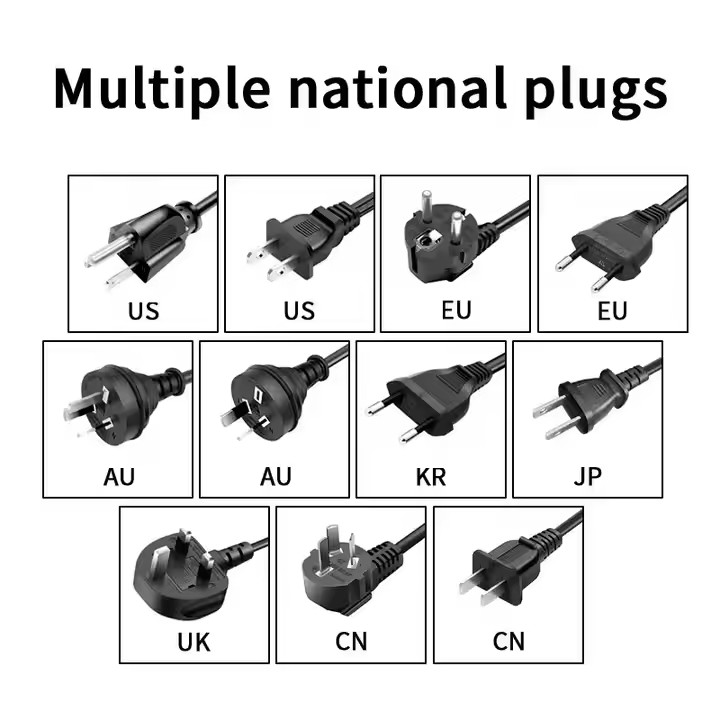
Global Electrical Standards Overview
| Region | Plug Type | Voltage | Frequency |
|---|---|---|---|
| United States | Type A / B | 120V | 60Hz |
| Europe | Type C / F (Schuko) | 230V | 50Hz |
| United Kingdom | Type G | 230V | 50Hz |
| Australia | Type I | 230V | 50Hz |
| India | Type D / M | 230V | 50Hz |
| South Africa | Type M / N | 230V | 50Hz |
Step 2: Understand Different Power Plug Types and Socket Standard
types of power plugs, international plug types, socket standards
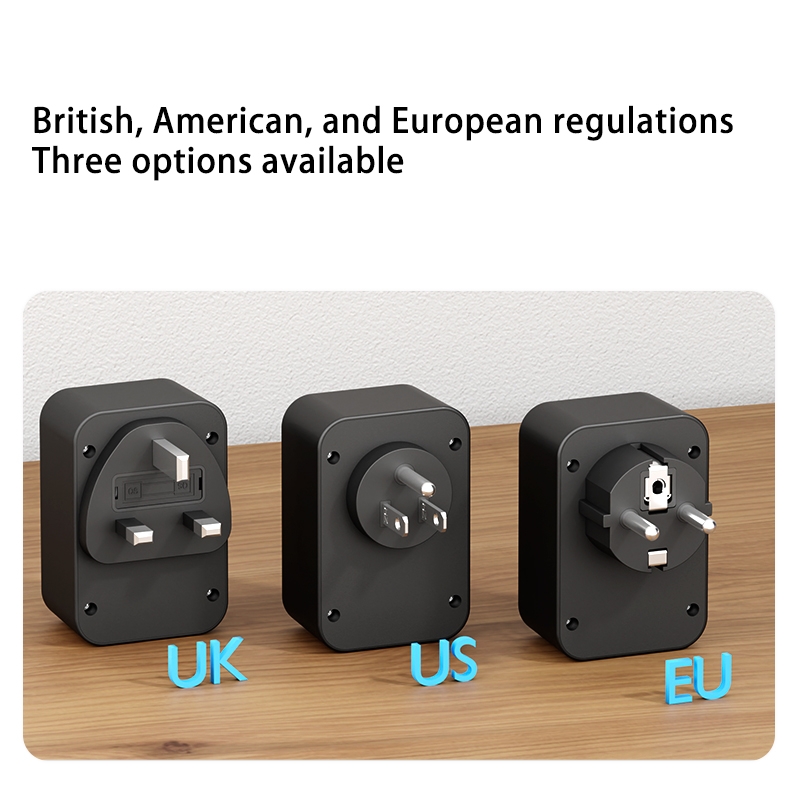
Each region uses different plug designs and socket systems, including:
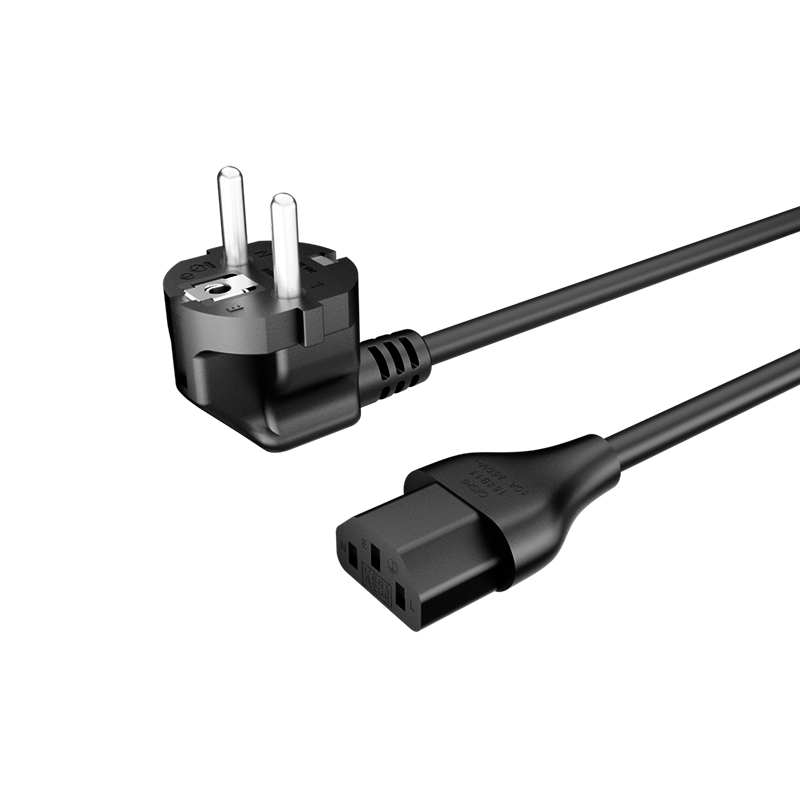
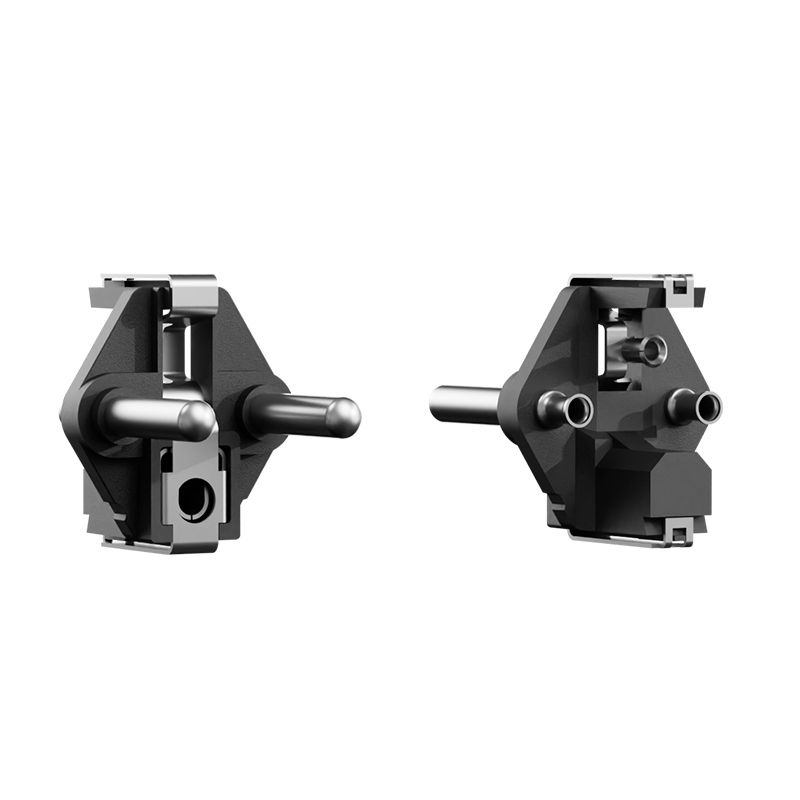
Europe – Type C & F (Schuko Plug)
Round pins
Up to 16A
Grounded and ungrounded versions
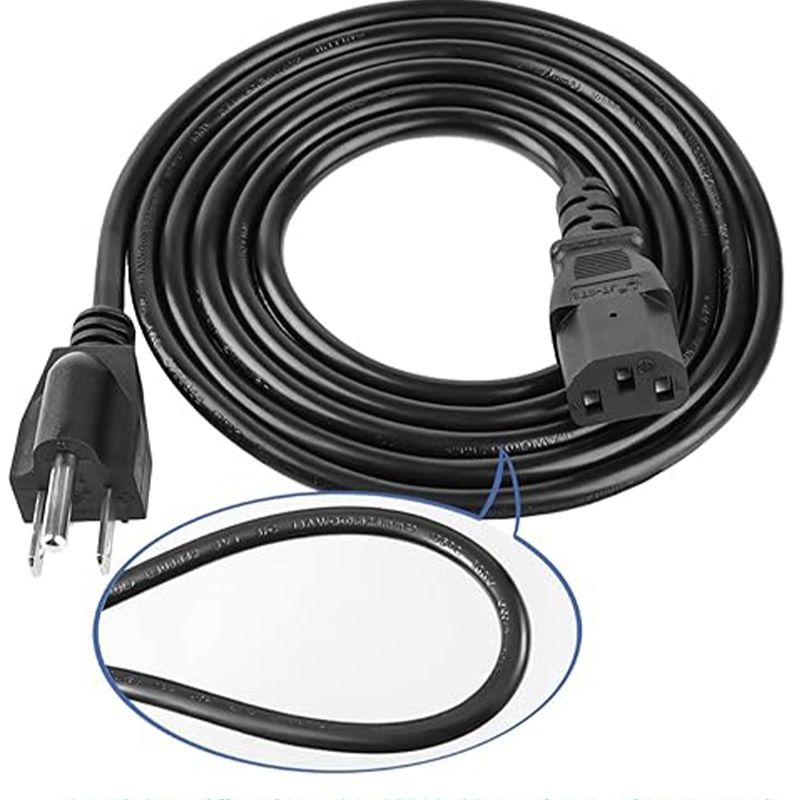
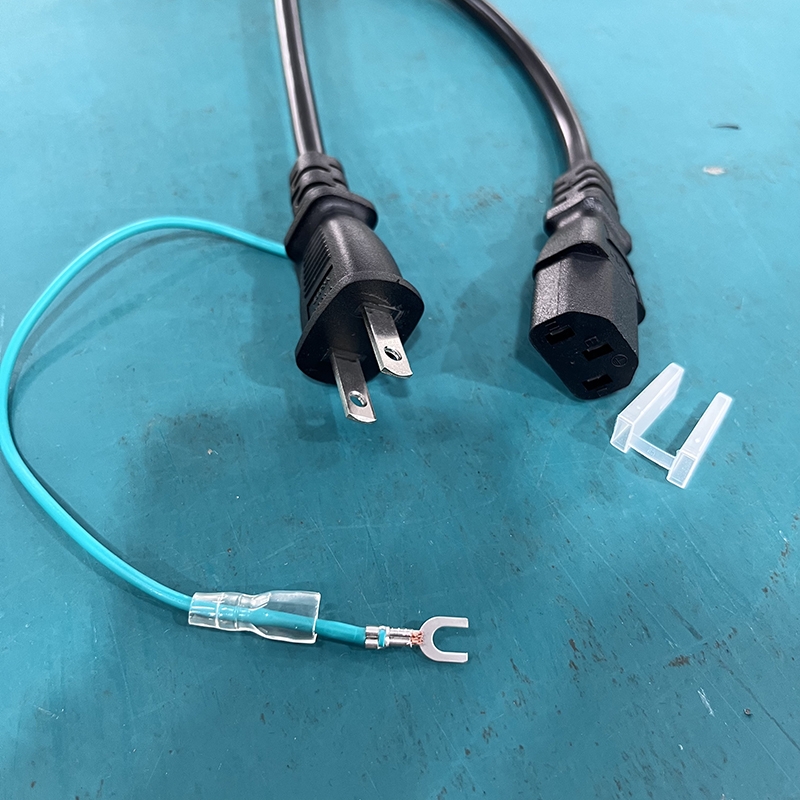
USA – Type A & B (NEMA Standards)
Flat pins
Polarized design
Type B includes grounding
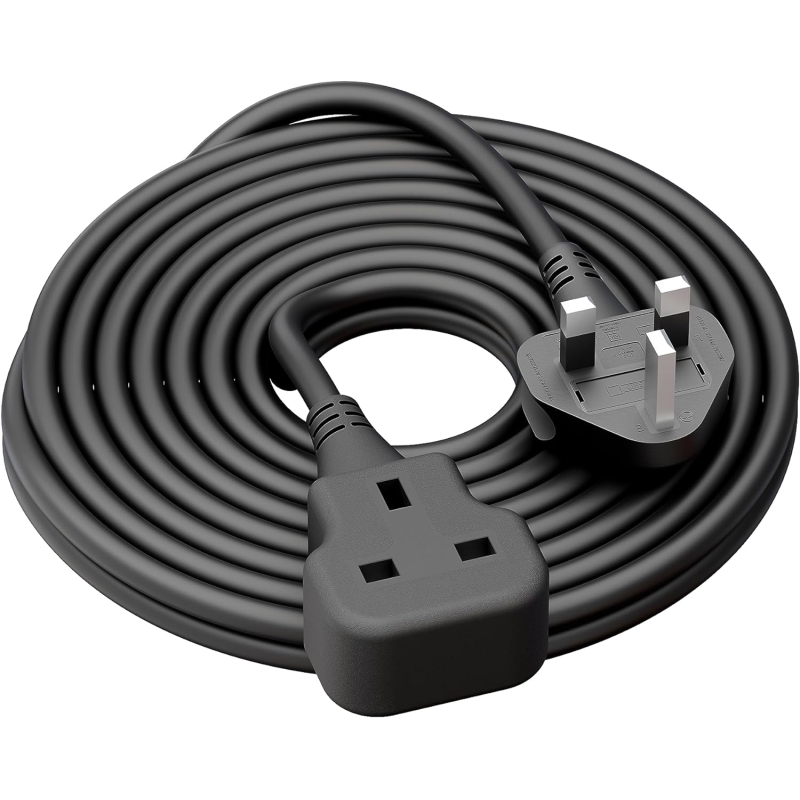
UK – Type G (BS 1363 Plug)
Rectangular pins
Built-in fuse
Safety shutters
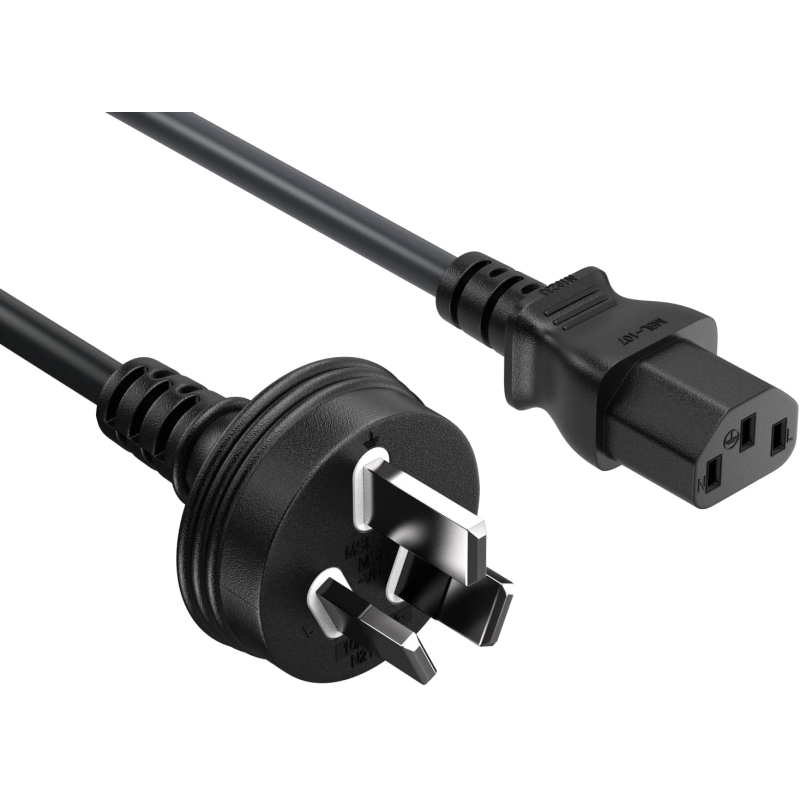
Australia – Type I Plug
Angled flat pins
High safety standard
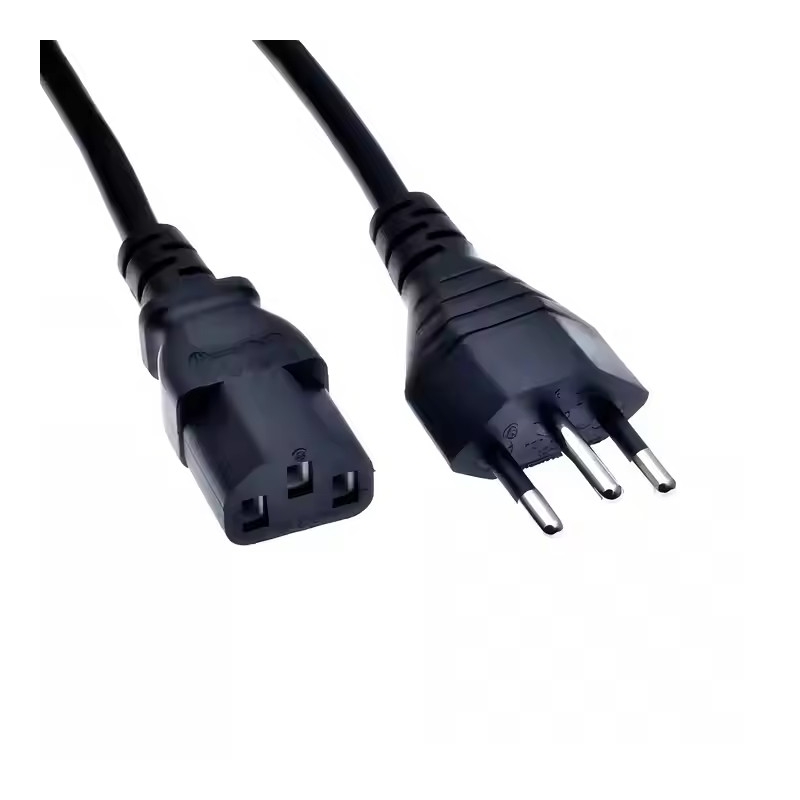
India & South Africa – Type D / M / N
Round pin configuration
Mixed usage across regions
Step 3: Match Plug Type with Device Power Requirements
power cord selection, electrical plug ratings, amp rating plugs
Choosing the correct power plug depends on:
Current rating (Amps)
Device power consumption
Grounding requirements
Best Practices
Small electronics → 2-pin plugs
Home appliances → Grounded plugs
Industrial equipment → Heavy-duty certified plugs
Step 4: Check Voltage Compatibility Between Countries
voltage differences by country, 120V vs 230V, power conversion
Voltage mismatch is one of the most searched and critical issues.
Global Voltage Difference
120V (USA, Canada)
230V (Europe, Asia, Africa)
Key Risks
Equipment damage
Fire hazards
Reduced lifespan
Step 5: Ensure Compliance with International Safety Standards
IEC 60884-1, UL 498 certification, CE electrical compliance
To sell globally, your product must meet:
IEC standards (global baseline)
UL certification (USA)
CE marking (Europe)
BS 1363 (UK)
AS/NZS 3112 (Australia)
What Buyers Should Check
Certification documents
Material compliance
Mechanical durability
Step 6: Avoid Common Mistakes in Power Plug Selection
plug compatibility issues, electrical safety risks
Common mistakes include:
Using universal adapters for permanent use
Ignoring grounding requirements
Overloading plugs
Choosing low-quality OEM suppliers
Product recalls
Certification failures
Safety incidents
Step 7: Optimize Product Strategy for Multiple Markets
global power cord solutions, OEM power cords
Strategy Options:
1. Country-Specific Power Cords (Best SEO + Compliance)
High safety
Preferred by B2B buyers
2. Modular Plug Systems
Flexible
Lower inventory cost
3. Universal Plug Solutions
Limited to travel products
Conversion Tip:
B2B buyers search: “OEM power cord manufacturer”Step 8: Choose a Reliable OEM Power Cord Manufacturer
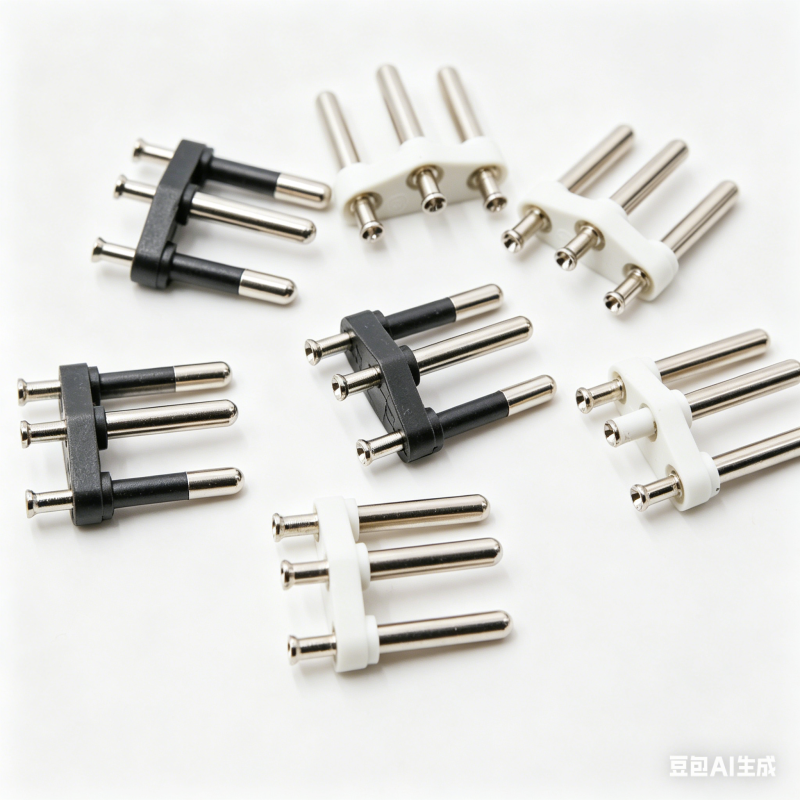
OEM power cord manufacturer, plug insert supplier, power cord factory
What to Look For:
Precision molding capability
Certified materials (PA66, copper)
Compliance support
Large-scale production
Why It Matters
High-quality plug inserts and inner brackets ensure:
Stable electrical performance
Certification success
Long-term durability
Step 9: Test and Verify Before Mass Production
power cord testing, plug certification testing
Before production:
Test samples
Perform load tests
Verify certifications
Simulate real usage
Best Practice:
Always validate in target market conditions.Conclusion: Build Safe and Compliant Global Power Solutions
Choosing the right power plug standard, voltage compatibility, and certified components is essential for:
Product safety
Market compliance
Business success
By following this step-by-step guide, manufacturers can confidently enter global markets with compliant and reliable electrical products.
References
IEC World Plugs Database
https://www.iec.ch/world-plugs2.World Standards – Plug & Voltage by Country
https://www.worldstandards.eu/electricity/plug-voltage-by-country/3.Mains Electricity by Country
https://en.wikipedia.org/wiki/Mains_electricity_by_country4.IEC 60884-1 Standard
https://webstore.iec.ch/publication/341755.IEC 60906-1
https://en.wikipedia.org/wiki/IEC_60906-16.Electric Plugs Market Research
https://www.precedenceresearch.com/electric-plugs-and-sockets-market



 Email
Email