

Content Menu
● Introduction: Why Power Plug Standards Matter in Global Trade
● Step 1: Identify Target Market Plug Types and Voltage Requirements
>> Global Electrical Standards Overview
● Step 2: Understand Different Power Plug Types and Socket Standards
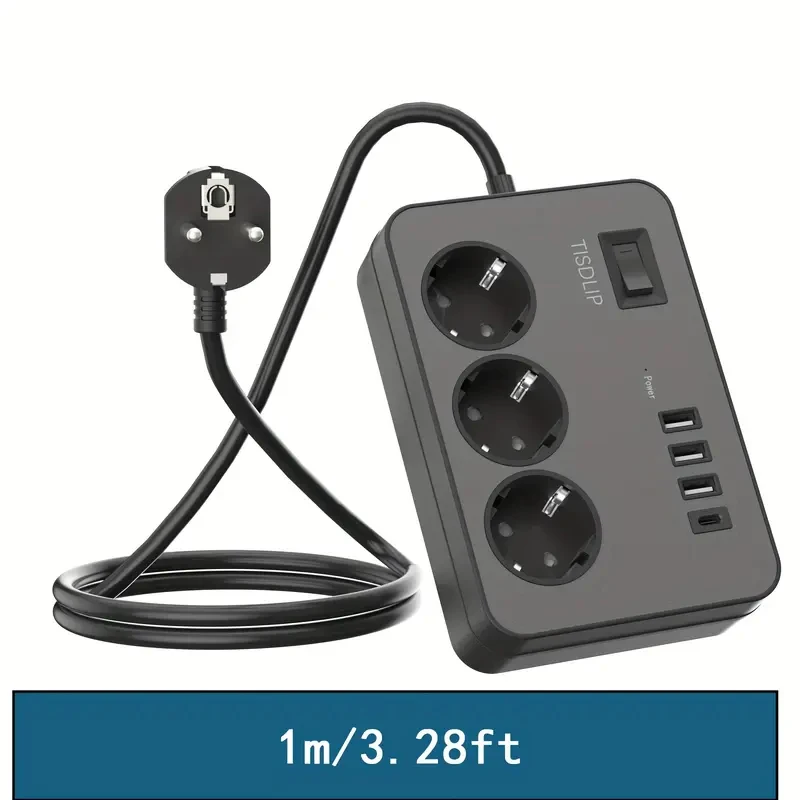
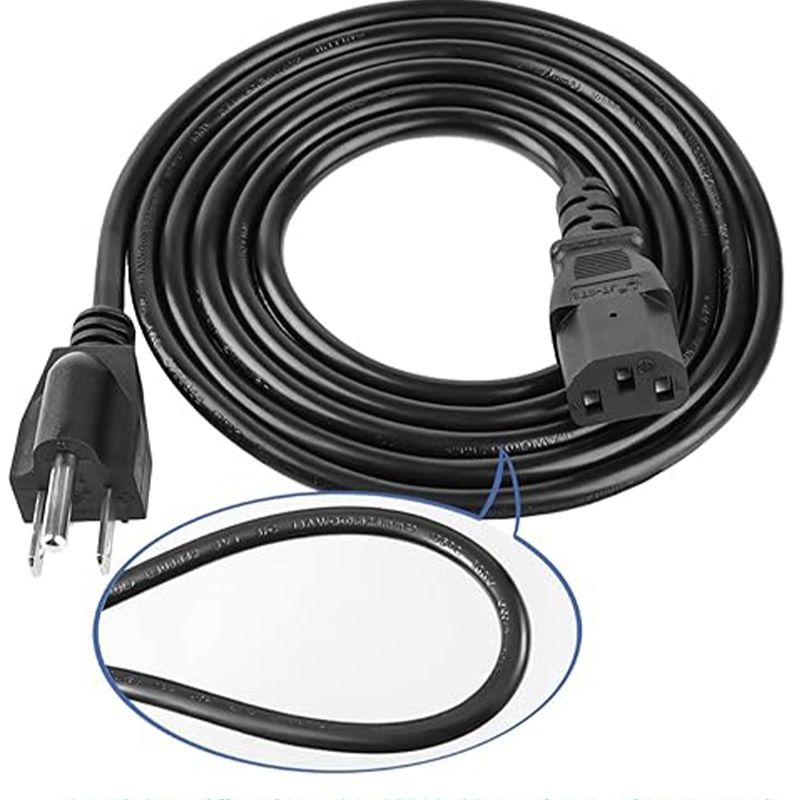
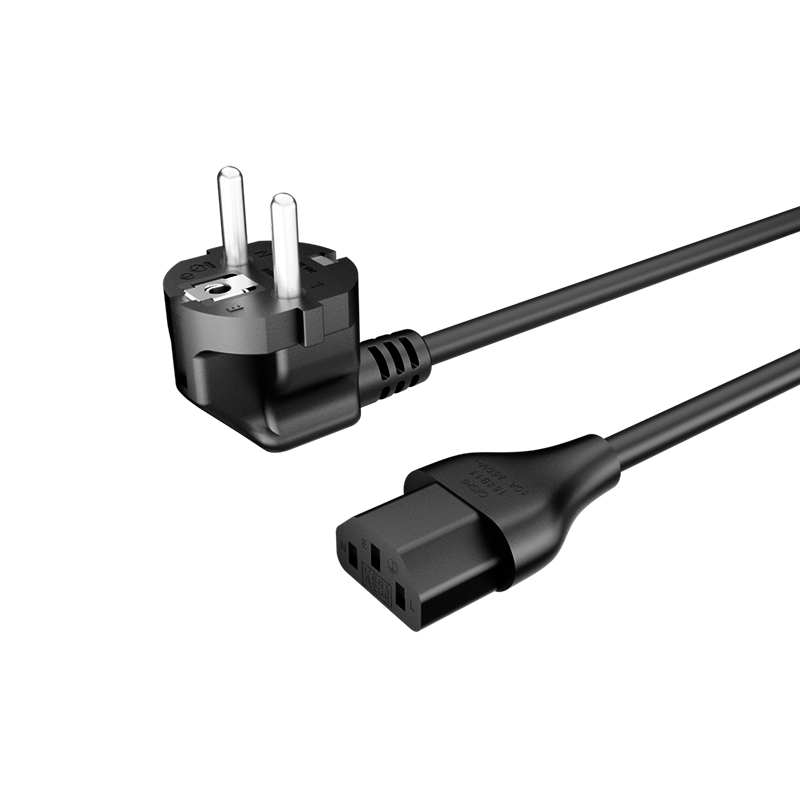
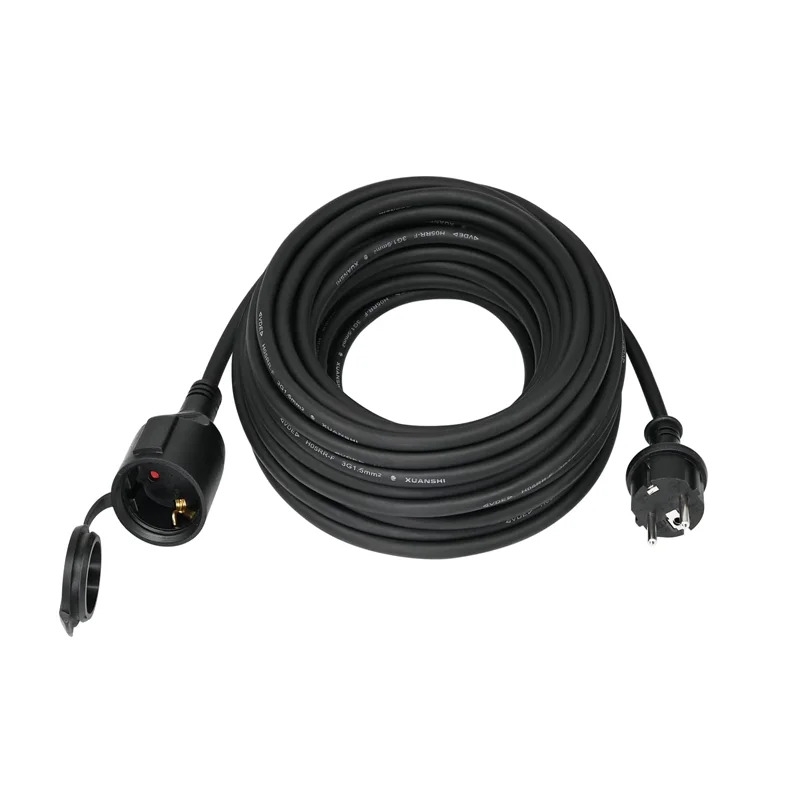
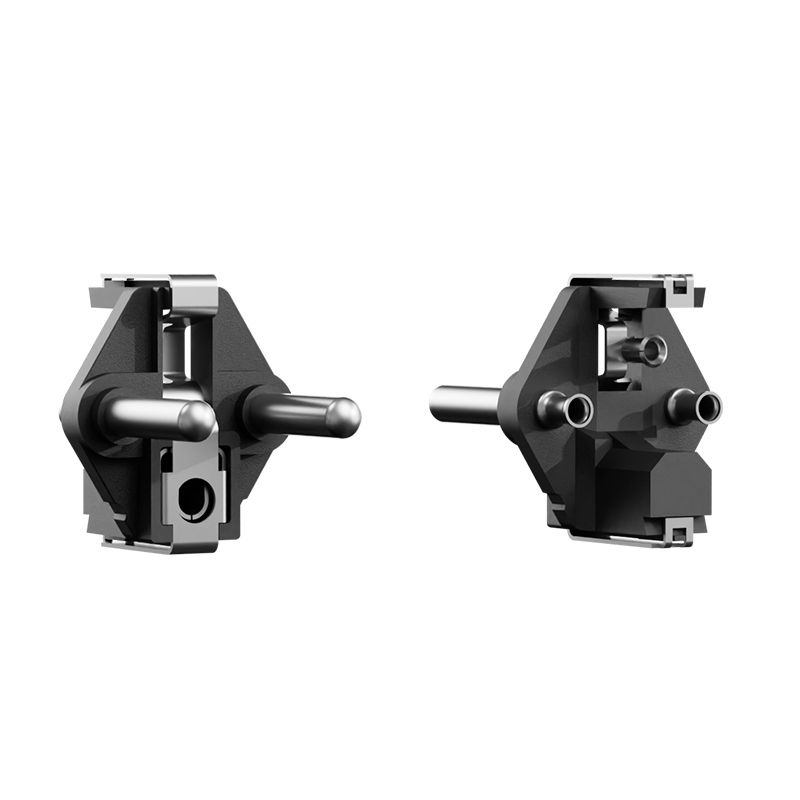
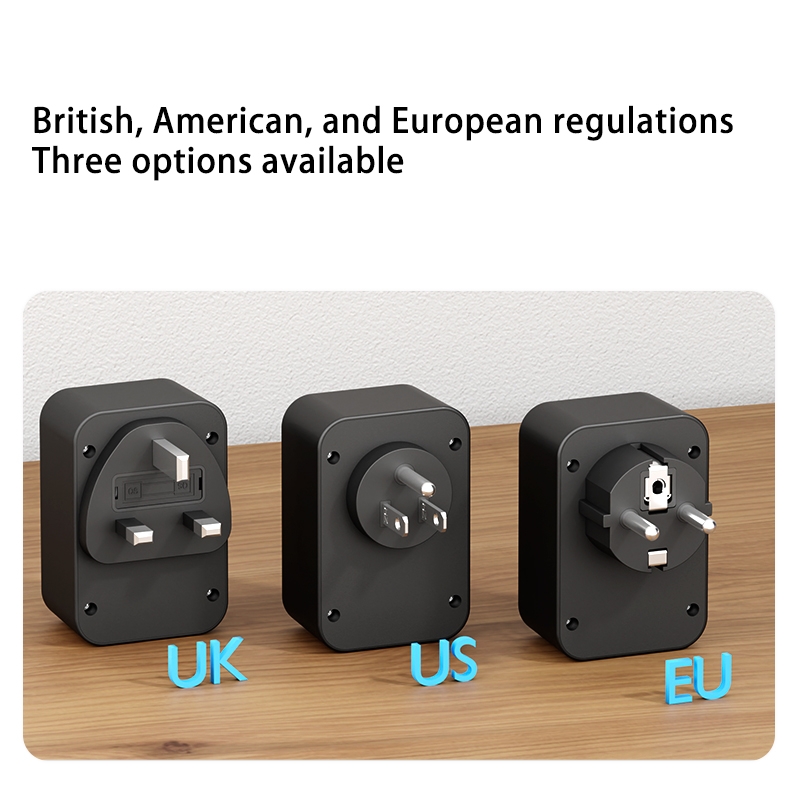
>> Europe – Type C & F (Schuko Plug)
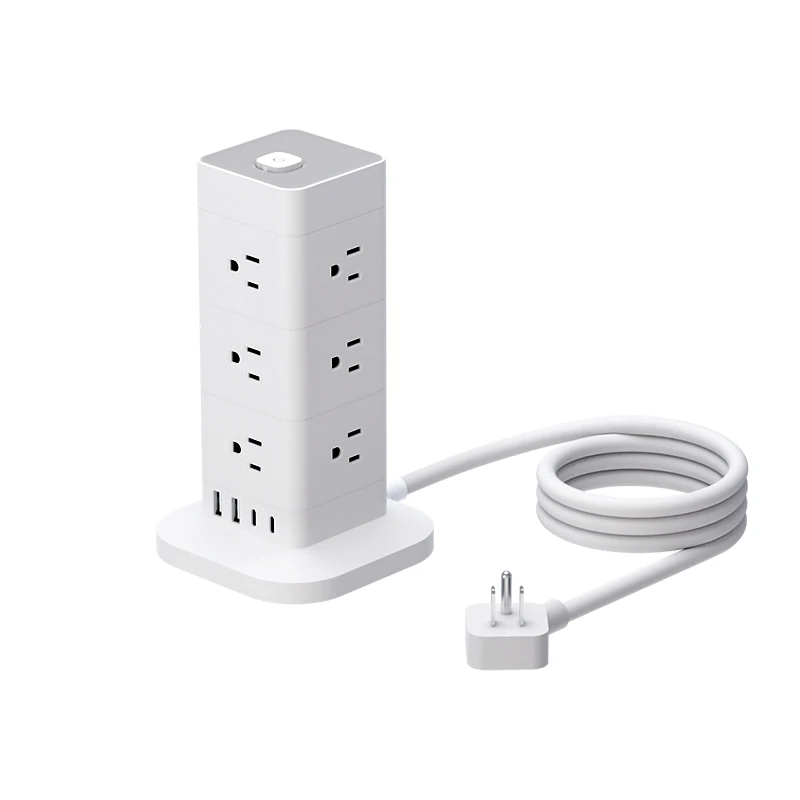
>> USA – Type A & B (NEMA Standards)
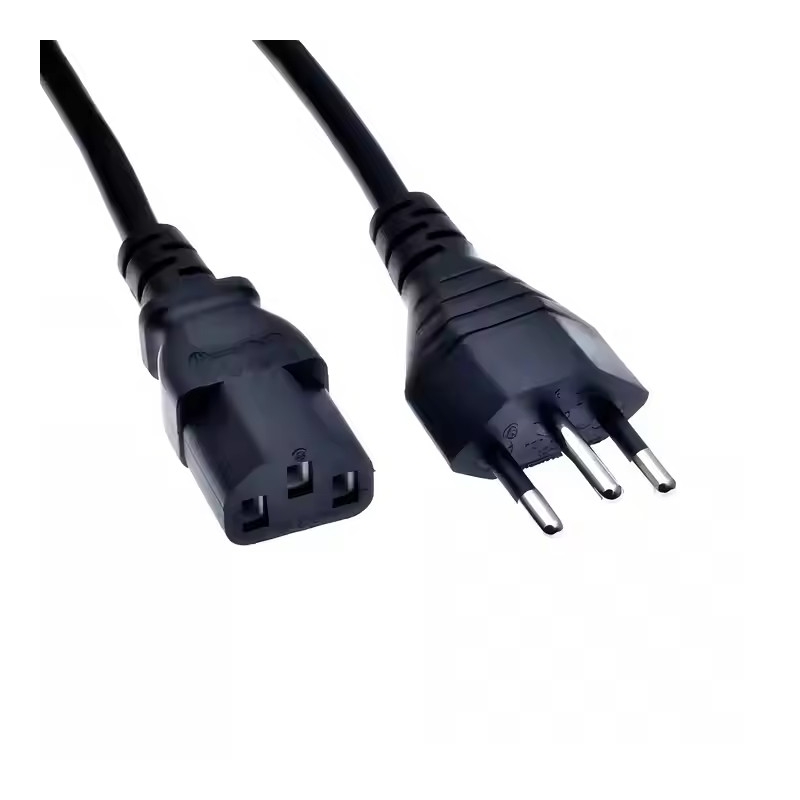
>> India & South Africa – Type D / M / N
● Step 3: Match Plug Type with Device Power Requirements
● Step 4: Check Voltage Compatibility Between Countries
>> Key Risks
● Step 5: Ensure Compliance with International Safety Standards
● Step 6: Avoid Common Mistakes in Power Plug Selection
● Step 7: Optimize Product Strategy for Multiple Markets
>>> 1. Country-Specific Power Cords (Best SEO + Compliance)
>>> 3. Universal Plug Solutions
● Step 8: Choose a Reliable OEM Power Cord Manufacturer
● Step 9: Test and Verify Before Mass Production
● Conclusion: Build Safe and Compliant Global Power Solutions
>> 1. What are the different power plug types worldwide?
>> 2. What is the difference between 120V and 230V?
>> 3. Can I use one power cord for all countries?
>> 4. Do power adapters convert voltage?
>> 5. How do I choose an OEM power cord supplier?
<p>
Introduction: Why Power Plug Standards Matter in Global Trade
When exporting electrical products, choosing the correct power plug standard is critical for ensuring product safety, regulatory compliance, and successful market entry.
Many manufacturers underestimate the complexity of international plug types, socket standards, and voltage differences, leading to certification failures, shipment delays, or even product recalls.
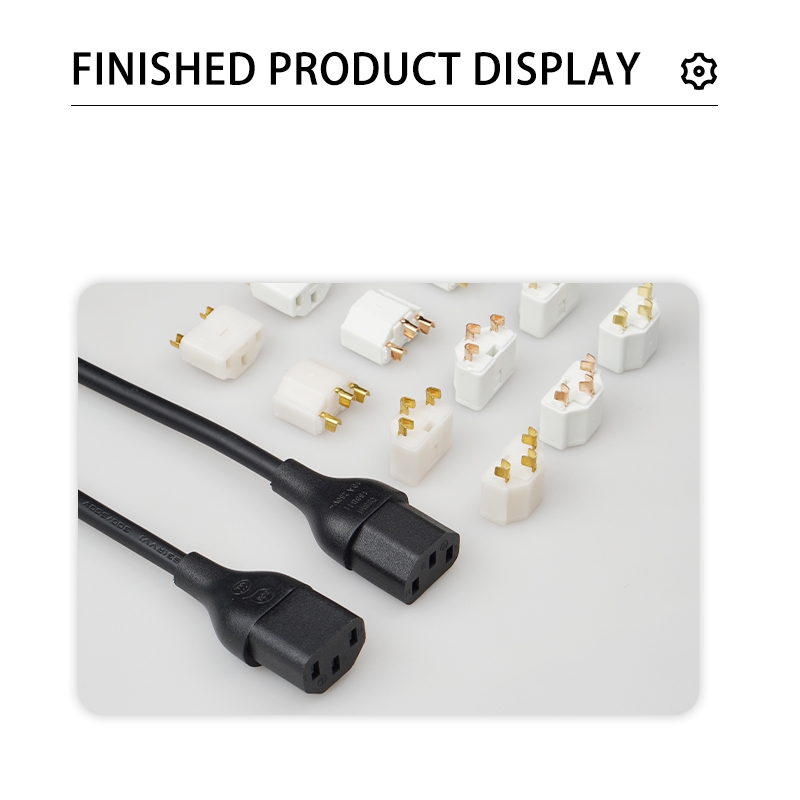
With over 15 years of OEM experience in power cord manufacturing, plug inserts, and inner brackets, we've helped global brands avoid these costly mistakes. In this guide, you'll learn exactly how to choose the right plug type for different countries, while optimizing for safety and compliance.
---
Step 1: Identify Target Market Plug Types and Voltage Requirements
Primary Keywords Used:
power plug standards, plug types by country, voltage by country
Before designing your product, identify:
* Target countries
* Required plug types
* Local voltage and frequency
* Certification requirements
Global Electrical Standards Overview
| Region | Plug Type | Voltage | Frequency |
|---|---|---|---|
| United States | Type A / B | 120V | 60Hz |
| Europe | Type C / F (Schuko) | 230V | 50Hz |
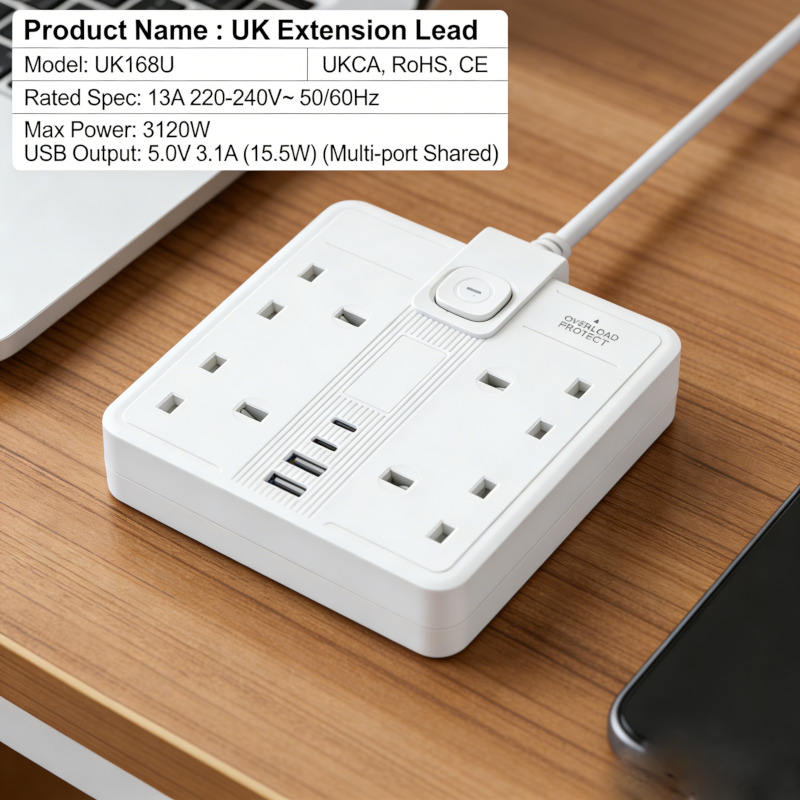
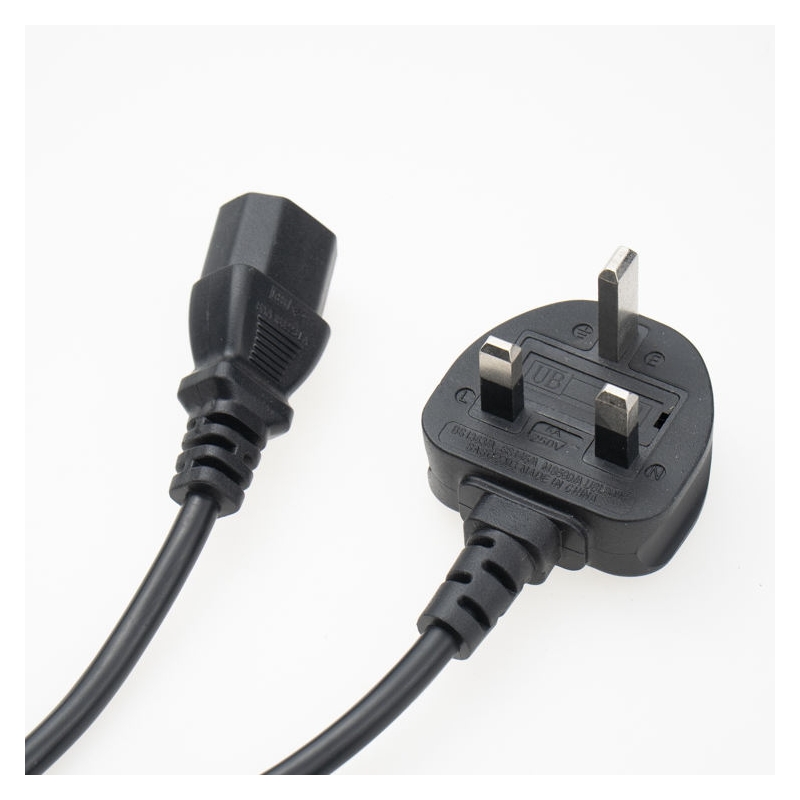
| United Kingdom | Type G | 230V | 50Hz |
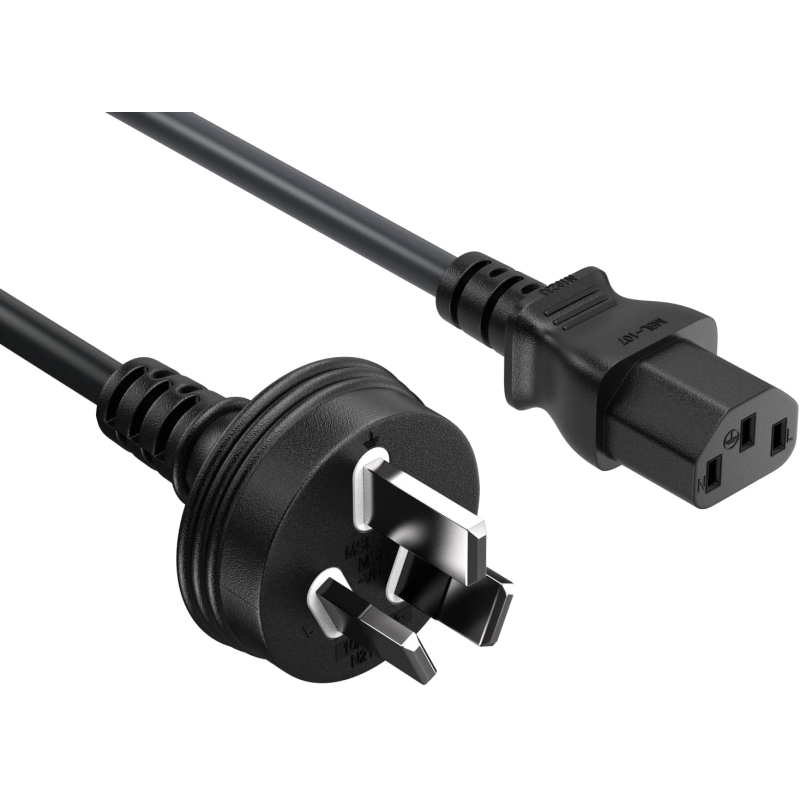
| Australia | Type I | 230V | 50Hz |
| India | Type D / M | 230V | 50Hz |
| South Africa | Type M / N | 230V | 50Hz |