

European Power Cord Guide: IEC 60320, Schuko Plug & VDE OEM Selection
Content Menu
● Why European Power Cords Differ from North American Ones
● Common European Plug Types and Compatibility
● IEC 60320 Connectors: The Appliance-Side Standard
● Selecting the Best Power Cord for Your Appliance
● Cable Sizing by Power Demand
● Safety Standards and Certifications
● Expert Insights: Common Pitfalls and Real-World Case Studies
● How to Test and Maintain Your European Power Cords
● Travel and Cross-Compatibility Tips
● Future Trends in European Power Solutions
● FAQ
As an electrical engineer with over 15 years of experience designing and certifying power solutions for global appliance manufacturers, I've seen firsthand how the right European appliance power cord can mean the difference between reliable performance and costly failures—or worse, safety hazards. Whether you're an importer, retailer, homeowner replacing a cord, or traveler navigating Europe's diverse outlets, understanding EU power cords, Schuko plugs, IEC 60320 connectors, and related standards is essential.
Europe's power infrastructure operates on 230V/50Hz, with currents up to 16A. This guide integrates proven industry knowledge, fills common knowledge gaps, and provides actionable insights to help you choose, use, and maintain European power cords confidently.
Why European Power Cords Differ from North American Ones
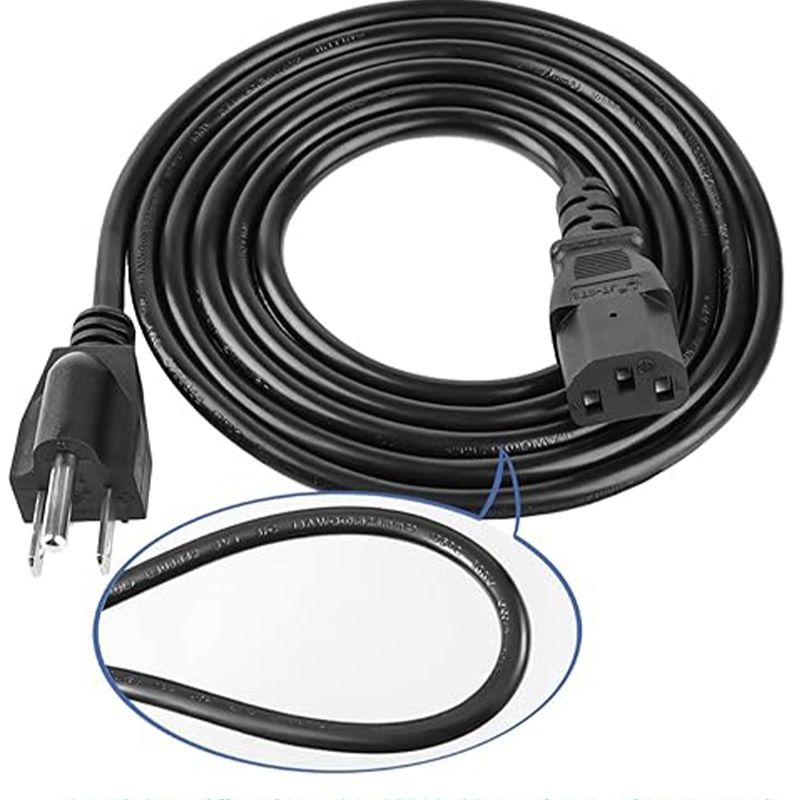
European systems prioritize higher voltage and robust grounding, unlike North America's 120V/60Hz setup. This results in lower current for the same power, allowing thinner yet highly insulated wires, but demands superior voltage withstand and non-polarized designs in many cases.
Key distinctions:
- Voltage & Frequency: 230V/50Hz (±10%) vs. 120V/60Hz.
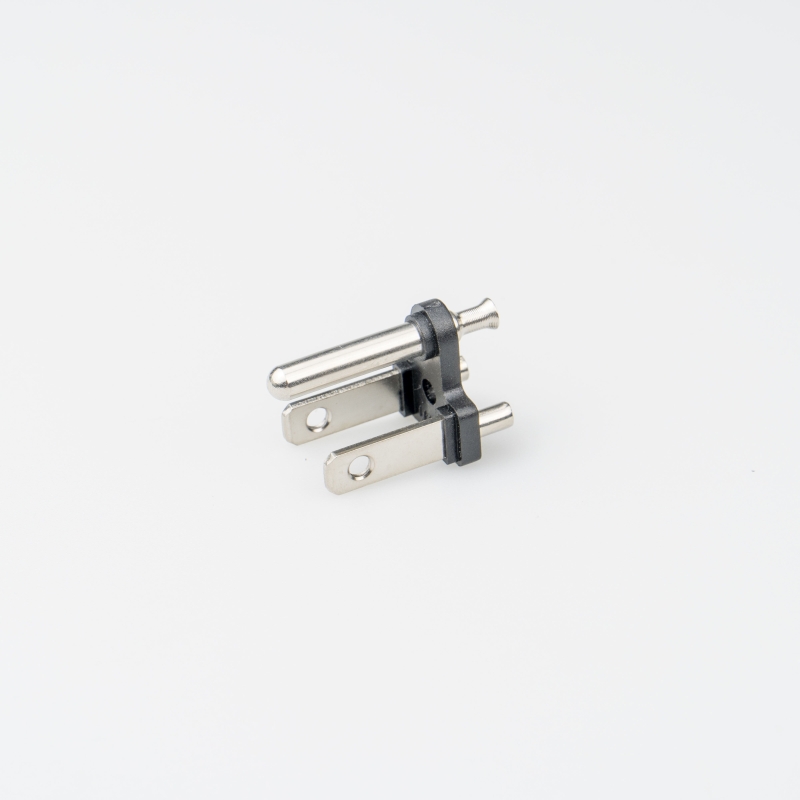
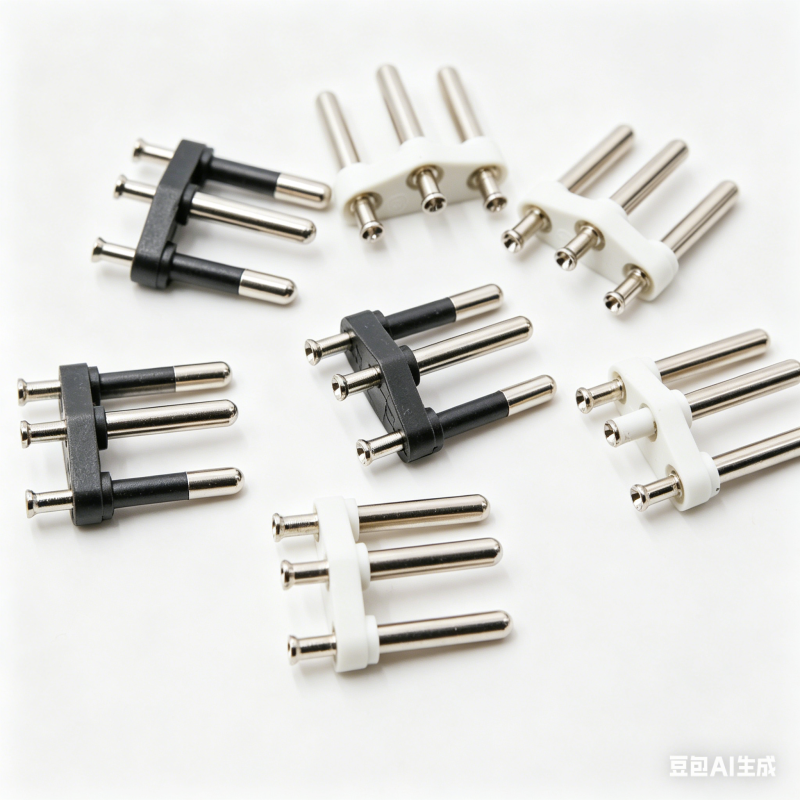
- Plug Design: Round pins (typically 4.0–4.8mm, 19mm spacing) with side or pin grounding vs. flat polarized blades.
- Ratings: Schuko up to 16A/250V vs. NEMA 15A/125V.
- Safety Marks: VDE, ENEC, CE (where applicable) vs. UL//ETL.
Direct incompatibility requires adapters or replacement cords for cross-continental use. Always verify your appliance's voltage rating (ideally 100-240V 50/60Hz for universal compatibility).
Common European Plug Types and Compatibility

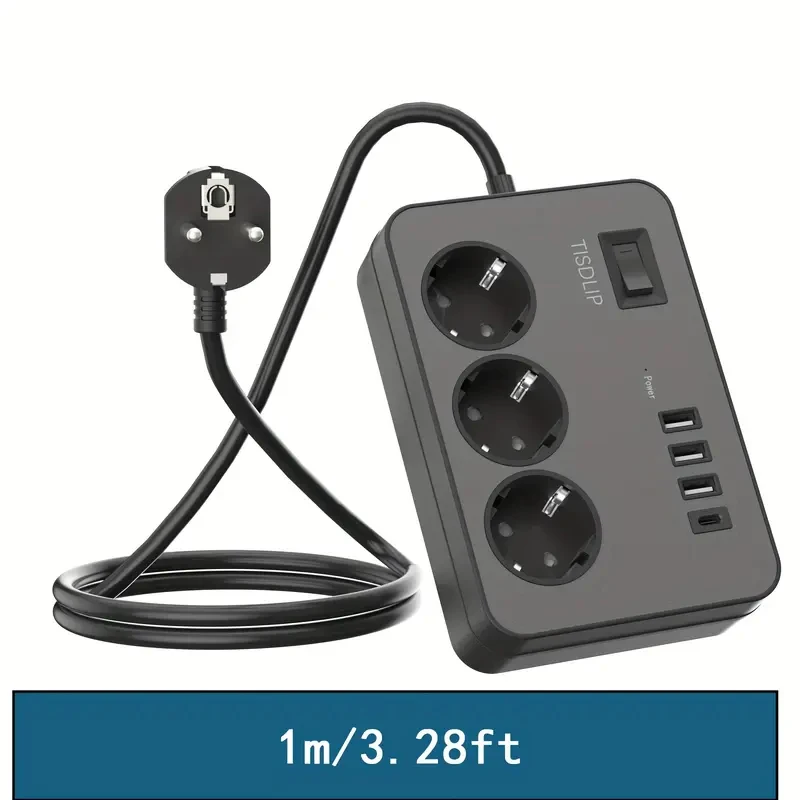
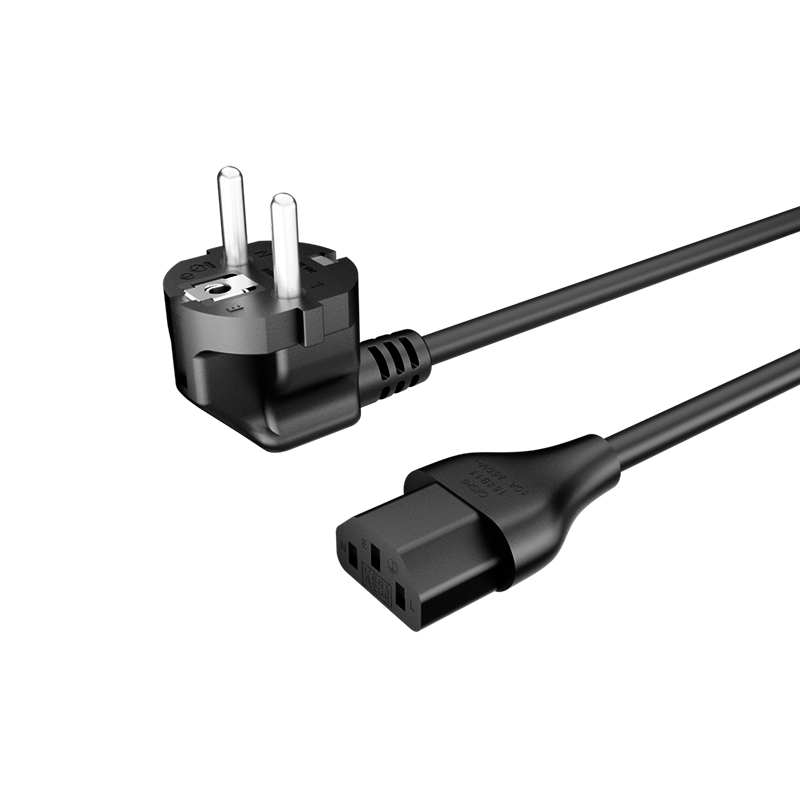
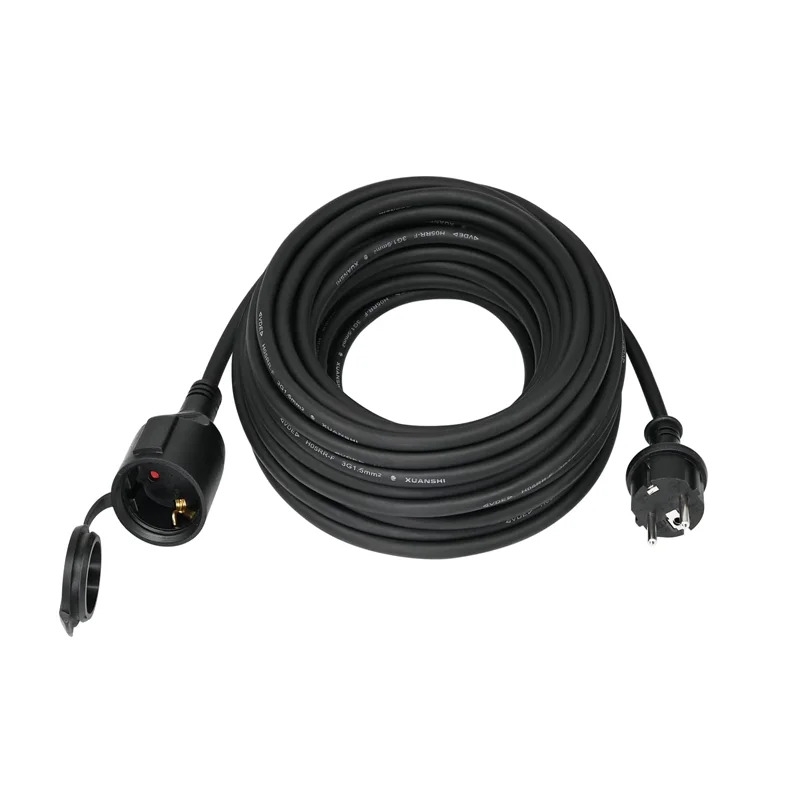
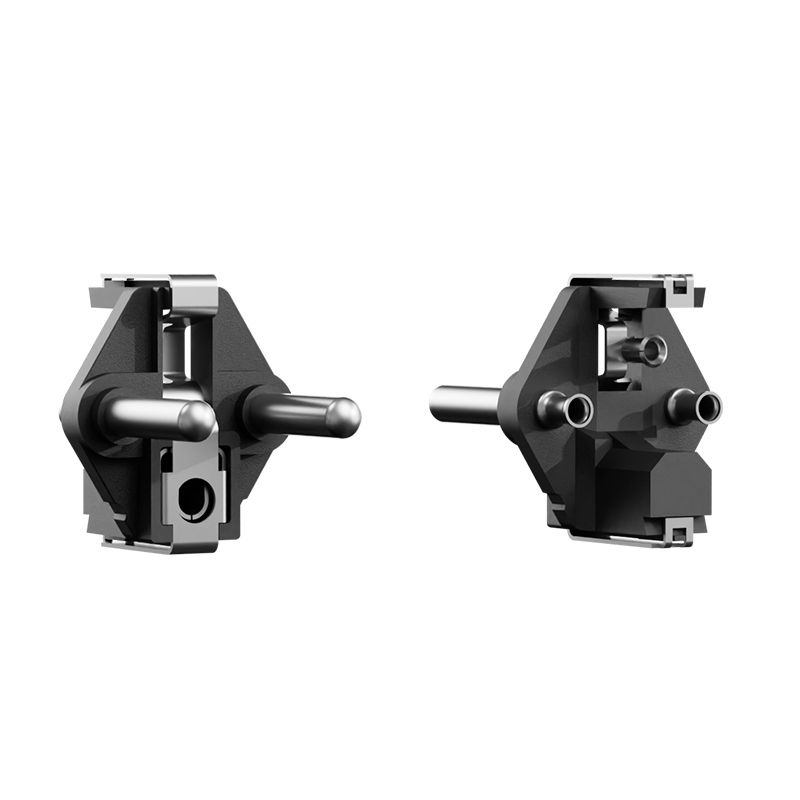
Schuko power cord (Type F, CEE 7/4 & 7/7) dominates much of continental Europe. It features two round pins and side grounding clips, rated 16A. The CEE 7/7 "hybrid quot; variant adds a female earth contact for French (Type E) sockets, making it the most versatile for new appliances.
Europlug (Type C, CEE 7/16): Ungrounded, 2.5A max, ideal for low-power Class II devices like chargers or lamps. It fits most European sockets but offers no grounding.
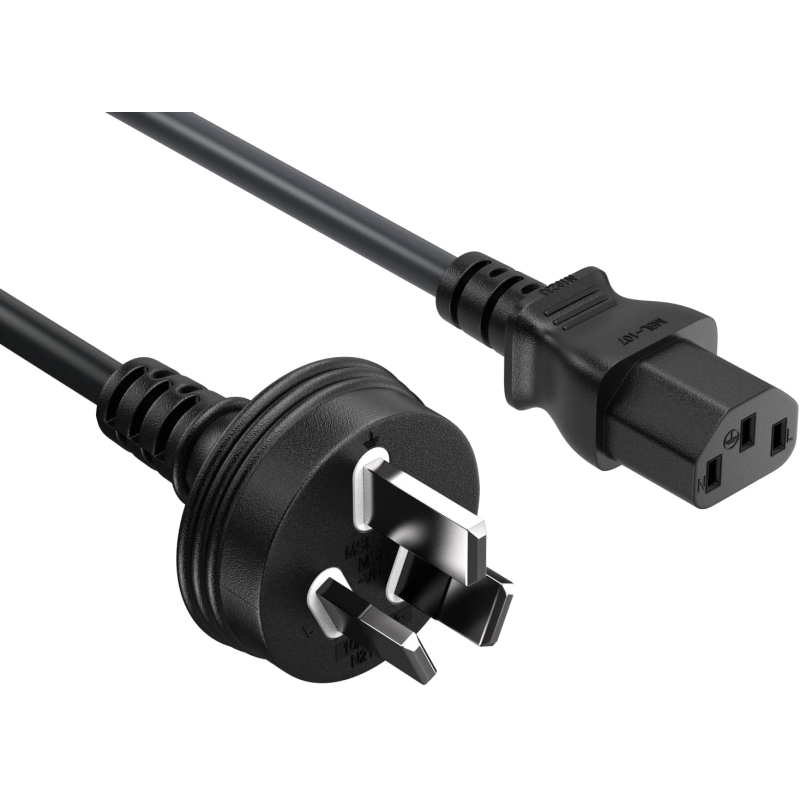
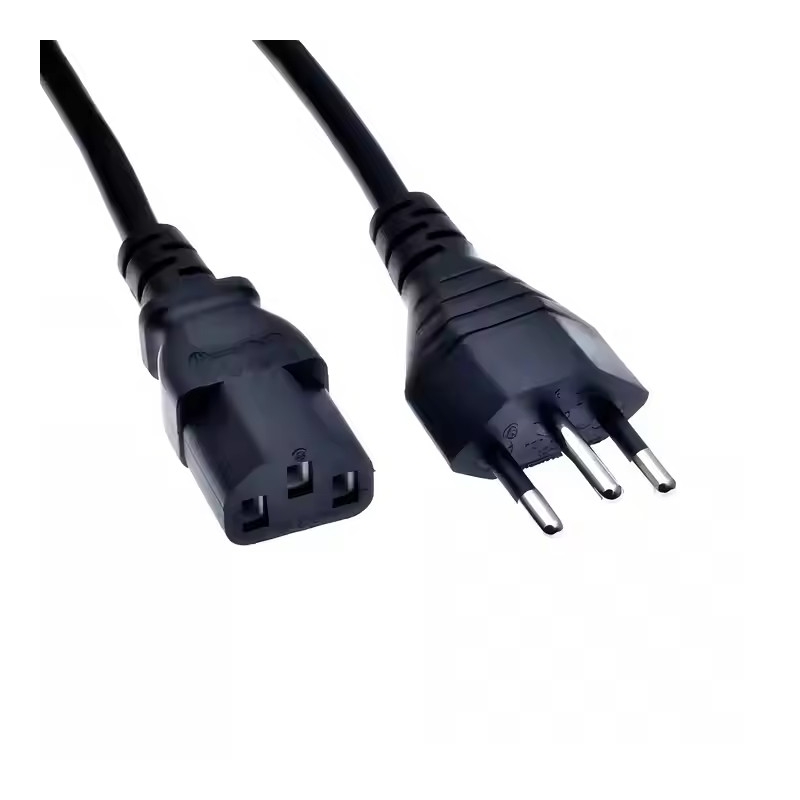
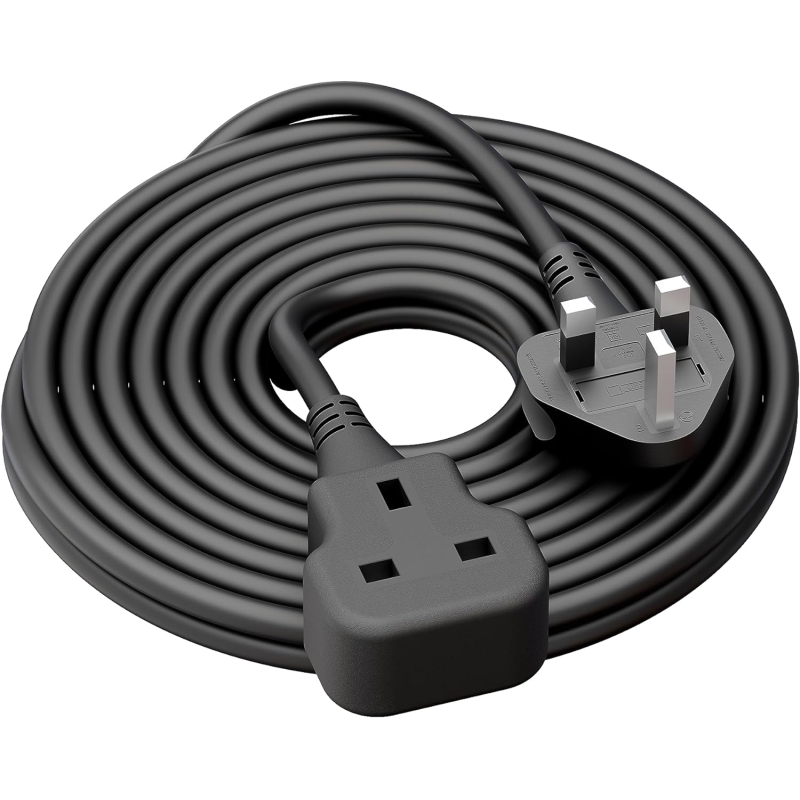
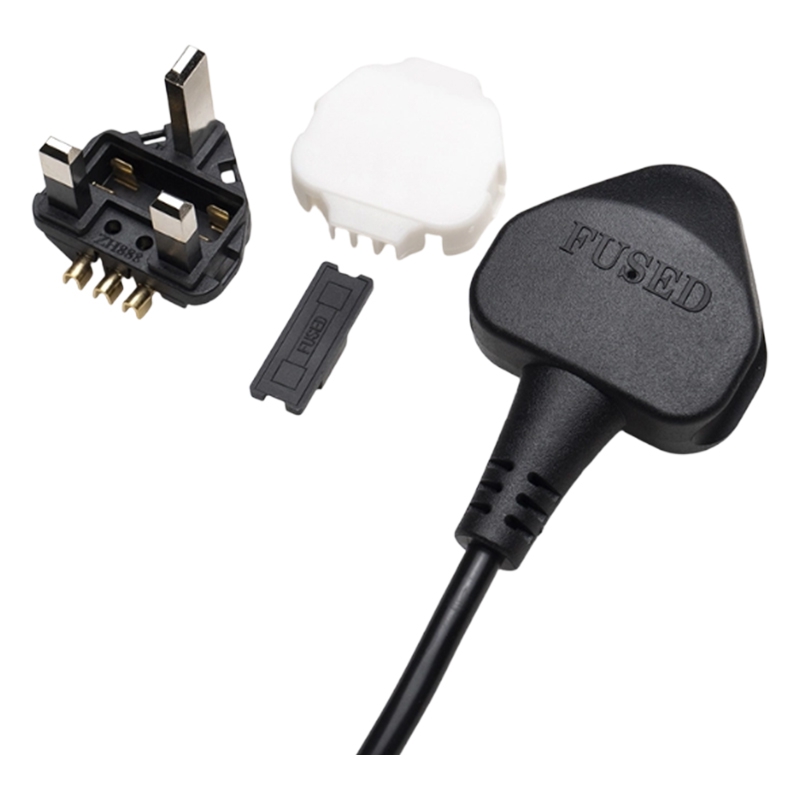
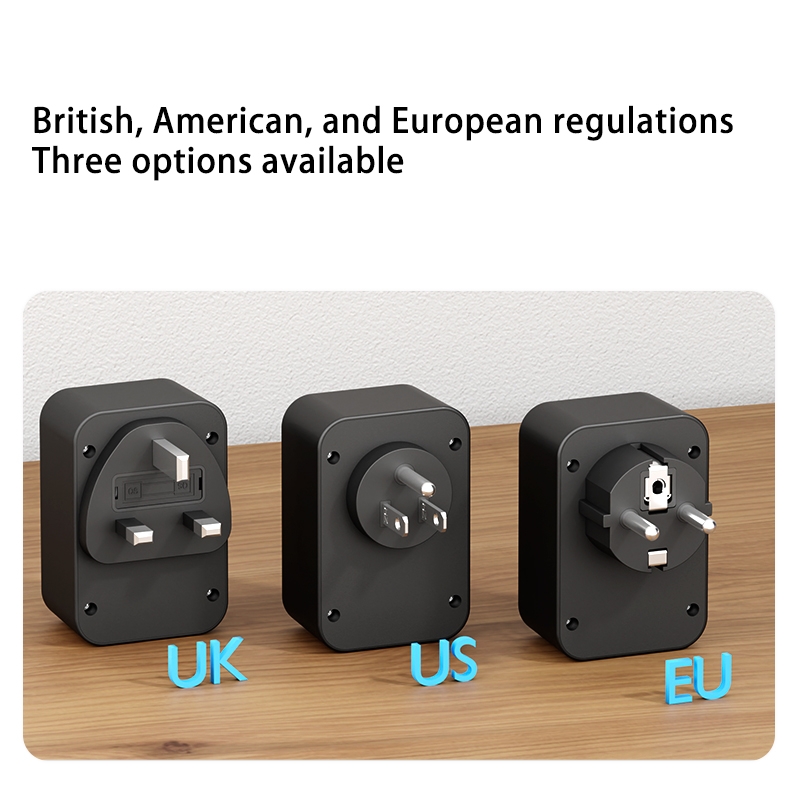
Other notable types include UK (Type G), Italy (L), Switzerland (J), and Denmark (K)—often requiring dedicated adapters.
Pro Tip: For pan-European exports, prioritize CEE 7/7 Schuko plugs paired with IEC connectors.
IEC 60320 power cord Connectors: The Appliance-Side Standard
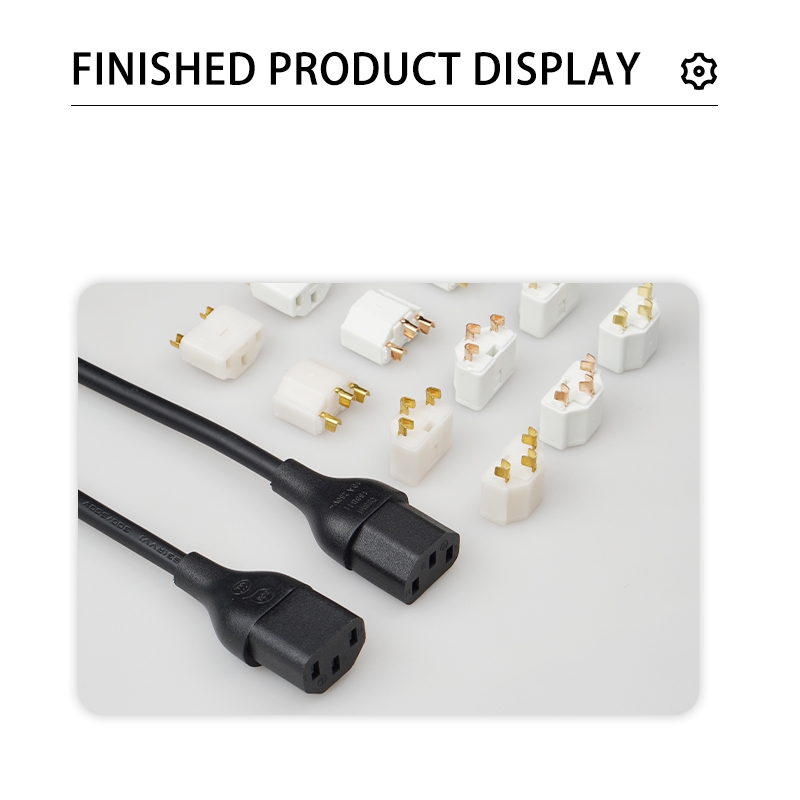
IEC 60320 standardizes detachable cords, enabling manufacturers to ship one appliance worldwide and swap only the country-specific cord.
Popular options:
- C7 (Figure-8) power cord: For small Class II devices, up to 2.5A (higher in some NA ratings).
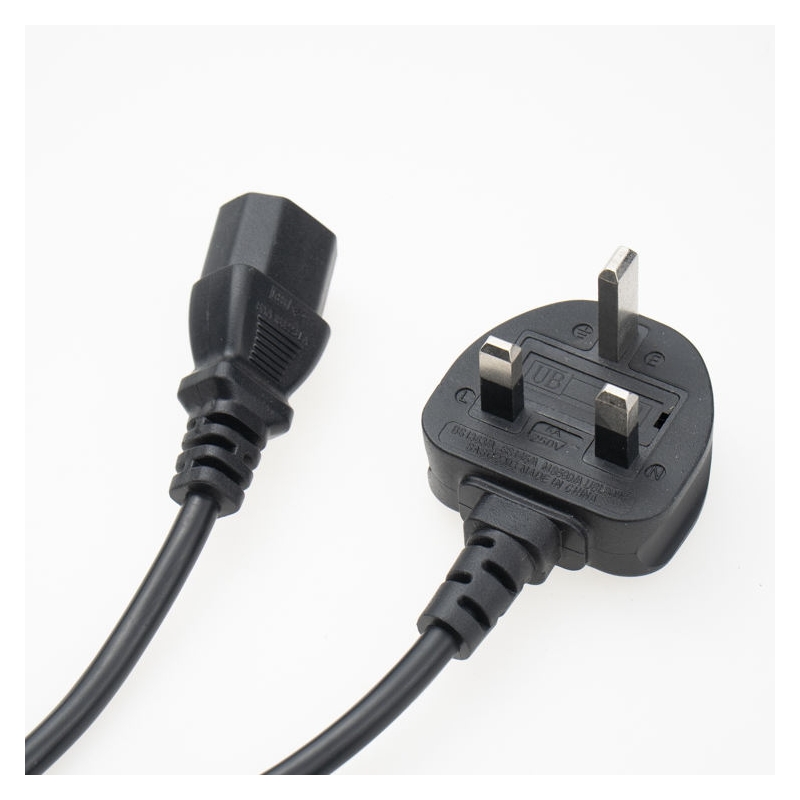
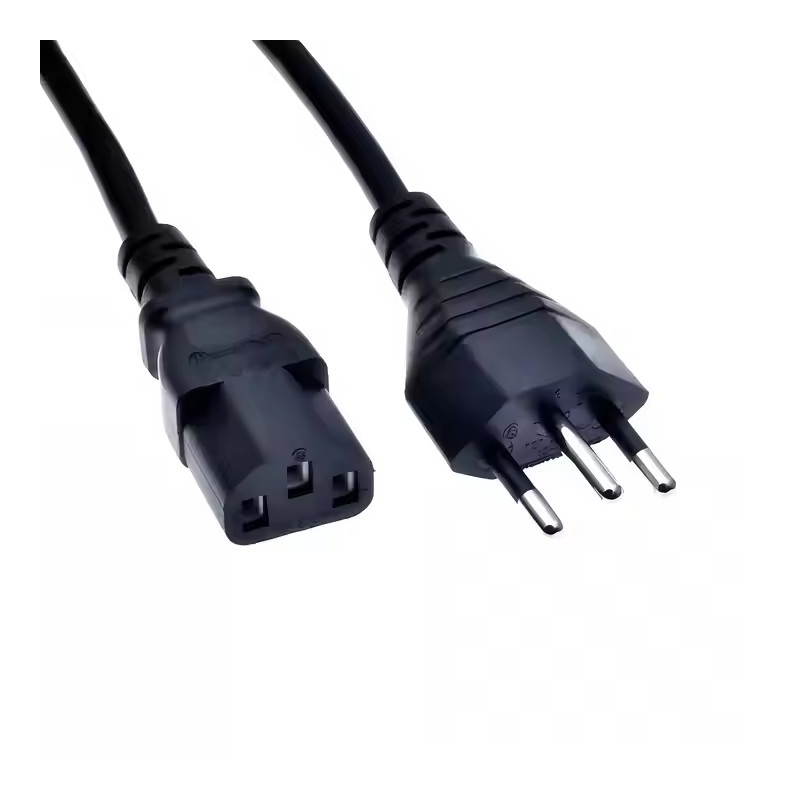
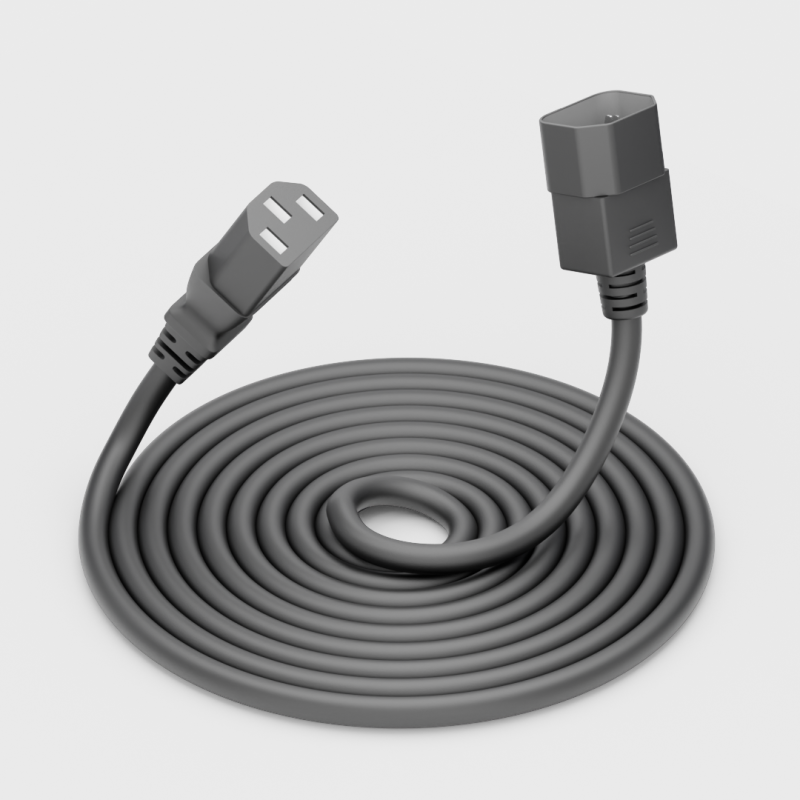
- C13 power cord (Kettle/Computer): Most common for PCs, monitors; 10A typical.
- C19: High-power (16A) for servers or heavy appliances.
These ensure safe mating with matching inlets based on current, temperature, and earthing class.
Selecting the Best Power Cord for Your Appliance
Match cord specs to appliance needs:
| Appliance Type | Recommended Plug | IEC Connector | Min. Conductor | Max Current |
|---|---|---|---|---|
| Low-power (lamps, chargers) | CEE 7/16 | C7 | 0.5 mm² | 2.5A |
| Medium (PCs, monitors) | CEE 7/7 Schuko | C13 | 0.75–1.0 mm² | 10A |
| High-power (washers, ovens) | CEE 7/7 Schuko | C19 or hardwired | 1.5 mm² | 16A |
Cable standards (HAR harmonized):
- H03VV-F/H03VVH2-F: Light duty, low power.
- H05VV-F: Standard PVC, 70°C.
- H07RN-F: Rubber, flexible, higher temp.
Choose VDE or ENEC certified products for assured safety and market access.
Cable Sizing by Power Demand
Selecting the correct conductor size (cross-sectional area) is essential for safety, performance, and compliance. Undersized cables can overheat, while oversized ones are unnecessarily expensive and stiff. The following guidelines are based on European standards (EN 50525 / IEC) for typical 230V single-phase appliances.
Recommended Sizing Chart
≤ 500W (~2.2A): 0.5 mm² conductor, 2.5A-rated cord (H03VV-F or H03VVH2-F). Suitable for lamps, chargers, and small Class II devices.
500–1500W (~2.2–6.5A): 0.75–1.0 mm², 6–10A-rated cord (H05VV-F). Ideal for computers, monitors, printers, and audio equipment.
1500–2500W (~6.5–11A): 1.0 mm², 10–13A-rated cord (H05VV-F). Common for coffee machines, small heaters, and medium appliances.
2500–3680W (up to 16A): 1.5 mm², 16A-rated cord (H05VV-F or H07RN-F). Required for washing machines, ovens, air conditioners, and high-power tools.
Key Factors to Consider
Cable Length and Voltage Drop: For runs longer than 3–5 meters, consider upsizing the conductor to minimize voltage drop (especially important for motor-driven appliances).
Environment and Installation: Use PVC (H05VV) for normal indoor dry areas. Choose more flexible rubber-sheathed cables (H07RN-F) for outdoor use, cold environments, or frequent movement.
Safety Margin: Always select a cord rated at or above the appliance’s maximum current draw. Add 20–25% headroom for continuous loads or future expansion.
Temperature Rating: Standard cables are rated 70°C. High-temperature applications (e.g., near ovens) may require special variants.
Expert Recommendations
For most household and office appliances, a 0.75 mm² or 1.0 mm² H05VV-F 3× cord with CEE 7/7 Schuko plug and IEC C13 connector offers the best versatility. When in doubt, consult the appliance’s nameplate for rated power or current, then cross-reference with the chart above.
Pro Tip: High-quality manufacturers (such as Volex or Interpower) provide pre-calculated charts and certified assemblies that already account for these factors, saving time and reducing compliance risks.
Proper cable sizing not only ensures safe operation and compliance with EU standards but also extends the lifespan of both the cord and your appliances.
Safety Standards and Certifications for European Appliance Power Cords
European power cords must comply with strict, multi-layered safety standards to prevent fire, electric shock, and other hazards. With over 15 years in appliance certification, I recommend always choosing products with recognized marks.
Core Standards
EN 50525: Governs cable construction, insulation, and mechanical strength (e.g., H05VV-F for standard PVC, H07RN-F for flexible rubber).
IEC/EN 60320: Defines appliance connectors (C7, C13, C19) including current, temperature, and earthing requirements.
Low Voltage Directive (LVD 2014/35/EU): Ensures overall electrical safety across the EU.
Key tests include the Glow-Wire Test for fire resistance, grounding precedence, insulation withstand voltage, and mechanical durability (insertion/pull/flex cycles).
Important Certification Marks
ENEC: Allows free circulation across European countries after independent testing.
VDE: One of the most rigorous certifications, especially valued in Germany and for premium products.
Legitimate cords display clear markings on the cable sheath with specifications and approval numbers.
Recent Developments (2024–2026)
EU ecodesign rules (Regulation 2025/2052) focus on higher efficiency, lower standby power, and USB-C standardization for many devices (laptops by April 2026). Sustainability and supply chain transparency are also increasing priorities.
Practical Tips
Prioritize VDE + ENEC certified cords for high-power appliances (>1500W).
Always match the cord’s current rating to the device and verify grounding on Class I equipment.
Avoid unmarked or suspiciously cheap products—they often compromise on insulation and pin quality.
Expert Note: A quality certified power cord is a small investment that prevents major safety risks and reduces long-term costs.
Expert Insights: Common Pitfalls and Real-World Case Studies
In my consulting work, encountered issues like using ungrounded cords on Class I metal-cased appliances, leading to shock risks, or mismatched lengths causing excessive voltage drop in high-draw setups.
Case Study: A German appliance exporter switched to CEE 7/7 cords with VDE certification. Returns dropped 40% due to better multi-country compatibility, and ENEC approval sped up market entry in France and Eastern Europe.
Another Example: A hotel chain in mixed E/F regions standardized on hybrid Schuko cords, reducing guest adapter complaints and maintenance costs.
How to Test and Maintain Your European Power Cords
1. Visual Inspection: Check for cracks, discoloration, or bent pins.
2. Ground Continuity: Use a multimeter to verify earth path.
3. Heat Check: Feel for excessive warmth during use (>60°C signals issues).
4. Flex Test: Gently bend to detect internal breaks.
Maintenance Best Practices:
- Pull by the plug body, not the cord.
- Use figure-eight coiling for storage.
- Keep away from heat, moisture, and sharp edges.
- Replace immediately if damaged.
Travel and Cross-Compatibility Tips
For travelers: Wide-voltage devices (100-240V) need only a plug adapter. Others require transformers. In the US, European cords won fit without conversion, and voltage mismatch risks damage.
UK/Ireland Exception: Type G requires specific adapters.
Future Trends in European Power Solutions
With the EU Common Charger Directive, USB-C is becoming ubiquitous (laptops by April 2026). Expect more emphasis on sustainability, recyclable materials, and smart cords with monitoring.
Call to Action
Ready to upgrade or source reliable European appliance power cords? Consult certified suppliers like Volex or Interpower, verify markings, and prioritize ENEC/VDE approval. For custom needs or bulk procurement, contact a specialist to ensure compliance and performance.
References:
- IEC World Plugs: https://www.iec.ch/world-plugs
- IEC 60320 Wikipedia & Standard: https://en.wikipedia.org/wiki/IEC_60320
- Interpower & Manufacturer Guides: https://blog.interpower.com
- EU Low Voltage Directive & Ecodesign: europa.eu sources
- VDE/ENEC Certification: vde.com
- Original industry docx provided (internal reference, cross-verified with public standards).
FAQ
Q1: What is the difference between CEE 7/7 and CEE 7/16?
CEE 7/7 is a 16A grounded hybrid Schuko plug; CEE 7/16 is a basic 2.5A ungrounded Europlug for low-power devices.
Q2: Can I use a European power cord in the US?
No, due to plug shape and voltage mismatch. Use proper converters or replacement cords.
Q3: How do I choose the right amperage?
Match or exceed your appliance rated current; add margin for safety.
Q4: What does ENEC certification mean?
It confirms compliance with European safety norms, enabling free sale across member countries.
Q5: Are Schuko plugs polarized?
Most European systems are non-polarized, unlike North America.



 Email
Email