

Content Menu
● 1. Deciphering the Technology: What is a Low Lead French/European Plug Insert?
>> 1.1 The Crucial Role of the EU Plug Insert
>> 1.2 Quantifying the Definition of "Low Lead"
● 2. Drivers of Change: Why Europe Mandates Restricted Lead Compliance
>> 2.1 Critical Environmental Frameworks: RoHS and REACH
>> 2.2 Commercial Mitigation: Eradicating Market Supply Blockades
>> 2.3 Supply Chain Optimization for Premium Tier Brands
● 3. Engineering Architecture: Internal Components of an EU Plug Insert
>> 3.1 High-Performance Dielectric Thermoplastic Base
>> 3.2 Low Lead Precision-Machined Solid Brass Contact Pins
>> 3.3 Integrated Internal Wire Terminals
● 4. Advanced Material Metallurgy and Polymer Analytics
>> 4.1 Comprehensive Polymer Evaluation: PBT vs. PP vs. PC
>> 4.2 Precision Metallurgical Control of Brass Alloys
● 5. Technical Comparison: Compliant vs. Standard Inserts
● 6. Inside the Factory: Advanced Manufacturing Architecture
>> 6.1 Strict Inbound Inspection and Spectrometric Auditing
>> 6.2 Automated High-Precision Injection Molding
>> 6.3 Robotic Hardware Integration and Assembly
>> 6.4 End-of-Line Quality Assurance Matrix
● 7. Quality Verification Framework for Procurement Professionals
● 8. Strategic Sourcing Framework: Evaluating High-Capability OEM Partners
● 9. Cross-Industry Applications of Low Lead Plug Components
● 10. Comprehensive Frequently Asked Questions (FAQ)
● Conclusion: Securing Your Global Supply Chain
>> References & Regulatory Framework Sources:
Low Lead EU Plug Insert: Complete Guide to RoHS Compliant Schuko Plug Inserts for European Market
Navigating the complex landscape of regulatory compliance in the European Union (EU) is a primary challenge for modern electrical appliance brands and power cord assemblers. As a veteran plug components manufacturer with 20 years of specialized production experience, we have witnessed a fundamental shift in procurement priorities. Today, a global buyer's concern has evolved far beyond mere unit pricing. Savvy procurement officers constantly evaluate supply chains for strict adherence to environmental directives, mechanical durability, batch-to-batch consistency, and robust chemical validation.
An electrical plug might seem like a simple commodity, but its internal structural core—the EU plug insert or Schuko plug insert—dictates the safety, compliance, and legal status of your entire consumer product. With European custom authorities intensifying field testing for hazardous substances, utilizing standard components is no longer an acceptable business risk. This definitive guide delivers deep, technical insights into why transitioning to a certified low lead EU plug insert or RoHS compliant plug insert is a mandatory strategy to secure your supply chain and protect your brand from costly market recalls.

1. Deciphering the Technology: What is a Low Lead French/European Plug Insert?
To understand why this specific component is critical, one must separate its mechanical utility from its chemical architecture.
1.1 The Crucial Role of the EU Plug Insert
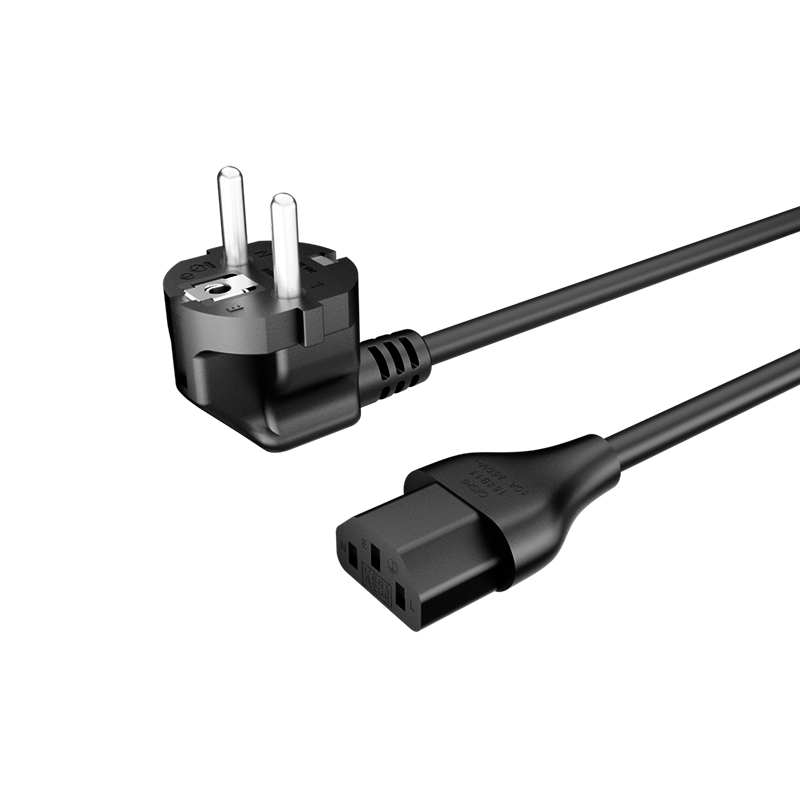
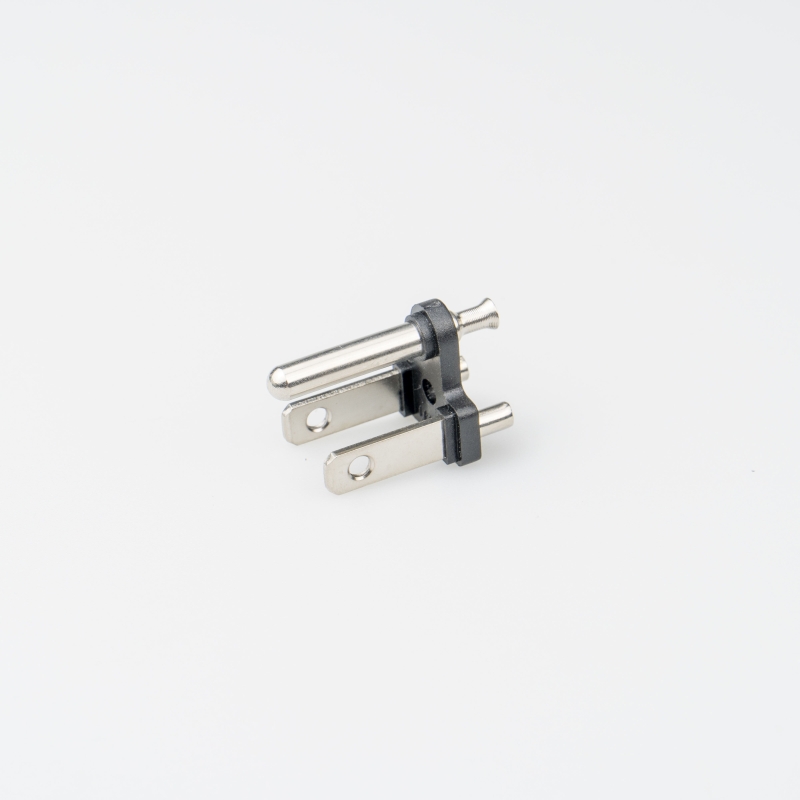
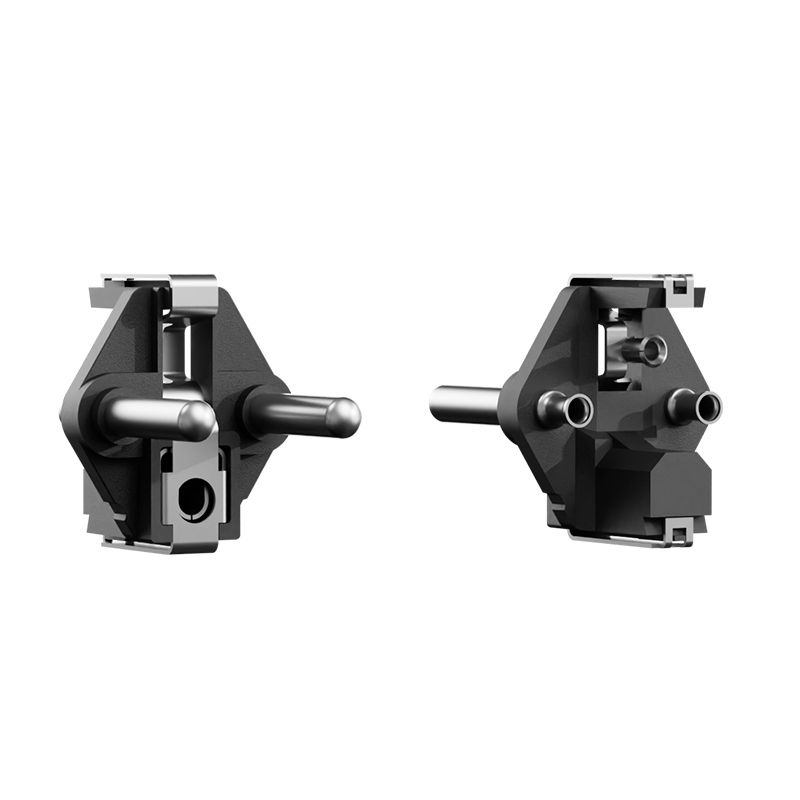
The EU plug insert (commonly engineered to satisfy CEE 7/4 Schuko or CEE 7/7 French standards) functions as the structural skeleton of an electrical power plug. Before the outer PVC or rubber jacket is overmolded, the insert holds the active current-carrying brass pins in a precise geometrical arrangement. Its primary engineering functions include:
Rigid Spatial Alignment: Maintaining the exact pin-to-pin pitch, distance, and protrusion limits defined by standardizing bodies like VDE, NF, and CEBEC.
Electrical Isolation: Acting as a high-dielectric barrier to prevent internal arcing between line, neutral, and grounding conductors.
Thermal & Overmold Shielding: Withstanding temperatures exceeding 200°C and pressures up to 100 bar during the high-pressure plastic injection overmolding phase without exhibiting dimensional creep.
1.2 Quantifying the Definition of "Low Lead"

| Category | No. | Substance Name | Limit Requirements |
| RoHS 1.0 | 1 | Lead (Pb) | 0.1% (1000mg/kg) |
| 2 | Cadmium (Cd) | 0.01% (100mg/kg) | |
| 3 | Hexavalent Chromium ($Cr^{6+}$) | 0.1% (1000mg/kg) | |
| 4 | Mercury (Hg) | 0.1% (1000mg/kg) | |
| 5 | Polybrominated Biphenyls (PBB) | 0.1% (1000mg/kg) | |
| 6 | Polybrominated Diphenyl Ethers (PBDE) | 0.1% (1000mg/kg) | |
| RoHS 2.0 | 7 | Diisobutyl Phthalate (DIBP) | 0.1% (1000mg/kg) |
| 8 | Bis(2-ethylhexyl) Phthalate (DEHP) | 0.1% (1000mg/kg) | |
| 9 | Dibutyl Phthalate (DBP) | 0.1% (1000mg/kg) | |
| 10 | Benzyl Butyl Phthalate (BBP) | 0.1% (1000mg/kg) |
In traditional metallurgical manufacturing, lead (Pb) is added to copper-zinc alloys (brass) in concentrations ranging up to 4% to improve machineability, reduce tool wear, and enhance high-speed drilling performance. However, under modern environmental frameworks, a low lead plug component restricts the total lead content by weight inside the brass substrate.
Specifically, "low lead" indicates compliance with the rigid 0.1% (1000 ppm) threshold, or utilizing specific legal exemptions (such as the historically referenced RoHS Exemption 6c, which permitted up to 4% lead in copper alloys but faces tightening reviews). True industry-leading lead-free plug components push this concentration below 100 ppm, utilizing advanced brass formulas paired with precision synthetic polymers to guarantee absolute chemical safety without compromising electrical conductivity.
2. Drivers of Change: Why Europe Mandates Restricted Lead Compliance
The transition toward low-lead alternatives is not optional; it is dictated by an aggressive legislative environment across EU member states.
2.1 Critical Environmental Frameworks: RoHS and REACH
The European market is strictly governed by twin environmental directives that eliminate toxic chemicals from consumer goods:
RoHS Directive (2011/65/EU and Amendment 2015/863): Restricts ten hazardous substances, specifically targeting heavy metals: Lead (Pb), Mercury (Hg), Cadmium (Cd), and Hexavalent Chromium (Cr6+). Violations trigger immediate criminal liabilities and massive financial penalties for importers.
REACH Regulation (EC No 1907/2006): Identifies Substances of Very High Concern (SVHC). Lead metal is firmly anchored on the SVHC candidate list. If an imported component contains more than 0.1% w/w of an SVHC, it triggers mandatory declaration duties via the EU's SCIP database, complicating logistical chains and alarming retail consumers.
2.2 Commercial Mitigation: Eradicating Market Supply Blockades
Using non-compliant plug components poses catastrophic business liabilities. European custom bureaus deploy handheld X-ray fluorescence (XRF) spectrometers during routine border inspections. If a batch of imported power cords or household appliances is discovered utilizing non-compliant, high-lead brass pins or uncertified plastic stabilizers, the penalties are swift: immediate border seizures, public listing on the Safety Gate (formerly RAPEX) alert system, forced product destruction, and irreversible brand degradation.
2.3 Supply Chain Optimization for Premium Tier Brands
Global original equipment manufacturers (OEMs) and household retail brands require exhaustive material transparency from their vendors. Suppliers must provide dynamic, fully traceable Material Declaration Sheets (MDS) alongside validated Full Material Disclosures (FMD). Implementing certified low-lead inserts ensures that your products seamlessly integrate into the clean green supply chains required by tier-one buyers.
3. Engineering Architecture: Internal Components of an EU Plug Insert
An engineered Schuko plug insert consists of three meticulously coupled systems, each designed to balance structural, chemical, and electrical performance.

3.1 High-Performance Dielectric Thermoplastic Base
The plastic bridge constitutes the structural chassis. It positions the brass contact elements at precise absolute geometric coordinates. This element requires highly specialized polymers capable of passing VDE glow-wire flammability index (GWFI) testing at 850°C and tracking resistance tests (CTI ≥ 250V).
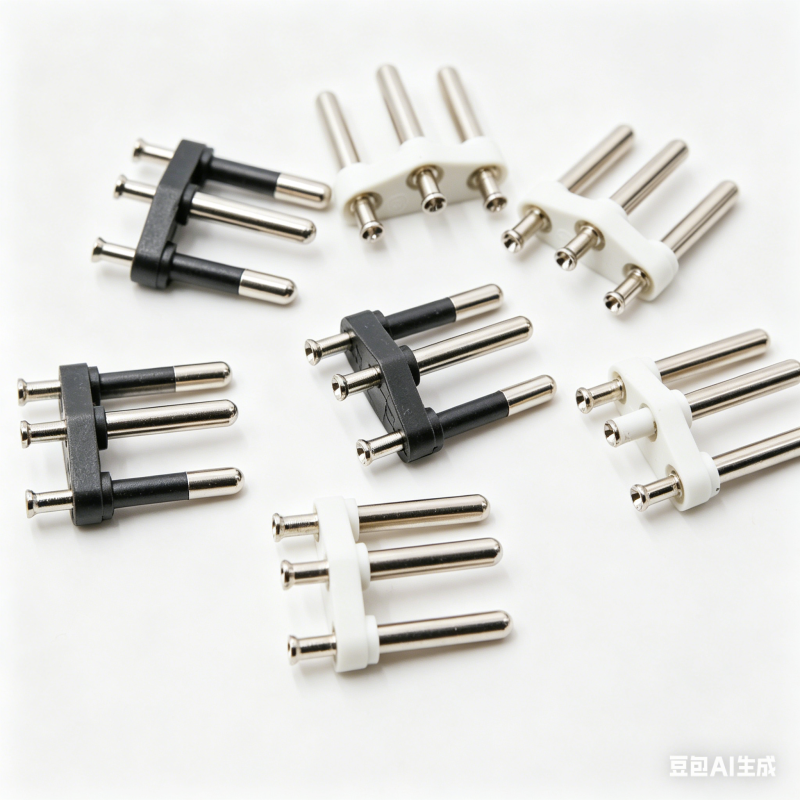
3.2 Low Lead Precision-Machined Solid Brass Contact Pins
The pins are the primary current conduction path. They must possess exceptional tensile strength to withstand thousands of insertion cycles without bending, paired with optimal electrical conductivity to prevent localized heat dissipation (temperature rise must remain under 45K at full rated load, typically 16A/250V AC).
3.3 Integrated Internal Wire Terminals
The rear of the insert features specialized crimping or screw-clamp connection zones where copper conductors are permanently terminated. These terminals must facilitate ultra-low contact resistance to minimize voltage drops and ensure long-term thermal stability during intense operations.
4. Advanced Material Metallurgy and Polymer Analytics
Achieving regulatory compliance while preserving performance demands highly specialized raw material selections.
4.1 Comprehensive Polymer Evaluation: PBT vs. PP vs. PC
The choice of plastic resin determines the appropriate application tier and overall reliability of the finished plug component:
Polybutylene Terephthalate (PBT): The premium choice for high-amperage applications. PBT offers exceptional dimensional stability, high heat deflection temperatures (HDT), and inherently superior resistance to hydrocarbons and chemicals. It is the mandatory polymer for heavy industrial or high-end kitchen appliances.
Polypropylene (PP): An economical, highly ductile option. While PP provides excellent moisture resistance and chemical isolation, its lower thermal threshold limits its application to light-duty consumer electronics or short-run extension cords.
Polycarbonate (PC): Known for outstanding mechanical impact resistance and transparency options. However, its susceptibility to environmental stress cracking under high-pressure overmolding requires careful processing controls.
4.2 Precision Metallurgical Control of Brass Alloys
To eliminate lead without compromising the structural integrity of the contact pins, advanced manufacturers utilize specialized alternative brass alloys, such as bismuth-alloyed or silicon-alloyed copper matrices. The table below details how strict component tracing separates compliant elements from non-compliant alternatives.
5. Technical Comparison: Compliant vs. Standard Inserts
| Evaluation Parameter | Standard Plug Inserts (Non-Compliant / Low Grade) | Certified Low Lead EU Plug Inserts |
|---|---|---|
| Lead (Pb) Concentration | Uncontrolled (Frequently exceeds 3.5% to 5.0% by weight) | Strictly < 0.1% (1000 ppm) or fully Lead-Free (<100 ppm) |
| Plastic Resin Formulation | Recycled resins with unknown lead/cadmium stabilizers | 100% Virgin PBT/PP/PC; certified halogen-free flame retardant |
| European Customs Risk Profile | High risk of border impoundment and safety gate recalls | Zero risk; backed by verified legal declarations and clear testing data |
| Glow Wire Testing Profile | Often fails or yields irregular, inconsistent results | Passes 750°C GWIT and 850°C GWFI protocols continuously |
| Traceability System | No batch tracking; ambiguous material origin logs | Full traceability from heat number to finished shipment lot |
6. Inside the Factory: Advanced Manufacturing Architecture
Maintaining batch-to-batch consistency over large-scale production runs requires an engineered, systematic approach to manufacturing.
6.1 Strict Inbound Inspection and Spectrometric Auditing
Before any production begins, all raw brass rod stocks and polymer resins undergo a thorough inbound quarantine validation. Every alloy lot is subjected to an explicit chemical composition breakdown using stationary Optical Emission Spectrometers (OES) or calibrated XRF Analyzer Guns. This guarantees that no high-lead material accidentally enters the production environment.
6.2 Automated High-Precision Injection Molding
The production relies on state-of-the-art vertical or horizontal closed-loop injection molding machinery. Critical processing metrics—including melt temperature profiles, injection pressure hold times, and mold cooling temperatures—are continuously tracked via localized digital dashboards. This level of control eliminates internal micro-voids, flashes, and structural stress points that could compromise the component's integrity.
6.3 Robotic Hardware Integration and Assembly
High-speed, automated assembly matrices position and stake the low-lead brass contact pins directly into the molded plastic bridges. Automated optical inspection (AOI) systems use multi-angle cameras to verify dimensional accuracy down to the micrometer level. Any part showing a misalignment or variance in pin protrusion is automatically rejected by the system.
6.4 End-of-Line Quality Assurance Matrix
The finalized production batches undergo strict testing protocols before shipment release:
Continuous Dielectric Withstand Voltage Testing: Ensuring no electrical breakdown occurs at 2000V AC for 60 consecutive seconds.
Mechanical Extraction Verification: Ensuring the embedded brass contacts can easily resist axial displacement forces exceeding 100 Newtons.
7. Quality Verification Framework for Procurement Professionals
When reviewing suppliers, quality assurance teams should mandate the presentation of the following validation records:
Third-Party Analytical Reports: Authentic, verifiable documentation from internationally accredited testing bodies such as SGS, TÜV Rheinland, or Intertek. These must be updated annually.
Mechanical Stress Life-Cycle Data: Verified test summaries confirming that the assembly maintains safe structural tolerances after being subjected to a standard 10,000-cycle mechanical plug insertion/extraction matrix.
Advanced Electrical Insulation Testing: Documented evidence verifying that the insulation resistance between interconnected metal sections consistently exceeds 5 Megohms when tested with a 500V DC megohmmeter.
8. Strategic Sourcing Framework: Evaluating High-Capability OEM Partners
A reliable component supplier must possess deep technical expertise alongside comprehensive engineering capabilities:
In-House Tooling and Mold Engineering: A premium Schuko plug insert manufacturer must be capable of engineering, modifying, and repairing high-precision multi-cavity injection molds in-house. This capability ensures fast turnaround times for custom structural geometries or modified strain-relief features.
Comprehensive OEM/ODM Support: Look for partners that offer full engineering customization, including custom branding placement, unique terminal layouts, and custom pin lengths tailored for specialized industrial appliances.
Total Quality Management Frameworks: The production site must operate under a fully implemented and audited ISO 9001:2015 quality management system, ensuring full procedural documentation and complete batch traceability.
9. Cross-Industry Applications of Low Lead Plug Components
Certified low-lead European inserts are vital across a wide range of consumer and industrial product categories:
Smart Household Appliances: Critical for refrigerators, washing machines, and ovens where high operational currents require robust thermal management.
High-End Consumer Electronics: Essential for computers, gaming systems, and home entertainment setups to satisfy strict retail compliance audits.
Industrial Power Distribution: Ideal for heavy-duty extension cord sets, server racks, and portable power tools operating under harsh conditions.
Medical Equipment Systems: Crucial for diagnostic instrumentation where chemical safety regulations and structural reliability are paramount.
10. Comprehensive Frequently Asked Questions (FAQ)
Q1: What exactly defines a low lead EU plug insert under current European standards?
A1: A low lead EU plug insert utilizes brass pins and metallic components engineered to limit lead (Pb) content below 0.1% (1000 ppm) by weight, or operates within the strict parameters of RoHS exemption allowances, ensuring compliance with REACH and RoHS environmental directives.
Q2: Can standard XRF scanning tools accurately verify RoHS compliance on the factory floor?
A2: Handheld XRF spectrometers are excellent tools for rapid initial screening on the shop floor. However, for true regulatory validation and legal disputes, precise destructive testing methods—such as Inductively Coupled Plasma Optical Emission Spectrometry (ICP-OES)—are required to accurately measure trace elements down to parts per million (ppm).
Q3: How does reducing lead affect the machining and performance of the brass pins?
A3: Lowering the lead content makes the raw brass harder and more difficult to machine, which can increase cutting tool wear. To overcome this, advanced manufacturers use specialized CNC machinery equipped with diamond-coated tooling and alternative alloy formulas (incorporating bismuth or silicon) to ensure clean machining while maintaining excellent electrical conductivity.
Q4: Why do European buyers demand certified low-lead components over generic versions?
A4: European importers face severe legal liabilities, including automatic customs rejections, expensive product recalls, and substantial compliance fines if products fail environmental audits. Using certified low-lead inserts eliminates these risks, protects brand reputation, and ensures smooth customs clearance.
Q5: What documentation should a buyer request to confirm the validity of a low-lead component?
A5: Importers should always demand comprehensive, unedited third-party test reports from accredited laboratories (such as SGS or TÜV) that reference current RoHS substance limits, alongside explicit REACH SVHC declarations and ISO 9001 factory production certificates.
Conclusion: Securing Your Global Supply Chain
In the highly competitive international electrical market, regulatory compliance is a fundamental requirement for business continuity. Partnering with a specialized supplier that offers 20 years of manufacturing experience gives your brand a clear competitive edge. We deliver high-precision, fully certified low lead EU plug inserts designed to meet the rigorous quality demands of the European market. Contact our engineering team today to review your product specifications, request comprehensive material test reports, or schedule a custom OEM/ODM consultation for your next production run.
References & Regulatory Framework Sources:
European Chemicals Agency (ECHA). (2026). Candidate List of Substances of Very High Concern for Authorisation (Lead SVHC Profile). https://echa.europa.eu/candidate-list-table
European Parliament and Council. (2011). Directive 2011/65/EU on the restriction of the use of certain hazardous substances in electrical and electronic equipment (RoHS). https://eur-lex.europa.eu/legal-content/EN/TXT/?uri=CELEX:32011L0065
VDE Association for Electrical, Electronic & Information Technologies. (2025). Testing and Certification Guidelines for Plugs and Sockets. https://www.vde.com/en/institute/services/testing-and-certification
European Commission. (2026). Safety Gate: The EU Rapid Alert System for Dangerous Non-Food Products. https://ec.europa.eu/consumers/consumers_safety/safety_products/rapex/alerts/
International Electrotechnical Commission. (2024). IEC 60884-1: Plugs and socket-outlets for household and similar purposes. https://webstore.iec.ch/



 Email
Email