
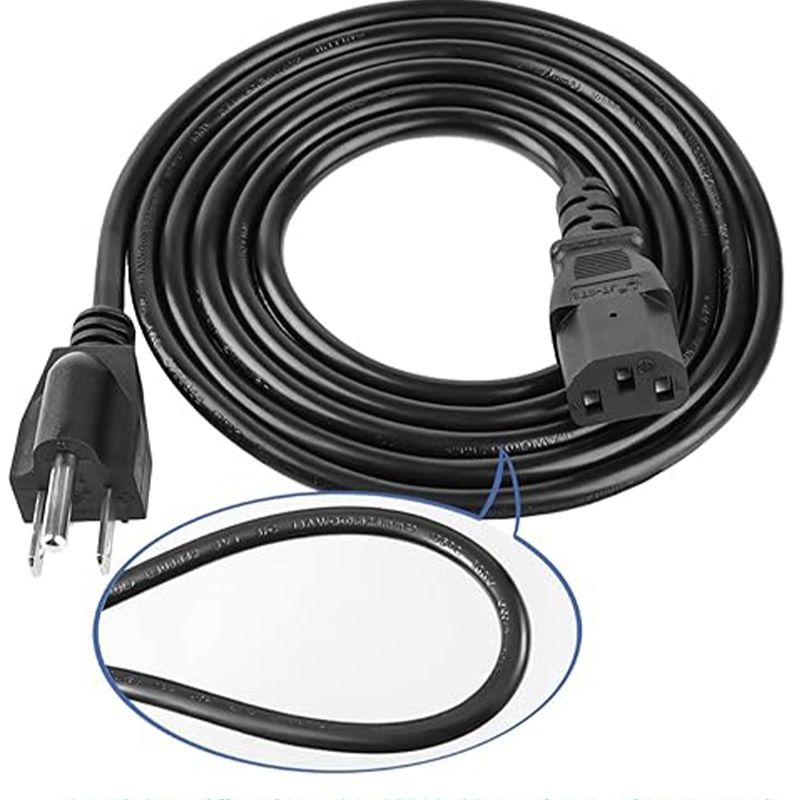
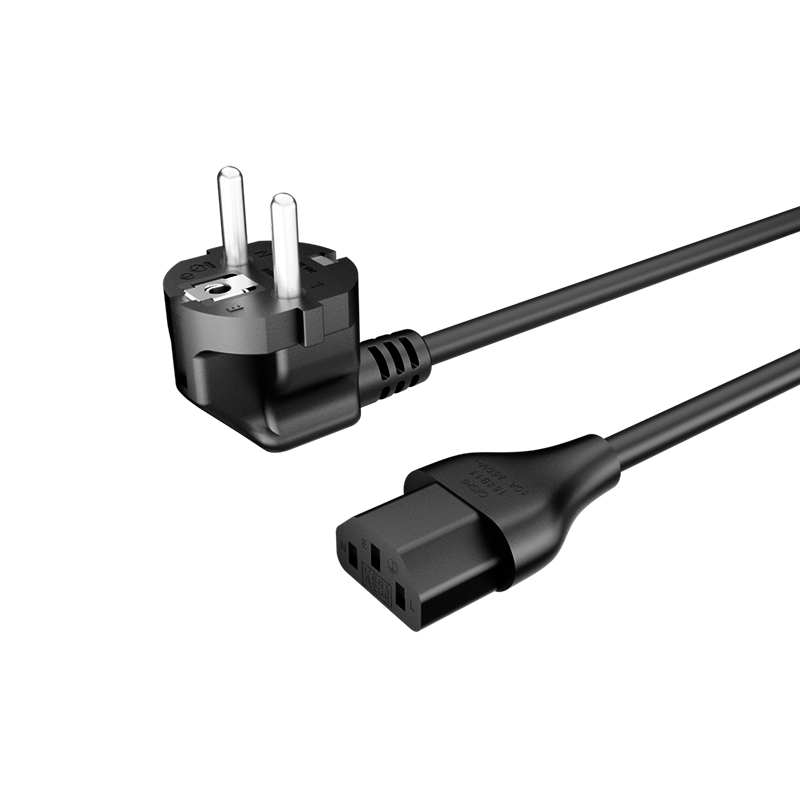
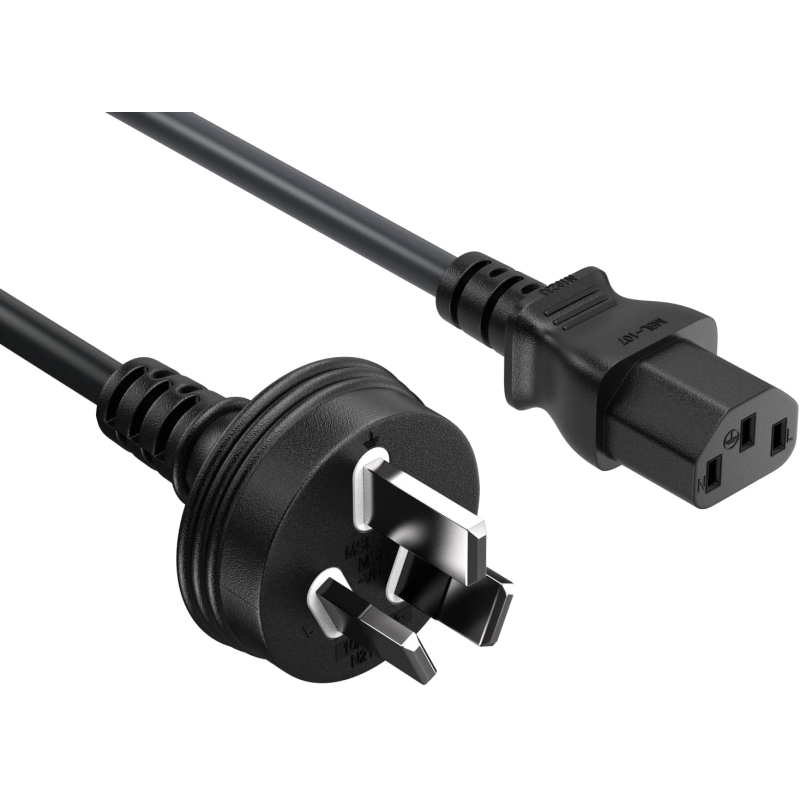
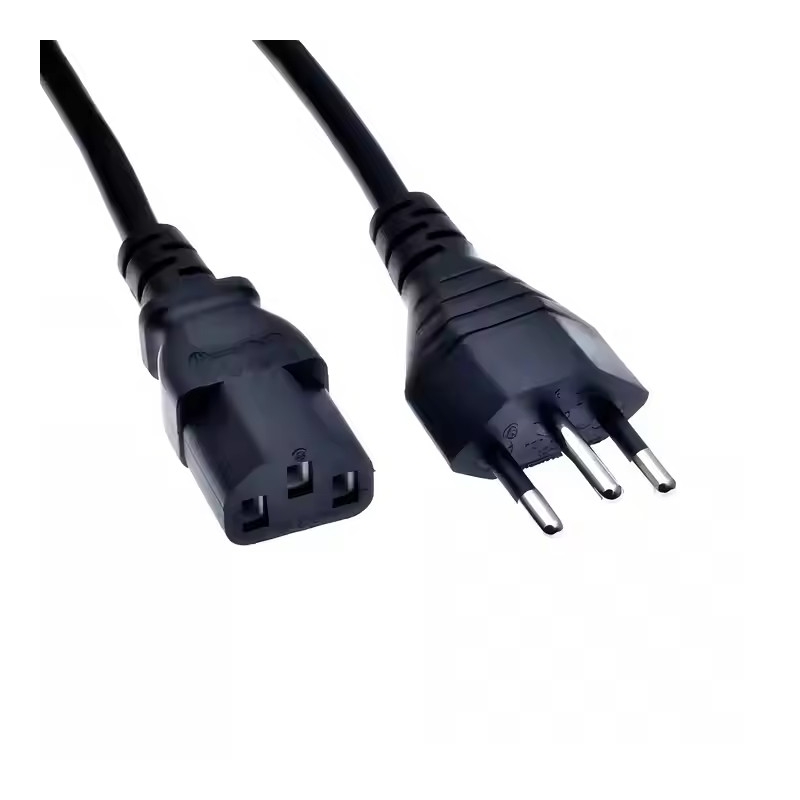
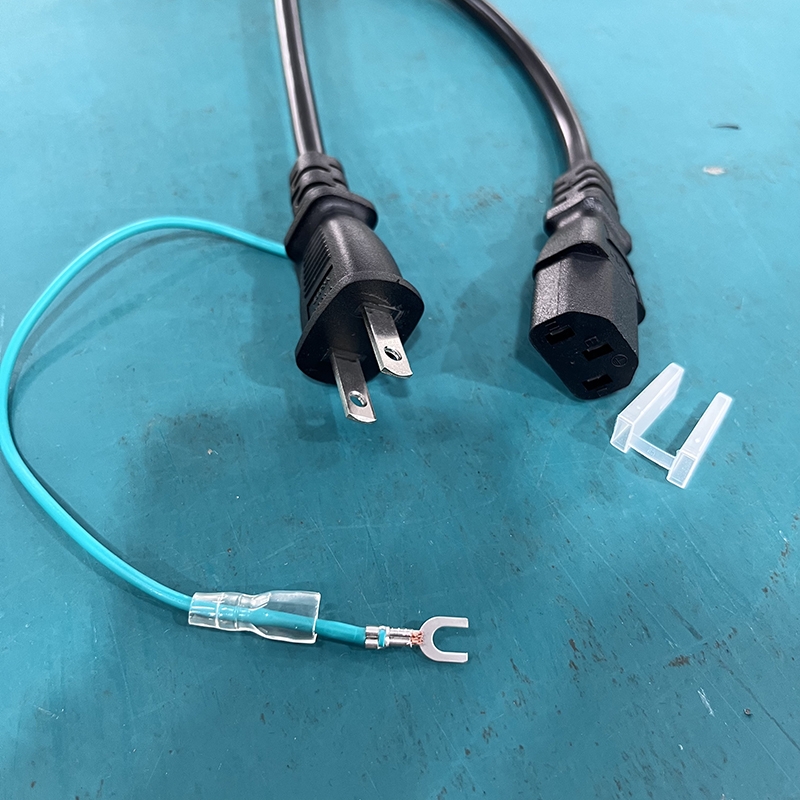
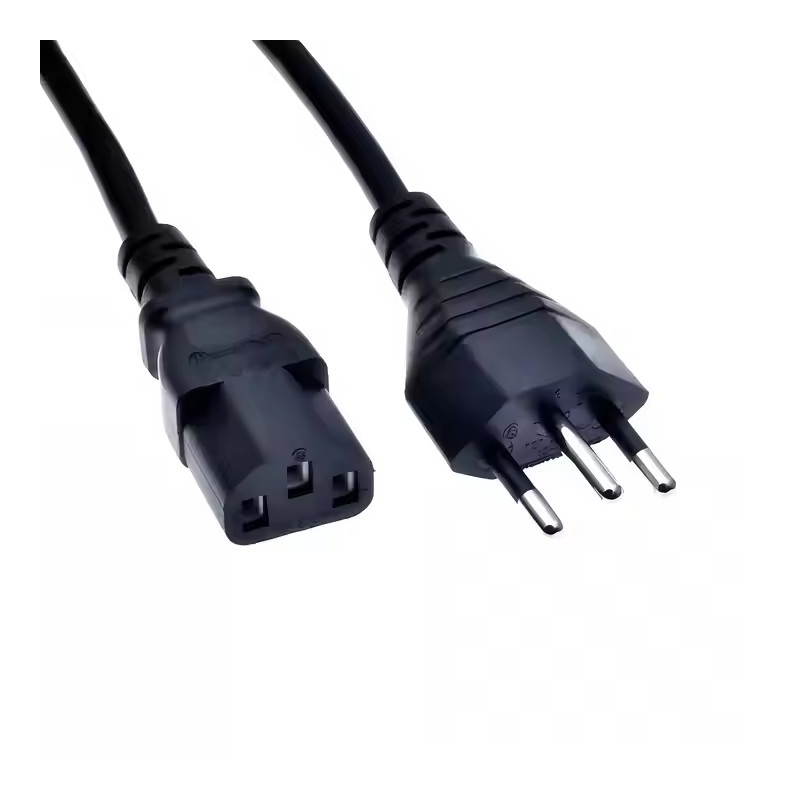
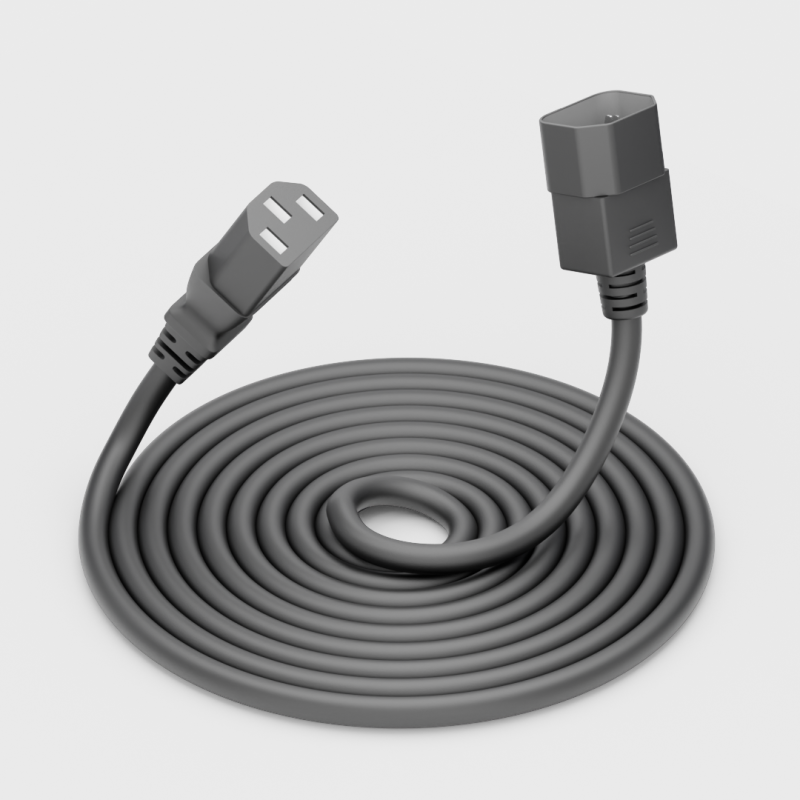
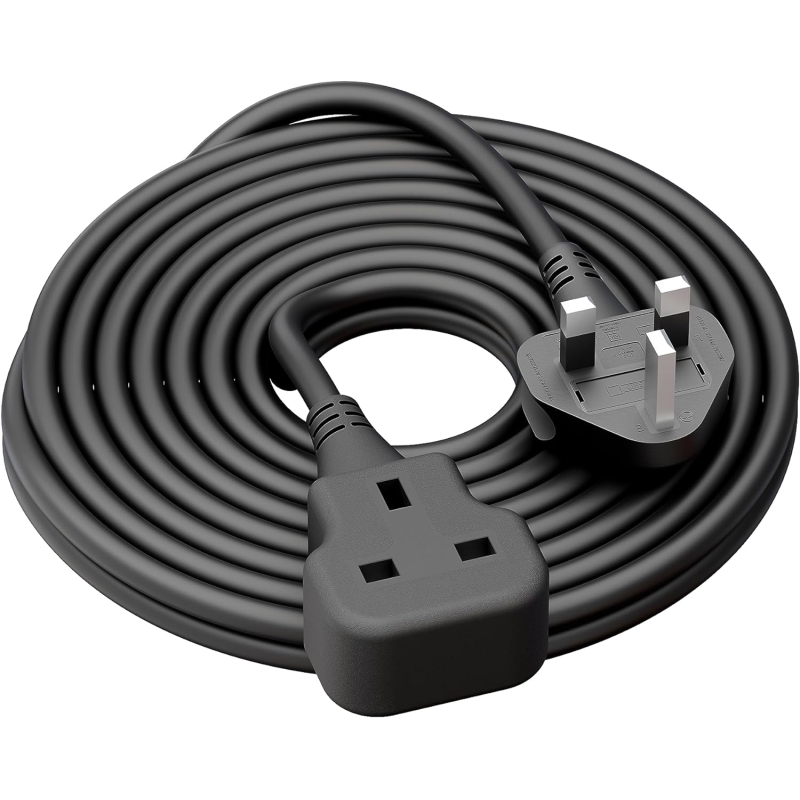

Electricity powers nearly every aspect of modern life—from consumer electronics and household appliances to industrial equipment, medical systems, and large-scale data centers. At the core of these connections is the power cord, also known as a power cable or mains lead, which safely and reliably delivers electricity from a wall outlet to electrical equipment.
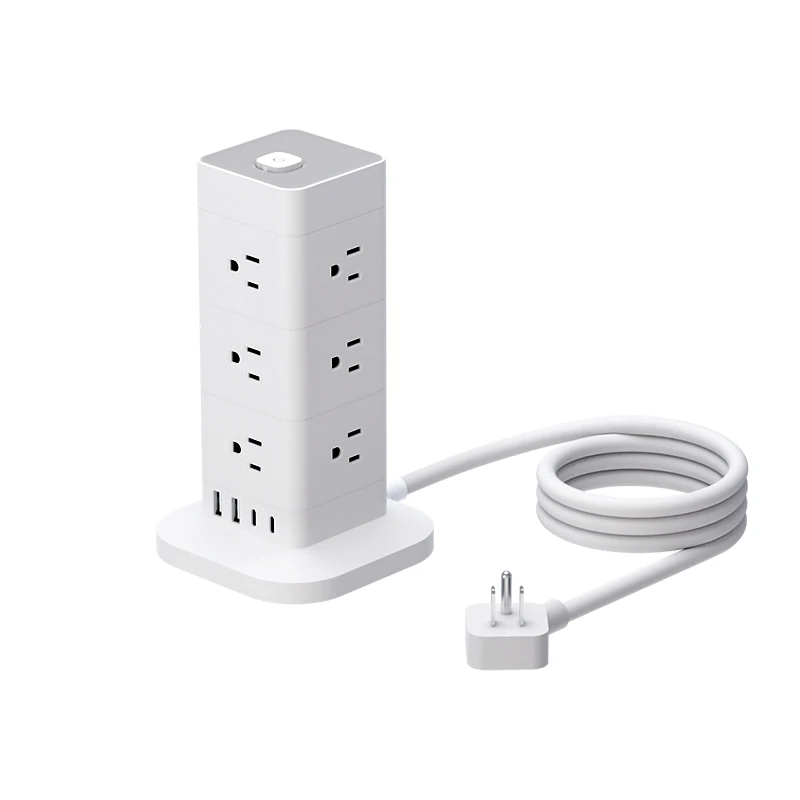
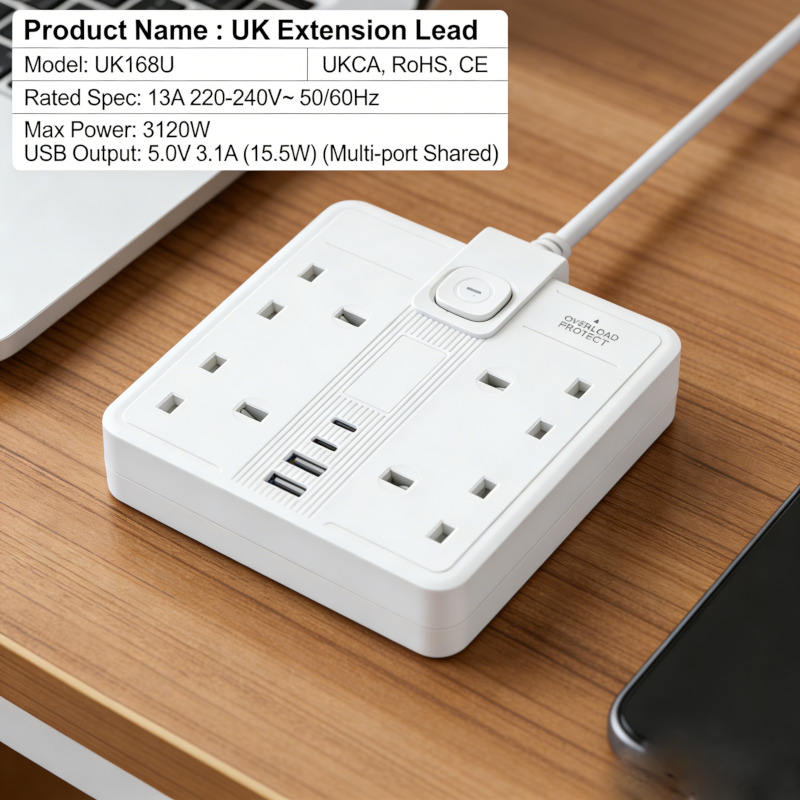
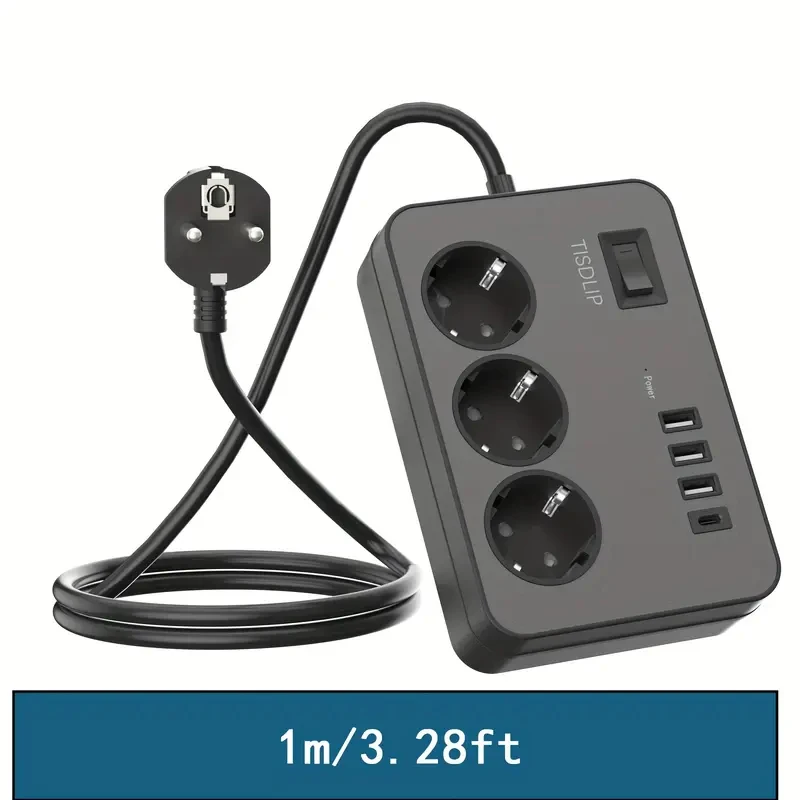
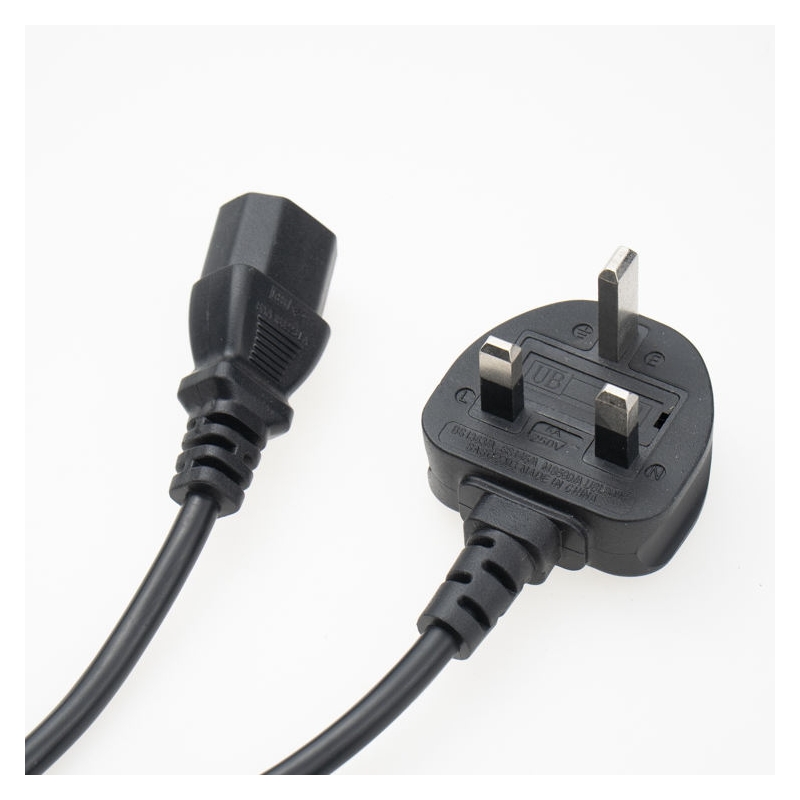
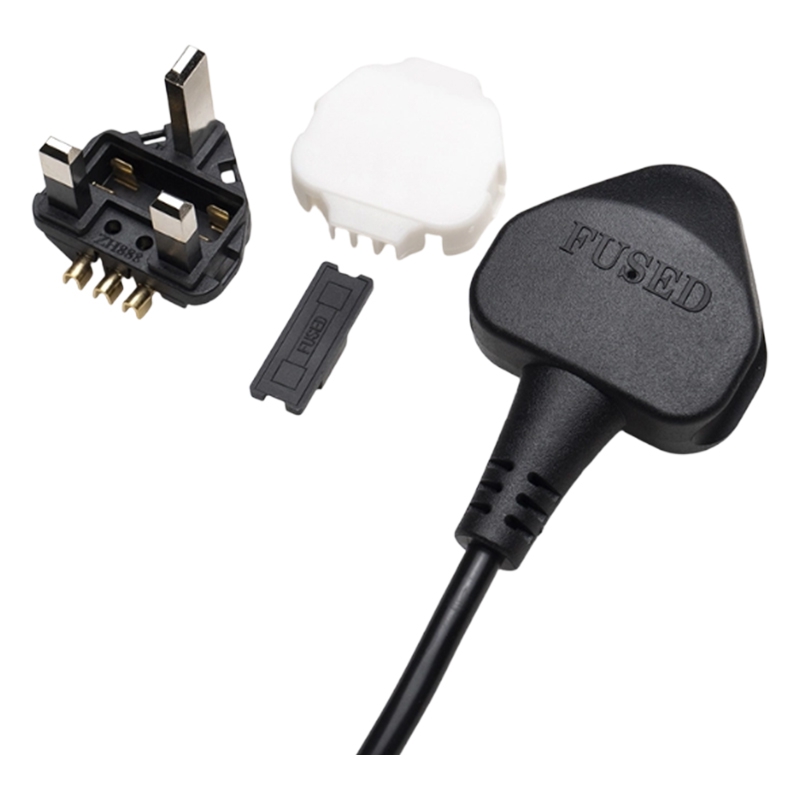
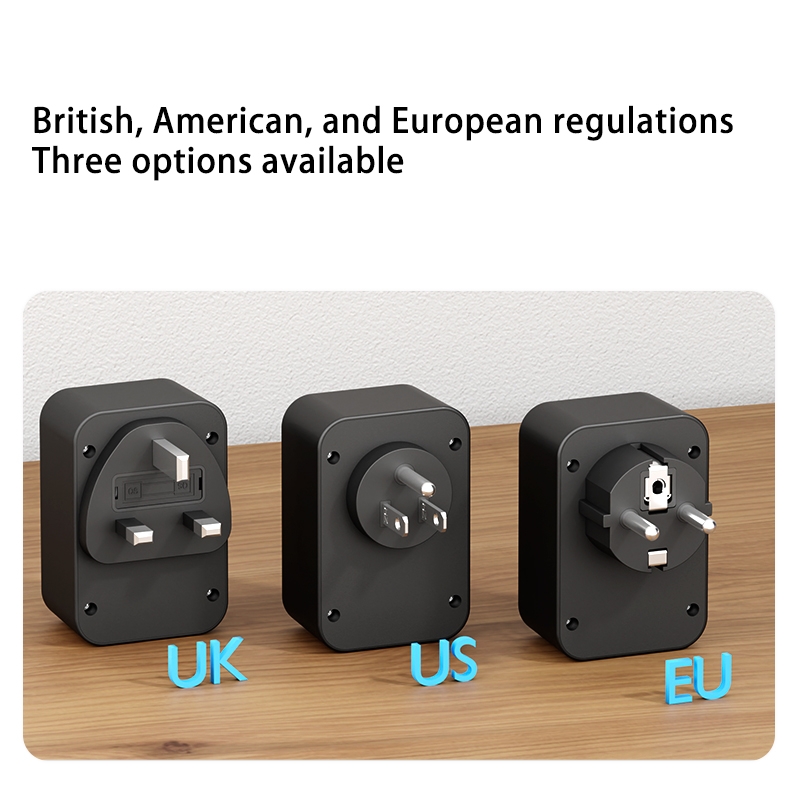
As global demand for electronic devices continues to grow in 2026, the power cord manufacturing industry is expanding alongside trends such as smart homes, industrial automation, renewable energy equipment, and large-scale data center infrastructure. Manufacturers must ensure that their cables comply with international standards such as IEC 60320 appliance connectors, while also supporting regional plug systems including NEMA (North America), CEE (Europe), and BS 1363 (United Kingdom).
This guide explains the ten most widely used power cord types worldwide, their typical applications, and how global brands collaborate with OEM manufacturers to develop reliable power connectivity solutions.
Understanding the Global Power Cord Market
Power cords are essential components that connect electrical equipment to a power source. A typical AC power cord assembly consists of three main elements: conductive wires, insulation materials, and plug or connector interfaces.
Several global trends are driving the continued growth of the power cable industry.
Growth of Consumer Electronics
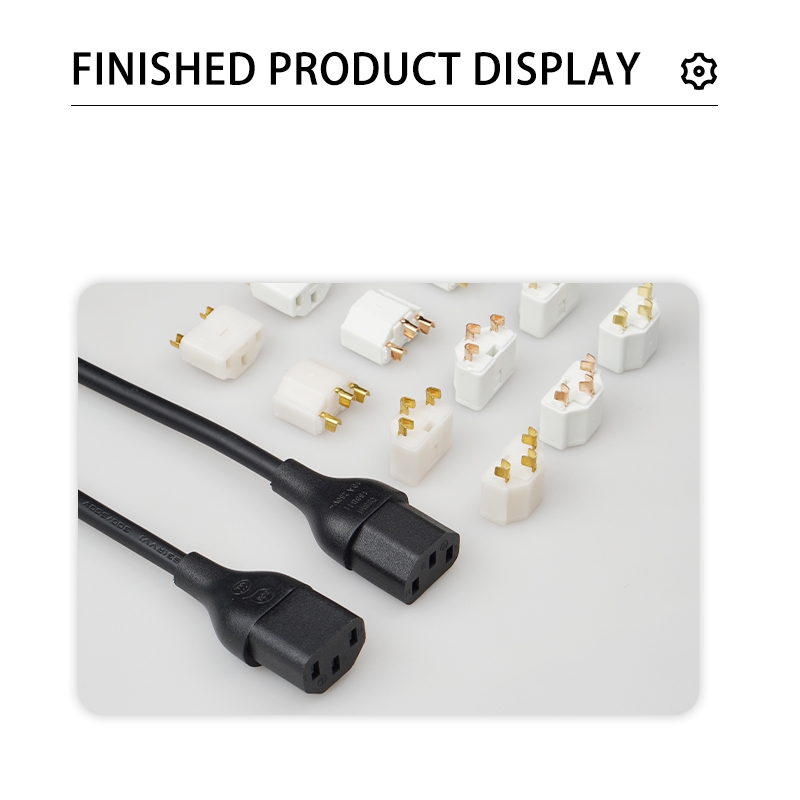
The increasing global popularity of smart TVs, laptops, gaming consoles, and home entertainment systems continues to drive strong demand for standardized power cables such as IEC C7, IEC C5, and IEC C13 power cords.
Expansion of Data Centers and Cloud Infrastructure
Modern digital infrastructure depends heavily on stable and reliable power connectivity. Servers, rack-mounted equipment, and power distribution units commonly use IEC C13/C14 or C19/C20 power cords to support stable power transmission and higher current loads.
Increasing Electrical Safety Regulations
Governments and regulatory organizations worldwide require strict compliance with electrical safety standards. Power cords used in international markets typically require certifications such as:
UL and ETL certifications for North America
CE and VDE certifications for Europe
CCC certification for China
Middle East and GCC certifications such as BSI, ASTA, GCC, and SASO
Compliance with RoHS and REACH environmental directives
These requirements ensure that power cords meet strict standards for insulation performance, heat resistance, and electrical reliability.
Key Characteristics of High-Quality Power Cords
Reliable power cords must meet several technical requirements to ensure safety, durability, and long-term performance.
Pure Copper Conductors
High-quality cables use 100 percent pure copper conductors, which offer excellent electrical conductivity. Pure copper reduces resistance, minimizes heat generation, and improves overall energy efficiency. In contrast, some low-cost cables use copper-clad aluminum conductors, which may reduce durability and conductivity.
Durable Insulation Materials
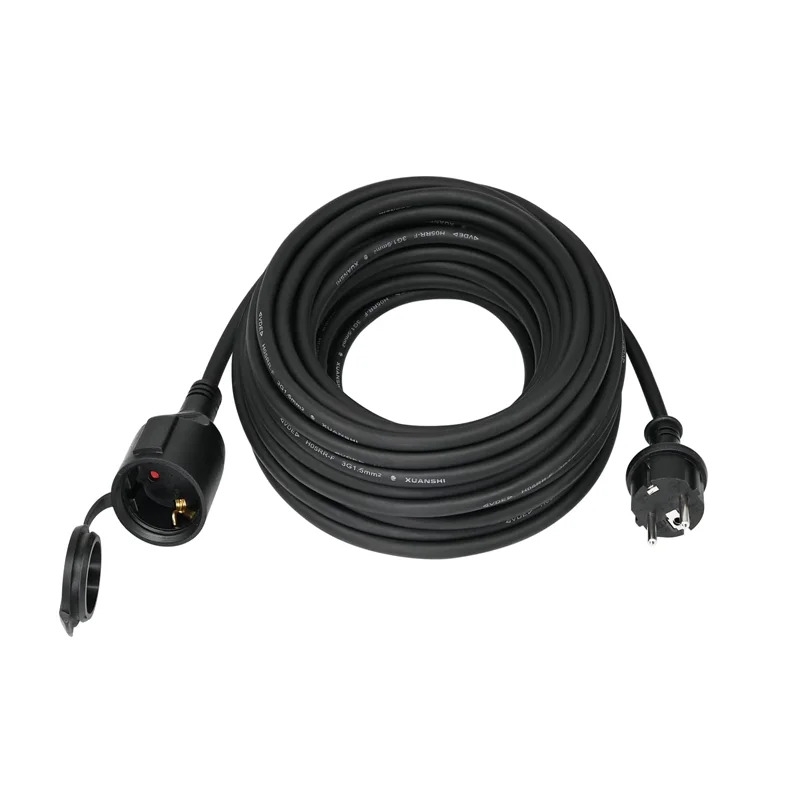
Insulation plays a crucial role in protecting conductors from heat, moisture, and mechanical damage. Common insulation materials used in power cords include PVC (polyvinyl chloride), rubber, and thermoplastic elastomers. Cable types such as SJT, SVT, and H05VV-F are widely used in international markets.
Reinforced Plug and Connector Design
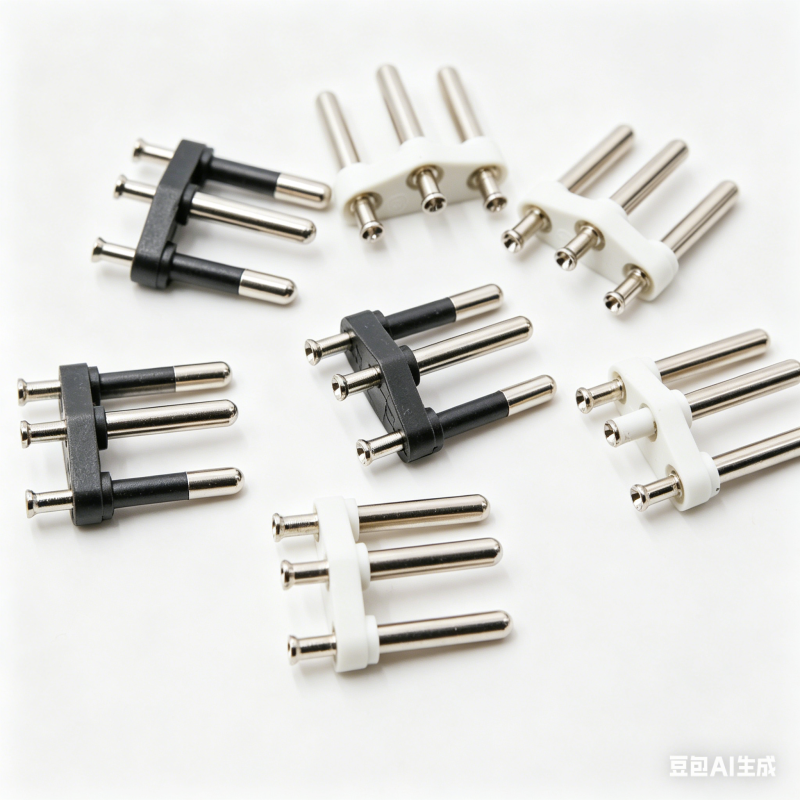
Modern power cords often feature molded plugs with built-in strain relief structures. These designs help prevent cable damage at the connection point and ensure stable electrical contact during long-term use.
Global Safety Certifications
High-quality power cord manufacturers usually support multiple international certifications, including UL, ETL, CE, CCC, ASTA, GCC, VDE, and KEMA, while also complying with RoHS environmental requirements. These certifications indicate that products have passed strict electrical safety and environmental testing.
Top 10 Most Common Power Cord Types Worldwide
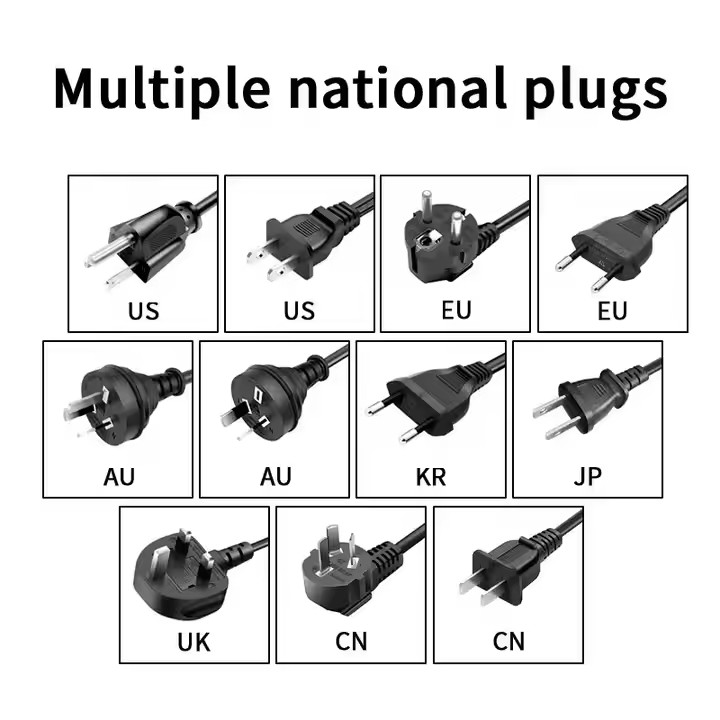
Power cords used globally usually combine IEC equipment connectors with region-specific wall plugs. The following table summarizes the most widely used power cord types and their typical applications.
| Power Cord Type | Typical Rating | Connector Type | Common Applications |
|---|---|---|---|
| IEC C13 / C14 | 10–15A / 250V | Grounded | Desktop computers, monitors, printers, office equipment |
| IEC C19 / C20 | 16–20A / 250V | Grounded | Servers, PDUs, data center equipment |
| IEC C7 / C8 | 2.5–10A / 250V | Non-grounded | TVs, gaming consoles, audio equipment |
| IEC C5 / C6 | 2.5–10A / 250V | Grounded | Laptop adapters and portable electronics |
| IEC C15 / C16 | 10A / 250V | High temperature | Electric kettles and heating appliances |
| Hospital-Grade Power Cord | 10–15A | Reinforced plug | Medical equipment and laboratory devices |
| Locking Power Cord | 10–20A | Locking connector | Data centers and industrial systems |
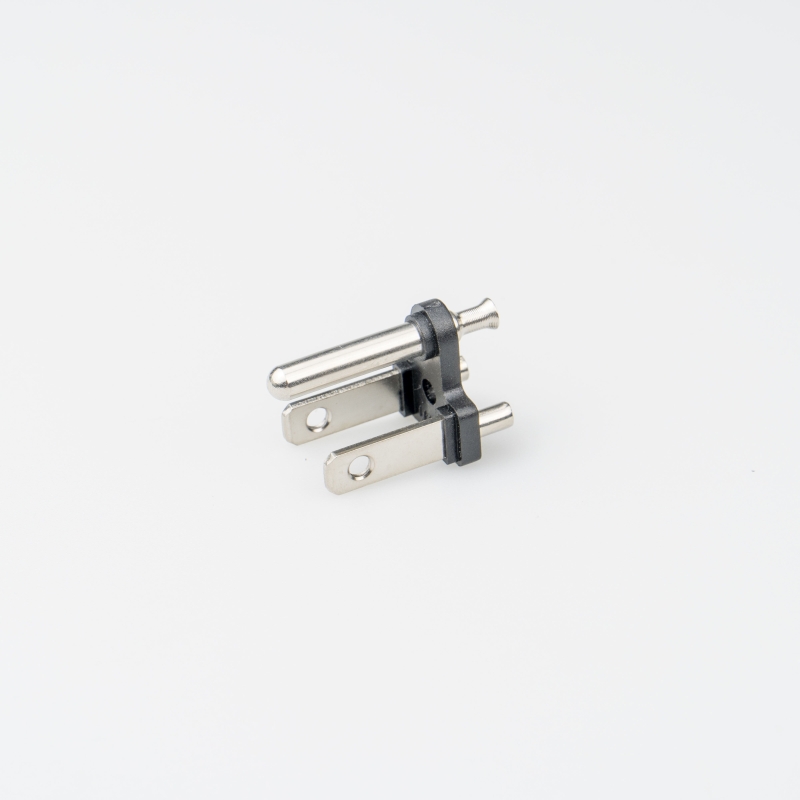
| NEMA Straight Blade Power Cord | 15A / 125V | North American plug | Household and commercial appliances |
| Flexible Rubber Power Cord | 10–20A | Industrial rubber cable | Construction tools and workshops |
| Custom OEM Power Cord | Customized | Multiple connector types | Brand appliances and export equipment |
Among these options, the IEC C13 power cord remains the most widely used globally because it is compatible with a wide range of electronic devices and IT equipment.
How Brands Choose a Power Cord Manufacturing Partner
For global electronics brands, selecting the right power cord manufacturer is a critical decision. A reliable supplier ensures consistent product quality, compliance with international standards, and stable supply chains.
Experience with International Standards
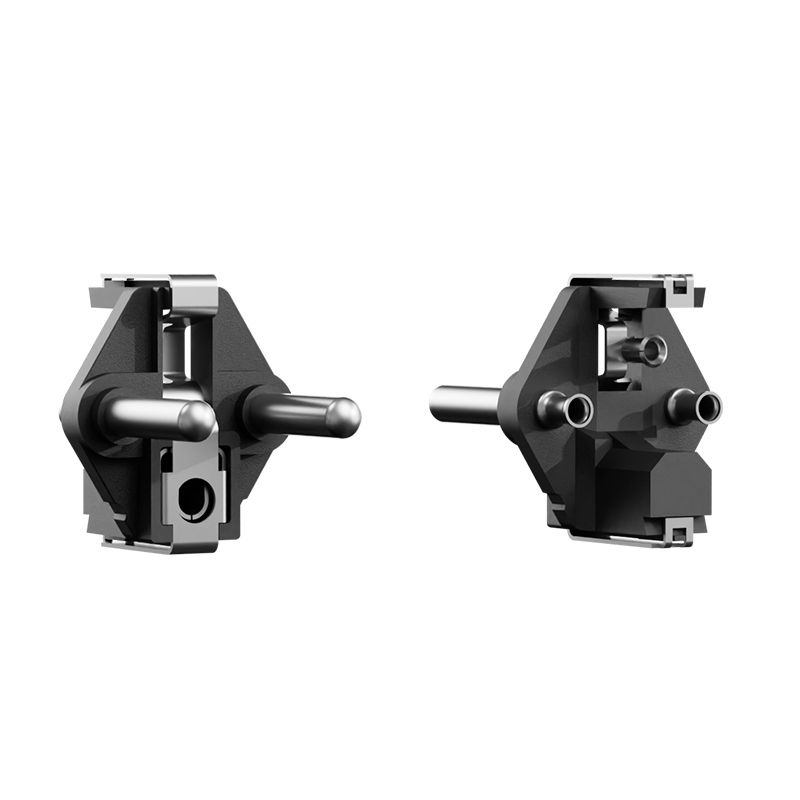
Manufacturers must understand global connector systems such as IEC 60320, as well as regional plug standards including NEMA, Schuko, and BS1363.
OEM Customization Capability
Many brands require customized cable assemblies designed specifically for their products. Customization options may include cable length, wire gauge, plug configuration, cable color, labeling, branding, and packaging design.
Strong Production Capacity
Large-scale manufacturing capability allows suppliers to meet high-volume orders while maintaining consistent product quality and delivery schedules.
Strict Quality Control
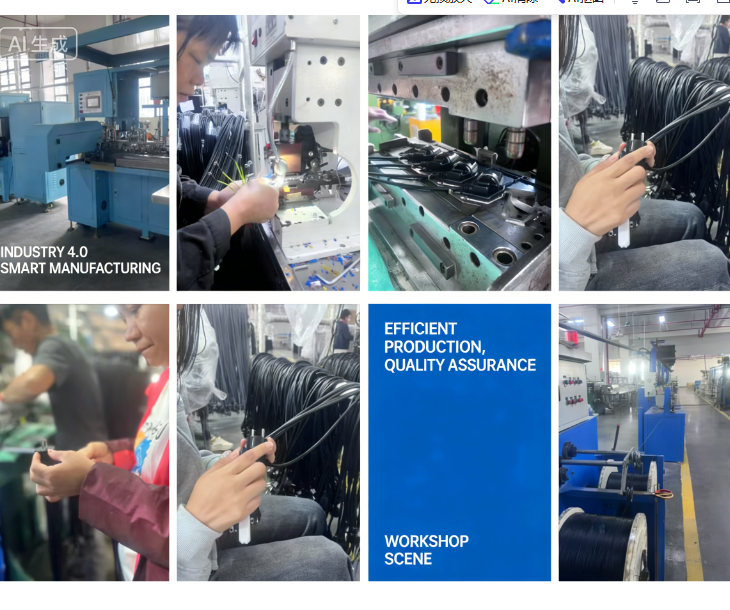
Reliable factories implement multiple testing procedures, including conductivity testing, insulation resistance testing, bending tests, and load testing, to ensure product safety and durability.
Typical Power Cord Manufacturing Process
Power cord production involves several carefully controlled stages to ensure product reliability and compliance with safety standards.
Copper Conductor Stranding
High-purity copper wires are twisted together to achieve the required level of flexibility and electrical conductivity.
Insulation Extrusion
Protective insulation materials are applied to the conductor through an extrusion process. This insulation protects the cable from environmental factors and prevents electrical leakage.
Plug and Connector Molding
Injection molding technology is used to create durable plug heads and connectors that provide secure electrical connections.
Assembly and Electrical Testing
Each cable assembly undergoes electrical testing to verify conductivity, insulation resistance, and load performance.
Final Inspection and Packaging
Before shipment, finished products undergo final quality inspection and are packaged according to international export standards.
Global Power Cord Industry Trends in 2026
The global power connectivity market continues to evolve with technological innovation and regulatory changes.
Growing Demand for High-Power Server Cables
With the rapid expansion of cloud computing and AI infrastructure, IEC C19 and C20 power cords are becoming increasingly common in modern data centers.
Increased Focus on Reliability and Safety
Industries such as healthcare and industrial automation require higher levels of reliability, which is driving demand for hospital-grade and locking power cords.
Adoption of Environmentally Friendly Materials
Manufacturers are increasingly adopting halogen-free and environmentally friendly insulation materials to comply with global environmental regulations.
Faster Product Customization
Electronics brands are launching new products at a faster pace, which increases demand for rapid OEM power cord customization and flexible production capabilities.
Frequently Asked Questions
What is the most commonly used power cord worldwide?
The IEC C13 power cord remains the most widely used type because it supports computers, monitors, printers, and many types of office equipment.
Can power cords be customized for different countries?
Yes. Power cords can be customized with different wall plugs such as NEMA (US), European Schuko, UK BS1363, or Australian plugs, while maintaining standard IEC connectors on the equipment side.
What certifications are commonly required for power cords?
Common certifications include UL, ETL, CE, VDE, CCC, ASTA, GCC, and RoHS, depending on the target export market.
What is the typical lead time for OEM power cord production?
For standard designs, production usually takes 15–30 days after design confirmation, depending on order quantity and certification requirements.
Do manufacturers support custom connector mold development?
Yes. Many professional factories support custom mold development for specialized connectors or proprietary cable designs.
References
International Electrotechnical Commission — IEC 60320 Appliance Coupler Standards
Underwriters Laboratories — UL 62 and UL 817 Power Cord Safety Standards
National Electrical Manufacturers Association — NEMA Plug and Connector Standards
European Committee for Electrotechnical Standardization — European Electrical Safety Regulations
International Energy Agency — Global Electricity Demand and Infrastructure Reports
Statista — Global Electrical Cable Market Statistics and Industry Analysis



 Email
Email