
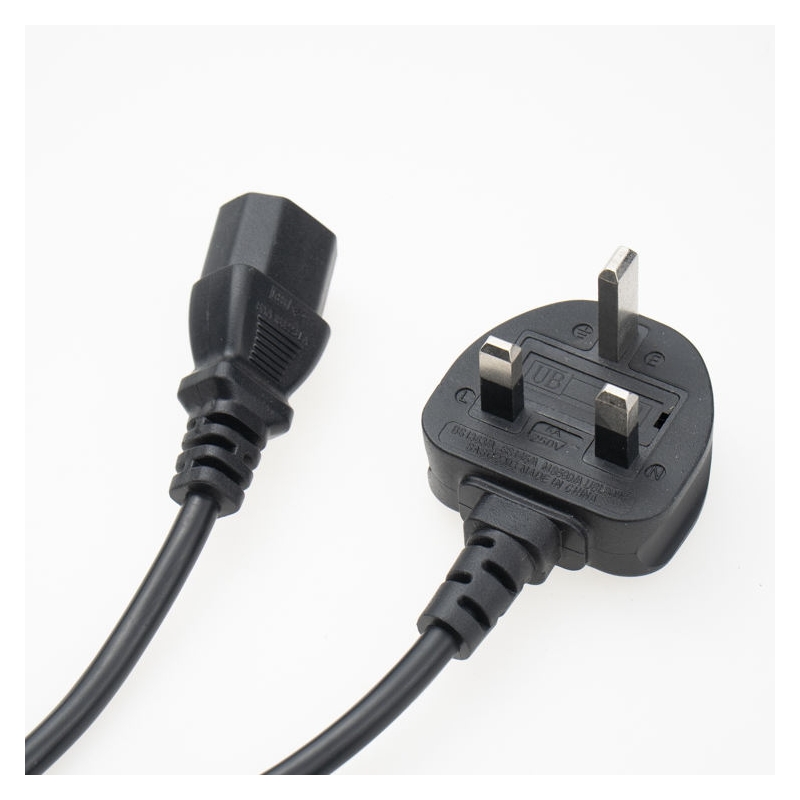
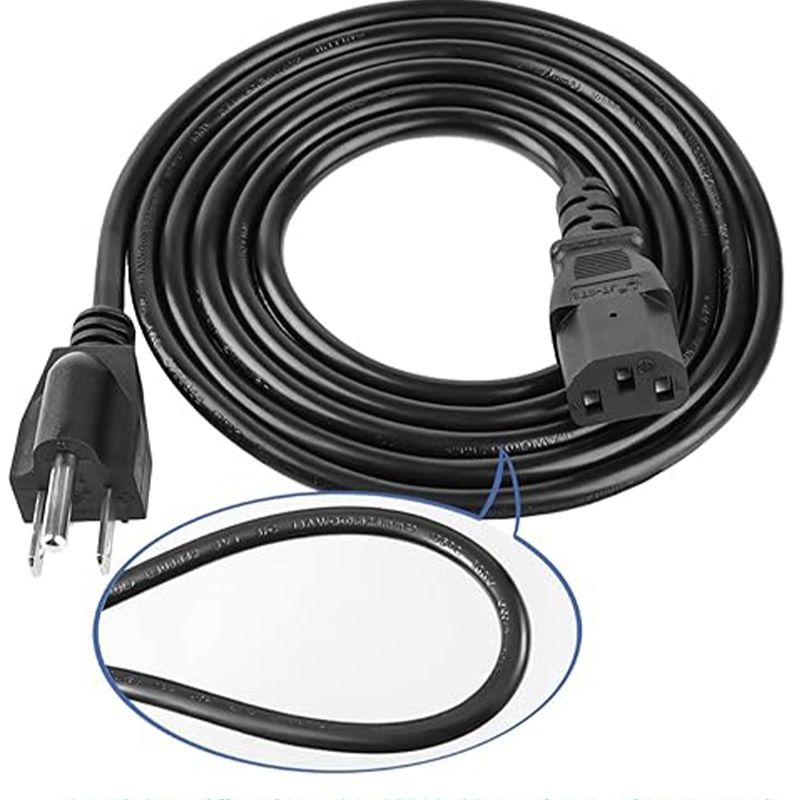
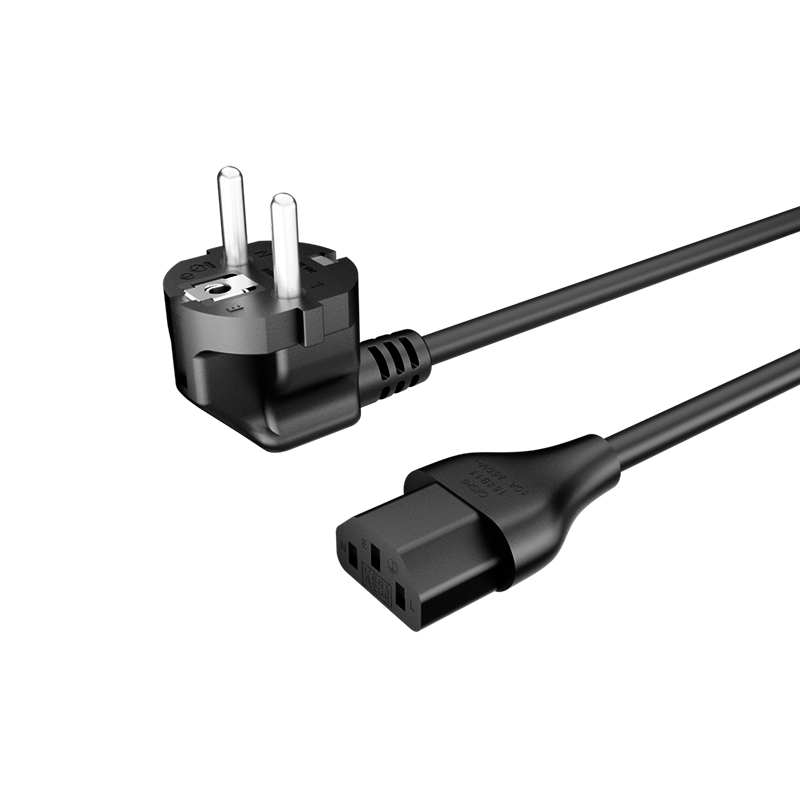
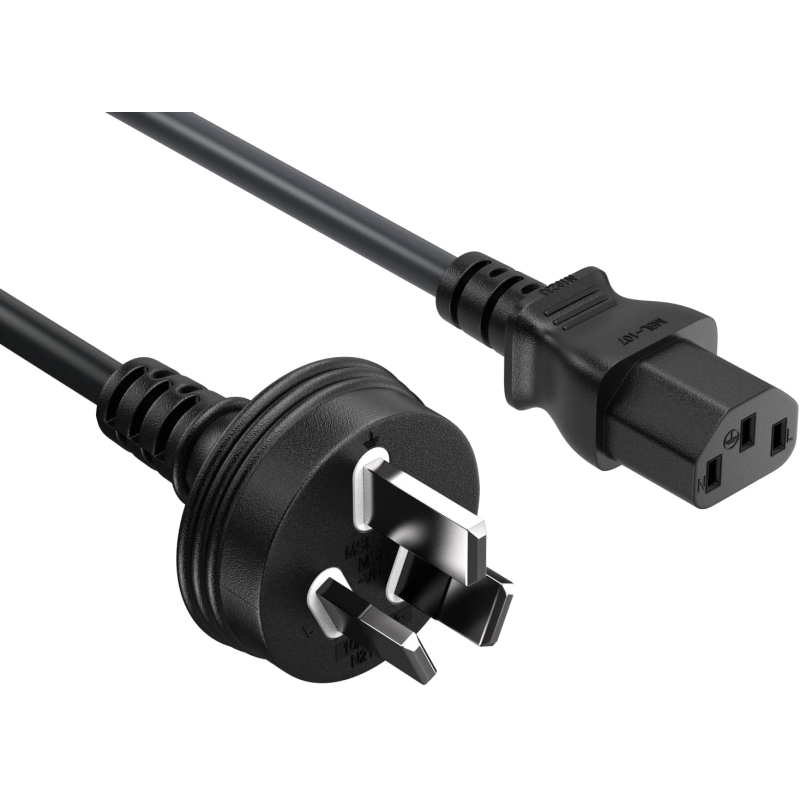
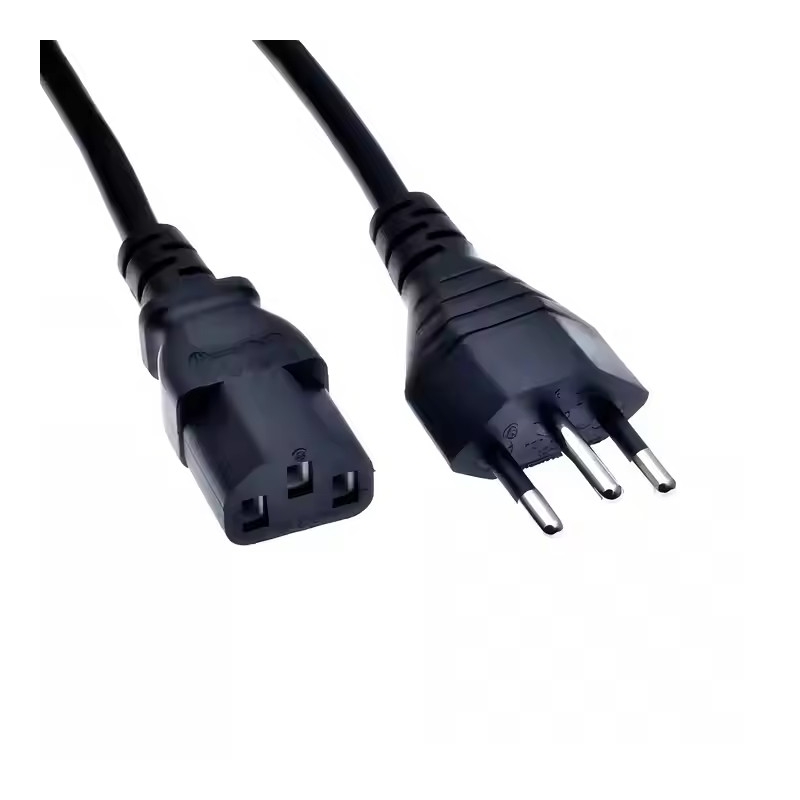
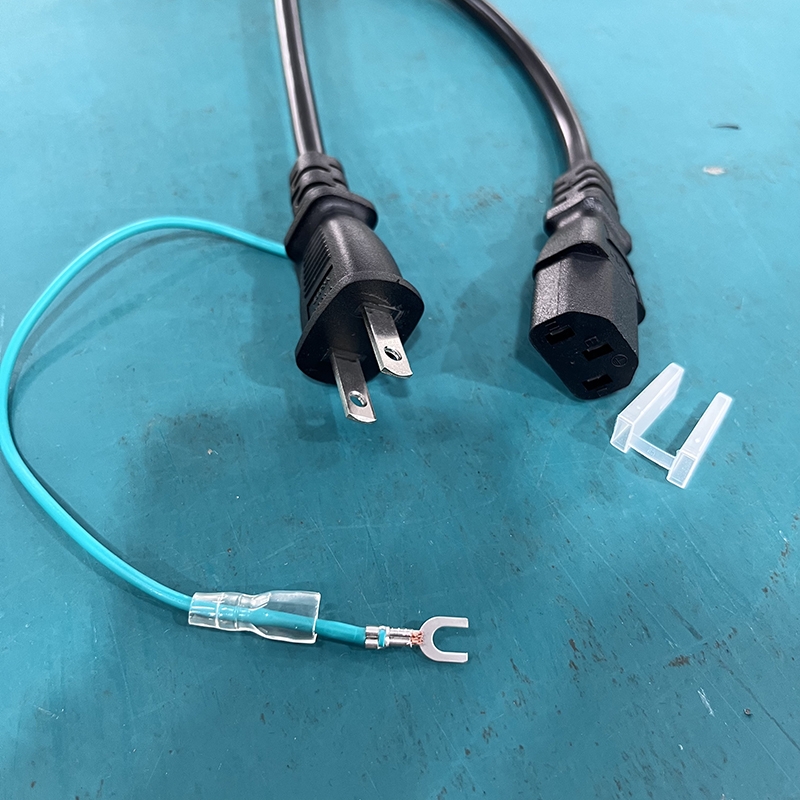
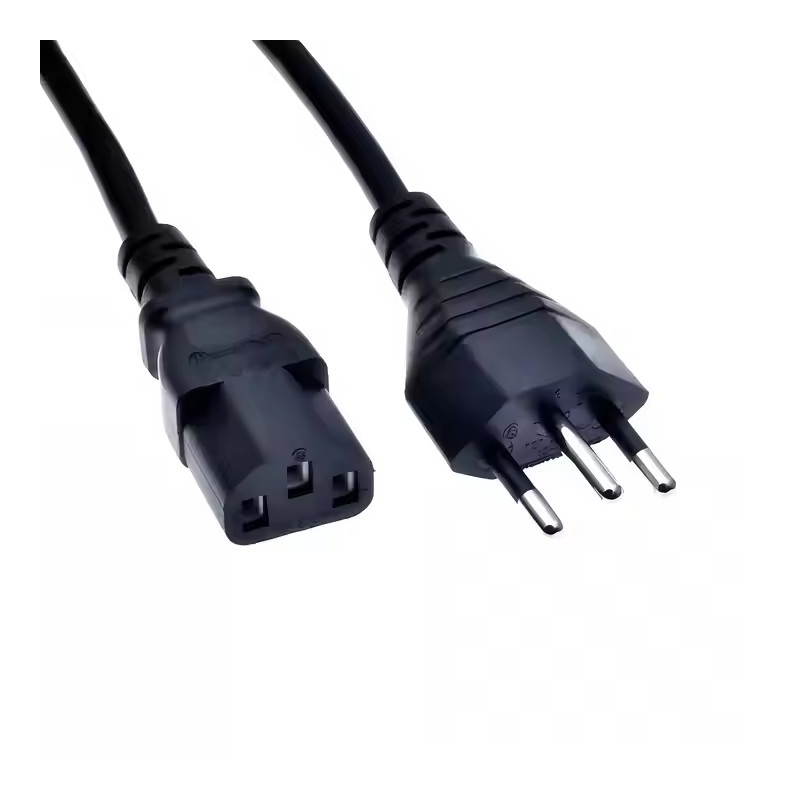
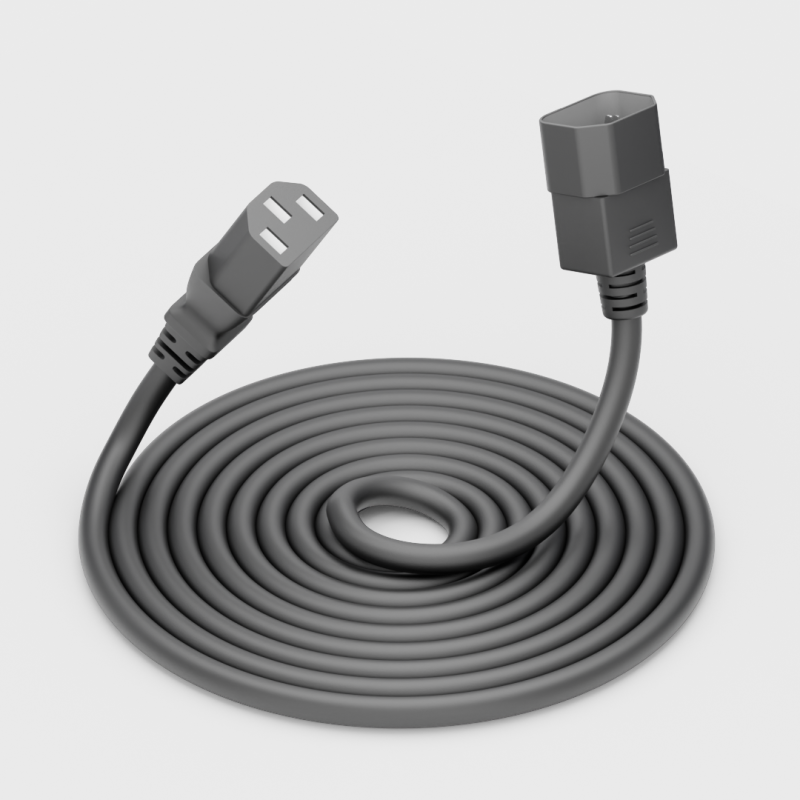
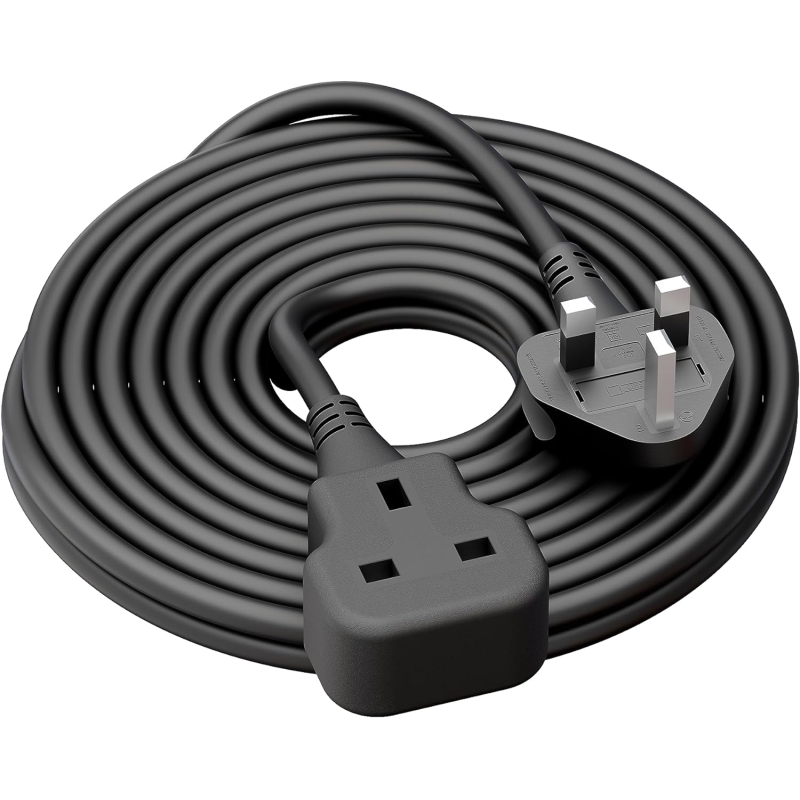

The best power cord is one with pure copper conductors, appropriate AWG gauge (e.g., 18 AWG for most household electronics up to ~7-10A, 14-12 AWG for higher loads up to 15-20A+), and relevant certifications like UL, CE, CCC, or SAA depending on your target market. Copper outperforms aluminum in conductivity, safety, and durability, minimizing overheating and fire risks.
Power cords may seem like simple components, but they play a critical role in powering modern life. From household electronics to industrial equipment, choosing the right power cord directly impacts safety, efficiency, and long-term performance.
For importers, wholesalers, and brand owners, understanding how to select the right power cord is not just a technical requirement—it is essential for product quality, compliance, and customer satisfaction.
This guide explains how to choose, evaluate, and maintain power cords, while also offering insights from a professional OEM manufacturer.
Why Power Cord Selection Matters
A power cord is the link between electrical devices and the power supply. A poor-quality or mismatched cable can lead to:
Overheating and fire hazards
Voltage drops and unstable performance
Reduced lifespan of electrical appliances
Compliance and certification risks in global markets
Selecting the correct power cord ensures safe operation, energy efficiency, and regulatory compliance.
How To Choose The Right Power Cord Material
Copper vs Aluminum Conductors
The conductor material is one of the most important factors in a power cord.
Copper Conductors (Recommended Choice)Copper is widely used due to its excellent electrical conductivity (rated at 100% IACS), allowing efficient current transmission with minimal resistance. Copper wires are flexible, durable, and less prone to breakage or oxidation issues.
Advantages of copper:
High conductivity (about 61% better than aluminum)
Low resistance and heat generation
Strong durability and better long-term safety
Excellent heat resistance
Aluminum Conductors (Lower Cost Option)Aluminum is lighter (about 30% the weight of copper) and cheaper but has higher resistance (61% conductivity of copper), generating more heat under load. It can lead to safety concerns in high-power applications if not installed perfectly (e.g., loose connections from expansion/contraction).
Limitations of aluminum:
Higher energy loss and voltage drop
Increased risk of overheating and fire if connections loosen
Less flexible and more fragile over time
Conclusion: For most applications, especially OEM export products targeting safety-conscious markets, copper conductors are the preferred, safer, and more reliable option.
How To Select The Correct Power Cord Specification
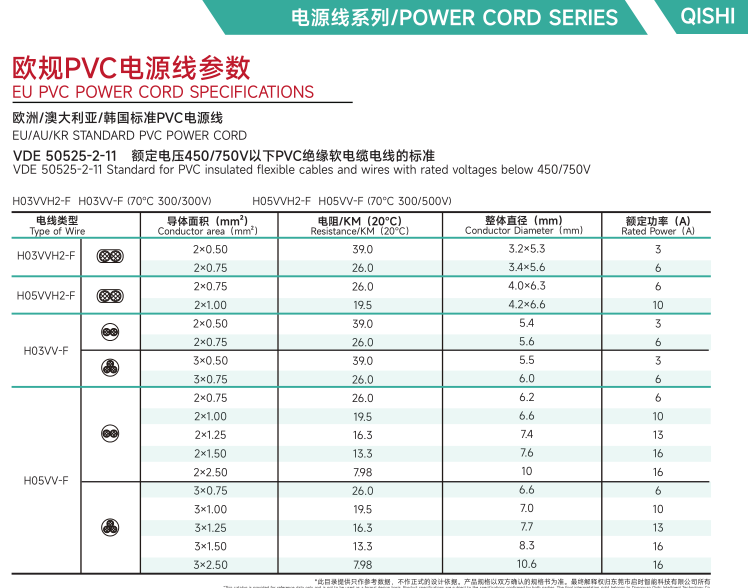
Understanding Wire Gauge and Cross-Sectional Area (AWG)The thickness (measured in American Wire Gauge or AWG) determines safe current capacity. Lower AWG numbers mean thicker wires that handle more amperage without overheating.
Common recommendations (based on typical copper ampacity at 60-90°C insulation ratings):
Small devices (chargers, phones, LED lights): 18 AWG (up to ~7-10A)
Medium devices (computers, monitors, printers): 16-14 AWG (up to 10-15A)
High-power appliances (ovens, air conditioners, servers): 14-12 AWG or thicker (15-20A+)
If the wire is too thin for the load, it can overheat and cause hazards.
Choosing the Right LengthPower cord length affects usability and performance.
Short cords (e.g., 3-6 feet) reduce resistance, voltage drop, and heat buildup.
Long cords offer flexibility but increase resistance—avoid unnecessarily long ones.
Always match length to the real application scenario.
Power cord selection keywords for importers and wholesalers:
Copper power cord
UL certified power cord
CCC certified power cord
SAA approved power cord
AWG power cord gauge
High-quality OEM power cord
Copper vs aluminum power cord
Safe power cord for appliances
Custom power cord manufacturer
These terms help optimize visibility in global B2B searches and ensure compliance-focused buyers find reliable suppliers.
How To Evaluate Power Cord Quality
Visual InspectionA high-quality power cord should have:
Smooth, uniform insulation without cracks, bubbles, or defects
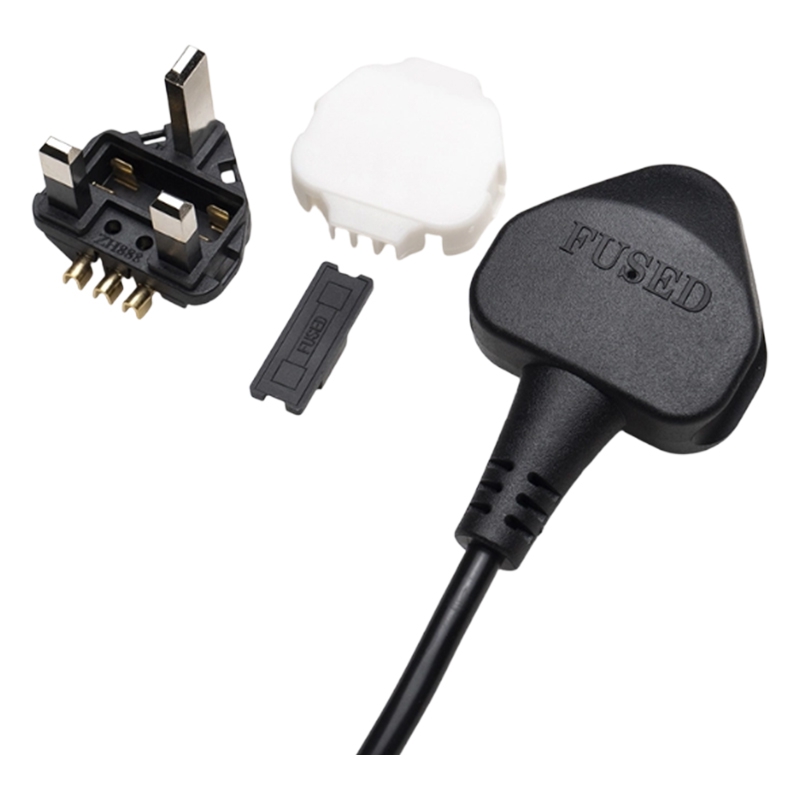
Strong, well-molded connectors
Check Wire DiameterVerify actual thickness matches labeled specs—some suppliers skimp on copper content.
Measure Electrical ResistanceUse a multimeter: lower resistance indicates better conductivity and quality.
How To Choose Certified and Compliant Power Cords
Certifications are essential for international markets to meet safety and import standards.
Common certifications include:
CCC (China Compulsory Certification) – mandatory for China market
UL /ETL(United States) – rigorous safety testing for North America
CE (European Union) – conformity with EU directives
SAA (Australia/New Zealand) – compliance for ANZ markets
Certified products reduce risks, customs issues, and liability. For OEM buyers, partner with manufacturers offering multi-country certification support.
How To Select Power Cords For Different Applications
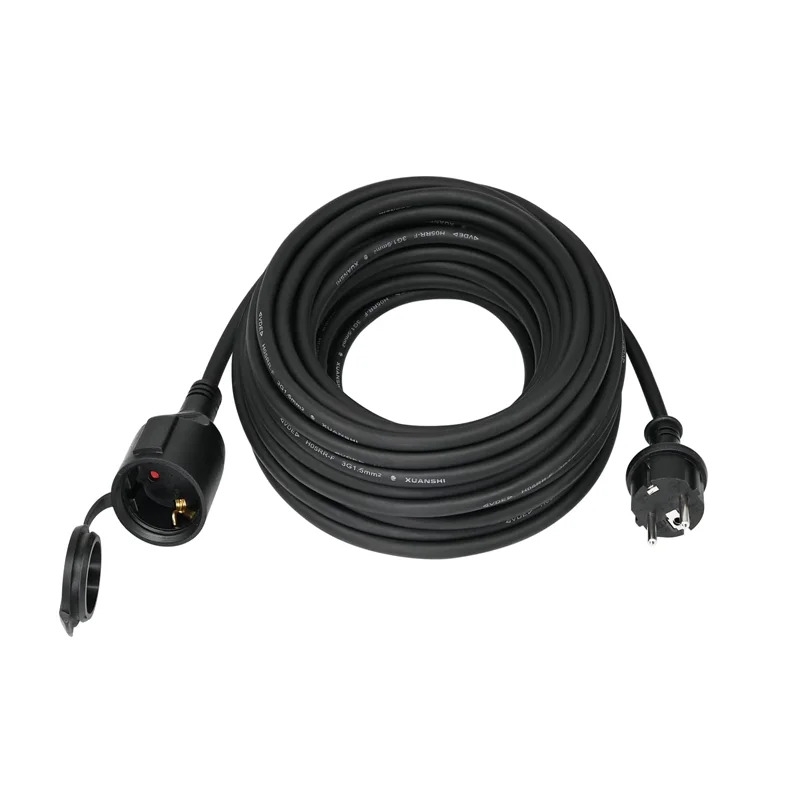
Household Use (chargers, small appliances): Moderate thickness (18 AWG), short-medium length.Office Equipment (computers, printers): Stable transmission, medium thickness (16-14 AWG), durable.Industrial and High-Power Equipment: Thick copper conductors (14-12 AWG+), heat-resistant insulation, strong protection.Outdoor Applications: Waterproof, UV-resistant, weatherproof materials.
How To Use And Maintain Power Cords Safely
Avoid mechanical damage (no heavy objects, excessive bending).
Inspect regularly for cracks, exposed wires, loose connectors—replace damaged ones immediately.
Store dry, clean, away from high heat.
How To Choose The Right OEM Power Cord Manufacturer
Key criteria:
Extensive industry experience and stable capacity
Vertical integration (e.g., in-house copper wire production for quality control and pricing)
Full multi-certification support (UL, CE, CCC, SAA)
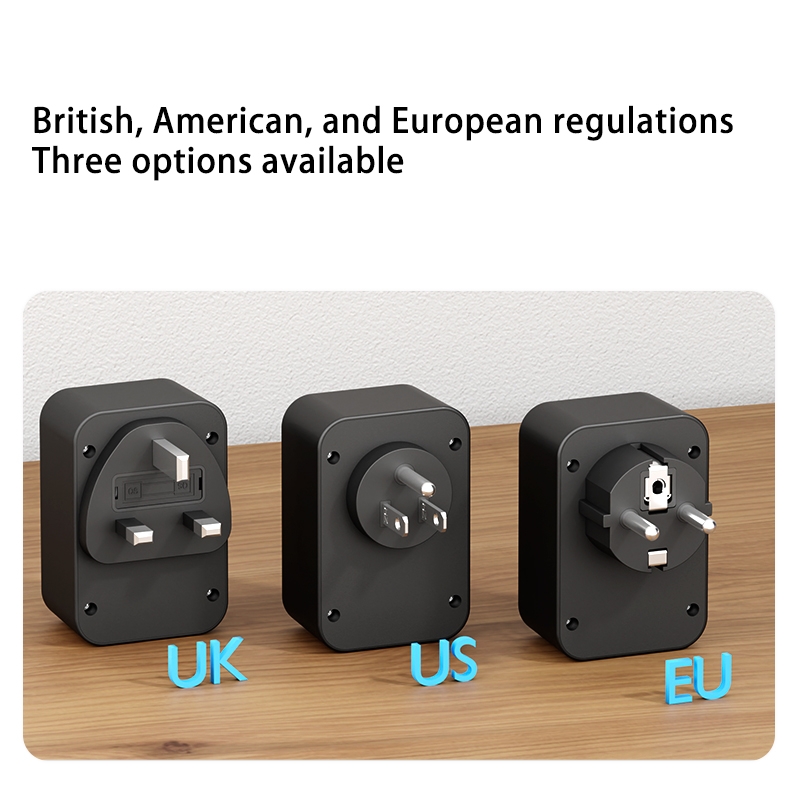
Customization (length, color, plug types, OEM/ODM branding)
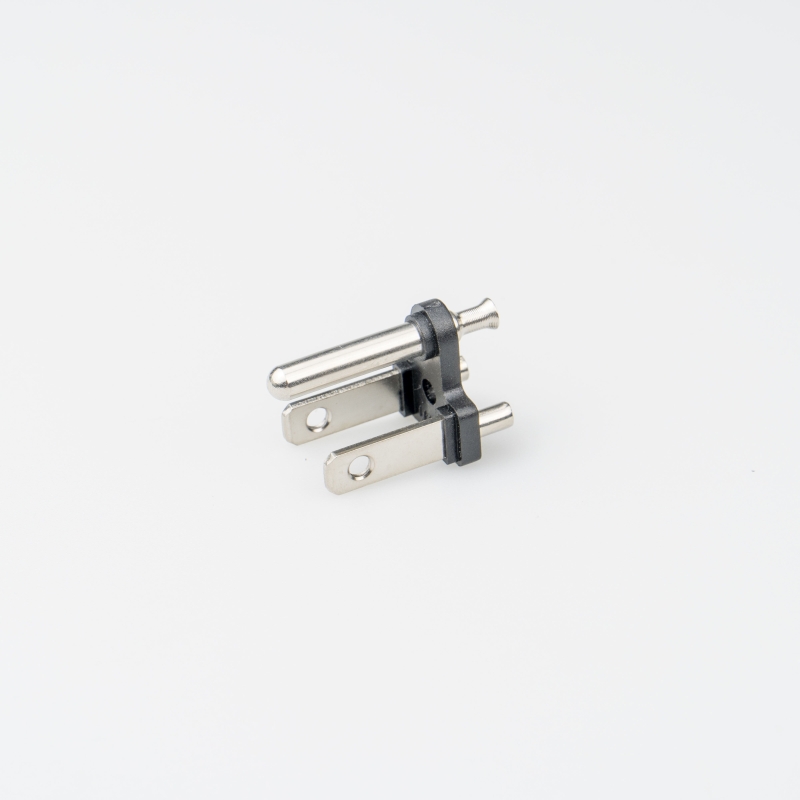
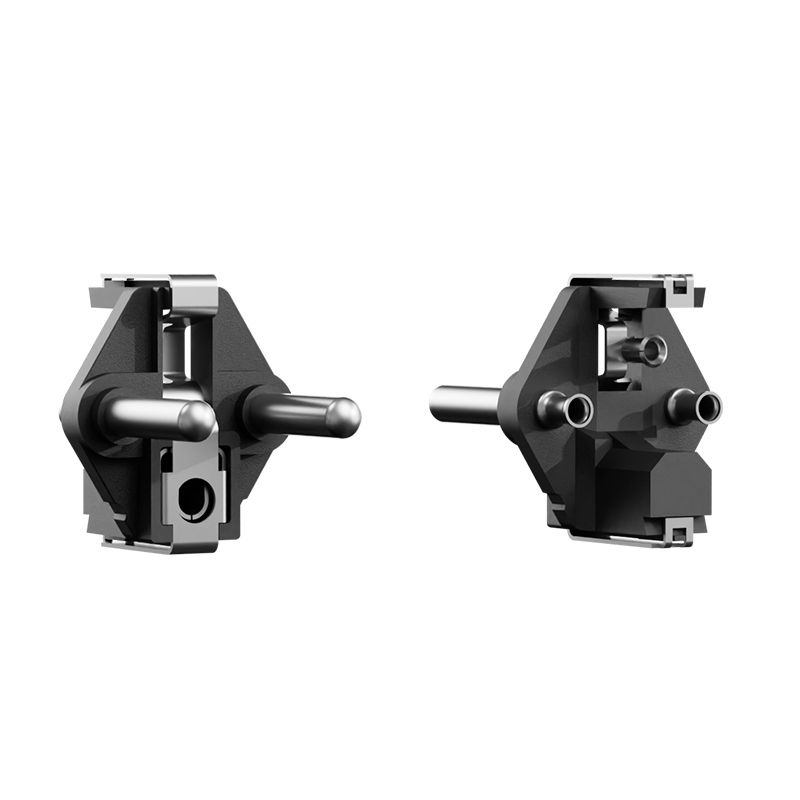
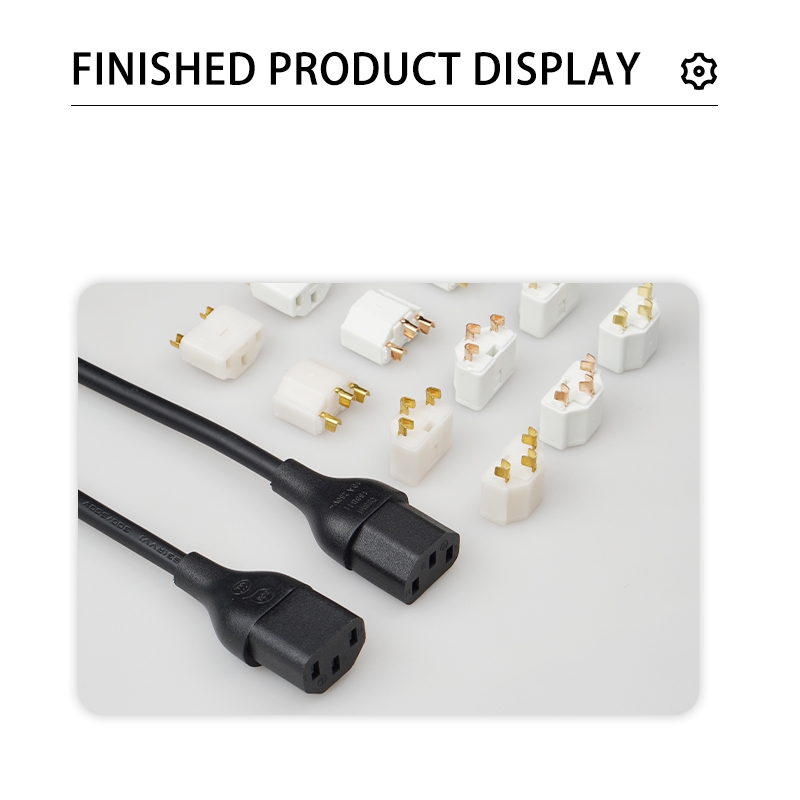
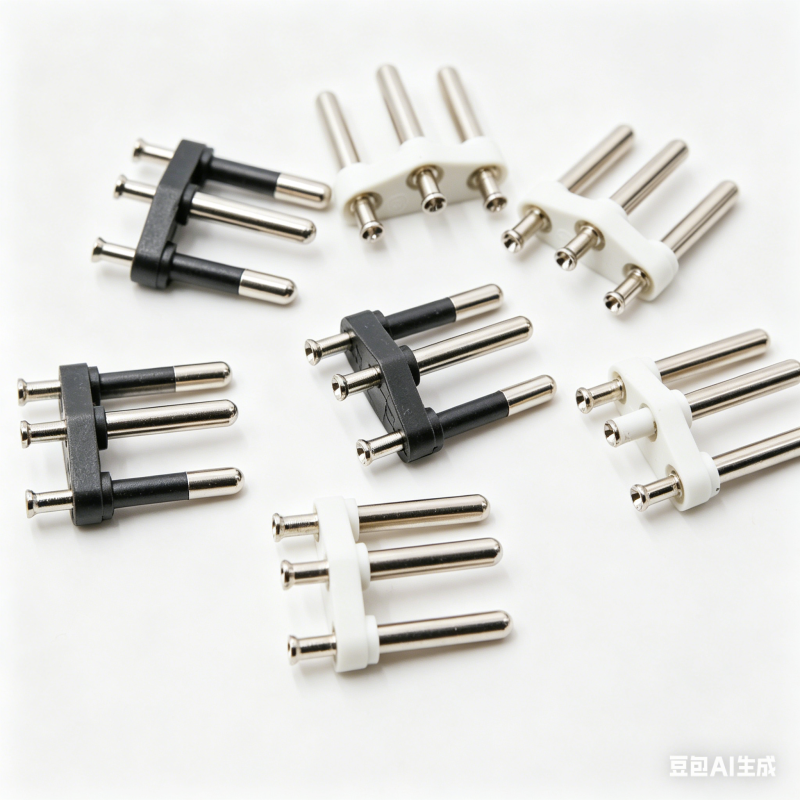
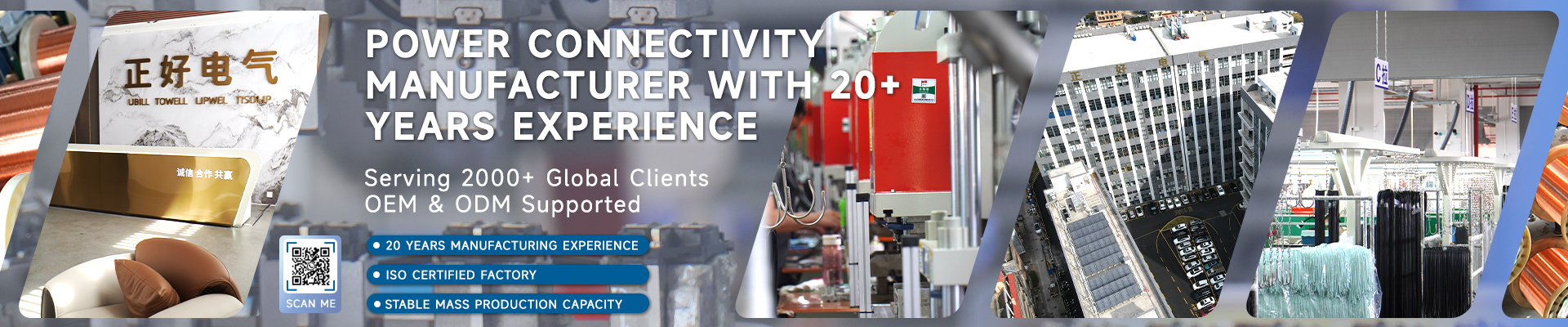
About Dongguan Zhenghao Electric Co., LTDDongguan Zhenghao Electric Co., LTD is a professional manufacturer specializing in AC power cords, plug inserts, and extension cables. With over a decade of experience, the company provides OEM solutions for global manufacturers, wholesalers, and brand owners.
Key strengths:
In-house copper wire production
Competitive pricing with stable quality
Full certification support for global markets
Fast delivery and large-scale production capacity
Ready to source reliable, certified power cords that prioritize safety, performance, and compliance? Partner with an experienced OEM like Dongguan Zhenghao Electric Co., LTD for copper-based solutions tailored to your market needs. Contact us today for custom quotes, certification support, and samples—ensure your products meet global standards while optimizing cost and quality. Secure your supply chain with proven copper power cords designed for long-term reliability.
References
Copper vs. Aluminum Conductors: Anixter (anixter.com) – conductivity 61% for aluminum vs copper, weight differences.
Pros and Cons of Copper and Aluminum Wire: Regency Supply (insights.regencysupply.com) – durability, conductivity advantages.
Electrical Conductivity of Materials: Blue Sea Systems (bluesea.com) – IACS ratings (copper 100%, aluminum 61%).
American Wire Gauge Chart and AWG Electrical Current Load Limits: PowerStream (powerstream.com) – ampacity guidelines.
Ampacity Charts: Cerrowire (cerrowire.com) – copper wire amp ratings by AWG.
Understanding Electrical Wire Size Charts: The Spruce (thespruce.com) – household appliance ampacity examples.
Conductor Sizing and the National Electrical Code: NFPA-related sources (nfpa.org, mikeholt.com) – NEC Table 310.16, termination rules.
International Electrotechnical Commission (IEC) standards on electrical cables.
UL certification standards for power cords and cables.
European Union CE compliance directives for electrical products.
Industry reports on copper vs aluminum conductivity performance (e.g., TME.eu, International Wire).



 Email
Email