

Content Menu
● Why Power Strip Safety Matters
● Key Certifications to Look for When Buying a Power Strip
>> Common Global Safety Certifications
● Essential Safety Features Every Power Strip Should Have
>> 1. Safety Shutters (Child Protection)
>> 3. Flame-Retardant Materials
>> 4. High-Quality Internal Copper Conductors
>> 5. Individual Switch Control
● Choosing the Right Wire Size and Rated Power
● Practical Tips for Using Power Strips Safely
>> Never Bundle or Coil the Cable During Use
● Additional Features That Improve Power Strip Usability
● Expert Insights from a Power Strip Manufacturer
>> 1. Compliance with International Safety Standards
>> 2. Manufacturing Quality Control
>> 3. OEM and Customization Capabilities
● Recommended Visual Content for This Article
>> 1. What is the safest type of power strip?
>> 2. How many devices can I plug into a power strip?
>> 3. Are cheap power strips dangerous?
>> 4. Should power strips have surge protection?
>> 5. What cable thickness is best for power strips?
Electricity powers nearly every aspect of modern life—from smartphones and laptops to kitchen appliances and industrial equipment. Because many homes and workplaces do not have enough wall outlets, power strips and extension cords have become essential tools for distributing electricity safely.
However, not all power strips are created equal. Low-quality or uncertified power strips can cause overheating, electrical fires, equipment damage, or even electric shock.
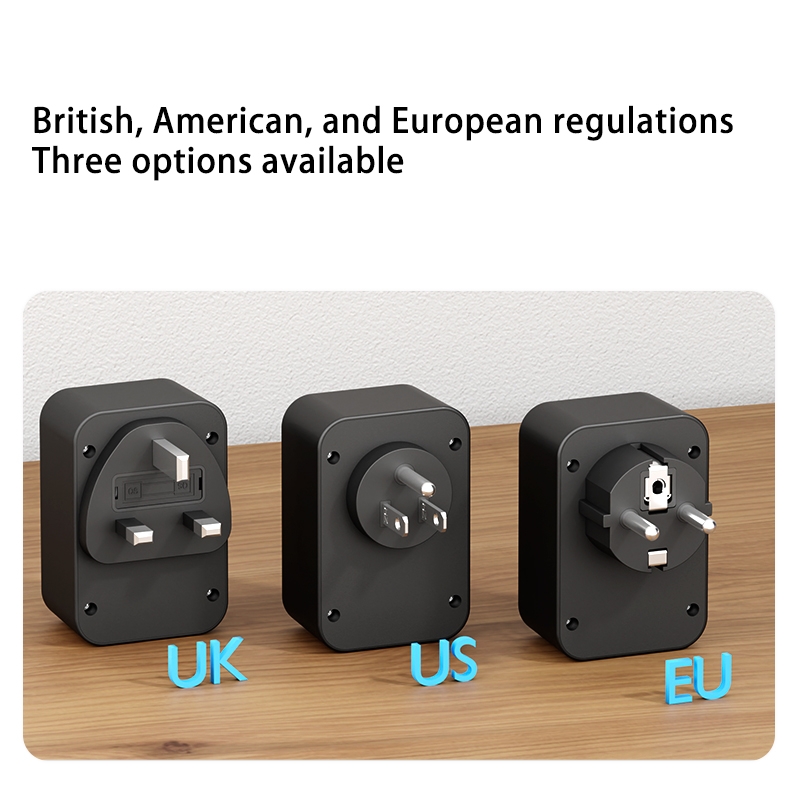
As a power strip manufacturer with more than 15 years of experience in producing UK, EU, and US power strips and extension cords, we have seen firsthand how the right design and safety standards can significantly reduce electrical risks.
This expert guide will help you understand how to choose a safe power strip, what certifications to look for, and which features truly matter when buying or sourcing power strips for homes, offices, or commercial environments.
Why Power Strip Safety Matters
Power strips are designed to extend electrical outlets and power multiple devices simultaneously. While convenient, they also concentrate electrical loads in one device.
According to the U.S. Consumer Product Safety Commission (CPSC), thousands of residential fires each year are associated with electrical distribution equipment such as extension cords and power strips.
Common causes include:
* Overloading power strips
* Using uncertified products
* Poor insulation materials
* Lack of overload protection
* Substandard internal wiring
A well-designed power strip with proper certification and protection mechanisms can significantly reduce these risks.
Key Certifications to Look for When Buying a Power Strip
One of the most important factors when selecting a power strip is compliance with safety certifications.
Different regions have different electrical standards and safety regulations. Always check whether the product has recognized certification marks printed on the power strip body.
Common Global Safety Certifications
| Certification | Region | Description |
| ------------- | -------------- | -------------------------------------------------------------- |
| CCC | China | China Compulsory Certification for electrical safety |
| CE | European Union | Conformity with EU safety, health, and environmental standards |
| UKCA | United Kingdom | UK safety certification replacing CE in Britain |
| ETL | North America | Electrical Testing Laboratories safety certification |
| UL | United States | One of the most recognized electrical safety certifications |
A certified power strip manufacturer must follow strict testing procedures, including:
* Insulation resistance testing
* High voltage withstand testing
* Temperature rise testing
* Flame resistance testing
Expert Tip:
Always verify the certification mark directly on the product housing rather than relying only on packaging claims.
Essential Safety Features Every Power Strip Should Have
Not all power strips provide the same level of protection. Below are the most important safety features professionals recommend.
1. Safety Shutters (Child Protection)
Safety shutters are internal protective gates inside the socket holes that prevent foreign objects from entering the outlet.
They are especially important in environments where children may be present.
Benefits include:
* Prevents accidental electric shock
* Blocks insertion of metal objects
* Required in many safety standards
When unused, the shutter remains closed and visible inside the socket.
2. Overload Protection
Overload protection is one of the most important features in modern power strips.
If the total power consumption exceeds the rated load, the internal protection switch will automatically cut off electricity.
This prevents:
* Electrical fires
* Melted wires
* Device damage
Most high-quality power strips include automatic reset or manual reset breakers.
3. Flame-Retardant Materials
The outer housing of a power strip should be made from high-quality flame-retardant materials, typically PC (polycarbonate).
Flame-retardant housing can:
* Resist high temperatures
* Prevent ignition during electrical faults
* Slow down fire spread
Professional manufacturers often test housings at 750°C flame resistance standards.
4. High-Quality Internal Copper Conductors
Inside the power strip, copper conductors distribute electricity to each outlet.
Premium power strips use:
* 100% pure copper wiring
* Thick copper busbars
* High conductivity terminals
This reduces heat generation and voltage drop.
5. Individual Switch Control
Many modern power strips include individual switches for each outlet.
Advantages:
* Better power management
* Reduced standby power consumption
* Safer device isolation
For offices or workstations with many devices, independent control switches improve convenience and safety.
Choosing the Right Wire Size and Rated Power
Another critical factor when selecting a power strip is the wire specification and rated load capacity.
Different devices require different electrical loads.
Recommended Wire Sizes
| Application | Recommended Cable Size |
| ------------------------- | ---------------------- |
| Basic home electronics | ≥ 1.0 mm² |
| High-power appliances | 1.5 mm² |
| Industrial or heavy loads | 2.5 mm² |
Using undersized wires can cause:
* Overheating
* Insulation damage
* Fire hazards
Always check the rated current and rated power on the power strip label.
Practical Tips for Using Power Strips Safely
Even the safest power strip can become dangerous if used incorrectly.
Here are some practical safety tips recommended by electrical professionals.
Avoid Overloading
Do not connect multiple high-power appliances such as:
* Electric heaters
* Microwaves
* Air conditioners
* Hair dryers
to the same power strip.
This can easily exceed the rated load.
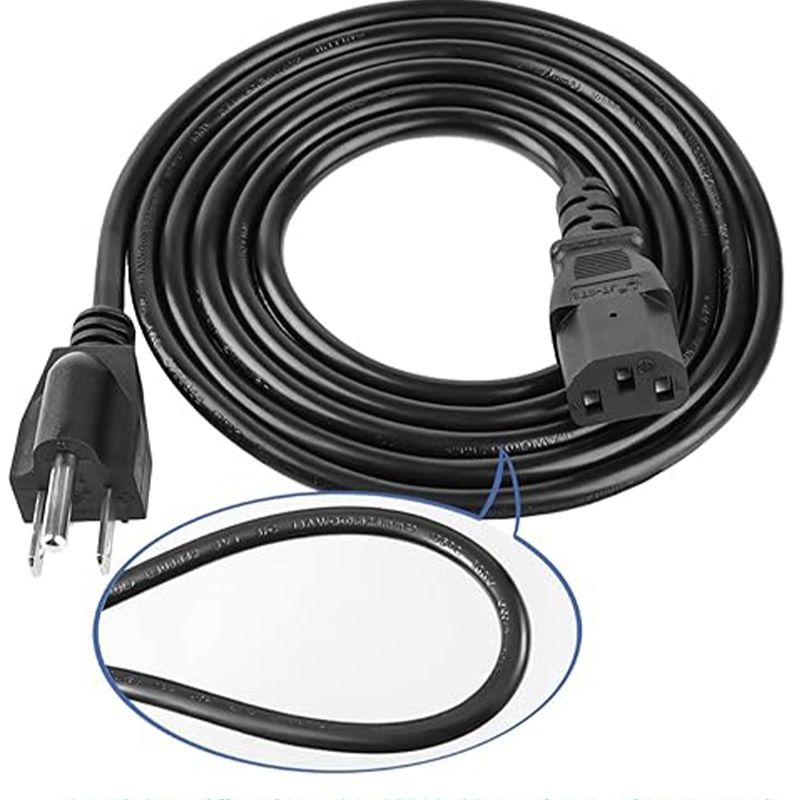
Never Bundle or Coil the Cable During Use
Coiled cables can trap heat and cause overheating.
Instead:
* Extend the cable fully
* Keep it straight and ventilated
Disconnect When Not in Use
If a power strip will not be used for a long time:
1. Unplug it from the wall outlet
2. Store it in a dry environment
3. Avoid humidity and dust
This prevents accidental damage and electrical hazards.
Additional Features That Improve Power Strip Usability
Modern power strips often include additional convenience features that improve functionality.
USB Charging Ports
Many power strips now include USB-A or USB-C charging ports.
Benefits:
* Charge smartphones and tablets directly
* Reduce the need for extra adapters
* Save outlet space
Typical output ranges from 5V / 2.4A to fast-charging USB-C ports.
Wider Socket Spacing
Wide socket spacing allows larger adapters to fit comfortably.
This prevents power adapters from blocking adjacent outlets, which is a common frustration with traditional power strips.
Surge Protection
Some power strips include surge protection circuits.
These protect connected electronics from voltage spikes caused by:
* Lightning strikes
* Power grid fluctuations
* Large appliance switching
Surge protectors are especially recommended for computers, TVs, and networking equipment.
Expert Insights from a Power Strip Manufacturer
As a manufacturer supplying OEM power strips and extension cords for global brands, we often see buyers focusing only on price.
However, professional procurement teams usually evaluate power strips based on three key factors:
1. Compliance with International Safety Standards
Different markets require different certifications:
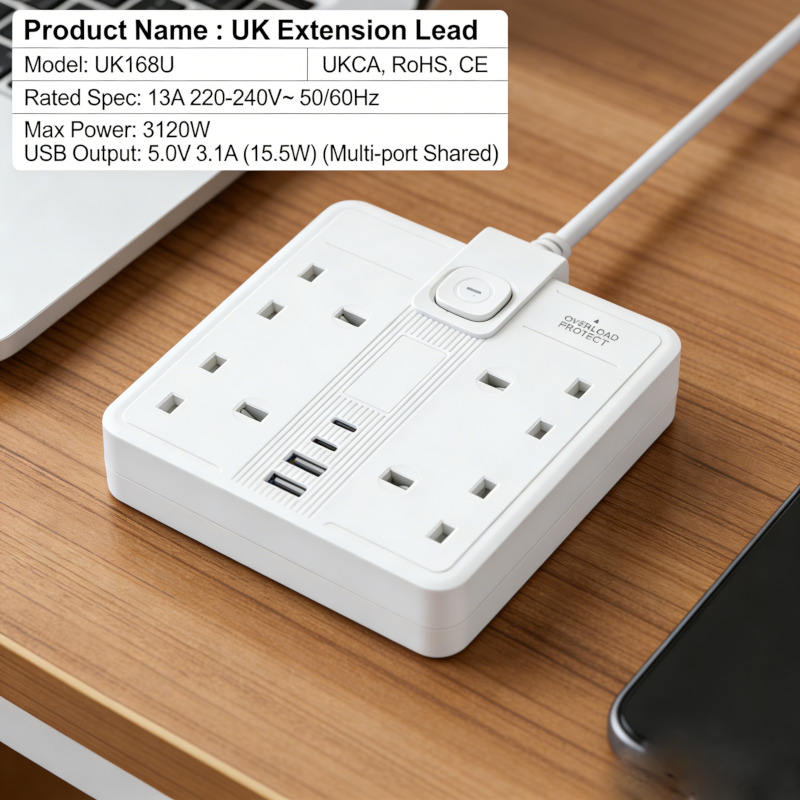
* UK – BS1363 / UKCA
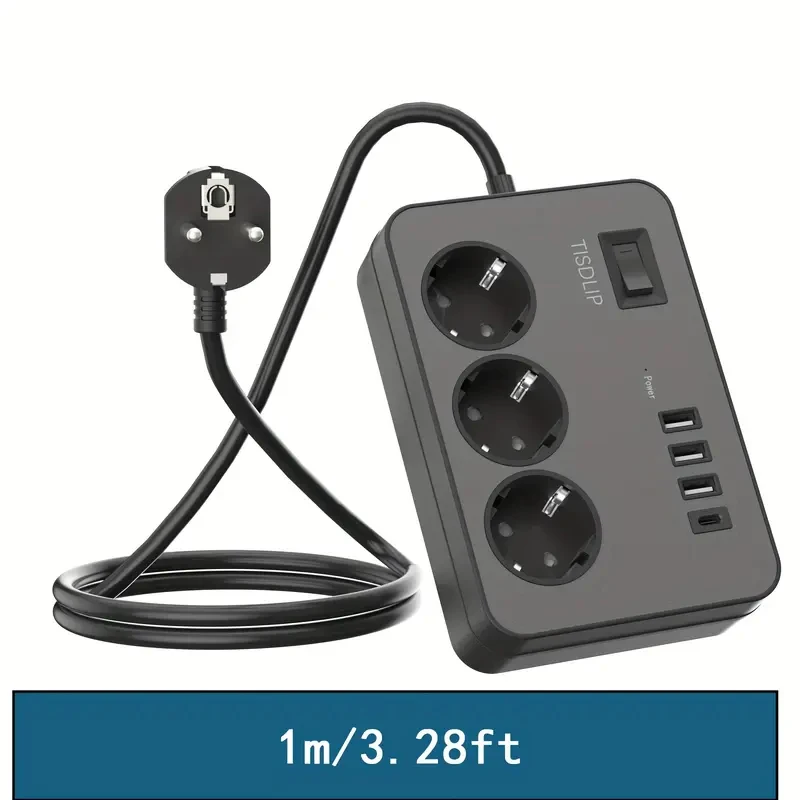
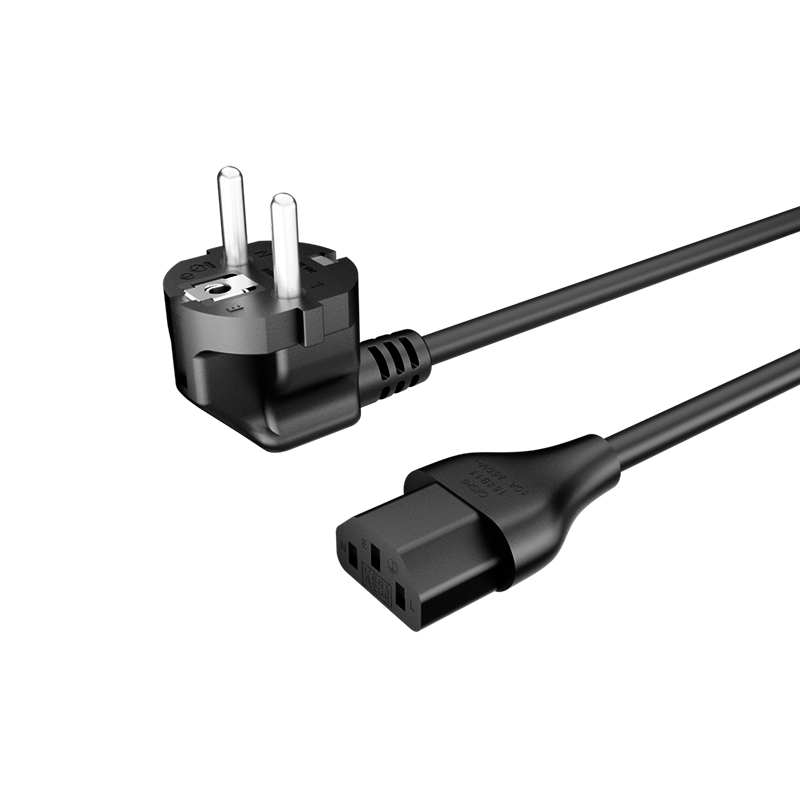
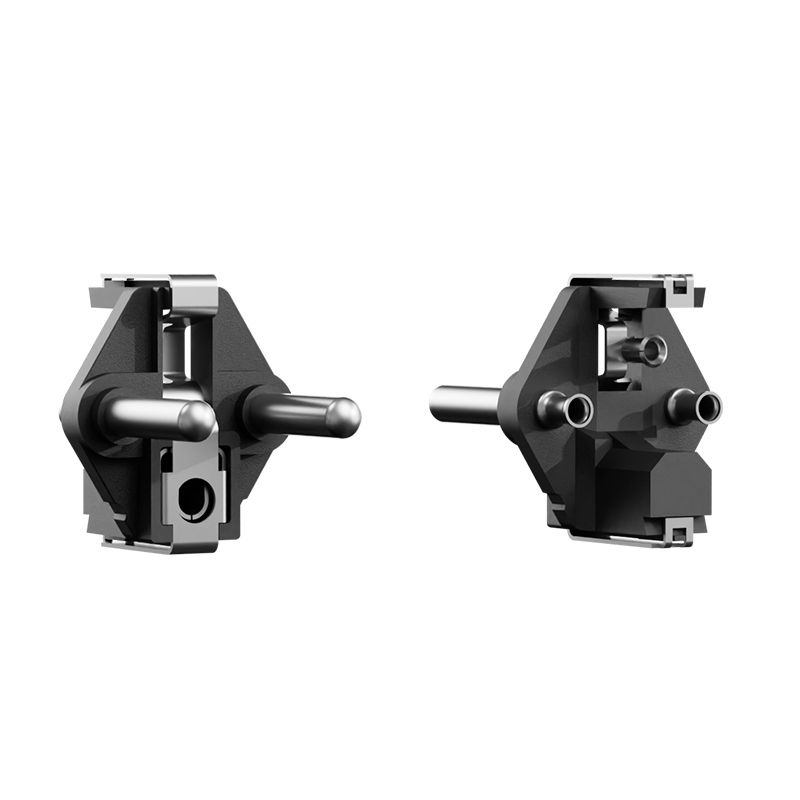
* Europe – CE / Schuko standards
* USA – UL or ETL
Failing to meet these standards can prevent products from entering the market.
2. Manufacturing Quality Control
Reliable manufacturers implement strict quality control processes such as:
* Incoming material inspection
* Automated assembly testing
* High-temperature aging tests
* 100% electrical safety testing
3. OEM and Customization Capabilities
Brand owners often require custom features such as:
* Customized cable length
* Logo printing
* Packaging design
* Multiple socket configurations
Working with an experienced OEM power strip manufacturer ensures consistent quality and faster delivery.
Recommended Visual Content for This Article
To improve reader engagement and SEO performance, the following visuals can be inserted:
1. Diagram of internal power strip structure
2. Image showing safety shutter mechanism
3. Comparison chart of certified vs uncertified power strips
4. Photo of flame-retardant PC housing test
5. Example of overloaded power strip vs normal load
Visual content improves dwell time and helps users understand technical features more clearly.
Conclusion
Choosing a safe power strip is not just about convenience—it is about protecting your home, devices, and workplace from electrical hazards.
When purchasing or sourcing power strips, always prioritize:
* Certified safety standards
* Overload protection
* Flame-retardant materials
* High-quality copper conductors
* Proper wire specifications
For businesses, working with a reliable power strip manufacturer ensures products meet international regulations while maintaining consistent quality.
Investing in a safe, certified power strip today can prevent serious electrical accidents tomorrow.
Call to Action
If you are looking for a reliable OEM power strip manufacturer for UK, EU, or US markets, our factory specializes in producing:
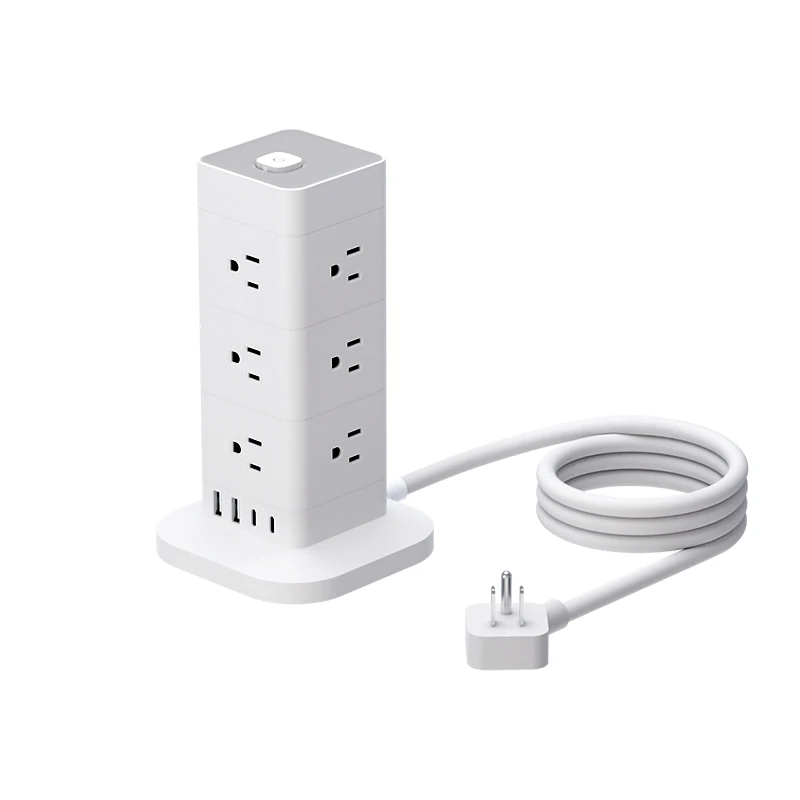
* UK power strips
* EU power strips
* US power strips
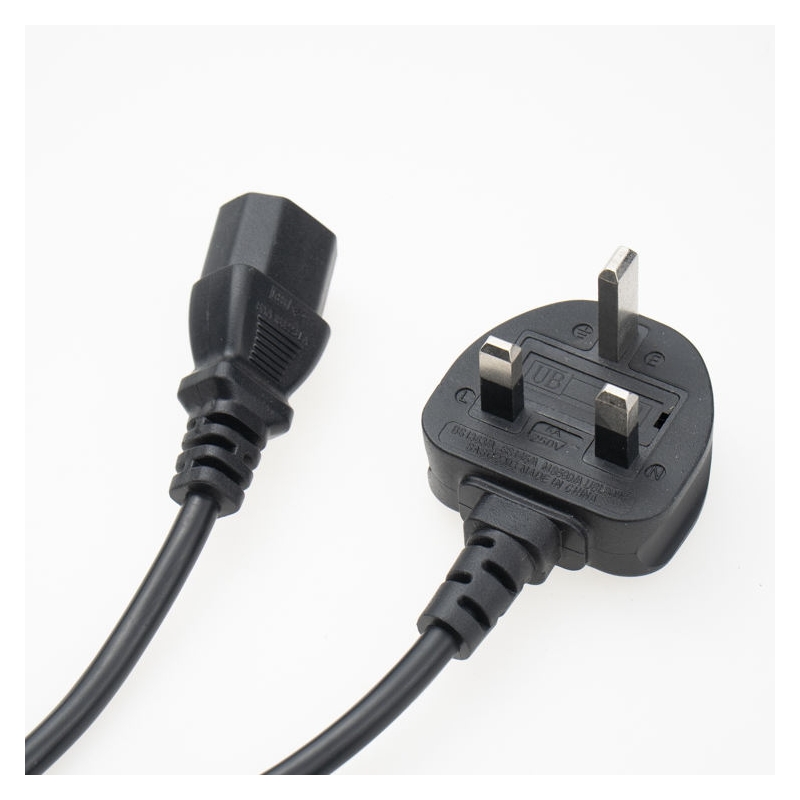
* Heavy-duty extension cords
* Custom OEM power distribution solutions
Contact us today to request samples or discuss your custom power strip project.
---
# FAQ (Frequently Asked Questions)
1. What is the safest type of power strip?
The safest power strip is one that includes certified safety standards, overload protection, safety shutters, and flame-retardant housing.
2. How many devices can I plug into a power strip?
This depends on the rated power capacity. Most household power strips support around 2500W to 3680W, depending on regional voltage.
3. Are cheap power strips dangerous?
Low-cost power strips without proper certification may use thin wiring and poor insulation, which increases the risk of overheating and fire.
4. Should power strips have surge protection?
Surge protection is recommended for electronics such as computers, TVs, and routers to prevent damage from voltage spikes.
5. What cable thickness is best for power strips?
For most homes:
* 1.0 mm² for standard devices
* 1.5 mm² or 2.5 mm² for high-power appliances
References
1. U.S. Consumer Product Safety Commission
2. International Electrotechnical Commission (IEC)
3. UL Electrical Safety Standards
4. European Commission CE Marking
5. UK Government Electrical Safety Regulations



 Email
Email