

Content Menu
● Why Extension Cord Selection Matters: Regional Safety Considerations
● Key Factors to Consider When Choosing the Right Extension Cord
● Extension Cords for Home Use: Safe Indoor Power in European and Gulf Homes
● Extension Cords for Outdoor Use: Weather and Heat Resistance
● Safety Statistics and Market Trends (Europe & GCC Focus)
● Common Mistakes to Avoid: Insights from Regional Users
● Step-by-Step Guide: Selecting and Safely Using Extension Cords
● Expert Insights from an OEM Extension Cord Manufacturer Serving Europe and GCC
● Maintenance and Longevity Tips for Regional Conditions
● Ready to Source the Right Extension Cord for Your Market?
<p>
Choosing the right extension cord for home and outdoor use requires careful attention to regional safety standards, voltage differences, and environmental conditions. As a professional OEM extension cord manufacturer with extensive experience supplying high-quality power solutions to brands, wholesalers, and production partners in Europe and the GCC countries (Saudi Arabia, UAE, Kuwait, Qatar, Bahrain, Oman, and Yemen), we understand the unique requirements of these markets.
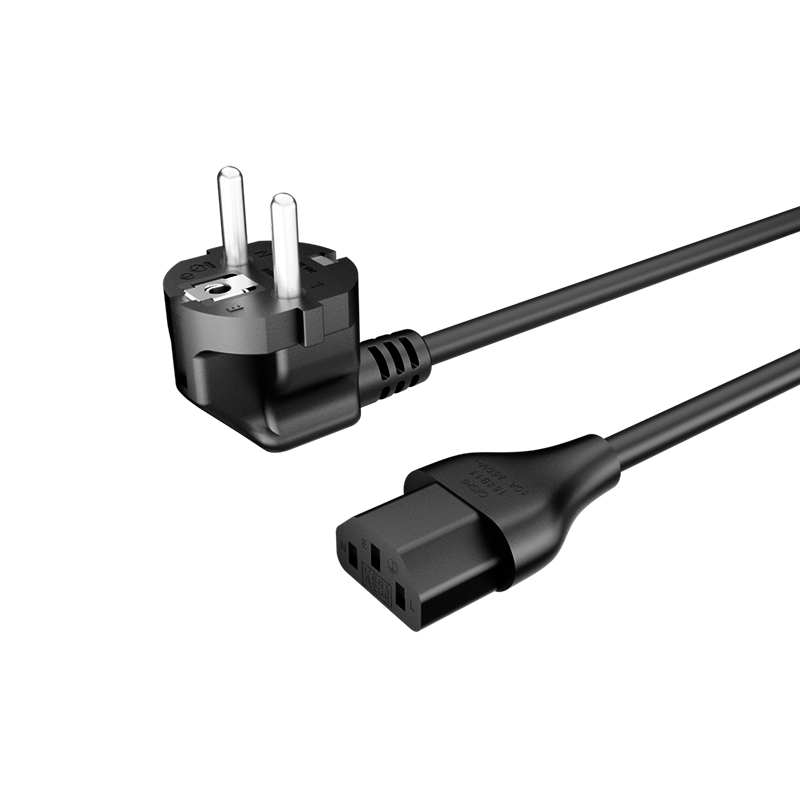
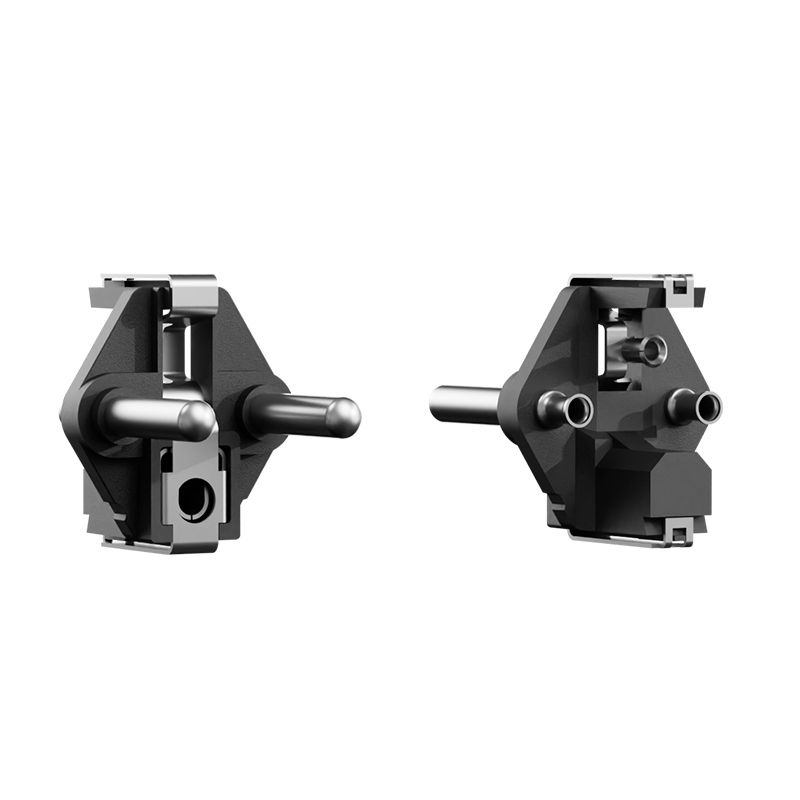
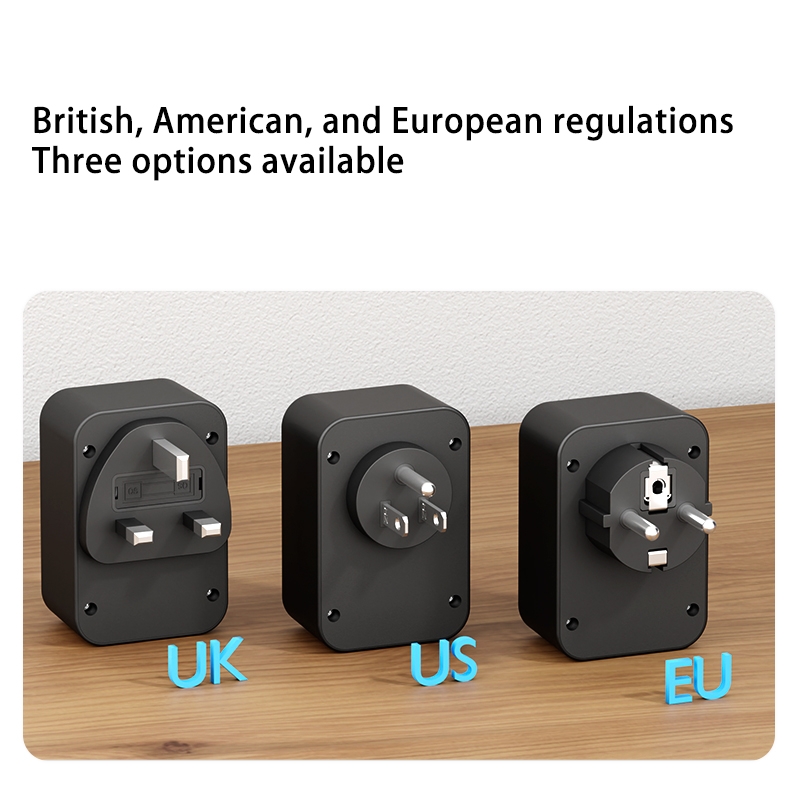
Europe operates primarily on 220-240V/50Hz with Schuko (Type F) or other regional plugs, while Gulf countries use 220-240V systems with varying plug types (often Type G in some areas or Type C/G). Selecting a cord that complies with local regulations prevents safety risks, ensures reliable performance, and avoids customs delays or product rejections.
This expert guide integrates industry best practices, real user feedback from European and Middle Eastern markets, and practical advice tailored to these regions. Whether powering household appliances indoors or heavy-duty equipment outdoors in hot desert climates or variable European weather, the right choice enhances safety and longevity.
Why Extension Cord Selection Matters: Regional Safety Considerations
Extension cords are temporary power solutions only — never permanent wiring. In Europe and the Gulf, electrical fires linked to improper cord use remain a concern. European data indicates that electrical incidents, including those involving extensions, contribute significantly to domestic fires, often due to overloading or unsuitable products.
Key regional factors include:
- Voltage and frequency compatibility (220-240V / 50Hz common across both markets)
- Plug and socket standards (Schuko in much of Europe, Type G or local variants in GCC)
- Harsh outdoor conditions — extreme heat in the Gulf or cold/wet weather in Europe
Understanding these helps avoid 90% of common issues from the start.
Key Factors to Consider When Choosing the Right Extension Cord
Focus on specifications that align with European and GCC market demands.
Wire Gauge (Cross-Sectional Area) and Current Rating
In Europe and the Gulf, cords are often specified by mm² rather than AWG. A 1.5 mm² cord suits light loads (up to 10-16A), while 2.5 mm² or thicker handles higher loads like power tools or heaters.
Practical reference for 220-240V cords (up to 20-30 meters):
- Light duty (lamps, chargers, up to 10A): 1.0–1.5 mm²
- Medium duty (small appliances, up to 16A): 1.5–2.5 mm²
- Heavy duty (tools, heaters, up to 20A+): 2.5–4.0 mm²
Expert tip from the factory: Select a cord rated at least 20% above your device's current draw. This margin is especially important in high-temperature Gulf environments where heat can reduce cable capacity.
Cord Length and Voltage Drop
Longer runs cause voltage drop, affecting performance. Keep cords as short as possible. For distances over 20 meters, use thicker cross-sections (e.g., 2.5 mm² or more) to maintain efficiency.
Indoor vs. Outdoor Ratings
Indoor cords lack weather protection. Outdoor cords must feature robust H05RN-F or H07RN-F rubber jackets (common in Europe) or equivalent weather-resistant insulation suitable for UV, oil, and extreme temperatures. In the Gulf, prioritize cords designed for high ambient heat (up to 50°C+).
Never use indoor-rated cords outdoors, as jackets degrade quickly in sunlight or moisture.
Safety Certifications for Europe and GCC Markets
- Europe: Look for CE marking (compliance with Low Voltage Directive 2014/35/EU and EN/IEC 60884 standards). RoHS and EMC directives also apply.
- GCC Countries: Require G-Mark (Gulf Conformity Mark) under GSO BD-142004-01 for low-voltage equipment. Saudi Arabia often mandates additional SABER/SQM registration.
Grounded plugs with proper earthing are essential for safety in both regions. Always verify the cord carries visible certification marks and correct regional plugs.
Extension Cords for Home Use: Safe Indoor Power in European and Gulf Homes
For indoor applications such as lighting, TVs, or kitchen appliances, choose flexible, grounded cords with 1.5–2.5 mm² conductors. In Europe, Schuko-style outlets are standard; in the Gulf, ensure compatibility with local socket types.
Households with children benefit from models with child-resistant features or surge protection. Many users in the UAE and Germany report better performance and cooler operation after switching to properly rated 2.5 mm² cords for seasonal lighting or multiple devices.
Extension Cords for Outdoor Use: Weather and Heat Resistance
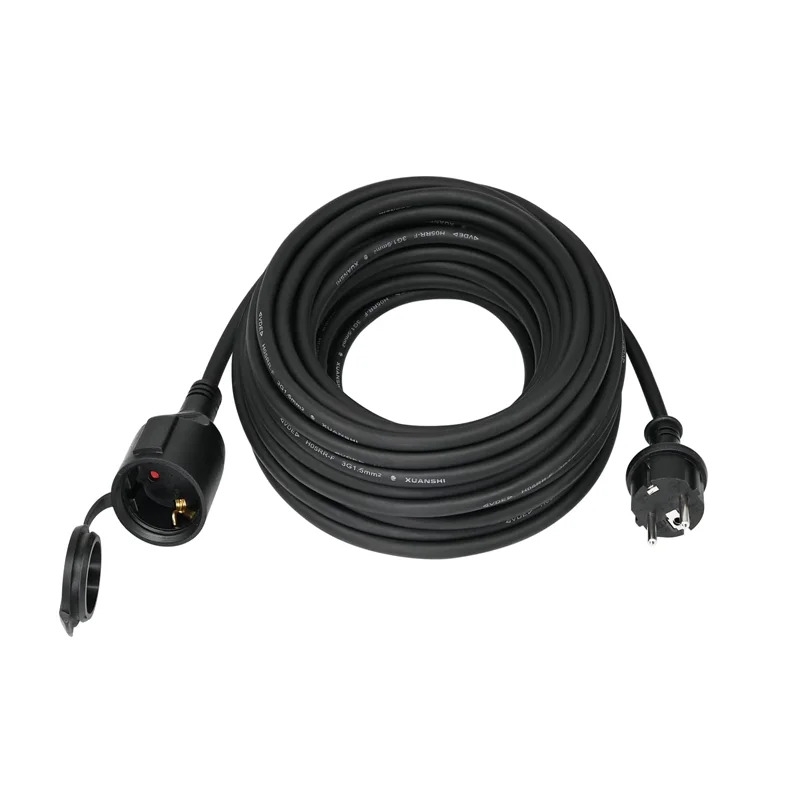
Outdoor use in Europe demands cold-flexible, waterproof jackets (e.g., H07RN-F). In the Gulf, focus on heat-resistant, UV-stable cords that perform reliably in intense sunlight and sand/dust conditions.
Recommended scenarios:
- Garden lights or patio fans: 1.5–2.5 mm², up to 20–30 meters
- Pressure washers, mowers, or construction tools: 2.5–4.0 mm², heavy-duty rubber jacket
Connect outdoor cords to RCD-protected outlets (residual current device, common requirement in Europe and increasingly in GCC) for protection against shocks from moisture or faults.
Safety Statistics and Market Trends (Europe & GCC Focus)
Electrical safety remains a priority. In Europe, electrical faults contribute to a notable portion of residential fires, with overloading and damaged cords frequently cited. In GCC countries, high temperatures accelerate insulation aging, making robust, certified cords critical.
Current trends include demand for heavy-duty outdoor cords with enhanced heat resistance and smart features (surge protection, USB integration) that still comply with CE or G-Mark. As an OEM supplier to these markets, we see growing preference for custom solutions meeting exact regional plug standards and environmental demands.
Common Mistakes to Avoid: Insights from Regional Users
Users across Europe and the Gulf frequently mention these errors:
1. Daisy-chaining cords — Increases resistance and heat, especially risky in hot climates.
2. Placing cords under rugs or in direct sun — Traps heat and causes degradation.
3. Ignoring damage — Frayed jackets or loose plugs require immediate replacement.
4. Using non-certified or wrong-region plugs — Leads to incompatibility or customs issues.
A common feedback from buyers in the Middle East: "The thin cord overheated quickly in summer heat — upgrading to a 2.5 mm² heavy-duty version with proper G-Mark made a huge difference."
Step-by-Step Guide: Selecting and Safely Using Extension Cords
1. Calculate load — Sum device wattage and divide by voltage (220-240V) to find amps.
2. Measure distance — Add 10-20% buffer for movement.
3. Choose specifications — Match mm² to load and length; select outdoor-rated jacket when needed.
4. Verify certifications — Confirm CE for Europe or G-Mark/SABER for GCC, plus correct plug type.
5. Inspect before use — Check for cuts, exposed wires, or wear.
6. Test safely — Connect one device at a time; monitor for warmth after 10-15 minutes.
7. Unplug when unused — Reduce fire risk and energy waste.
This checklist helps our European and GCC clients minimize returns and ensure compliance.
Expert Insights from an OEM Extension Cord Manufacturer Serving Europe and GCC
From our production lines supplying millions of units to these markets, we prioritize:
- High-purity copper for low resistance
- Durable insulation meeting H05/H07 standards (Europe) and GSO requirements (GCC)
- Custom private-label options with regional plugs and exact certifications
For demanding outdoor or high-load use, we recommend 2.5 mm² or 4.0 mm² heavy-duty cords. These provide superior longevity in both European winters and Gulf summers — often lasting significantly longer than basic alternatives.
We support brands with full OEM services, including CE/G-Mark compliance testing support and tailored packaging for local markets.
Maintenance and Longevity Tips for Regional Conditions
- Unplug when not in use
- Clean regularly to remove dust (critical in GCC)
- Store indoors away from extreme heat or cold
- Coil loosely to avoid internal damage
- Replace every 3–5 years or at signs of wear, especially in high-heat areas
Proper care extends safety and reduces replacement costs.
Ready to Source the Right Extension Cord for Your Market?
Whether you are a homeowner in Europe or the Gulf seeking reliable home and outdoor power, or a brand/wholesaler looking for compliant OEM extension cord solutions, the right partner makes all the difference.
Our factory specializes in CE-certified and G-Mark compliant extension cords, custom private-label production, and bulk supply tailored to European and GCC requirements. We deliver high-performance, weather-resistant cords engineered for local voltages, plugs, and climates.
Contact us today to discuss your wholesale, OEM, or private-label needs for the European and Middle Eastern markets.
References
1. European Commission – Low Voltage Directive 2014/35/EU and CE Marking Guidelines: https://ec.europa.eu/growth/sectors/electrical-engineering/low-voltage-directive-lvd_en
2. IEC/EN 60884-1 Standard for Plugs and Socket-Outlets: https://www.iec.ch/
3. Gulf Standardization Organization (GSO) – Technical Regulation BD-142004-01 for Low-Voltage Equipment: https://www.gso.org.sa/
4. SASO/SABER Requirements for Electrical Products in Saudi Arabia: https://saso.gov.sa/
5. Electrical Safety Foundation International – Extension Cord Safety: https://www.esfi.org/
6. European Cable Standards and CPR Information: https://cpr.europacable.eu/
FAQ
1. What certifications are required for extension cords in Europe?
CE marking is mandatory, demonstrating compliance with the Low Voltage Directive (LVD) and EN/IEC 60884 standards, along with RoHS and EMC where applicable.
2. What certification is needed for the GCC countries?
The G-Mark (Gulf Conformity Mark) is required under GSO BD-142004-01. Saudi Arabia often requires additional SABER registration.
3. Which conductor size (mm²) is recommended for outdoor tools in hot climates?
For most 16A tools, use at least 2.5 mm² heavy-duty cords with heat-resistant jackets to handle high ambient temperatures in the Gulf.
4. Can I use a European Schuko cord in GCC countries?
Plug compatibility varies — always match the correct regional plug type (e.g., Type G or local standard) and ensure voltage/frequency alignment (220-240V/50Hz common).
5. How often should extension cords be replaced in the Middle East?
Every 3 years or sooner in high-heat conditions, or immediately if showing signs of cracking, discoloration, or warmth during use.
6. What is the safest way to use outdoor extension cords?
Use RCD-protected outlets, keep cords elevated and visible, avoid daisy-chaining, and choose weather/heat-resistant models with proper certifications.



 Email
Email