

Content Menu
● What Is IEC 60320 and Why It Matters for Data Centers
● IEC 60320 Connector Numbering Explained: Odd vs Even Numbers
● C13 vs C15 vs C19 Power Cords: Key Differences in Current, Temperature & Applications
● C14 vs C20 Inlets: Which Power Input Is Right for Your Servers and PDUs
● IEC 60320 Power Cords Comparison Table (2026 Data Center Reference)
● 2026 Data Center Power Trends: Why C19/C20 Adoption Is Accelerating
● How to Choose the Right IEC 60320 Power Cord for Your Data Center (Step-by-Step Guide)
● Common Mistakes to Avoid When Buying Data Center Power Cords
● Why Choose Dongguan Zhenghao Electric as Your Trusted IEC Power Cord Manufacturer
● FAQ – Frequently Asked Questions
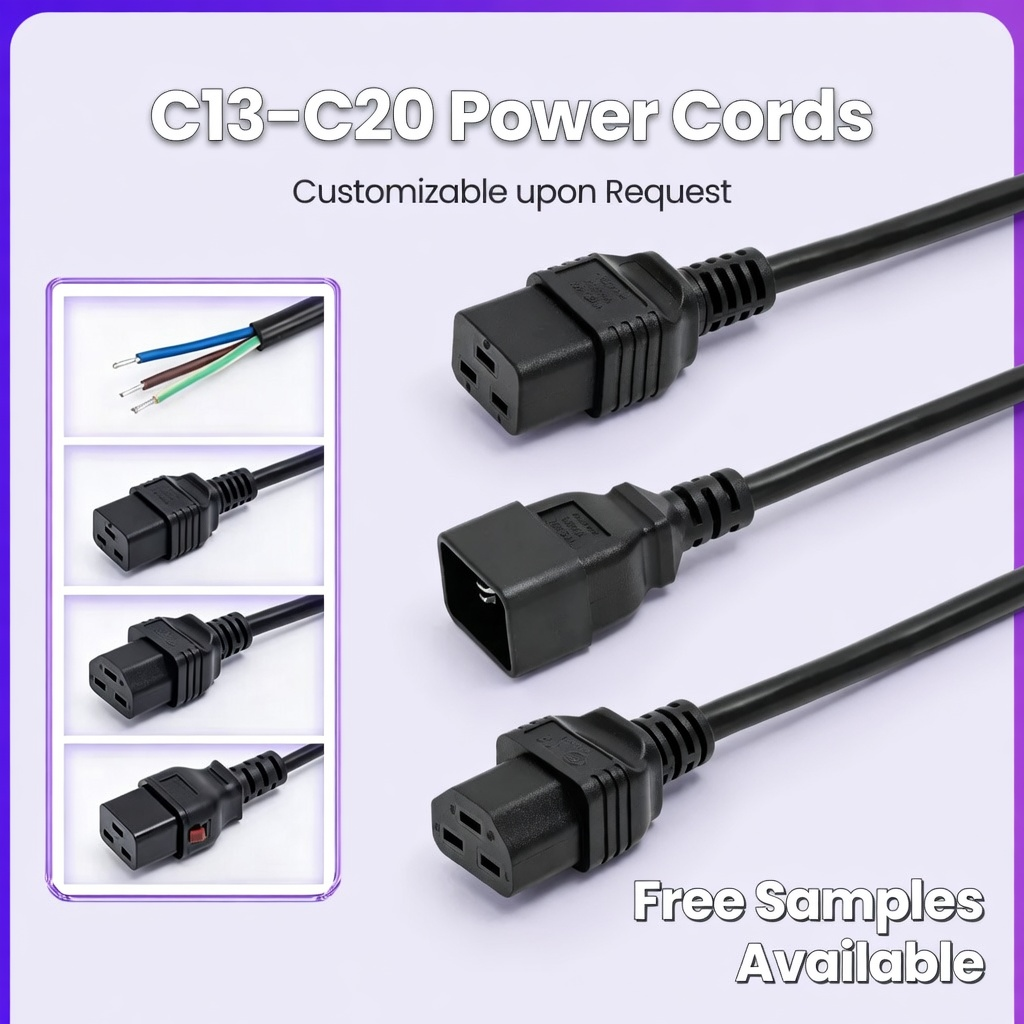
In modern data centers, servers manage massive network resources and require reliable power delivery. Server power cords are the critical link between Power Distribution Units (PDUs) and server power supplies. Selecting the correct IEC 60320 power cord directly impacts safety, uptime, and system efficiency.
Although national standards differ, IEC 60320 is the globally recognized international standard for appliance couplers. It caps voltage at 250V, with "C" as the connector code. Different current, voltage, and temperature ratings define the connector types. The most widely used in data centers are C13, C14, C15, C19, and C20 power cords.
What Is IEC 60320 and Why It Matters for Data Centers
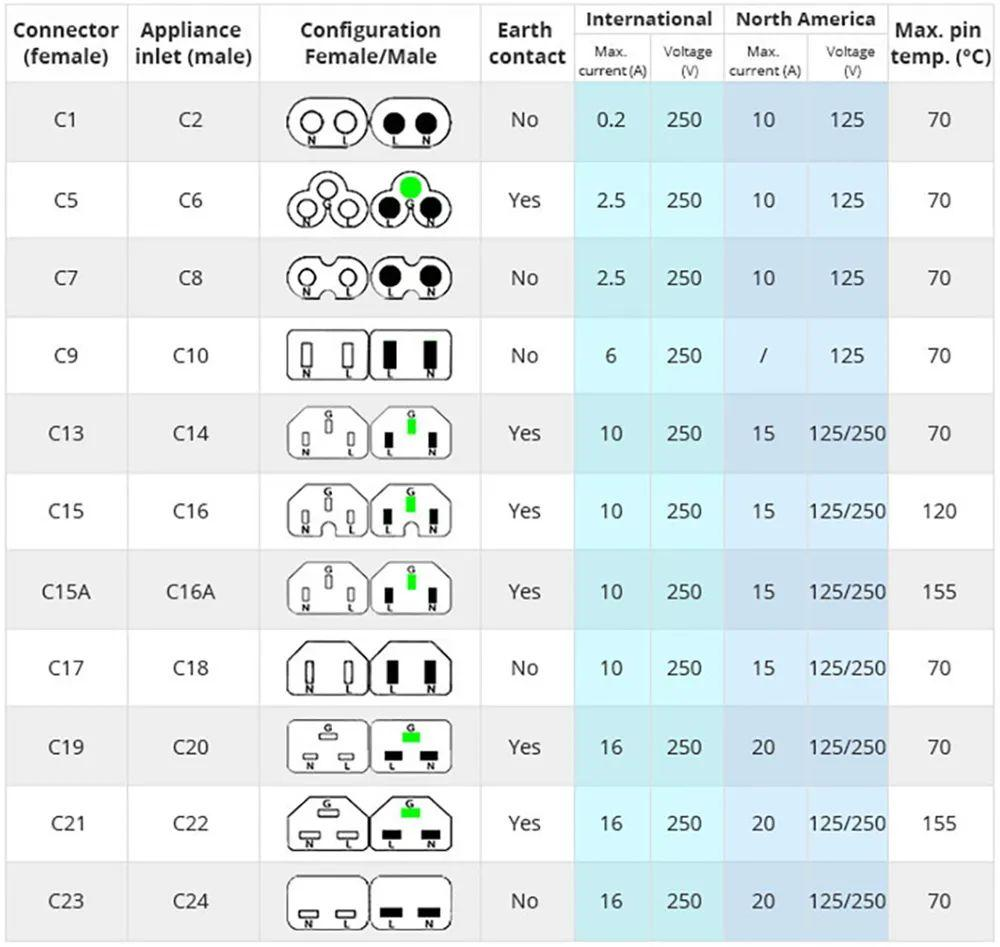
IEC 60320 is the international standard that ensures safe, standardized connections between power cords and equipment. It is adopted by nearly all major IT manufacturers and data center operators worldwide.
IEC 60320 Connector Numbering Explained: Odd vs Even Numbers
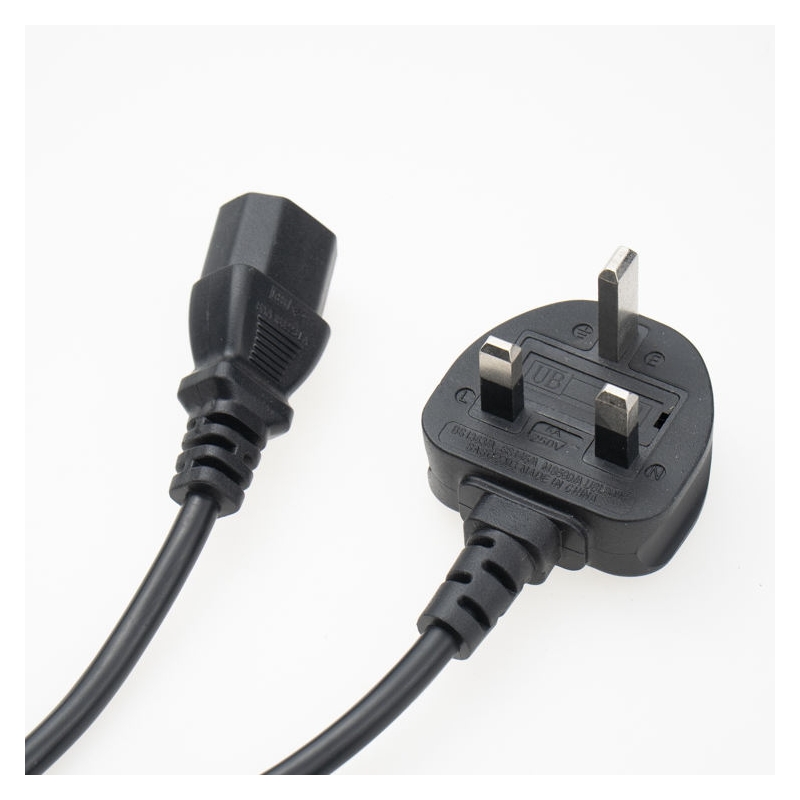
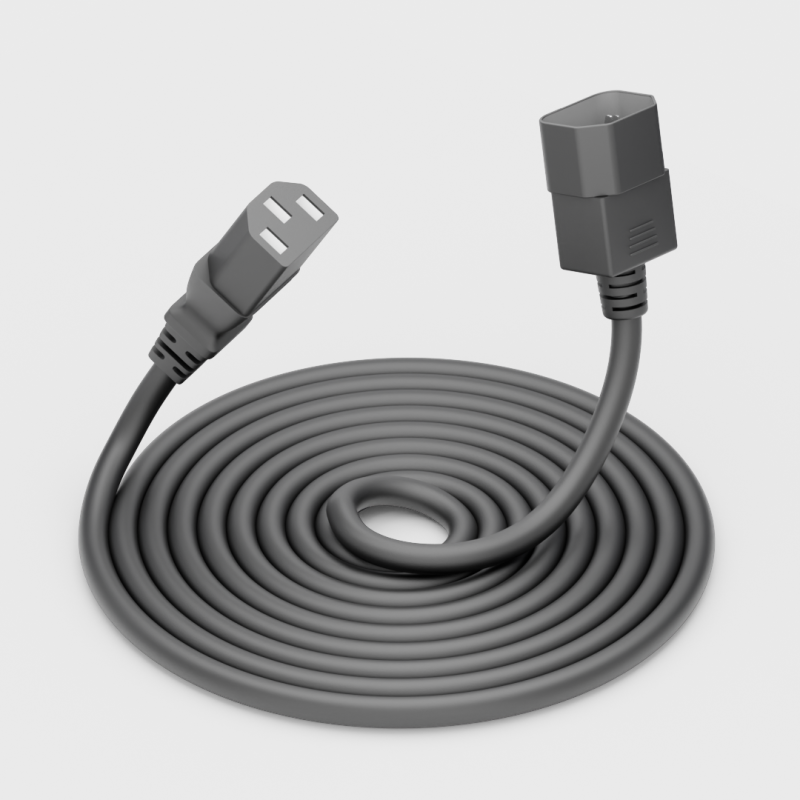
Odd numbers (C13, C15, C19) = Female connectors (power cord ends)
Even numbers (C14, C20) = Male inlets (on servers or PDUs)
This clear numbering system prevents mismating and reduces installation errors.
C13 vs C15 vs C19 Power Cords: Key Differences in Current, Temperature & Applications
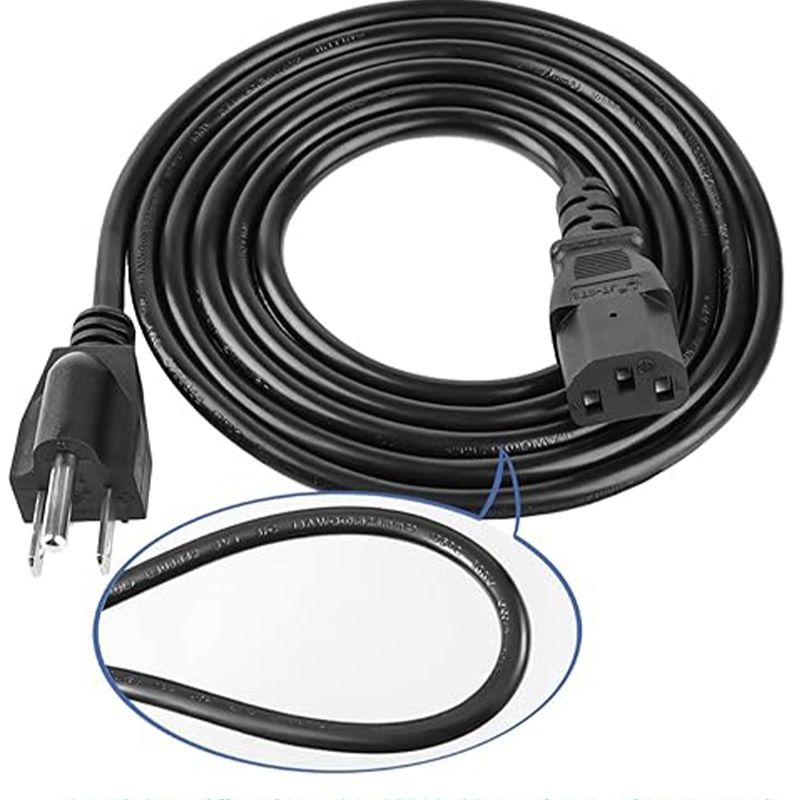
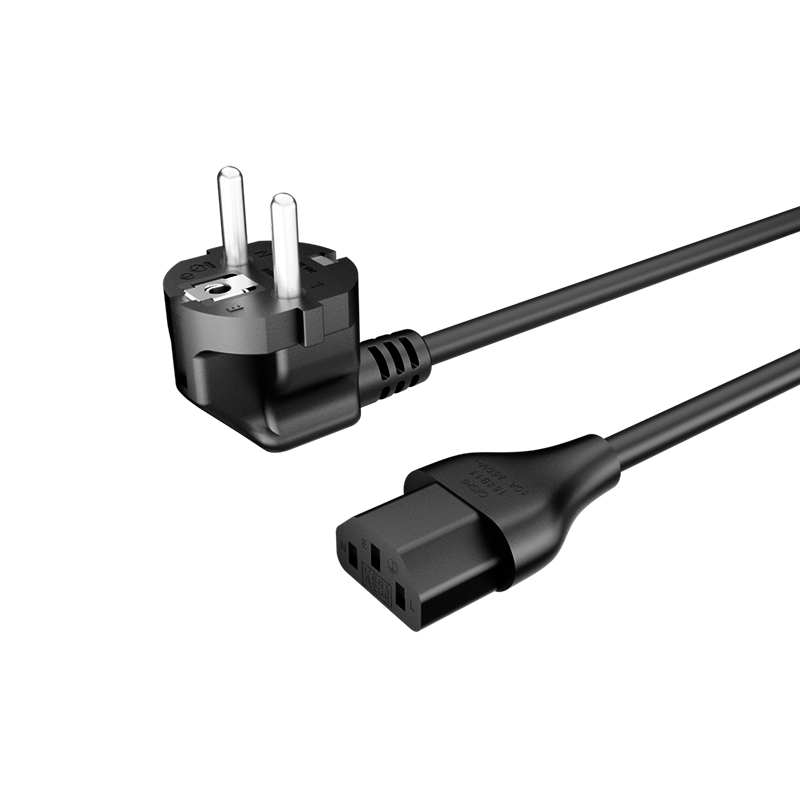
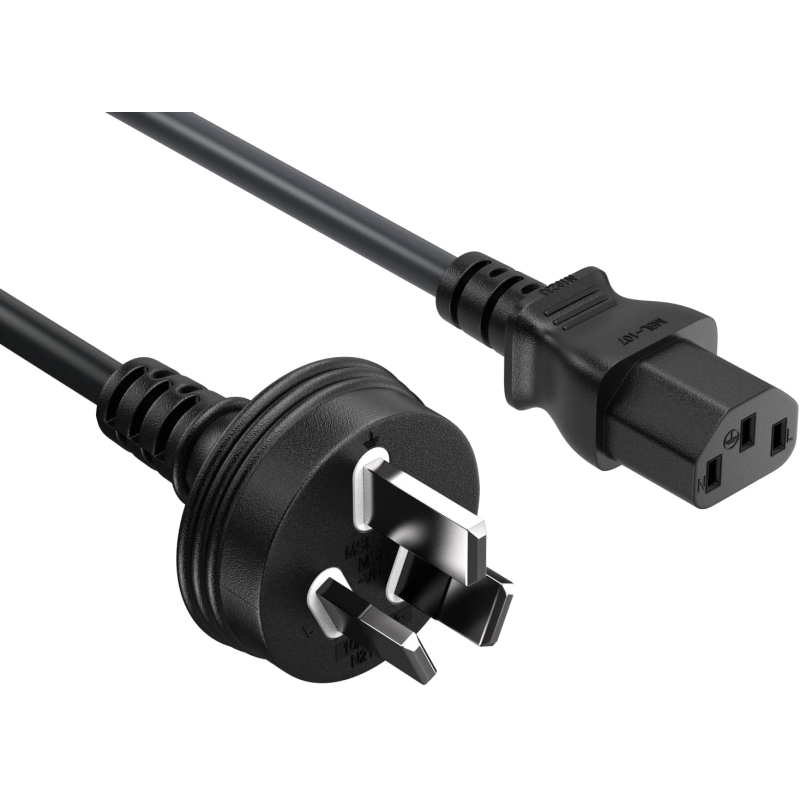
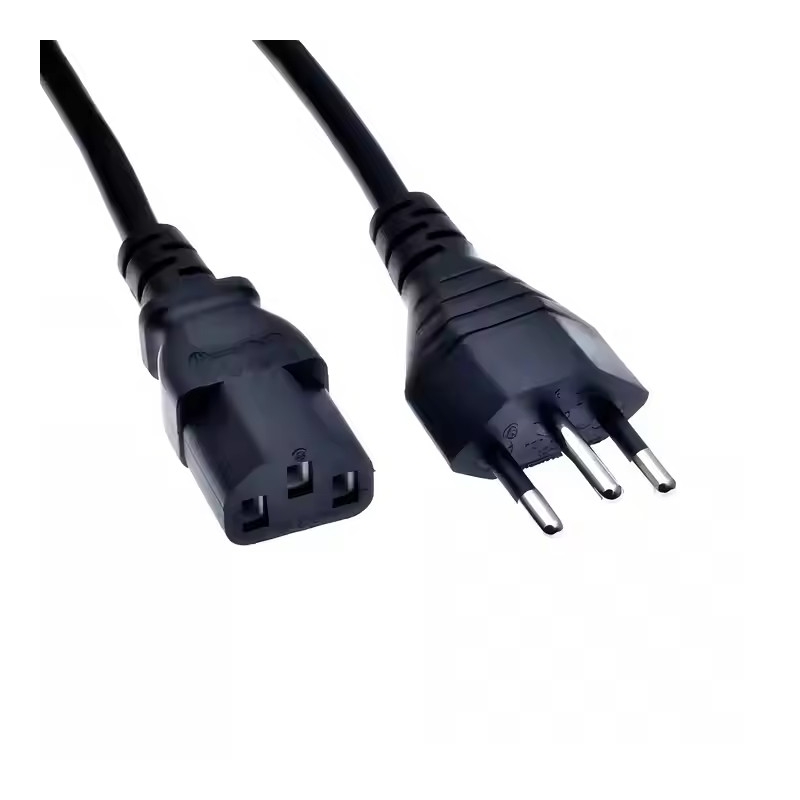
- C13 Power Cord (pairs with C14 inlet)
Rated 10A (IEC) / 15A (North America) at 250V | Max 70°C
Most common choice for standard servers, switches, and general IT equipment.
- C15 Power Cord (pairs with C16 inlet)
Rated 10A / 250V | Max 120°C (notched design)
Ideal for higher-temperature environments and hot-running devices.
- C19 Power Cord (pairs with C20 inlet)
Rated 16A (IEC) / 20A (North America) at 250V | Max 70°C
Designed for high-power enterprise servers, blade servers, storage arrays, and AI workloads.
C14 vs C20 Inlets: Which Power Input Is Right for Your Servers and PDUs
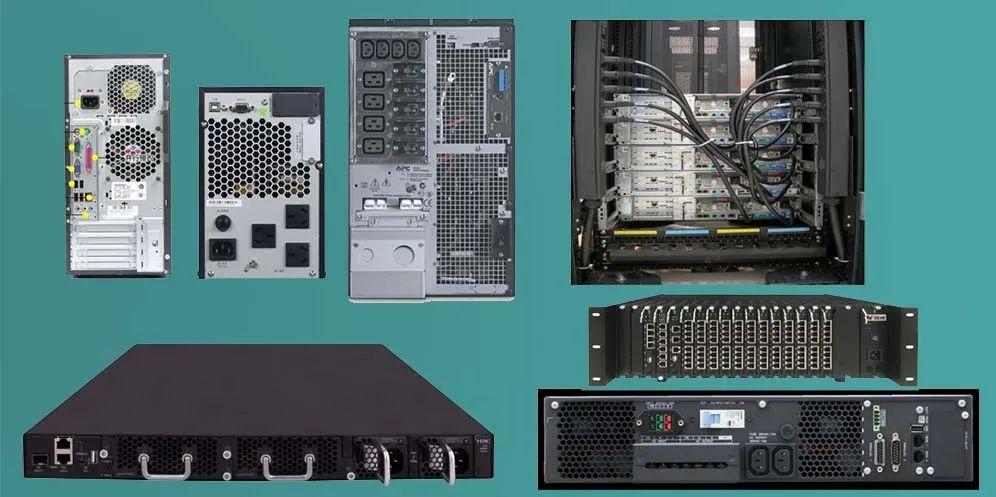
- C14 Inlet — Standard for 10–15A equipment
- C20 Inlet — Required for 16–20A high-power applications
Choosing the correct inlet prevents overloads and ensures compatibility with your PDU.
IEC 60320 Power Cords Comparison Table (2026 Data Center Reference)
| Connector Pair | Current Rating (250V) | Max Temp | Primary Data Center Applications | Best For |
|---|---|---|---|---|
| C13 / C14 | 10A / 15A | 70°C | Standard servers, networking gear | General-purpose racks |
| C15 / C16 | 10A | 120°C | Hot-running servers, PoE devices | High-temperature zones |
| C19 / C20 | 16A / 20A | 70°C | Enterprise servers, AI, high-density storage | High-power & future-proof racks |
2026 Data Center Power Trends: Why C19/C20 Adoption Is Accelerating
AI and high-density computing are driving demand for higher-current solutions. C19/C20 power cords are becoming the new standard to support increased power density and reduce downtime risks.
How to Choose the Right IEC 60320 Power Cord for Your Data Center (Step-by-Step Guide)
1. Determine exact power requirements from the server PSU nameplate.
2. Evaluate rack density and heat levels.
3. Confirm PDU outlet compatibility (C14 or C20).
4. Select certified cords (UL, CE, RoHS, REACH, etc.).
5. Plan cable management for airflow and maintenance.
Common Mistakes to Avoid When Buying Data Center Power Cords
- Using C13 on high-power equipment requiring C19
- Ignoring temperature ratings in hot aisles
- Purchasing non-certified or low-quality cords
Why Choose Dongguan Zhenghao Electric as Your Trusted IEC Power Cord Manufacturer
With over 20 years of experience, Dongguan Zhenghao Electric Co., LTD is a professional Chinese manufacturer of power cords, internal frames, extension cords, and cable assemblies. Our 40,000㎡ factory employs 300+ workers and features on-site testing laboratories authorized by Intertek, DEKRA (Germany), and SGS (Switzerland).
We specialize in custom OEM/ODM services for global brands and wholesalers, delivering fully certified IEC 60320 power cords with fast lead times and competitive pricing.
Ready to source high-quality data center power cords?
Contact us today for free samples and a custom OEM quote. Our team provides expert technical support to ensure the perfect match for your project.
FAQ – Frequently Asked Questions
Q1: What is the main difference between C13 and C19 power cords?
A: Current capacity — C13 supports 10-15A while C19 supports 16-20A, making C19 ideal for high-power servers and AI equipment.
Q2: Should modern data centers use C19/C20 power cords?
A: Yes. In 2026, C19/C20 has become the preferred choice for high-density and AI racks due to superior power handling.
Q3: Are C15 power cords commonly used in data centers?
A: They are used for specific high-temperature equipment, but C13 and C19 remain the primary options for most servers.
Q4: How long does it take to receive custom OEM samples?
A: Standard samples: 7–10 days; complex custom orders: approximately 15 days.
Q5: What certifications do your IEC 60320 power cords carry?
A: UL, cUL, CE, UKCA, RoHS, REACH, FCC, and market-specific approvals as required.
Q6: Do you support small quantity orders or flexible MOQ?
A: Yes. Free samples are available, and we offer flexible MOQ for testing and production.
References
- International Electrotechnical Commission (IEC) 60320 Standard
- Interpower Corporation – IEC 60320 Connectors Guide
- FS.com – IEC Connectors in Power Cords
- AndCable – Data Center Power Cord Types (2025–2026)
- Industry reports on global data center power infrastructure trends (2026)



 Email
Email