


Content Menu
● Common Signs of UK Plug Burning and Associated Dangers
● Main Causes of UK Plug Overheating and Melting (Ranked by Likelihood)
● 2026 Latest Statistics: How Serious Are UK Plug Fire Hazards?
● Real-World Case Studies: Small Plug Failures Can Cause Big Disasters
● Electrician's Expert Guide: 5-Step UK Plug Safety Self-Check (Do It Now)
● How to Properly Replace a Damaged UK Plug
● Take Action Now: Protect Your Home from UK Plug Fire Risks
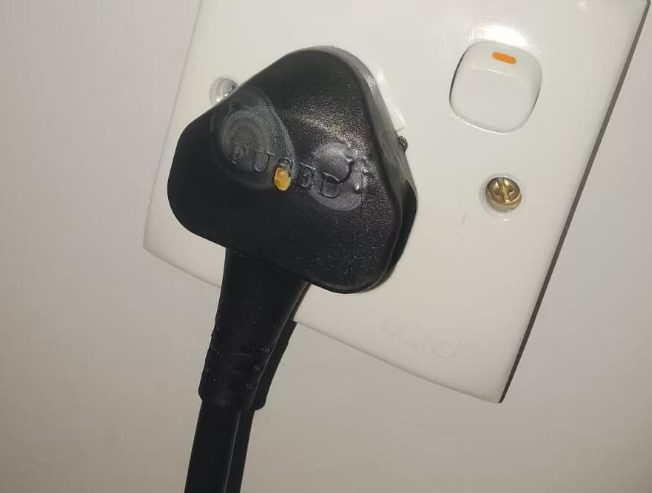
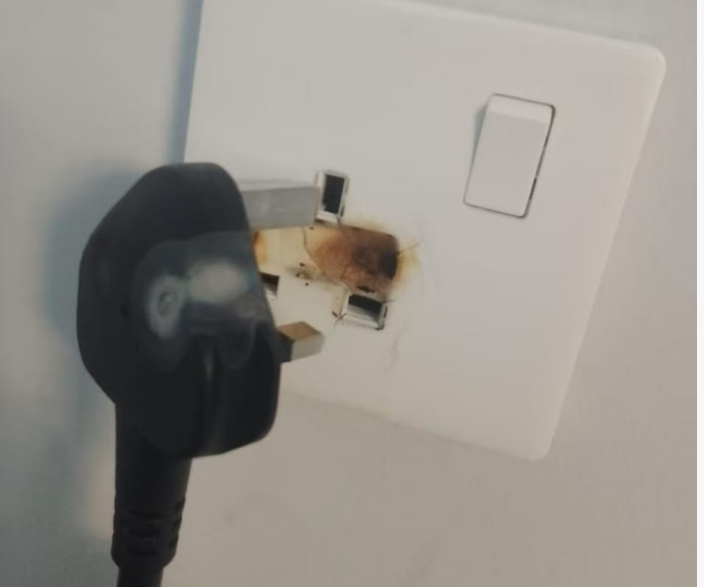
Have you noticed your UK plug (BS 1363 standard power cord) showing signs of scorching, melting, or even cracking like an "explosion"? This is not a random issue — it's a classic sign of electrical overheating. If left unaddressed, it can quickly escalate into a dangerous house fire.
This article draws from real user cases, the latest 2026 UK electrical fire statistics, and expert electrician insights to break down the root causes of UK plug burning or melting. You'll also get practical, step-by-step prevention and handling advice. Whether you're dealing with a British 3-pin plug, UK socket, or high-power appliance cords, this guide delivers actionable safety tips you can apply today.
The UK plug (BS 1363) is widely regarded as one of the safest plug designs globally, yet poor daily use still leads to frequent overheating incidents. Let's uncover the truth step by step.
Common Signs of UK Plug Burning and Associated Dangers
Typical photos from affected users show heavy blackening at the base of the metal pins, melted and deformed plastic housing, and scorch marks around the socket holes. This isn't simple warmth — it's localized high-temperature arcing, with temperatures spiking above 200°C (392°F) and potentially triggering a fire.
Immediate Warning Signs to Check:
- Plug or socket feels noticeably hot to the touch
- Burning plastic smell during use
- Sparks or "popping" sounds when plugging/unplugging
- Cable insulation softening, deforming, or cracking
Ignoring these signs with your UK plug can turn a minor fault into a full electrical fire within minutes.
Image Suggestion: Insert user-provided before-and-after photos of the burnt UK plug and socket here for strong visual impact.
Main Causes of UK Plug Overheating and Melting (Ranked by Likelihood)
1. Poor Contact — The #1 Hidden Culprit
Loose connection between the plug pins and socket spring clips (often due to aged sockets, repeated insertion causing clip fatigue, or incomplete insertion) dramatically increases resistance. By Joule's Law (P = I²R), this generates intense localized heat, melting plastic and causing arcing that worsens the damage. Burn marks concentrated at the pin base in photos are classic indicators of this issue.
2. Loose Fuse Inside the Plug
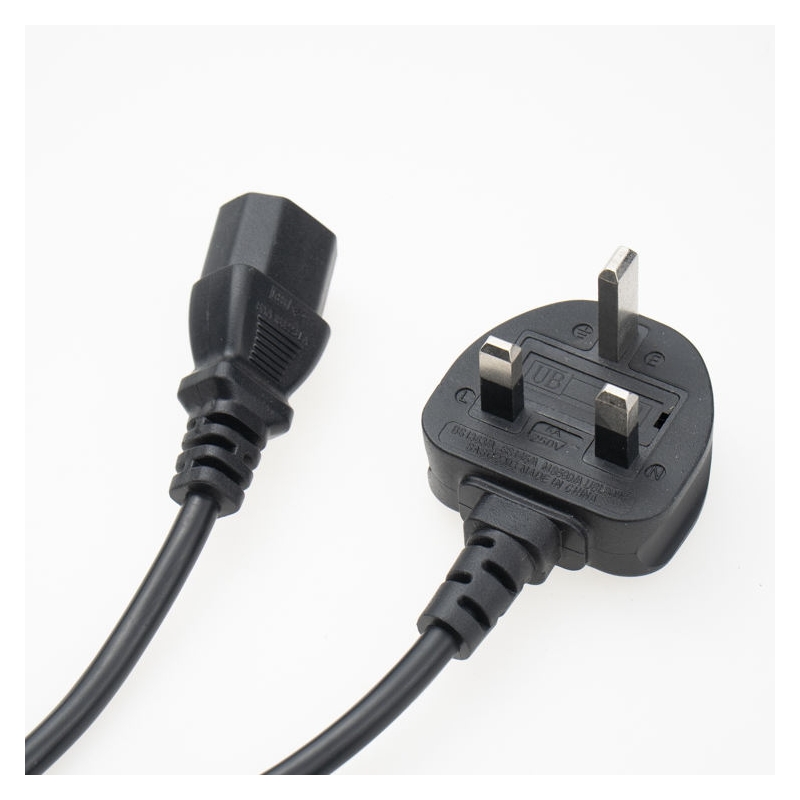
A unique safety feature of UK plugs is the built-in BS 1362 fuse. If the fuse sits loosely in its carrier (common in cheap plugs or poor assembly), high current makes the fuse itself overheat — sometimes melting the plug before the fuse blows. This risk spikes with high-wattage devices like kettles or heaters.
3. Overloading or Prolonged High-Current Use
A standard UK socket is rated at 13A (approx. 3000W). Running near or at this limit for extended periods, especially via extension leads or power strips, overheats contact points. Adding multiple heating appliances multiplies the danger.
Other Contributing Factors:
- Low-quality or aged plugs/sockets with oxidation
- Loose wiring screws behind the wall socket
- Arcing damage from unplugging without switching off power first
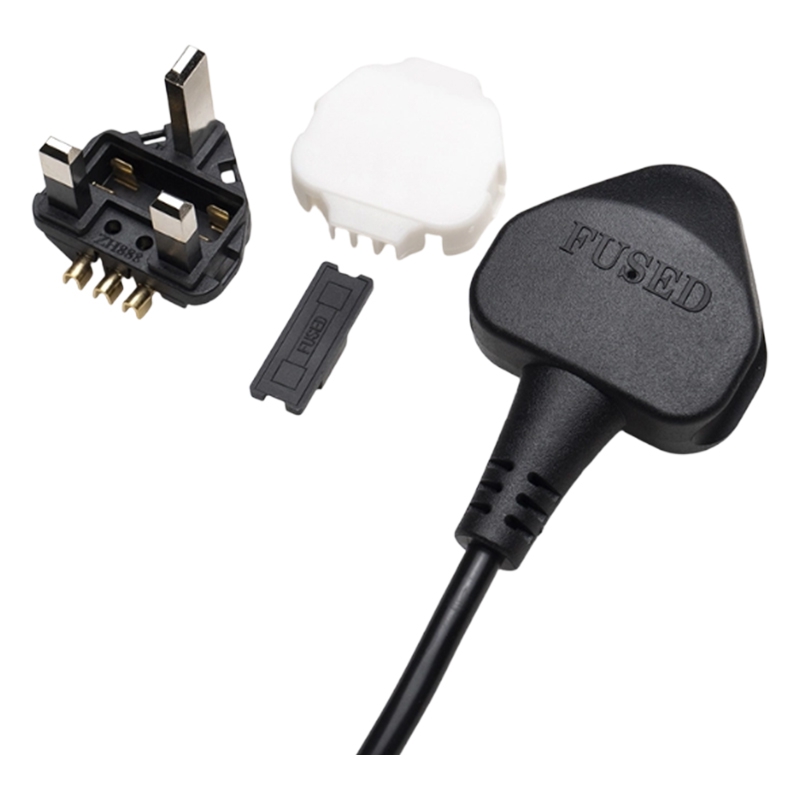
Image Suggestion: Place a clear exploded diagram of a BS 1363 plug here, with labels for the fuse, pins, and wiring terminals to help readers visualize failure points.
2026 Latest Statistics: How Serious Are UK Plug Fire Hazards?
According to the Institution of Engineering and Technology (IET) and Electrical Safety First, the UK sees approximately 19,300 accidental domestic fires of electrical origin each year. In England alone, 14,186 electrical dwelling fires account for 53.4% of all accidental dwelling fires.
Key insights:
- Faulty appliances and leads cause 25.9% of electrical fires.
- Misuse (including overloading) accounts for 46.5%.
- In 2024/25, England recorded over 1,140 electrical fires involving white goods — roughly three fires per day.
- Electrical fires cause significant damage: over £100 million annually to private property, with faulty appliances contributing £41.6 million.
These figures highlight that while UK plugs are well-engineered, contact issues and overloading remain major risks in the UK, Hong Kong, Singapore, and regions using BS 1363 standards.
Chart Suggestion: Insert a bar or pie chart here comparing "Electrical Fires (53.4%)" vs. other causes, plus the breakdown of faulty appliances/leads.
Real-World Case Studies: Small Plug Failures Can Cause Big Disasters
Forums like Reddit and electrician communities are full of UK plug melting reports where "the plug melted but the fuse didn't blow." Most trace back to loose fuses or fatigued socket clips. In one common scenario, a high-power heater on a cheap cord ran continuously, raising contact resistance until arcing and melting occurred.
Similar incidents in commercial settings or homes with old wiring have led to major property damage and, in worst cases, injuries or fatalities. These stories repeatedly show that a seemingly minor UK plug problem can affect the entire circuit.
Electrician's Expert Guide: 5-Step UK Plug Safety Self-Check (Do It Now)
Expert Tip: These steps require no special tools, but consult a qualified electrician if you're unsure.
1. Power Off and Inspect Visually — Unplug the cord and check pins for burn marks or deformation; look inside the socket for blackening or looseness.
2. Test Insertion Firmness — A good UK plug should click fully in with no wobble. Any play means the socket needs replacing.
3. Check the Fuse — Open the plug and ensure the correct amp fuse (usually 13A for high-power devices) is securely seated and shows no scorching.
4. Calculate Load — Use Electrical Safety First's online socket overload calculator to verify total appliance wattage stays under 3000W.
5. Schedule Professional Inspection — Have a Part P registered electrician check wall wiring and socket clip tension annually.
Helpful Comparison Table:
| Inspection Item | Good UK Plug Condition | Bad/Aged Condition | Risk Level |
|---|---|---|---|
| Pin Insertion Tightness | Firm click, no movement | Loose, wobbles easily | High |
| Fuse Condition | Secure, no heat marks | Loose, blackened, or deformed | Very High |
| Plastic Housing | Intact, no softening or cracks | Softened, scorched, cracked | Medium-High |
| Usage Pattern | Direct wall socket, high-power alone | Extension leads + multiple devices | High |
Video Suggestion:
How to Properly Replace a Damaged UK Plug
1. Buy a BS 1363-compliant plug from a reputable brand (e.g., MK, Schneider).
2. Wire strictly by color: Brown (Live) to fuse terminal; Blue (Neutral) to left; Green/Yellow (Earth) to longest pin.
3. Fit the correct fuse rating (13A for most high-power appliances).
4. Test afterward with a socket tester for proper polarity and earthing.
Critical Note: If the socket itself is burnt, only a qualified electrician should replace it — never attempt wall wiring yourself.
Take Action Now: Protect Your Home from UK Plug Fire Risks
A burning or melting UK plug is an early fire warning. Check every UK plug and socket in your home today, especially those powering kettles, heaters, air conditioners, or other high-wattage devices.
If you spot any issues, stop using the plug immediately and call a professional electrician. Prevention is always better than dealing with the aftermath — one thorough check could save your entire home.
Need personalized advice? Leave a comment below describing your UK plug setup or upload photos for targeted guidance.
Stay safe with UK plugs — start today!
FAQ: UK Plugs Melting and Fire Prevention (Schema-Ready)
Q1: Why do UK plugs melt even though they have a fuse?A: The fuse can overheat and melt the plug housing before it blows if it sits loosely or the contact resistance is high.
Q2: Are cheap UK plugs safe?A: No. Poor manufacturing often causes loose fuses and weak pins, dramatically increasing BS 1363 plug fire risk.
Q3: How often should I check my UK plugs?A: Visually inspect monthly and have a professional electrician perform a full check annually.
Q4: Can I fix a melted UK plug myself?A: Replace the plug if only the cord is affected; never reuse a burnt plug or socket.
Q5: What is the safest way to use high-power appliances in the UK?A: Plug directly into a wall socket (no extensions), never overload, and always use genuine BS 1363 plugs with the correct fuse.
References
1. The Institution of Engineering and Technology (IET). "Most Britons believe their home is electrically safe but new data says otherwise" (15 April 2026). https://www.theiet.org/media/press-releases/press-releases-2026/press-releases-2026-april-june/15-april-2026-most-britons-believe-their-home-is-electrically-safe-but-new-data-says-otherwise-warns-the-iet
2. Electrical Safety First. "Statistics – England" and "Facts and Figures". https://www.electricalsafetyfirst.org.uk/what-we-do/our-policies/westminster/statistics-england/ and https://www.electricalsafetyfirst.org.uk/what-we-do/facts-and-figures/
3. Electrical Safety First. "Overloading Sockets" Guide and Socket Calculator. https://www.electricalsafetyfirst.org.uk/guidance/safety-around-the-home/overloading-sockets/
4. Electrical Safety First. "Plugs and Fuses" Safety Advice. https://www.electricalsafetyfirst.org.uk/guidance/safety-around-the-home/plugs-and-fuses/
5. UK Government Fire and Rescue Incident Statistics (2024/25 data). https://www.gov.uk/government/statistics/fire-and-rescue-incident-statistics-year-ending-september-2025
6. Electrical Technology. "How to Wire a UK 3-Pin Plug" (wiring and internal structure reference). https://www.electricaltechnology.org/2021/05/wiring-uk-3-pin-plug.html
This article is based on official statistics and electrician best practices to raise awareness of electrical safety. All repair recommendations should be carried out by a qualified professional. For site-specific advice, consult a licensed electrician. Feel free to comment with questions.



 Email
Email