


Content Menu
● Why Copper Prices Are Soaring in 2026 — And Why It Matters for Every Meter of Power Cord
● How Copper's Rally Is Lifting Aluminum Prices (And Creating Your Best Cost-Saving Opportunity)
● The Real Pain Points — And How Leading Manufacturers Are Fixing Them
● Your 5-Step Playbook to Protect Margins in Power Cords Manufacturing
● What This Means for Your Bottom Line Through 2030
● FAQ
If you make or buy power cords for a living, you already know the pain. Copper prices have shot through the roof in 2026, with LME copper sitting at $13,300–$13,500 per tonne and Chinese benchmarks pushing past RMB 98,000 per tonne earlier this year. That single raw material can eat up 60–70% of your total cost of goods sold. Margins are getting squeezed, customers are pushing back on price hikes, and every quote feels like a gamble.
This isn't some short-term spike. It's a real, fundamental shift driven by tight supply, exploding demand from EVs, renewables, and AI data centers, plus easy money from expected Fed rate cuts. The result? The copper-aluminum price ratio has climbed above 4.0 — the exact level where switching to aluminum in power cords stops being "maybe someday" and becomes the smartest move you can make right now.
Here's the no-fluff breakdown: why copper is driving aluminum prices higher, what it really means for your power cords business, real numbers from companies already doing it, and the exact 5-step playbook that's protecting profits for manufacturers who get ahead of the curve.
Why Copper Prices Are Soaring in 2026 — And Why It Matters for Every Meter of Power Cord
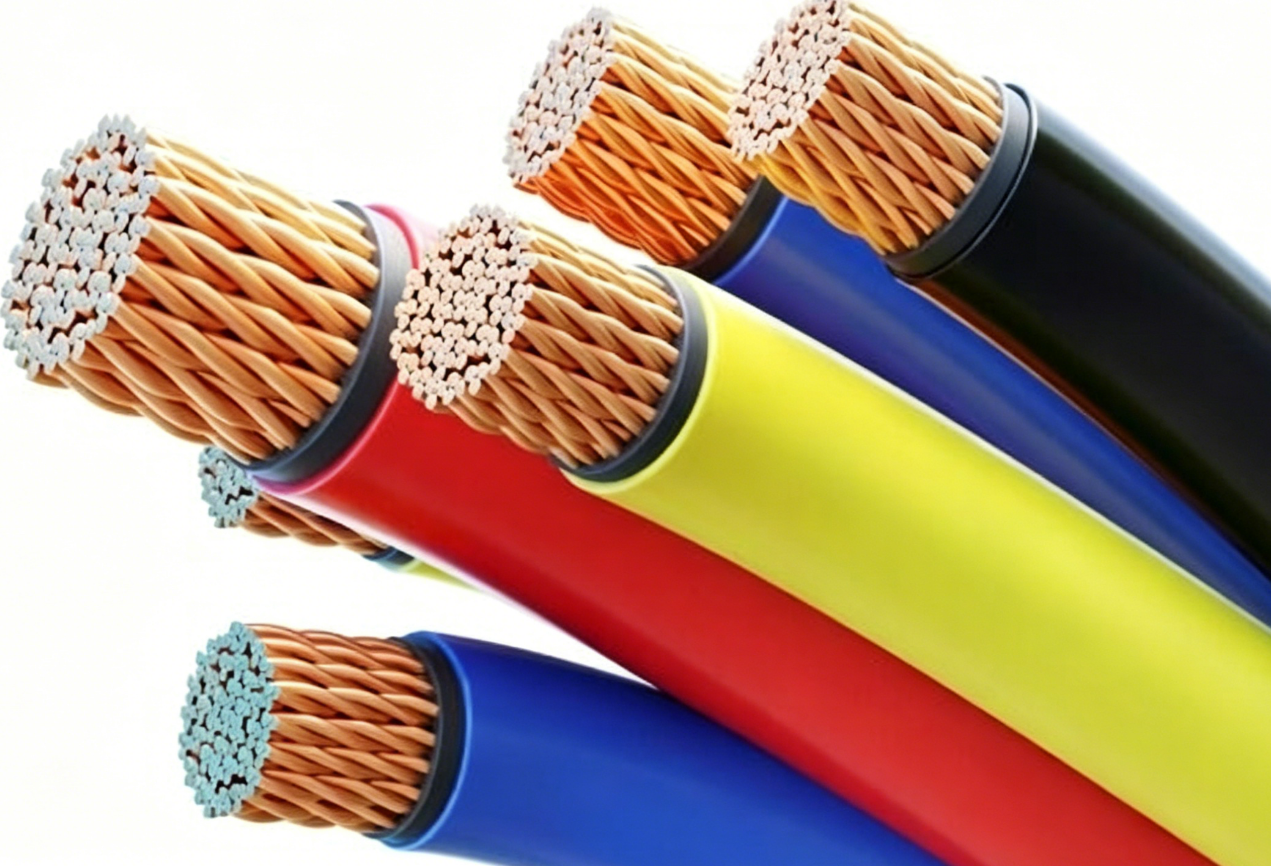
Four big forces are hitting at once:
- Supply is locked down hard. Global mine supply growth is stuck at just 1.2% this year. The Grasberg mine landslide in Indonesia wiped out 470,000–800,000 tonnes. In China, over two-thirds of major smelters shut down for maintenance in April, cutting refined copper output by about 450,000 tonnes. Treatment charges (TC/RC) have gone negative — a clear red flag that refiners are hurting.
- Demand is on fire. EVs use 4–5 times more copper than old gas cars. Solar takes 500 kg per GW, wind takes 2,500 kg per GW. AI data centers are the new "copper hogs," swallowing thousands of tonnes each. Add in China's factory rebound and 40–50-year-old grids in the US and Europe that finally need replacing, and the deficit is real. J.P. Morgan sees a 330,000-tonne global shortfall this year.
- Macro tailwinds are strong. US CPI cooled to 2.1%, opening the door for the first Fed rate cut in June and more later. A weaker dollar lifts all dollar-priced metals.
- Stocks are vanishing fast. Shanghai copper inventories have dropped sharply, and spot markets have flipped into "panic buying" mode.
For power cords makers, this means every reel of wire costs more — and the pain goes straight to your bottom line unless you act.
How Copper's Rally Is Lifting Aluminum Prices (And Creating Your Best Cost-Saving Opportunity)
Copper and aluminum prices move together 70–90% of the time because they share the same macro drivers. When copper runs, aluminum follows — but the real kicker is substitution.
At a copper-aluminum ratio above 3.5–4.0, aluminum becomes the clear winner for many power cords. Right now the ratio is hovering around 4.1. That's not theory. It's math:
- Aluminum costs 30–50% less per tonne and weighs only one-third as much as copper.
- Yes, you need a slightly bigger cross-section to match conductivity (aluminum is about 61% as conductive), but total material + shipping costs still drop 30–50%.
- Logistics win big: lighter reels mean lower freight bills, especially on exports to price-sensitive markets in Southeast Asia, Africa, and Latin America.
2026 Copper vs Aluminum Quick Comparison
| Metric | Copper | Aluminum | Real-World Win for Power Cords |
|---|---|---|---|
| LME Price (USD/tonne) | $13,300–$13,500 | $3,550–$3,600 | Aluminum 70–75% cheaper |
| Conductivity | 100% | ~61% | Slightly larger gauge, but still cheaper overall |
| Weight | Baseline | 30% of copper | Big savings on shipping and installation |
| Substitution Trigger | Ratio >3.5–4.0 | Already at ~4.1 | Strong economics right now |
This is why more power cords makers are quietly moving 30–65% of their volume to aluminum or copper-clad aluminum hybrids — without losing performance in most low- and medium-voltage applications.
The Real Pain Points — And How Leading Manufacturers Are Fixing Them
Power cords buyers and makers are feeling three things right now:
1. Margins are disappearing. Copper price hikes can't all be passed on. Customers want stable pricing.
2. Quote validity is shrinking. Everyone is shortening validity to 5–7 days max, but that creates chaos in sales and planning.
3. Supply chain risk is through the roof. One more mine disruption or smelter outage and you're scrambling.
The winners aren't waiting. They're already shifting:
- A European data-center supplier replaced 40% of its low-voltage feeder power cords with aluminum in Q1 2026. Raw material costs fell 28%, and lighter reels sped up deliveries.
- A Chinese exporter making 7–22 kW EV chargers now uses aluminum-alloy cables for 65% of output. They locked aluminum prices six months ahead and turned copper volatility into a competitive edge.
- A US solar installer switched DC cabling to aluminum on a 100 MW project and saved nearly 40% on materials while staying on budget.
These aren't hypotheticals. They're happening today and delivering measurable ROI.
Your 5-Step Playbook to Protect Margins in Power Cords Manufacturing
Stop reacting. Start doing this:
1. Shorten and index your pricing. Make quotes valid for 5–7 days only. Tie every order to weekly copper/aluminum index pricing so you're never stuck.
2. Shift your conductor mix. Target 30–50% aluminum or hybrid designs in new lines. Run accelerated life testing now so you're ready for certification.
3. Hedge like a pro. Use LME futures or OTC swaps to cover 3–6 months. Keep a smart physical buffer. This combo has saved clients 15–25% on margins in recent quarters.
4. Diversify your aluminum supply. Lock in stable sources (Gulf region or tariff-friendly producers) and negotiate volume freight discounts.
5. Upgrade your termination tech. Modern crimps and coatings have solved the old aluminum reliability issues. Invest once and you're set for years.
Do even three of these and you'll turn a cost crisis into a competitive advantage.
What This Means for Your Bottom Line Through 2030
Copper deficits are expected to widen to 2 million tonnes by 2030 thanks to AI and electrification. Aluminum supply is more flexible. The high copper-aluminum ratio isn't going away soon — which means the substitution window in power cords is wide open for the next several years.
Smart manufacturers are using this time to redesign product lines around hybrid conductors. The payoff? Lower and more stable costs, stronger ESG credentials, and a clear edge in export markets.
Ready to stop losing money on copper?
If you manufacture or source power cords, now is the time to rethink your conductor strategy. Drop a comment below with your biggest pain point or reach out for a no-cost 30-minute supply-chain review. The companies acting today are the ones who will still be profitable when the next cycle turns.
References
Forbes – “Aluminum Hitches A Ride On The Strong Copper Price” (Jan 20, 2026) – https://www.forbes.com/sites/timtreadgold/2026/01/20/aluminum-hitches-a-ride-on-the-strong-copper-price/
J.P. Morgan Global Research – “Copper Market Outlook” (Nov 28, 2025) – https://www.jpmorgan.com/insights/global-research/commodities/copper-outlook
S&P Global – “Copper in the Age of AI” (Jan 8, 2026) – https://www.spglobal.com/en/research-insights/special-reports/copper-in-the-age-of-ai
LME Official Data – Copper & Aluminium Prices (April 2026) – https://www.lme.com/metals/non-ferrous/lme-copper
SunSirs – “Copper Prices Soar 50% in a Year” (Jan 30, 2026) – https://www.sunsirs.com/uk/detail_news-30231.html
Reuters – “Global power grid expansion fuels fresh copper demand” (Jul 31, 2025) – https://www.reuters.com/sustainability/climate-energy/global-power-grid-expansion-fuels-fresh-copper-demand-surge-2025-07-31/
Mining.com – “Firms substituting cheaper aluminum for copper” (Oct 1, 2024, updated context 2026) – https://www.mining.com/web/firms-substituting-cheaper-aluminum-for-copper-trend-growing/
NPC Electric – “Copper vs Aluminum Cable for Export: Cost & Market Guide 2026” – https://www.npcelectric.com/news/copper-vs-aluminum-cable-for-export-which-to-choose-in-2026-cost-market-guide.html
FAQ
1. What is the current copper-aluminum ratio and why does it matter for power cords?
It's sitting above 4.0 in 2026. Once it crosses 3.5–4.0, aluminum delivers 30–50% material cost savings in most power cords applications.
2. Can aluminum completely replace copper in power cords?
Not everywhere. High-reliability data centers or premium applications still need copper. But for EV chargers, solar feeders, and standard wiring, aluminum and hybrids work great and save serious money.
3. How fast can a power cords manufacturer switch to aluminum?
Most can move 30–50% of volume in 3–6 months with updated tooling and testing. The early movers are already banking the savings.
4. Will Fed rate cuts keep supporting higher copper and aluminum prices?
Yes. History shows metals usually rise 5–8% in the 3–6 months after the first cut. The current cycle is reinforcing that pattern.
5. What's the best way to hedge copper volatility for power cords buyers?
Combine LME futures for 3–6 month coverage, weekly price indexing in contracts, and a modest physical inventory buffer. This approach has protected margins by 15–25% for manufacturers we've worked with.



 Email
Email