

Content Menu
● Introduction: Why AC Power Cords Matter More Than You Think
● AC vs DC Power: What's the Real Difference?
● Common Types of AC Power Cords
>> 1. By Plug Standards (Global Compatibility)
>> 2. By Connector Types (Device Interface)
>> 3. By Application Scenarios
● Where Are AC Power Cords Used?
>> Residential
>> Industrial
● How to Choose the Right AC Power Cord (B2B Buying Guide)
>> 1. Certifications (Market Access Requirement)
>> 3. Load Capacity (Critical Safety Factor)
>> 4. Customization (OEM Advantage)
● Expert Insight: What Most Buyers Overlook
● New in 2026: Trends Shaping the AC Power Cord Industry
>> 1. Smart & Monitored Power Cords
>> 3. Data Center Demand Surge
● Real-World Case Study (Industry Insight)
● Visual Content Suggestions (For SEO & UX)
● CTA: Work With a Reliable AC Power Cord Manufacturer
● FAQ (Frequently Asked Questions)
>> 1. What is the difference between AC and DC power cords?
>> 2. Are all AC power cords the same?
>> 3. What is the most common AC power cord?
>> 4. Can I customize AC power cords?
>> 5. Which certifications are required?
Introduction: Why AC Power Cords Matter More Than You Think
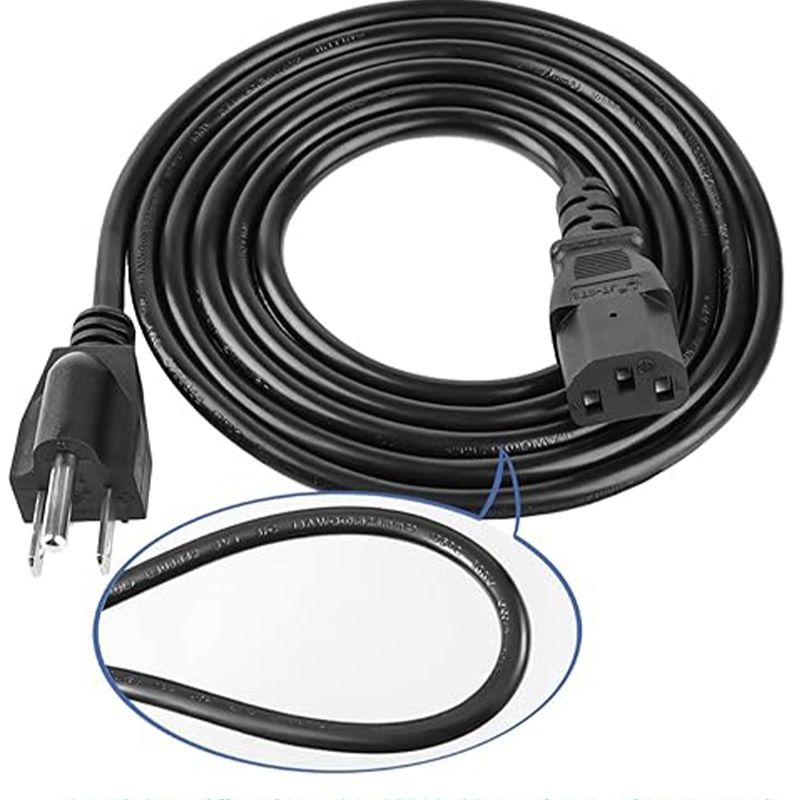
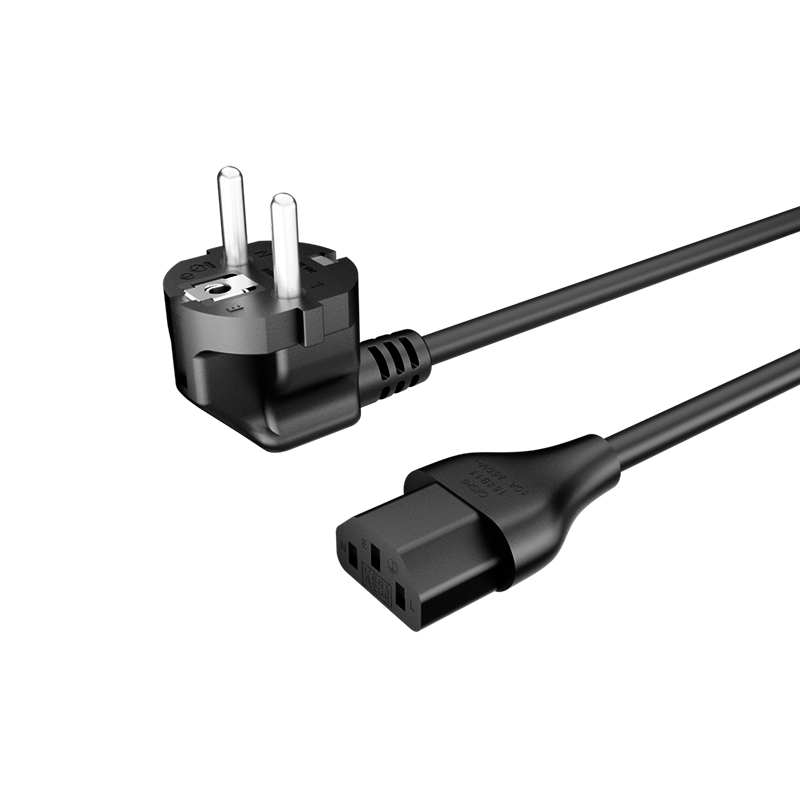
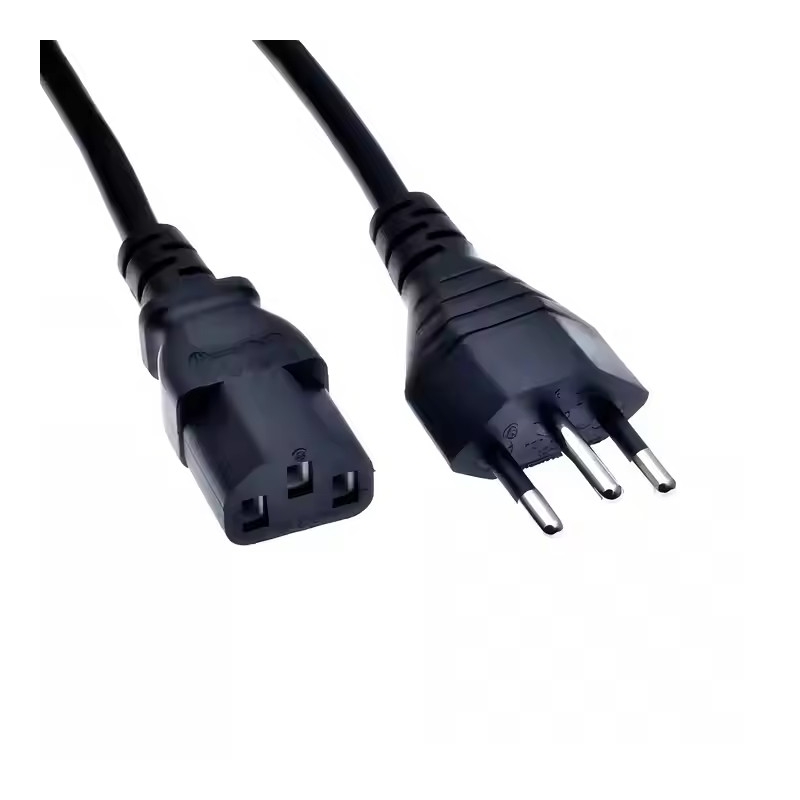
AC power cords (AC power cables / AC mains cables) are the backbone of modern electrical systems. They safely deliver alternating current (AC) from a power source to everything—from household appliances to industrial machinery and data center infrastructure.
From my experience working with OEM buyers and electrical engineers over the past decade, one mistake consistently leads to product failures and compliance issues: treating power cords as a commodity instead of a critical safety component.
This 2026 guide is designed to help procurement managers, engineers, and brand owners make informed decisions with confidence—covering types, applications, certifications, and expert buying strategies.
What Is an AC Power Cord?
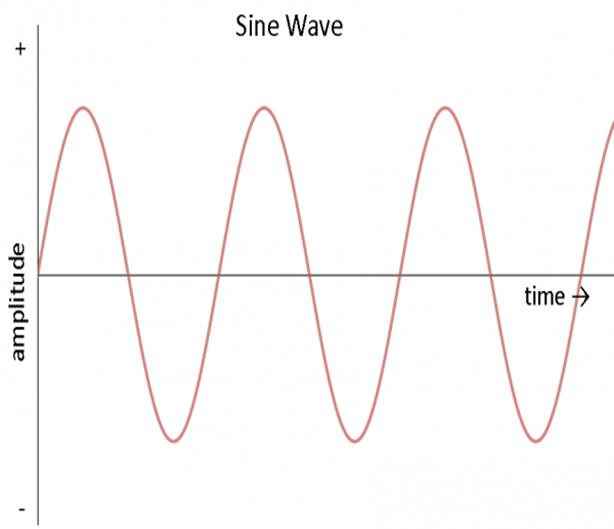
An AC power cord is a cable assembly designed to transmit alternating current, where the direction of current changes periodically (typically in a sine wave).
Key Characteristics
* Current Type: Alternating Current (AC)
* Frequency: 50Hz or 60Hz
* Voltage Range:
Residential: 110V–250V
Industrial: Up to 380V+
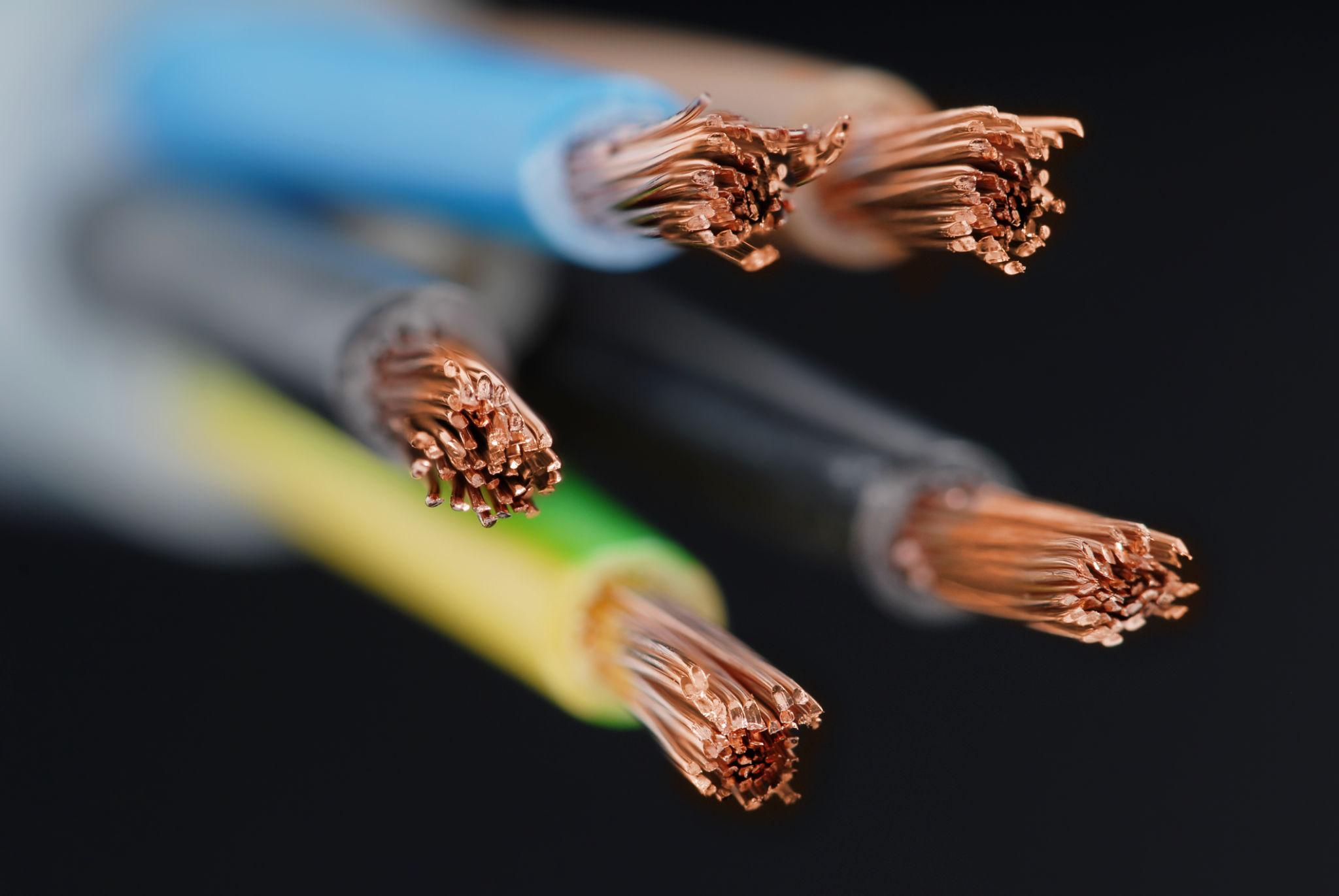
* Conductor Materials:
Copper (standard, high conductivity)
Aluminum (cost-efficient)
Silver (specialized high-end use)
Why AC dominates globally: It enables efficient long-distance transmission with minimal energy loss.
AC vs DC Power: What's the Real Difference?
| Feature | AC (Alternating Current) | DC (Direct Current) |
|---|---|---|
| Flow Direction | Alternates | One direction |
| Waveform | Sine wave | Constant |
| Typical Use | Grid power, appliances | Batteries, electronics |
| Transmission | Long-distance | Short-distance |
Simple analogy:
* AC = back-and-forth flow
* DC = one-way flow
Most devices (like laptops or TVs) input AC but internally convert to DC.
Common Types of AC Power Cords
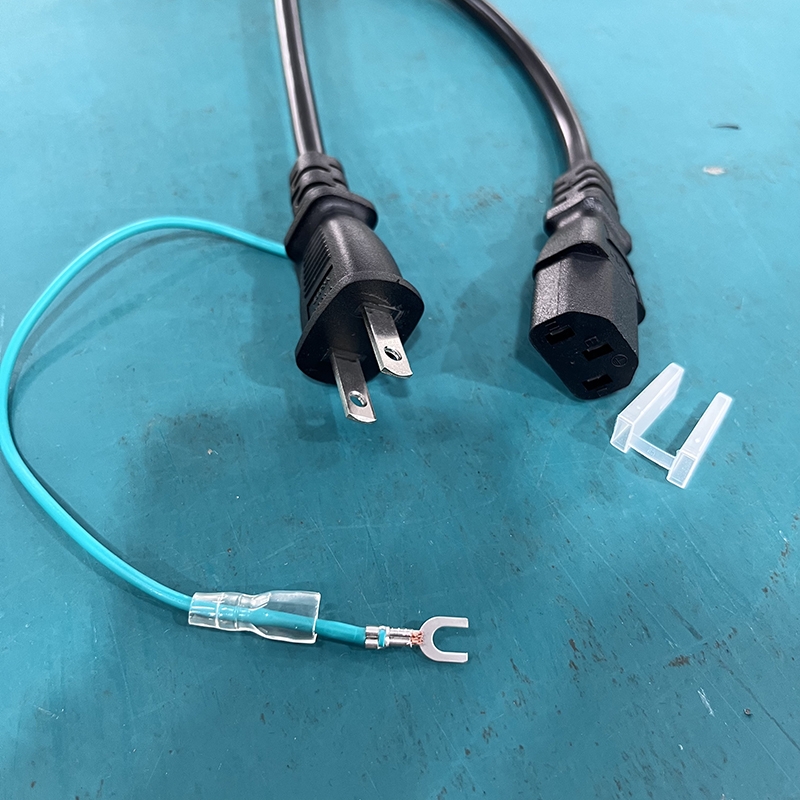
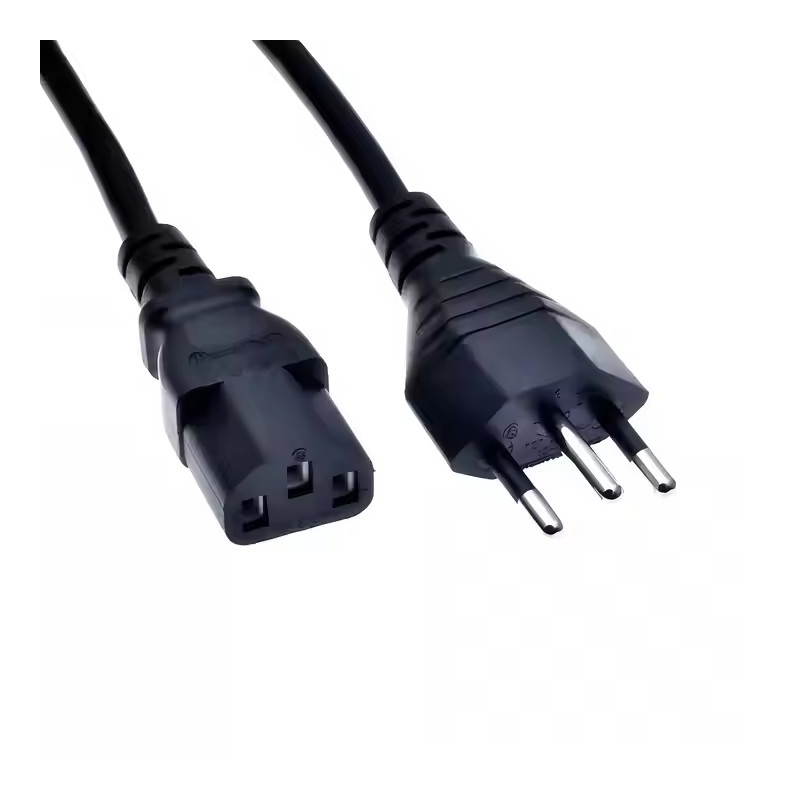
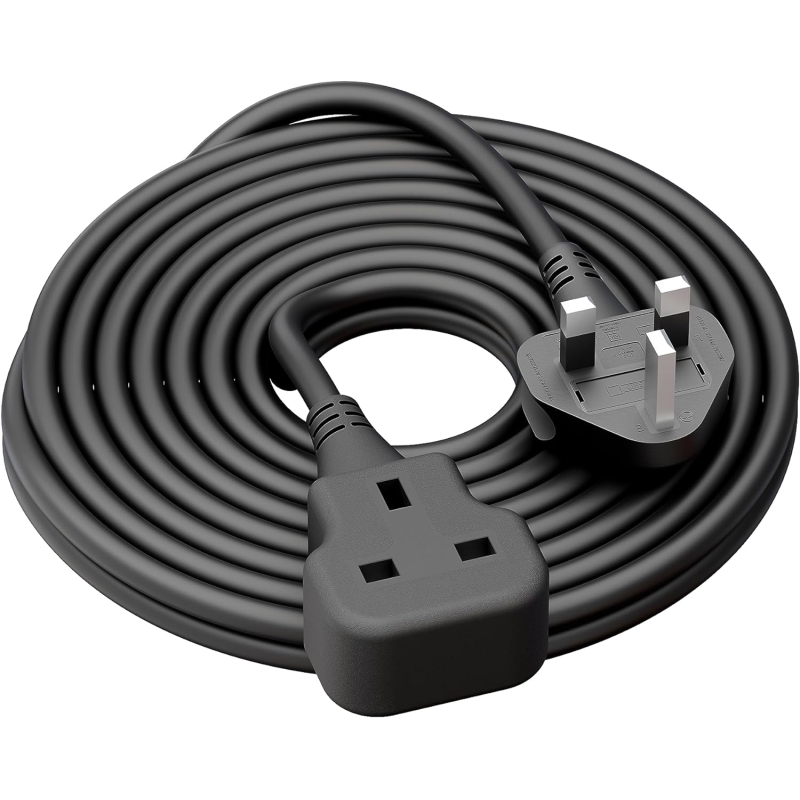
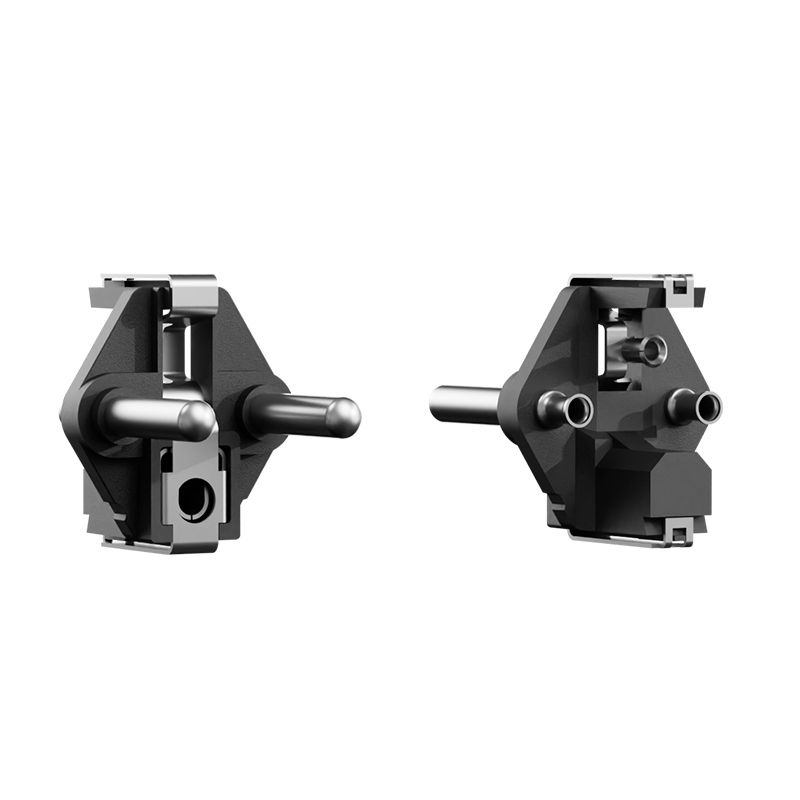
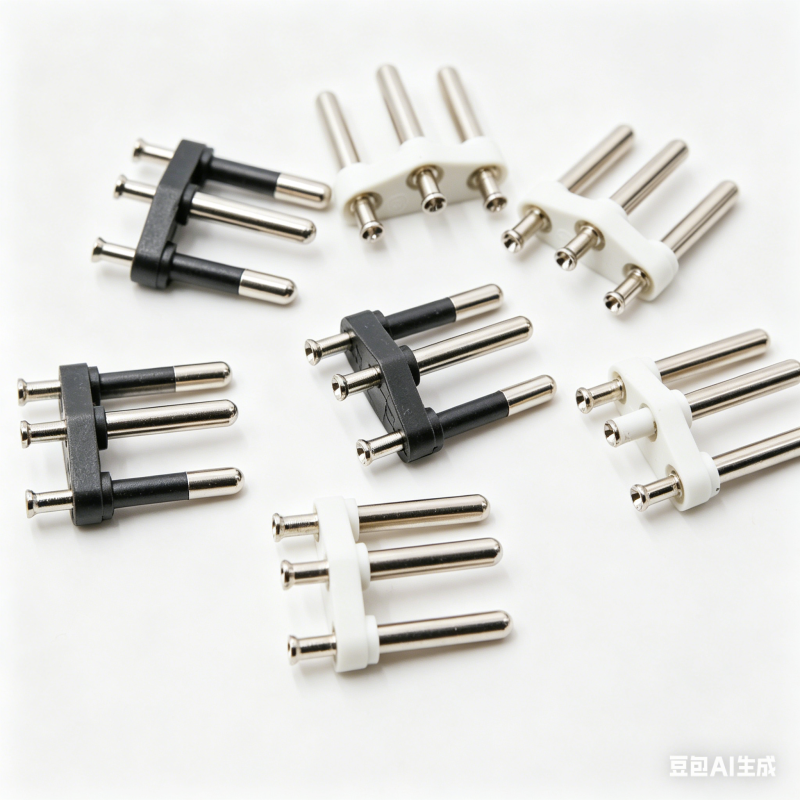
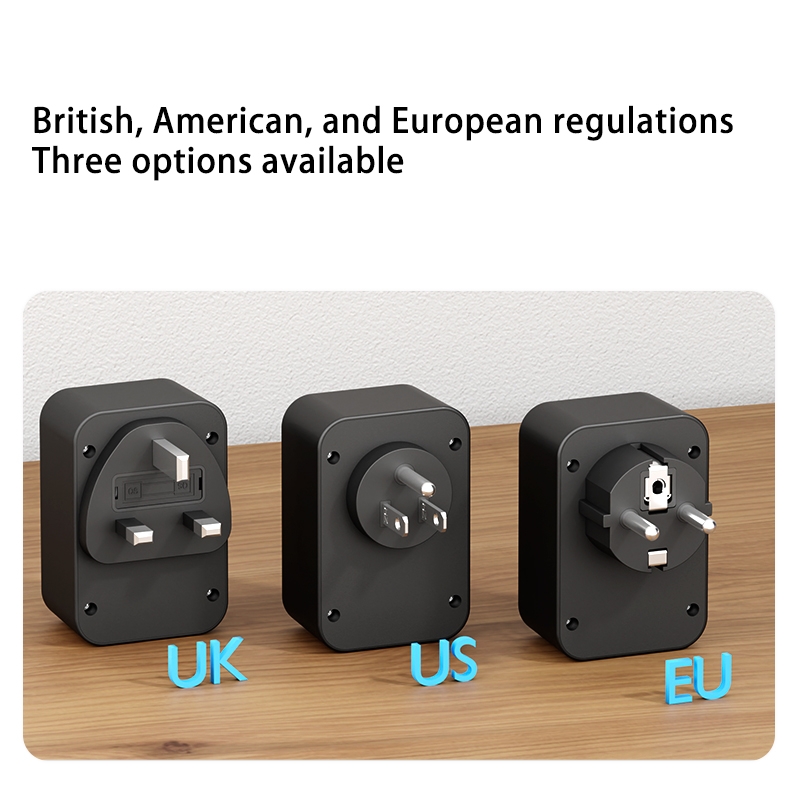
1. By Plug Standards (Global Compatibility)
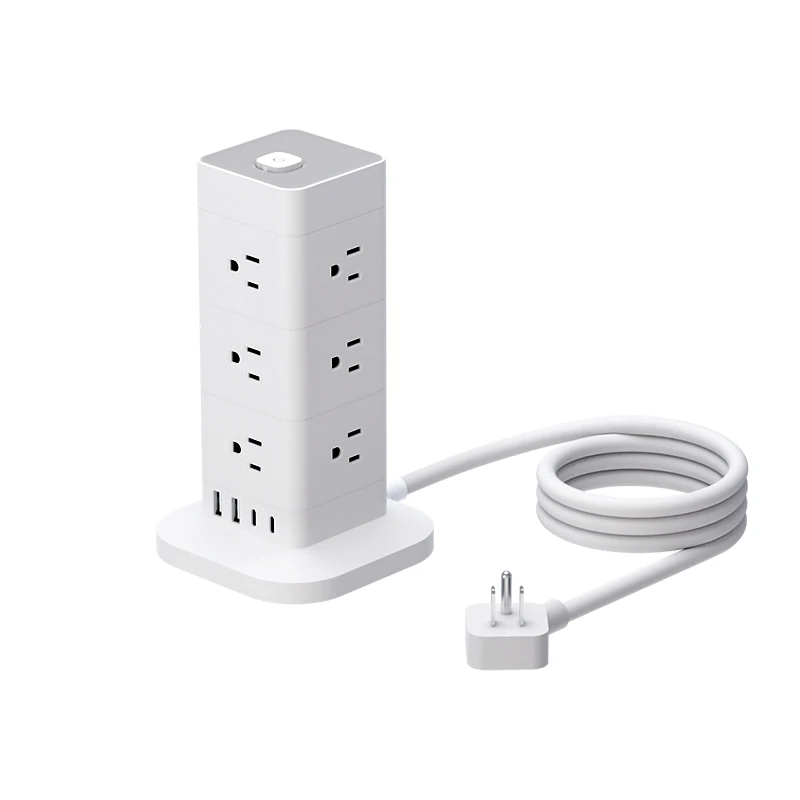
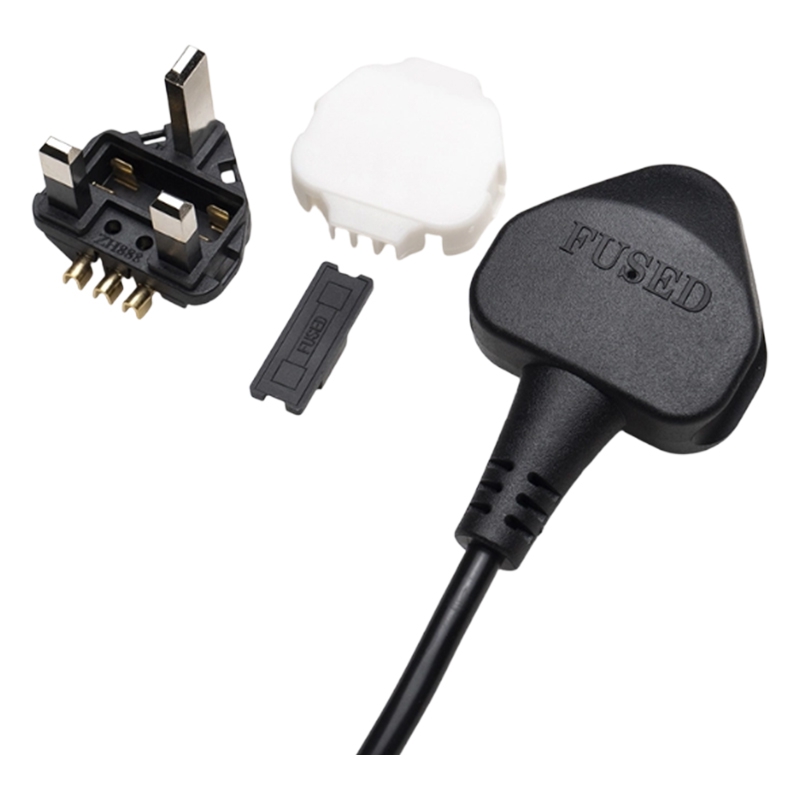
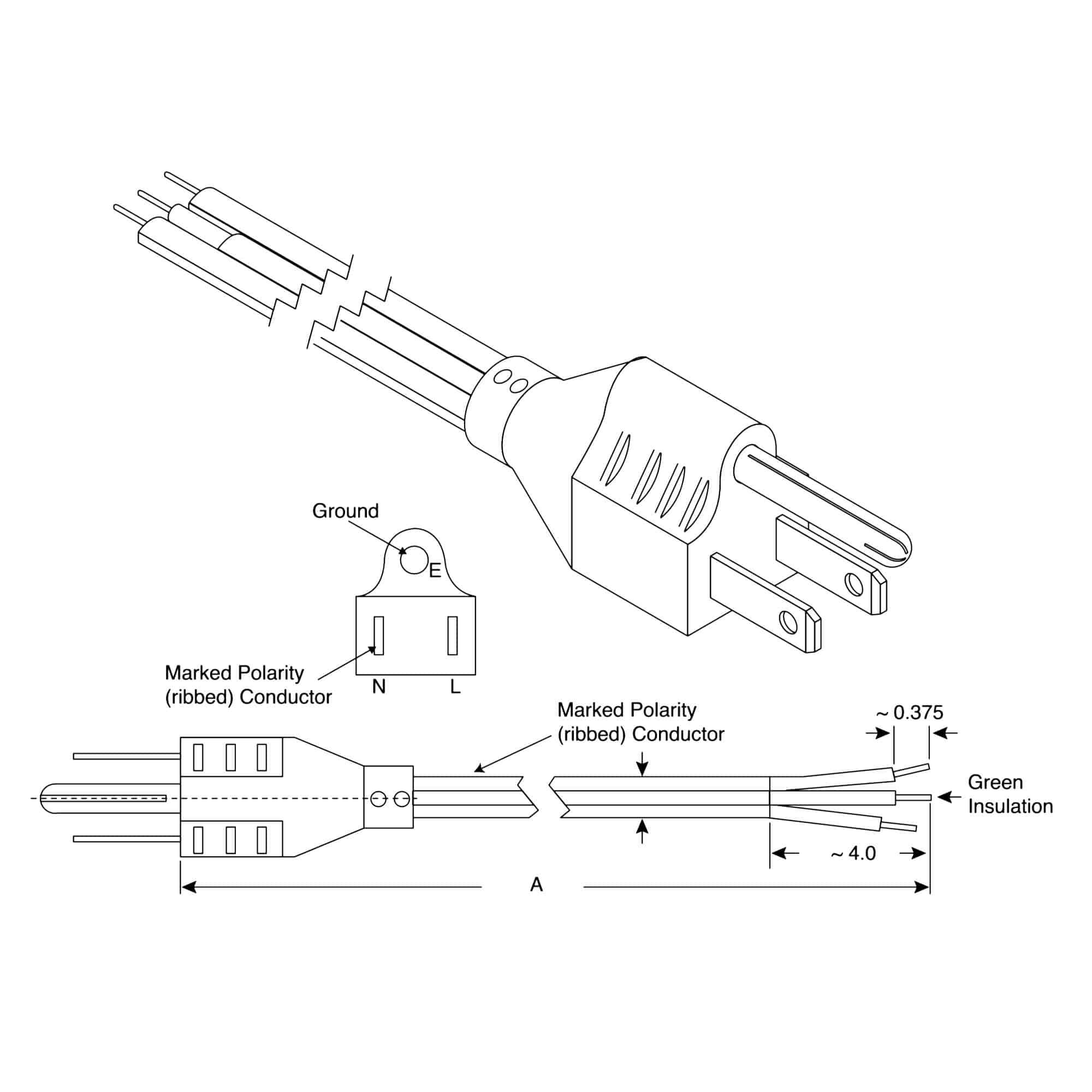
* NEMA 5-15P (US standard)
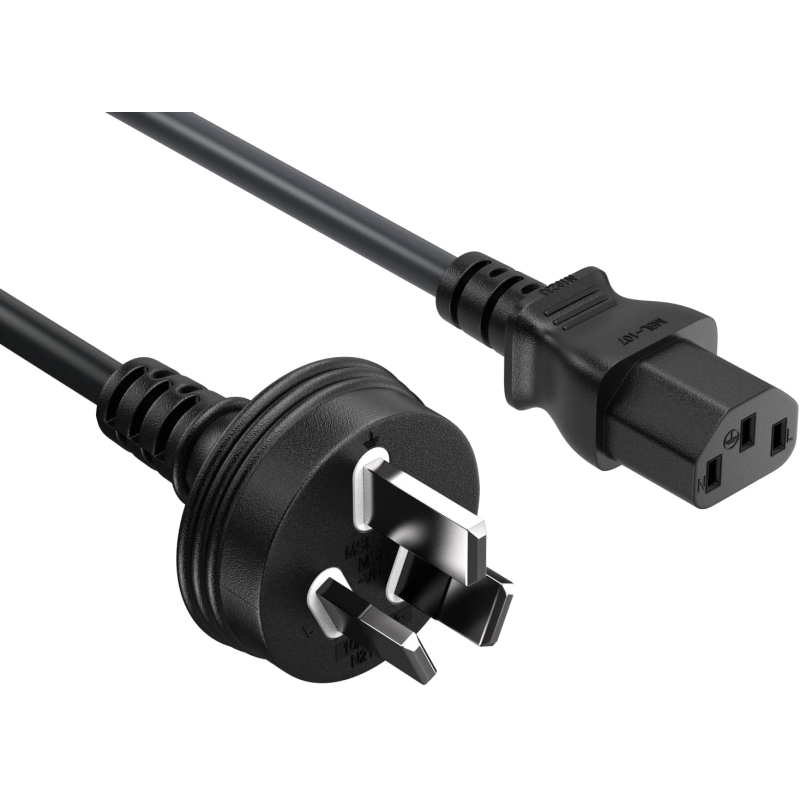
* AS/NZS 3112 (Australia/New Zealand)
Choosing the wrong plug standard can block market entry.
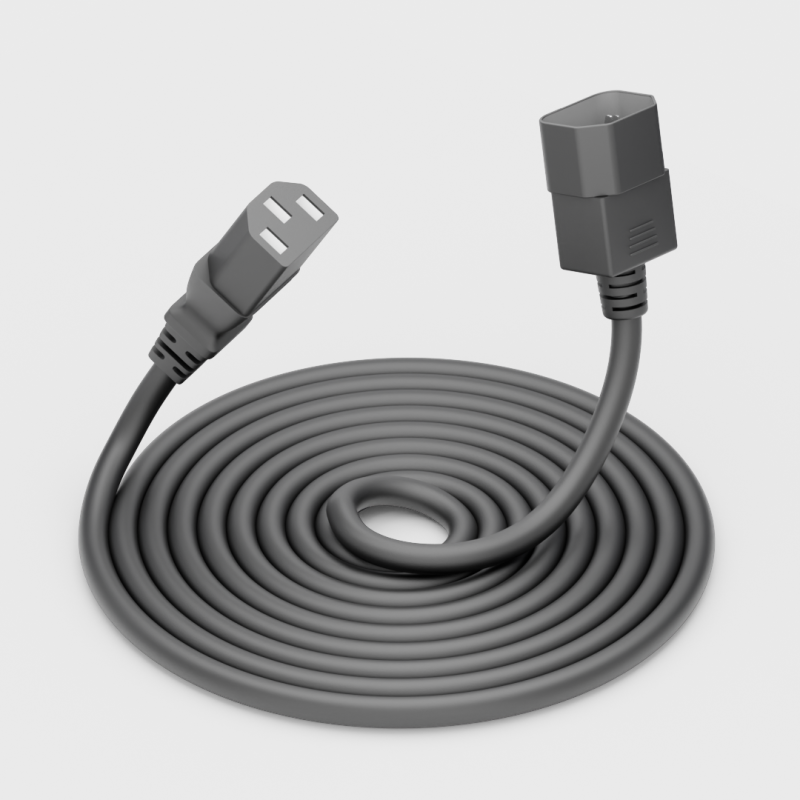
2. By Connector Types (Device Interface)
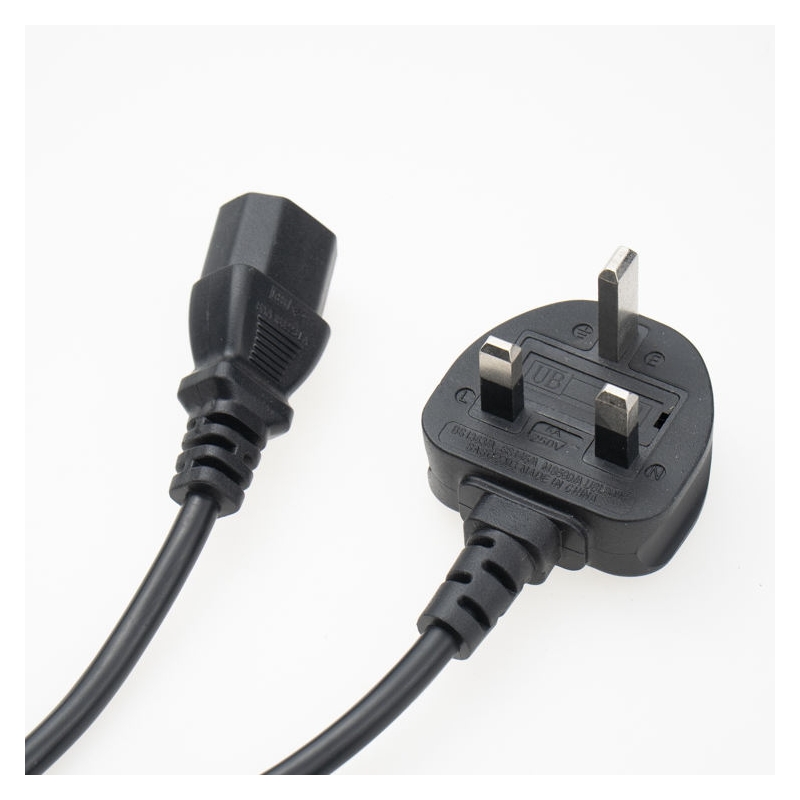
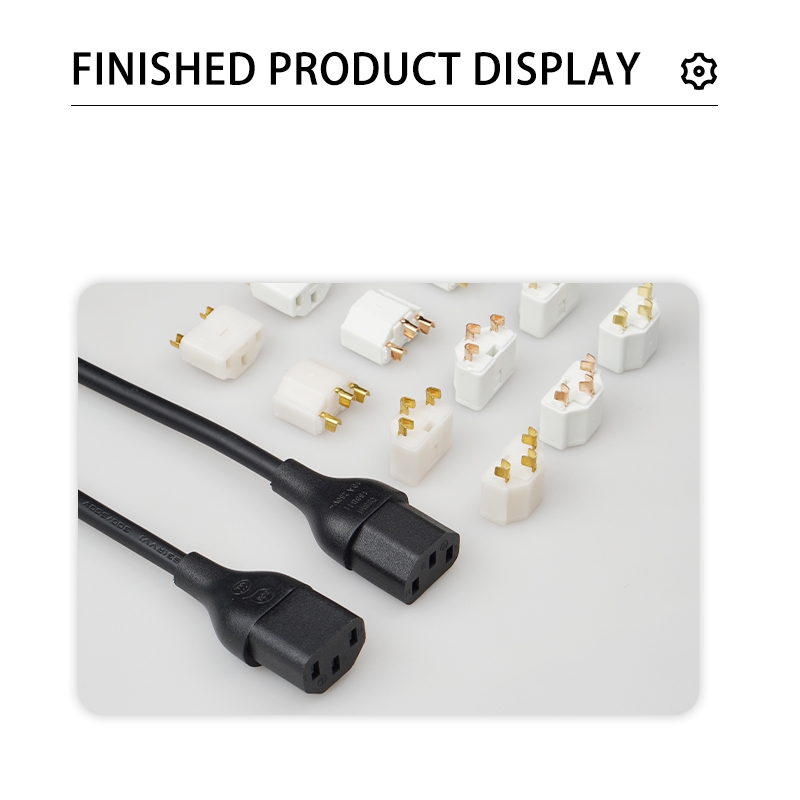
* IEC C13 / C14 → Computers, monitors, servers
* IEC C5 (cloverleaf) → Laptops
* IEC C19 / C20 → High-power equipment, data centers
IEC C13/C14 is the most widely used globally.
3. By Application Scenarios
* Heavy-duty industrial cables (high load, harsh environments)
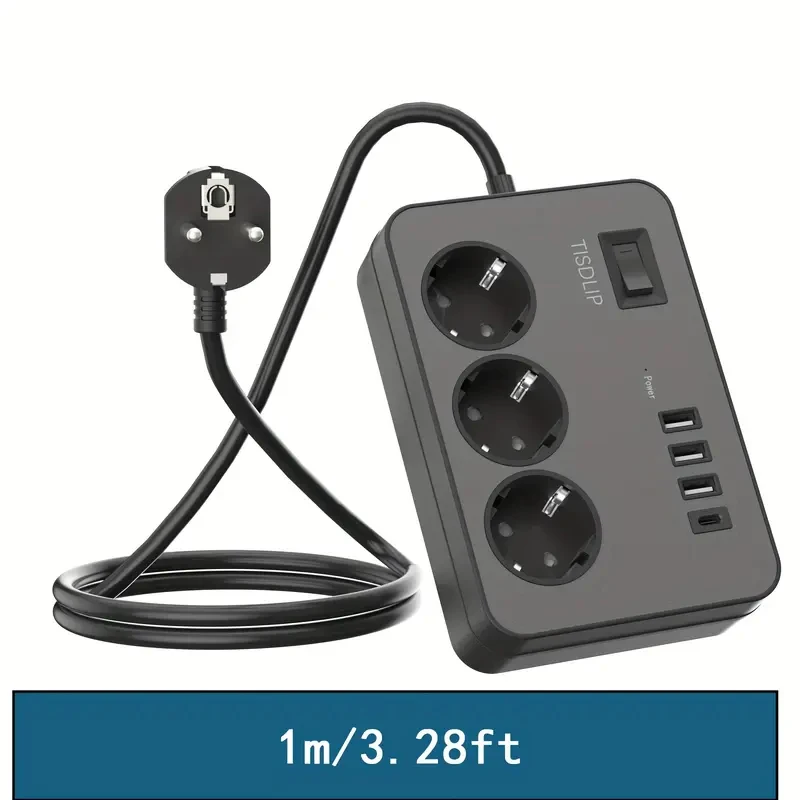
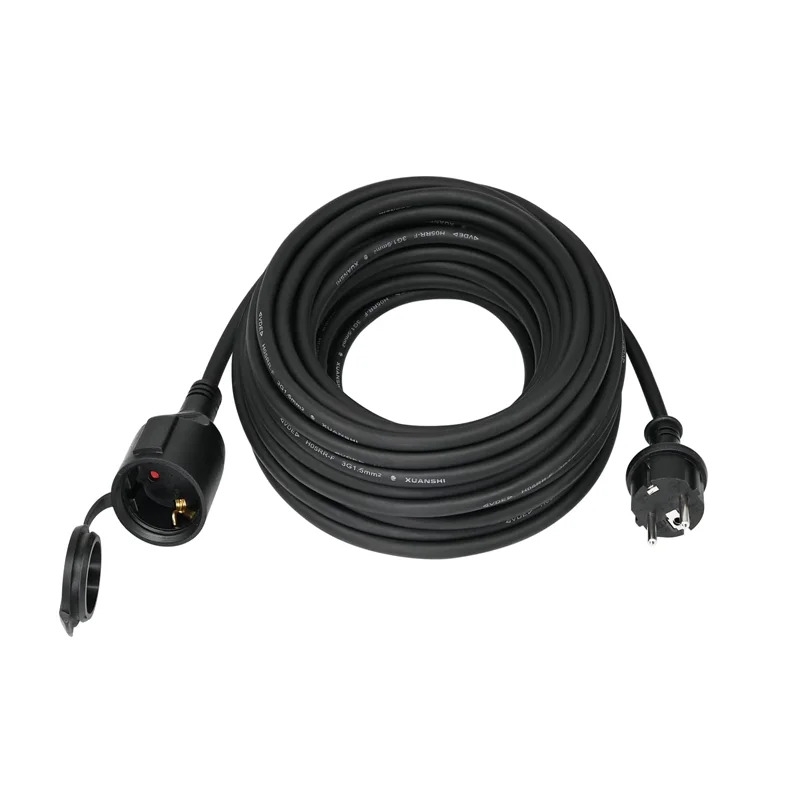
* Extension cords (home & commercial use)
* Custom OEM cables (branding, length, specs)
Where Are AC Power Cords Used?
AC power cords are used across nearly every industry:
Residential
* Kitchen appliances
* Lighting systems
* TVs, computers
Industrial
* Machinery
* Automation systems
* Power distribution
IT & Data Centers
* Servers
* PDUs (Power Distribution Units)
* Network equipment
How to Choose the Right AC Power Cord (B2B Buying Guide)
1. Certifications (Market Access Requirement)
Mandatory certifications vary by region:
* North America: UL, ETL
* Europe: CE, VDE, KEMA
* China: CCC
* Middle East: SASO, GCC
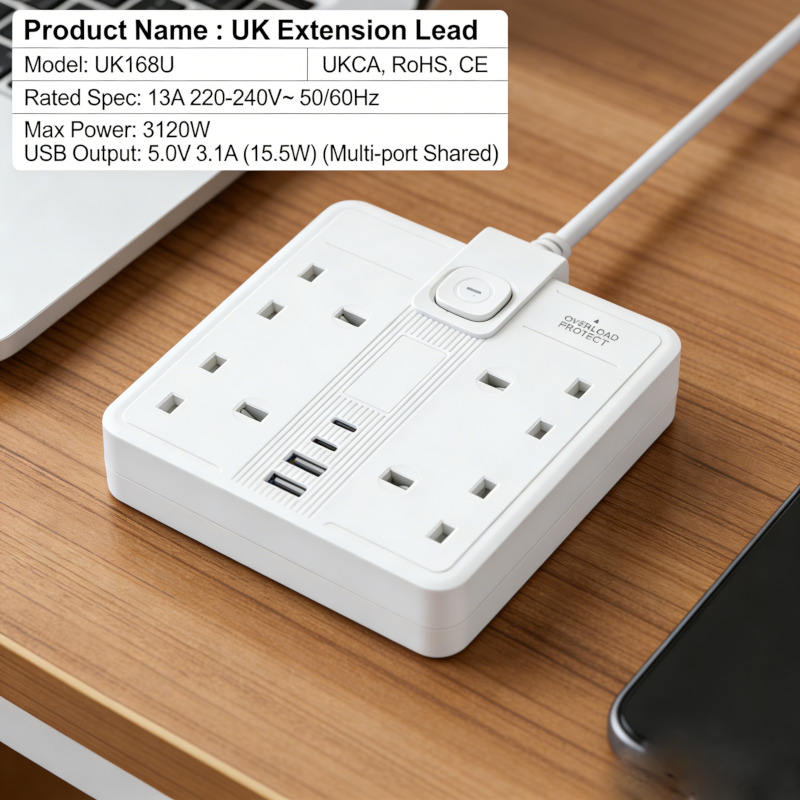
* UK: UKCA
* Australia: SAA
* Japan: PSE
No certification = no market entry.
2. Cable Specifications
* Wire Gauge:
US: SJT / SVT (18AWG, 16AWG)
EU: H03VV-F / H05VV-F (0.75–1.5 mm²)
* Insulation: PVC, rubber
* Temperature Rating: Critical for durability
3. Load Capacity (Critical Safety Factor)
Match the cable with:
* Voltage
* Current
* Power demand
Underrated cables = overheating + fire risk.
4. Customization (OEM Advantage)
For brand owners and importers:
* Plug type
* Cable length
* Logo/branding
* Packaging
Expert Insight: What Most Buyers Overlook
From a manufacturing perspective, material quality defines performance:
* Copper purity → conductivity & efficiency
* Insulation quality → heat resistance & lifespan
In audits, we've seen low-cost suppliers reduce copper content—leading to:
* Overheating
* Voltage drop
* Shorter product life
Bottom line:
If the price looks too good, it usually compromises safety.
New in 2026: Trends Shaping the AC Power Cord Industry
1. Smart & Monitored Power Cords
* Embedded sensors for temperature & load
* Integration with IoT systems
2. Eco-Friendly Materials
* Halogen-free cables
* Recyclable insulation
3. Data Center Demand Surge
Driven by AI and cloud growth:
* Higher current cables (IEC C19/C20)
* Better heat resistance
Insight: Data centers now demand higher reliability than ever before.
Real-World Case Study (Industry Insight)
A European client sourcing low-cost cords faced:
* 30% failure rate in stress testing
* Certification rejection
After switching to compliant cables:
* Failure rate dropped below 1%
* Passed CE & VDE audits
Lesson: Compliance saves cost long-term.
Common Mistakes to Avoid
❌ Ignoring certifications
❌ Using undersized cables
❌ Choosing price over safety
❌ Not matching plug standards to target market
Work With a Reliable AC Power Cord Manufacturer
Looking for a trusted AC power cord supplier?
We provide:
* Certified products (UL, CE, CCC)
* OEM & custom solutions
* Fast delivery & competitive pricing
Contact us today to get a free sample and quotation.
FAQ
1. What is the difference between AC and DC power cords?
AC cords transmit alternating current; DC cords are used for direct current systems.
2. Are all AC power cords the same?
No. They differ in plug type, voltage rating, certification, and application.
3. What is the most common AC power cord?
IEC C13/C14 is the most widely used.
4. Can I customize AC power cords?
Yes. Most manufacturers offer OEM/ODM customization.
5. Which certifications are required?
Typically UL, CE, and CCC, depending on your market
References
1. International Electrotechnical Commission (IEC) – Power Cord Standards
2. UL Solutions – Power Supply Cords Overview
3. European Commission – CE Marking Guidelines
4. U.S. Department of Energy – Electricity Basics
5. IEEE – Alternating Current Fundamentals
6. Industry Reports (2025–2026): Global Power Cord Market Trends(Compiled from publicly available market research summaries)
.



 Email
Email