

Content Menu
● What Is the Brazil Plug Standard (NBR 14136)?
● Brazil Power Cord Ratings & Specifications
● INMETRO Certification for Brazil Power Cords
● Why Grounding Matters in Brazil Power Cords
● How to Choose the Right Brazil Power Cord
● Applications of Brazil Power Cords
● Why Choose a Professional Power Cord Manufacturer
● FAQ
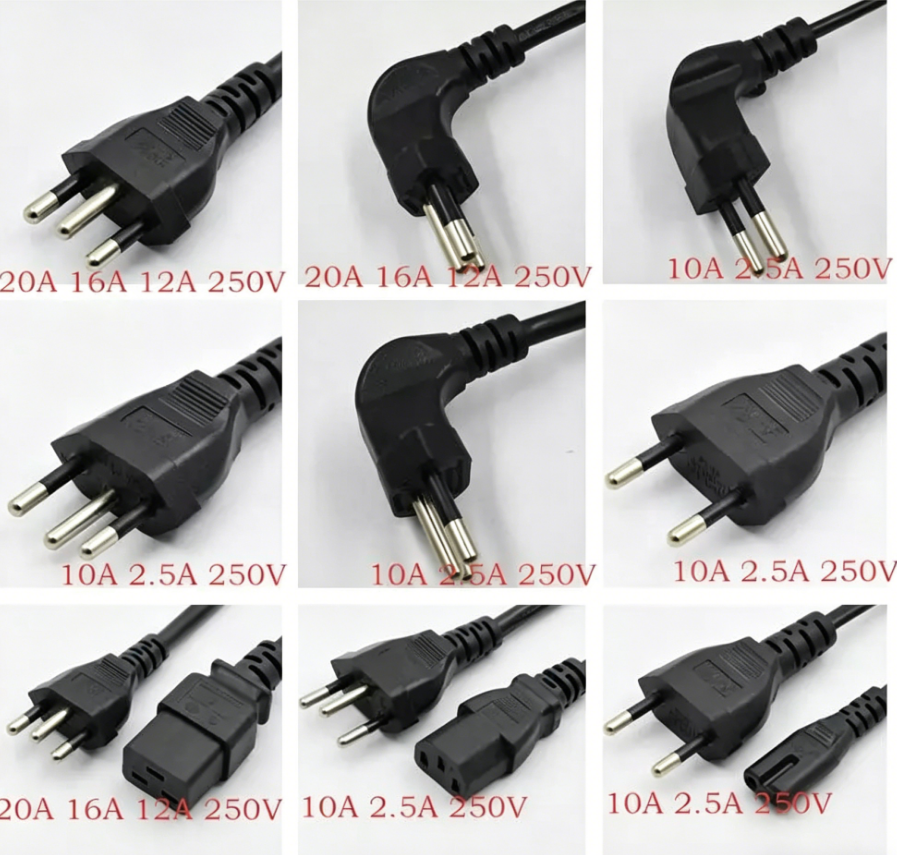
Brazil power cords differ significantly from those used in Europe, North America, or most Asian markets. Many importers face costly delays or rejections at customs because they select the wrong plug type or miss mandatory certifications. This comprehensive guide clarifies everything you need to know about Brazil power cord standards, including NBR 14136 plug power cord options, Type N configurations, ratings, safety considerations, and how to choose the right solution for your market.
Whether you need a Brazil 3 pin power cord for grounded applications or a Brazil two pin power cord for lighter devices, understanding these specifics helps avoid common pitfalls and ensures smooth importation.
What Is the Brazil Plug Standard (NBR 14136)?
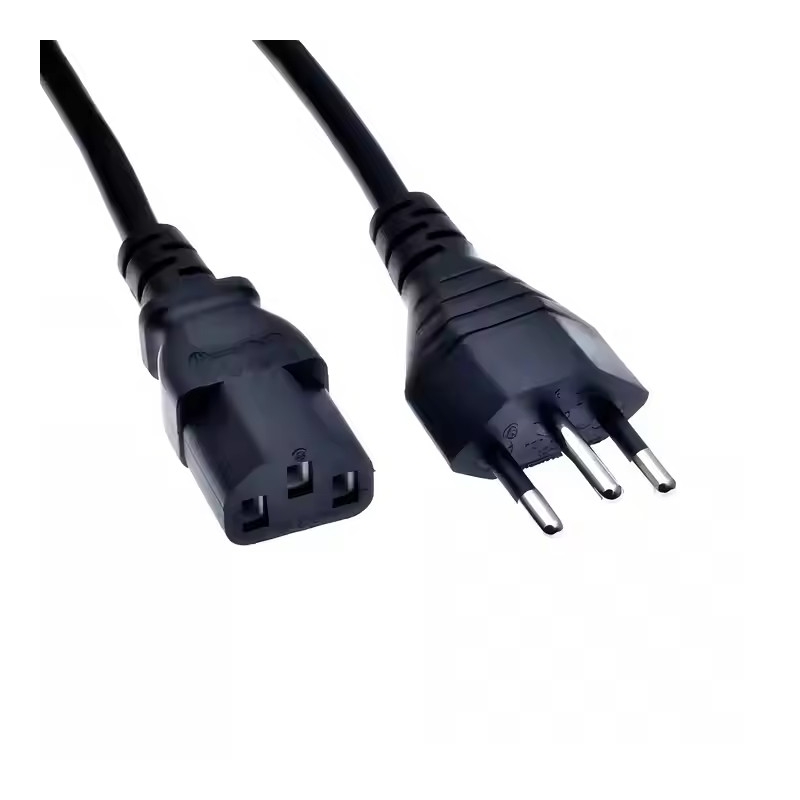
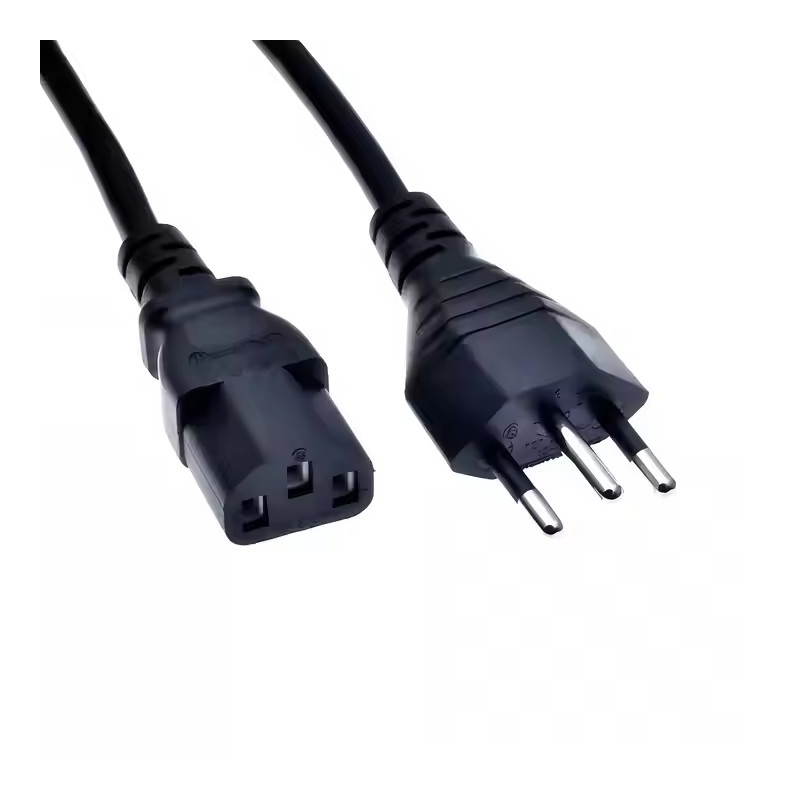
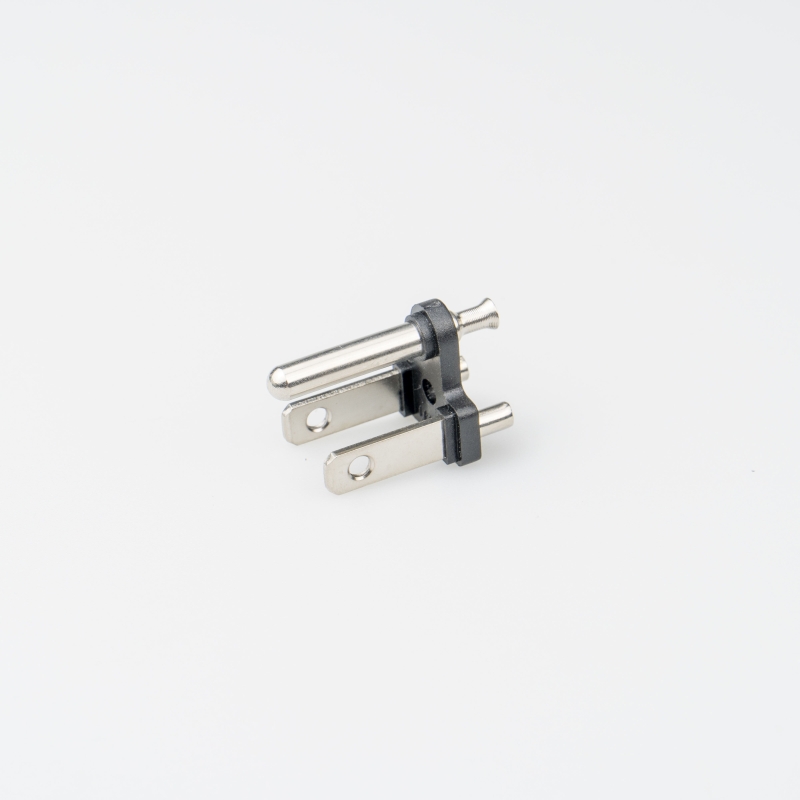
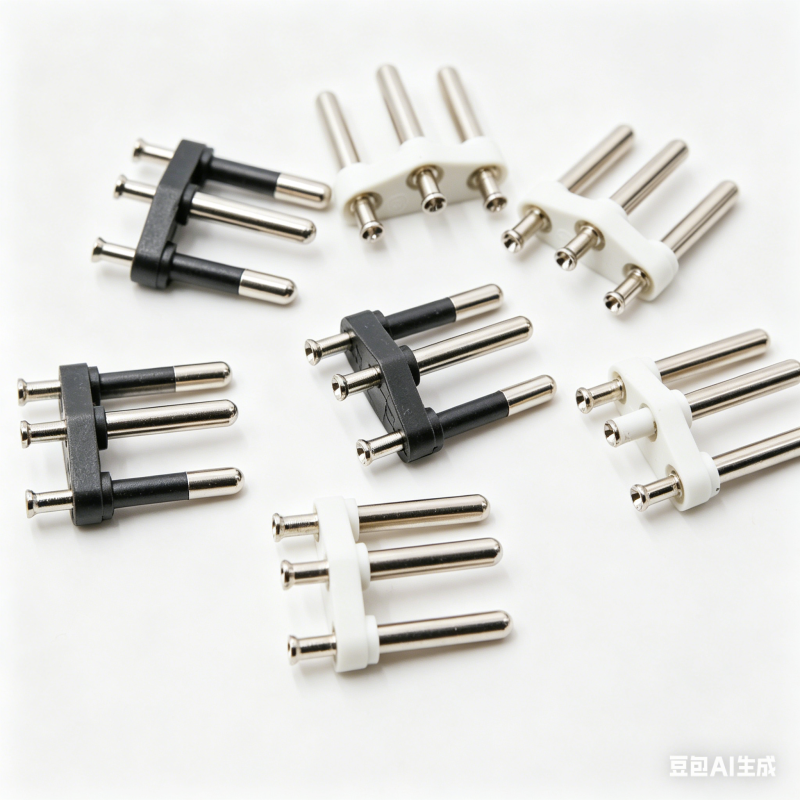
The official Brazilian plug standard is ABNT NBR 14136, introduced in the late 1990s and made mandatory from 2010. It defines a unique Type N plug system with three round pins arranged in a triangular pattern (two power pins spaced 19 mm apart and a grounding pin offset by 3 mm from the centerline).
Key features include:
- 10A version — 4 mm diameter pins (most common for household use)
- 20A version — 4.8 mm diameter pins (for higher-power appliances like microwaves or air conditioners)
Unlike the flat-pin US NEMA plugs or the Schuko-style European plugs, Brazil; Type N is based on a modified IEC 60906-1 but with specific Brazilian dimensions. NBR 14136 sockets are designed to accept both the grounded Type N and the older ungrounded Type C (two round pins) plugs for backward compatibility.
This hybrid compatibility reduces consumer frustration but creates confusion for international manufacturers who often assume Brazil uses standard Europlugs.
Types of Brazil Power Plugs
Brazil power plugs fall into two main categories based on grounding needs.
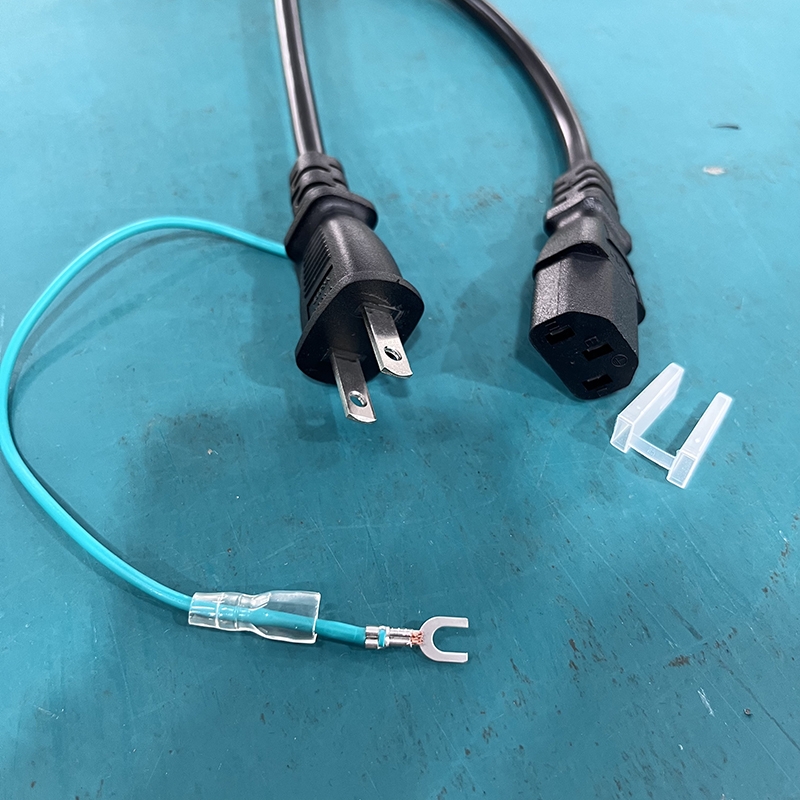
2-Pin Brazil Plug (Ungrounded)
These are typically rated at 2.5A or 10A with 19 mm pin spacing. They suit low-power, Class II devices that do not require earthing. Common applications include:
- Mobile phone chargers
- Table lamps
- Small electronics and adapters
Buyers often search for Brazil two pin power cord, Brazil Type C power cord, or Brazil NBR 6147 power cord.
3-Pin Brazil Plug (With Ground) – Type N
This is the modern standard for safety. It features a triangular layout with a dedicated grounding pin, providing superior protection against electric shock. It is ideal for:
- Electric kettles
- Air conditioners
- Computers, refrigerators, and other high-power or metal-housed appliances
Popular search terms include Brazil 3 pin power cord, Brazil grounded power cord, Brazil Type N power cord, and NBR 14136 plug power cord.
Expert Tip: In new Brazilian buildings, grounded Type N outlets dominate. Using an ungrounded plug on a grounded circuit is possible but not recommended for safety-critical equipment.
Brazil Power Cord Ratings & Specifications
Proper specification matching is critical for performance and compliance. Standard ratings for most Brazil power cords are 10A / 250V, though lower 2.5A versions exist for light-duty use. Brazil operates on a dual-voltage system (127V in some regions, 220V in others), so 250V-rated cords provide safe margin.
Common cable types include:
- H03VV-F / H03VVH2-F — For lighter 2.5A–6A applications (0.5–0.75 mm²)
- H05VV-F — Standard PVC for indoor 10A use (3×0.75 mm² to 3×1.5 mm²)
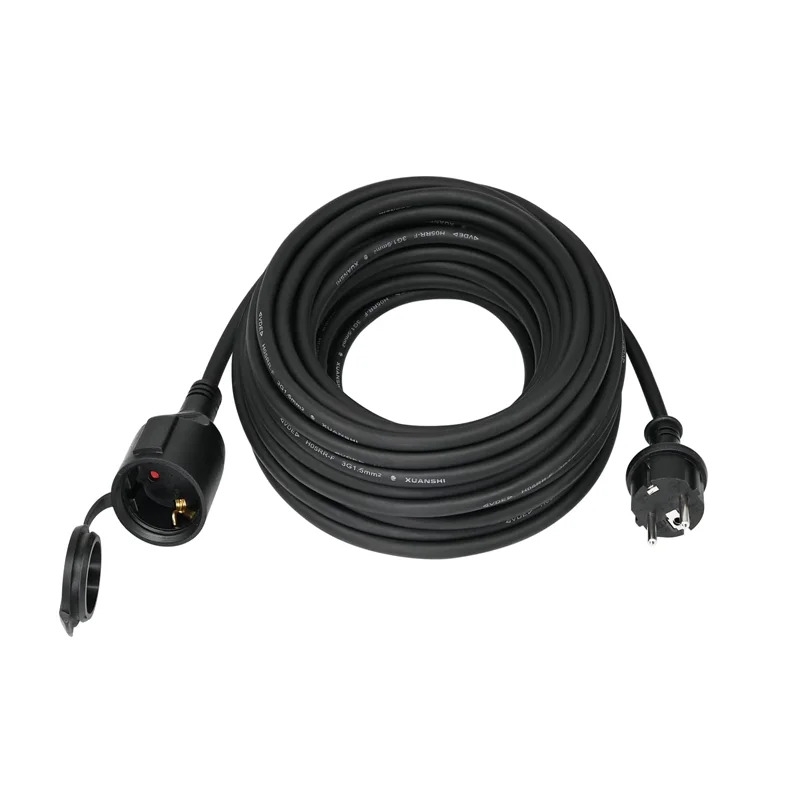
- H05RR-F — Rubber-sheathed for outdoor or more flexible/durable needs
Conductor options:
- Pure copper — Best conductivity and long-term reliability
- Copper-clad aluminum — More cost-effective for certain applications
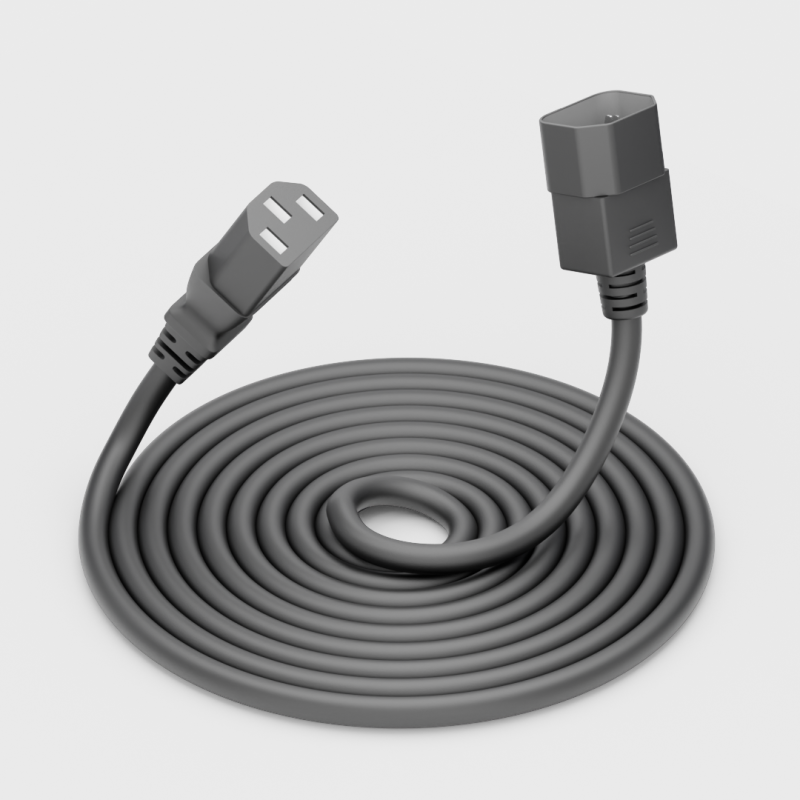
We offer flexible customization: different lengths, stripped ends, IEC connectors (C13, C7, C15, C19), plug material (copper or aluminum pins), and flame-retardant PVC jackets. All materials comply with RoHS and REACH.
INMETRO Certification for Brazil Power Cords
INMETRO (National Institute of Metrology, Quality and Technology) certification is mandatory for electrical plugs, sockets, power cords, and related components sold in Brazil. Without it, products cannot clear customs or be legally commercialized.
The certification process typically involves:
- Product testing for safety, insulation, heat resistance, and mechanical strength
- Factory audits
- Ongoing surveillance
INMETRO ensures products meet Brazilian safety requirements and reduces risks of fire or electrical hazards. Many buyers specifically search for INMETRO certified Brazil power cord.
As a professional manufacturer, we provide fully INMETRO-certified options alongside CE, RoHS, and other international approvals to support seamless global exports.
Why Grounding Matters in Brazil Power Cords
Grounding is not optional for safety in modern installations. A properly grounded Brazil 3 pin power cord diverts fault current safely to earth, preventing electric shock, short circuits, and equipment damage.
Grounded vs ungrounded plug comparison:
- Ungrounded (2-pin): Suitable only for double-insulated, low-power devices
- Grounded (3-pin Type N): Essential for appliances with exposed metal parts or higher wattage
In humid or high-usage environments common in Brazil, proper grounding significantly improves device stability and user safety. Always match the plug type to the appliance Class I or Class II requirements.
How to Choose the Right Brazil Power Cord
Follow this practical decision guide:
1. Assess device power — Small electronics (<600W) → 2-pin; Higher power or grounded appliances → 3-pin Type N.
2. Check certification needs — Exporting to Brazil? INMETRO is mandatory.
3. Consider environment — Indoor PVC (H05VV-F) or outdoor/weatherproof rubber (H05RR-F).
4. Conductor & length — Pure copper for premium performance; customize length and termination (IEC connectors or stripped ends).
5. Budget vs quality — Copper-clad aluminum can reduce cost without compromising basic needs.
Matching these factors prevents returns and ensures regulatory compliance.
Applications of Brazil Power Cords
Brazil power cords serve diverse sectors:
- Household appliances — Kitchens (kettles, ovens), living rooms (TVs, gaming consoles)
- IT and office equipment — Computers, monitors, printers (often with C13 connectors)
- Industrial and commercial — Lighting systems, machinery, and testing equipment
- Consumer electronics — Chargers and small gadgets
Correct specification enhances product reliability across these uses.
Why Choose a Professional Power Cord Manufacturer
With extensive experience in global markets, we deliver consistent quality through advanced production lines and strict quality control. Our advantages include:
- Full range of certifications (CE, INMETRO, and others)
- OEM/ODM support with flexible customization
- Competitive pricing from a direct factory
- Reliable lead times and free sampling options
We help clients avoid common sourcing mistakes and deliver compliant, high-performance Brazil NBR 14136 power cords.
FAQ
What plug type is used in Brazil?
Brazil primarily uses Type N (NBR 14136) with three round pins for grounded connections. Older or low-power devices may use compatible two-pin plugs.
Is the Brazil plug the same as the EU plug?
No. While some two-pin plugs look similar to Europlugs (Type C), the official Brazilian standard is Type N, which has different pin spacing and grounding requirements. They are not fully interchangeable for grounded applications.
Do Brazil power cords require certification?
Yes. INMETRO certification is mandatory for plugs, sockets, and power cords sold in Brazil.
What is the difference between 2.5A and 10A plugs?
2.5A plugs suit very low-power devices (chargers, lamps). 10A plugs handle higher loads (up to 2500W at 250V) and are standard for most household appliances.
Can I use a European power cord in Brazil?
Sometimes for ungrounded devices, but it is risky and often non-compliant. Always use NBR 14136-compliant cords with proper certification for safety and legal reasons.
References
- ABNT NBR 14136 standard details and Type N specifications: https://cnstrongpower.com/News-Brazil-power-cords-standard.html
- INMETRO certification requirements for electrical components: https://www.tuv.com/market-access-services/en/certification-filter/brazil-(inmetro)-equipments-and-electrical-components-approval.html
- Brazil power cord ratings and cable types: https://internationalconfigurations.com/brazilian-power-cords-power-supply-cords.php
- General plug compatibility and safety information: https://www.worldstandards.eu/electricity/plugs-and-sockets/n/
- INMETRO mandatory certification for power cords: https://novatradebrasil.com/en/navigating-inmetro-and-anatel-regulations-for-product-importation-in-brazil/



 Email
Email