

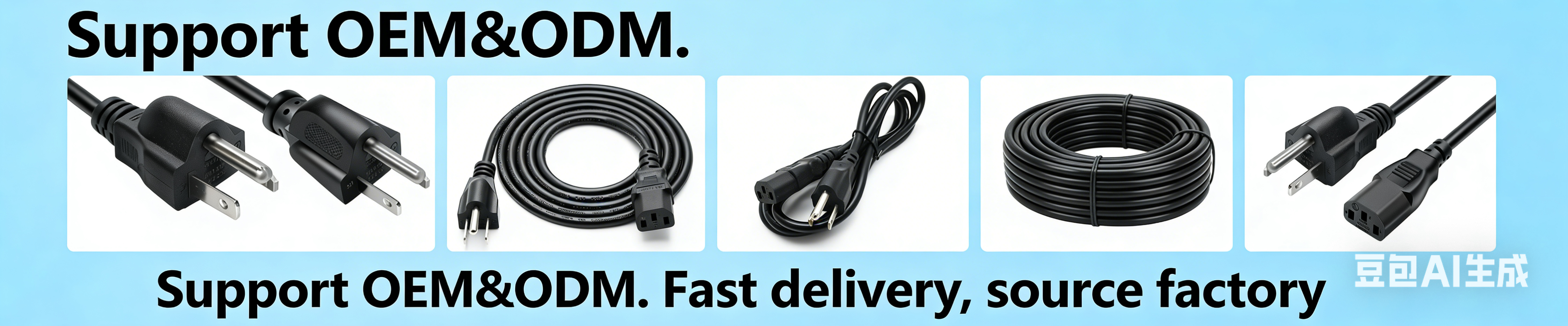
Content Menu
● What Are European Power Cords? (There Isn't Just One Standard)
● European Plug Types Comparison Table
● Matching IEC Connectors on the Device Side
● Essential Certifications: Your Passport to the European Market
● Cable Specification Guide: H03VV-F vs H05VV-F
● How to Avoid Common Export Risks
● Why Choose a Professional OEM/ODM Manufacturer?
● FAQ
When exporting electronic equipment to the European market, the AC power cord is often the final and most critical link in the supply chain. Using the wrong plug standard or lacking required certifications can result in equipment failure, customs seizures, legal liability, and serious fire hazards.
Whether you are sourcing power cords for high-power industrial machinery or precision consumer electronics, a deep understanding of European ("EU") power cord standards is essential. This guide, written by a team with over 20 years of manufacturing and export experience, covers everything from the differences between Schuko and Europlug to VDE and ENEC certifications.
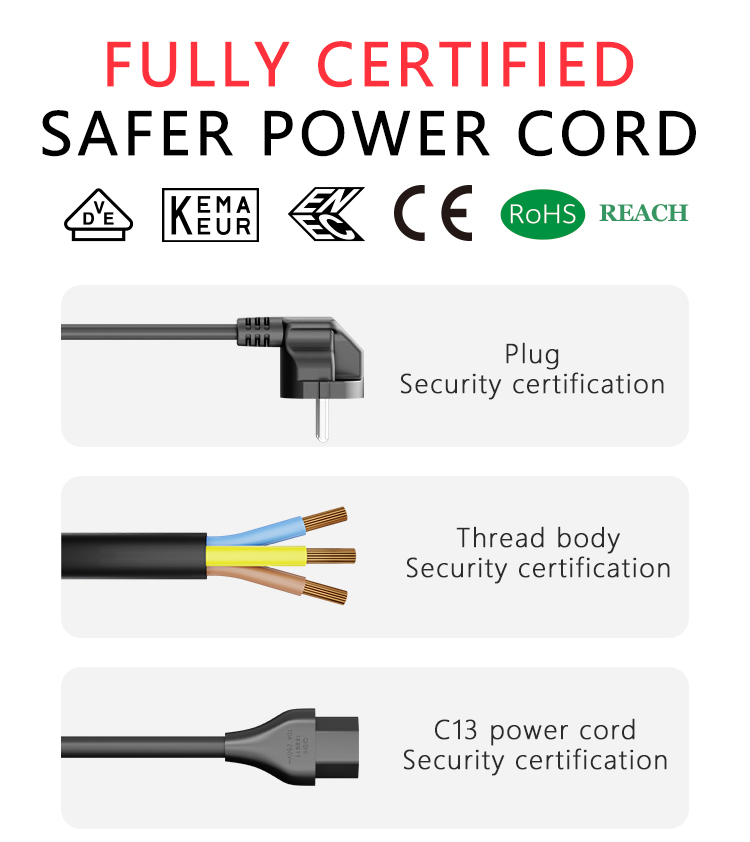
What Are European Power Cords? (There Isn't Just One Standard)
Many buyers mistakenly believe Europe uses a single plug type. In reality, the European market is governed by a series of strict standards:
- Voltage: 220V–250V
- Frequency: 50Hz
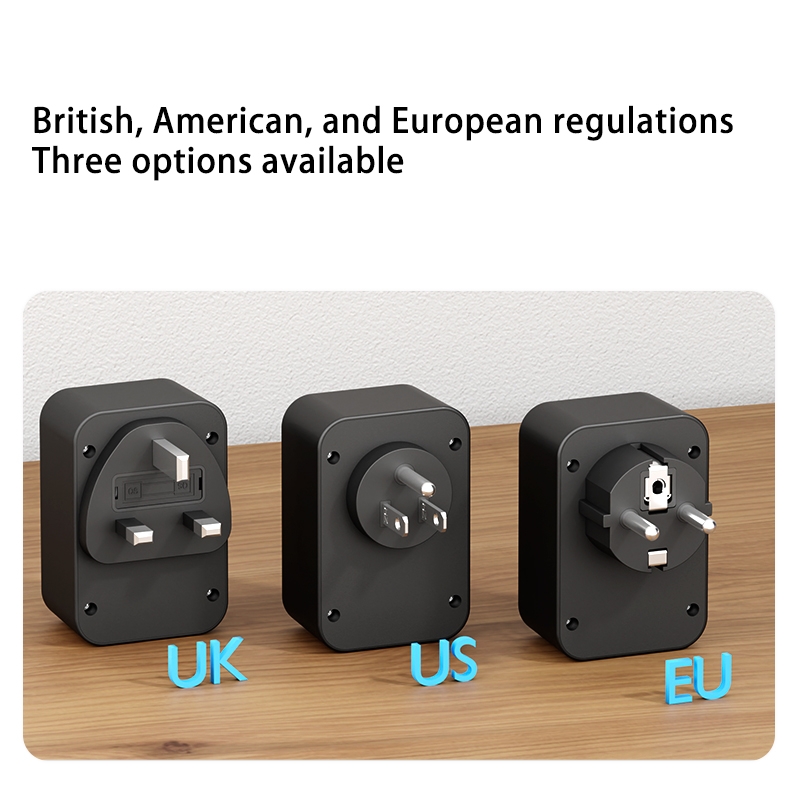
- Main Standard: CEE 7 series (completely different from North American NEMA standards)
Common Mistakes:
- Assuming one plug works across all of Europe.
- Using a non-grounded Europlug for high-power devices.
- Ignoring country-specific differences (e.g., Germany F-type, France E-type, Italy L-type).
- Choosing insufficient cable cross-section or missing certifications.
European Plug Types Comparison Table
Choose the right plug based on device power consumption, grounding needs, and target countries.
| Plug Type | Technical Name | Grounding Method | Max Current | Common Applications | Recommended For |
|---|---|---|---|---|---|
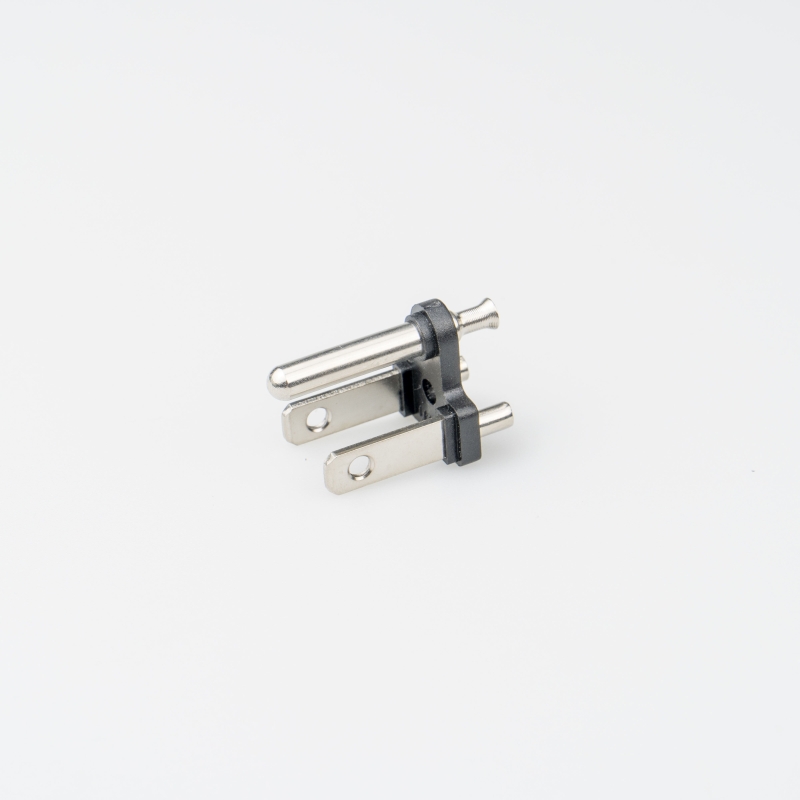
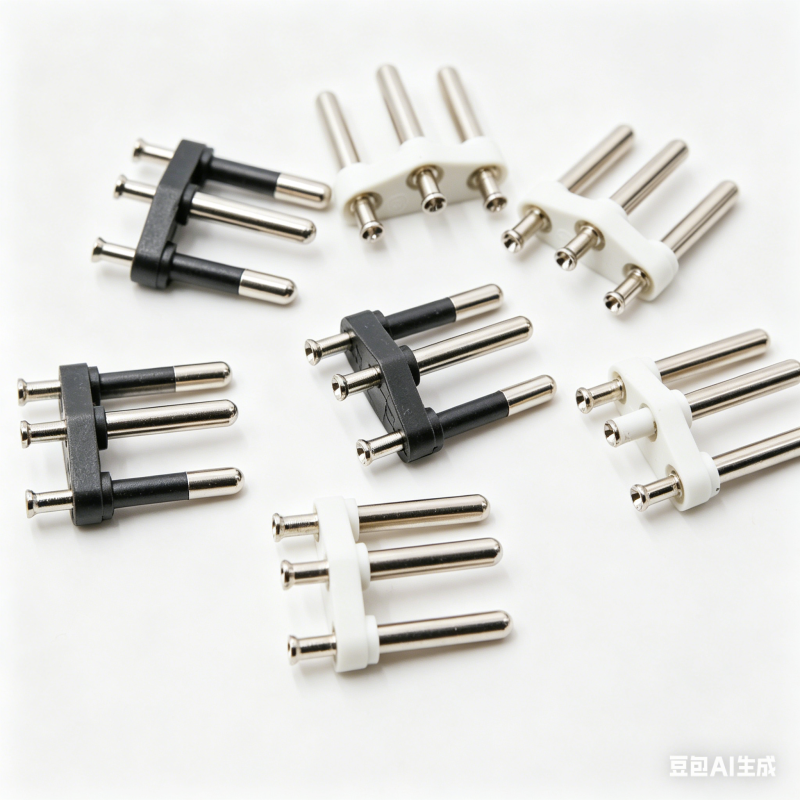
| Europlug | CEE 7/16 | No grounding (Class II) | 2.5A | Phone chargers, LED lights, small audio | Light-duty double-insulated devices |
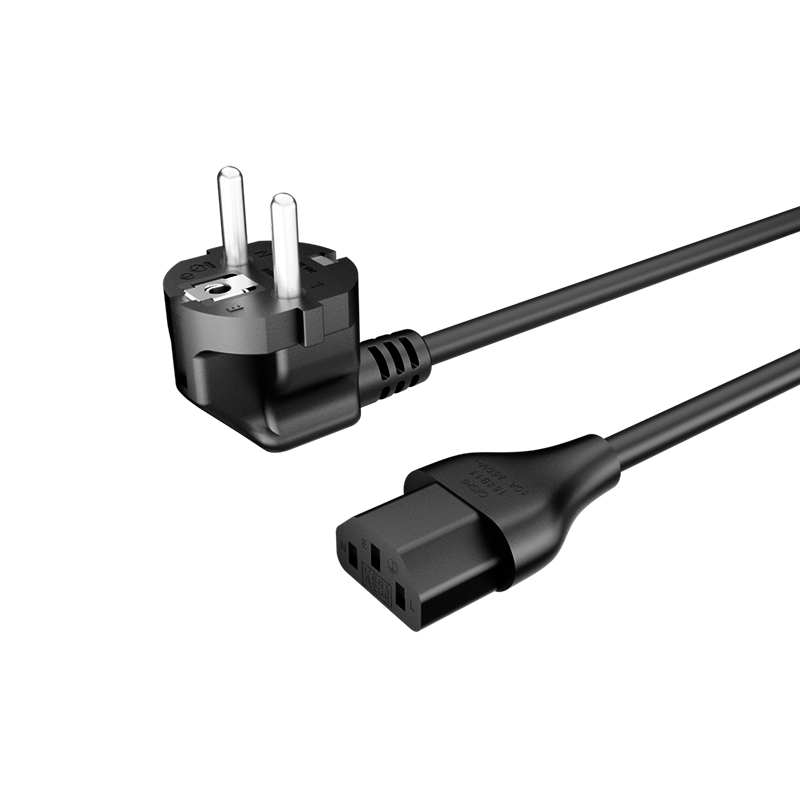
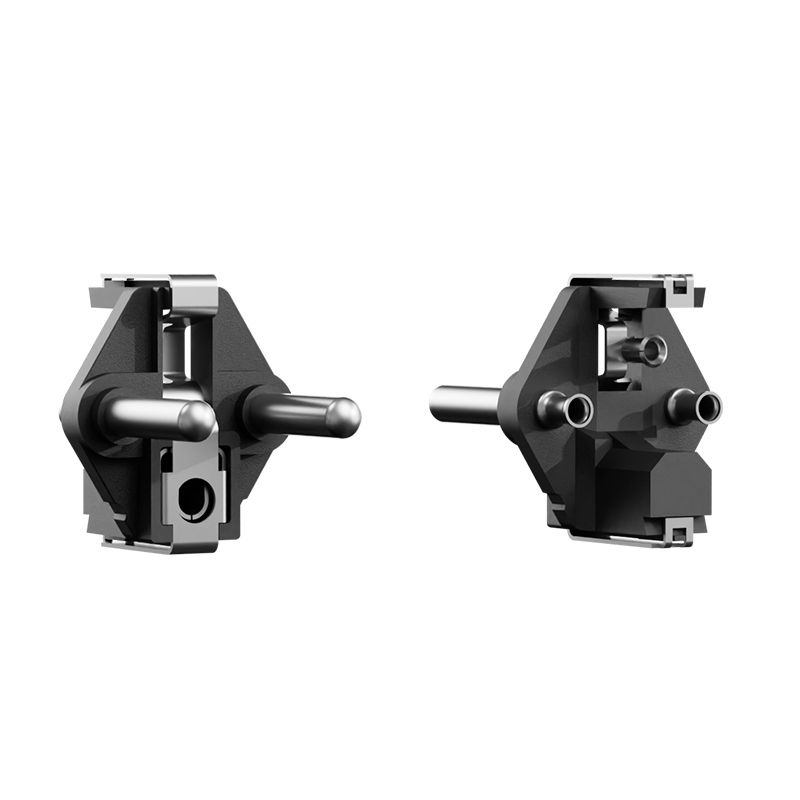
| Schuko Composite | CEE 7/7 (E/F compatible) | Side grounding clips | 16A | PCs, refrigerators, kitchen appliances, power strips | Most household & office equipment (strongly recommended) |
| French Plug | CEE 7/5 (Type E) | Grounding pin hole | 16A | Vacuums, heavy machinery | France, Belgium, Poland, etc. |
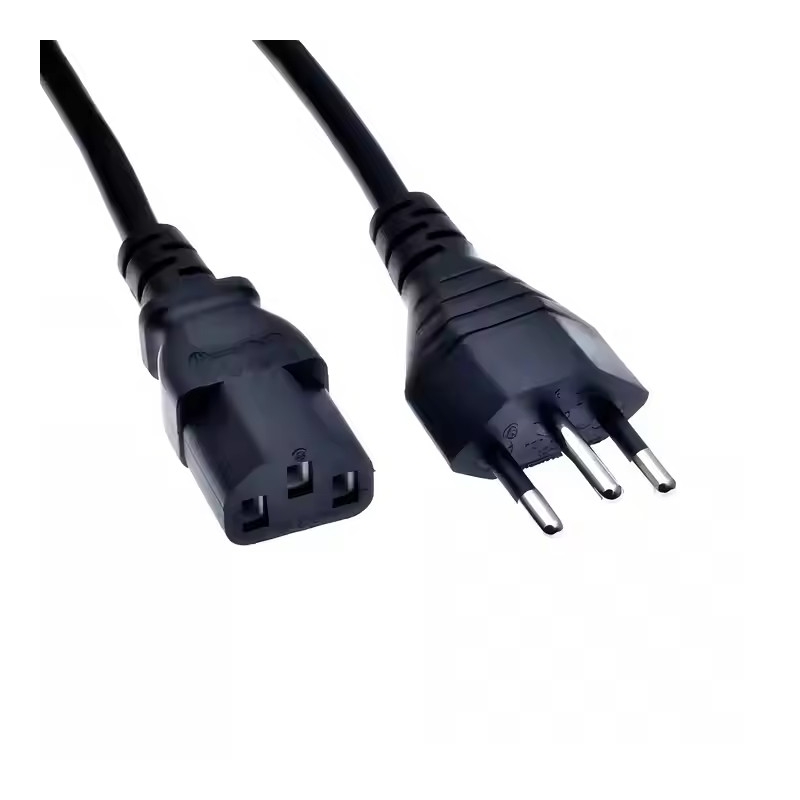
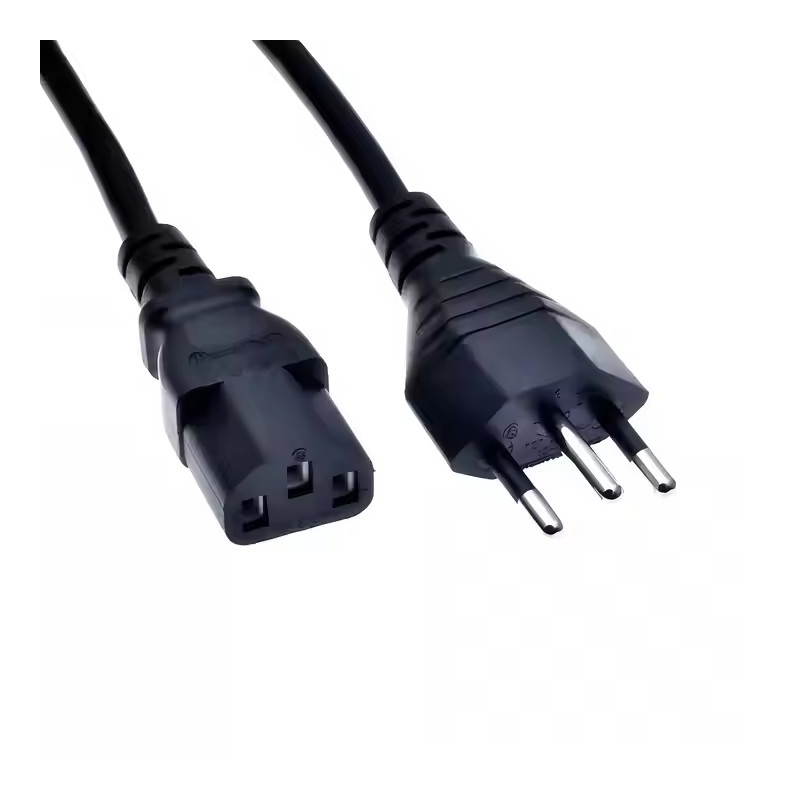
| Italian Plug | CEI 23-50 (Type L) | Center grounding pin | 10A/16A | Italy-specific sockets | Italy market only |
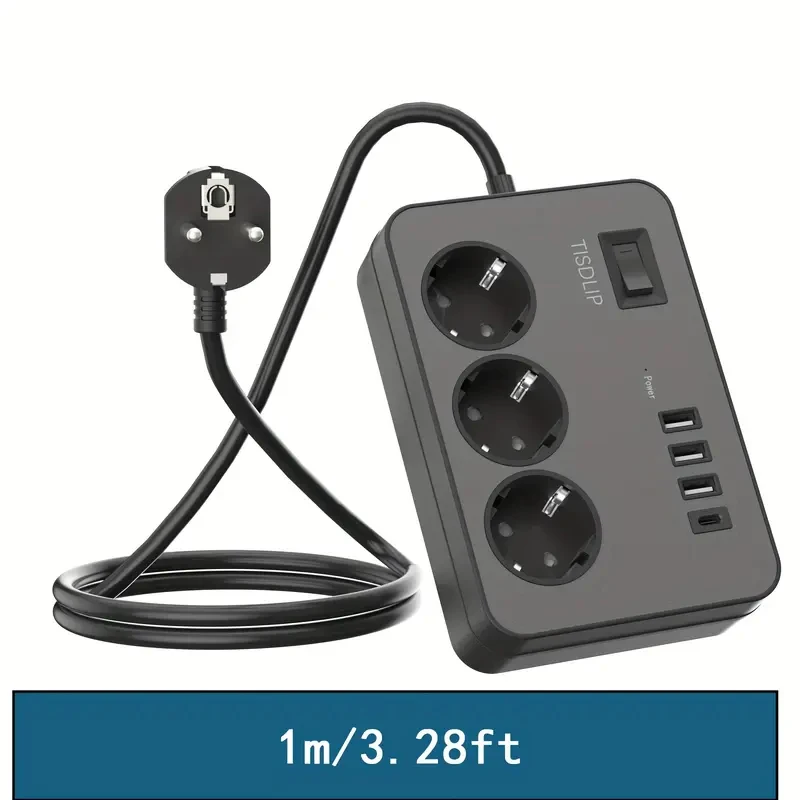
Expert Recommendation: For bulk exports, choose the CEE 7/7 Schuko composite plug. It offers maximum compatibility across Europe by supporting both German side-grounding and French pin-grounding systems.
Matching IEC Connectors on the Device Side
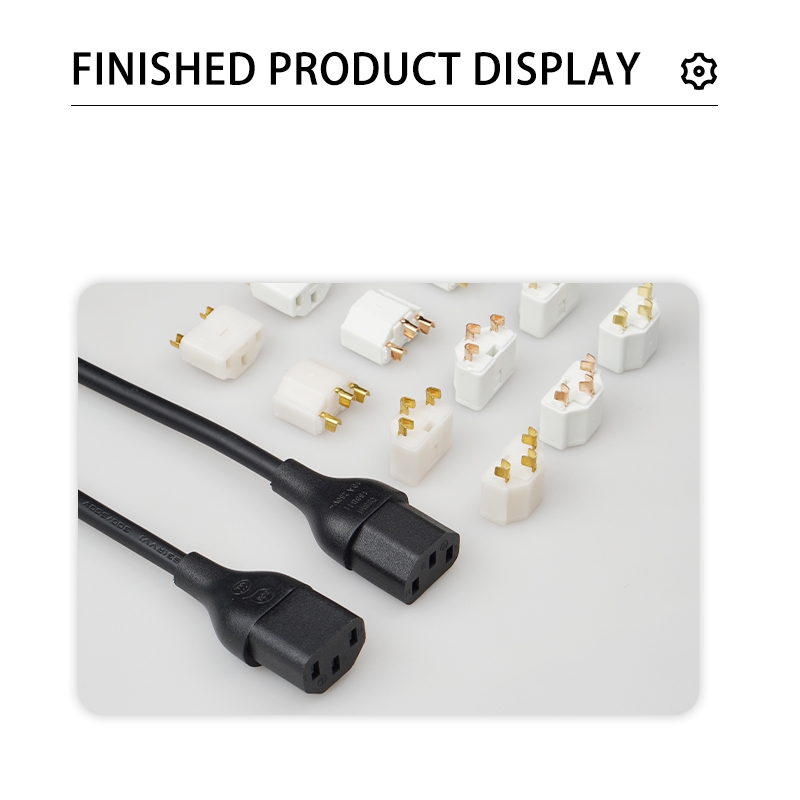
The wall-end plug is only half the story. The equipment end must comply with IEC 60320 power cordstandards:
- IEC C5 cord(Cloverleaf): Laptop power adapters.
- IEC C7 (Figure-8)power cord: TVs, PS5, small printers.
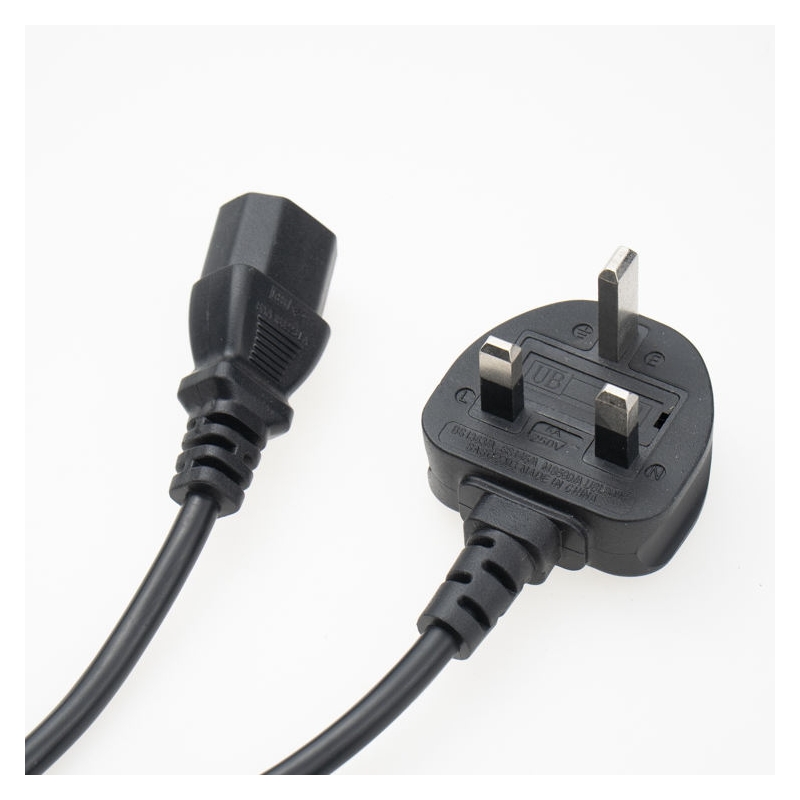
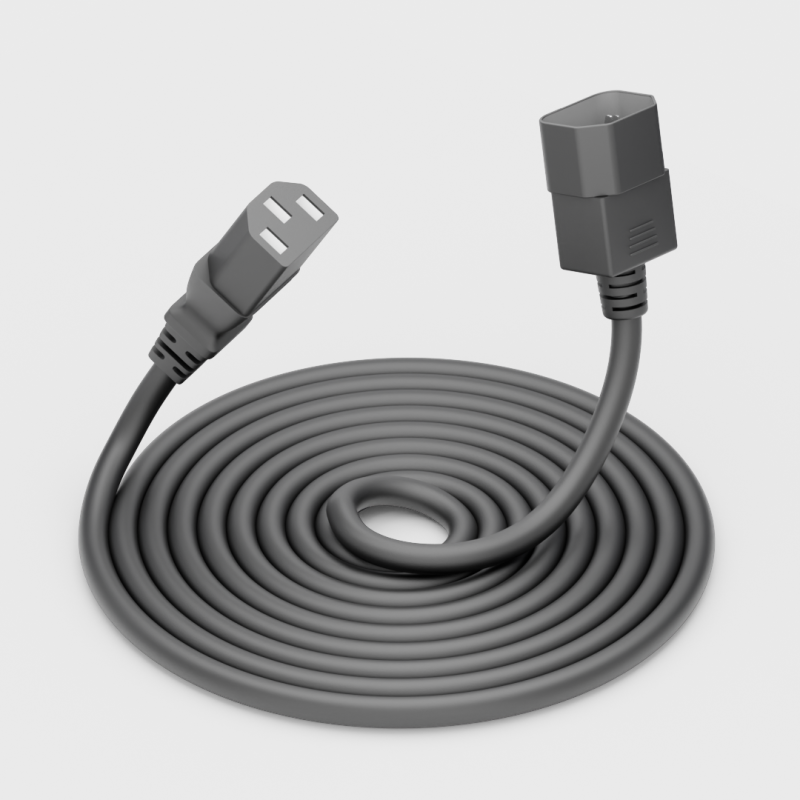
- IEC C13 power cord(Kettle/3-pin): Desktop computers, monitors, PDUs.
- IEC C15 (High-temperature): Electric kettles and heat-generating devices.
- IEC C19 (High-power): Servers and high-end networking hardware.
Tip: Always refer to a complete "Wall Plug → Cable → IEC Connector" diagram to avoid mismatches.
Essential Certifications: Your Passport to the European Market
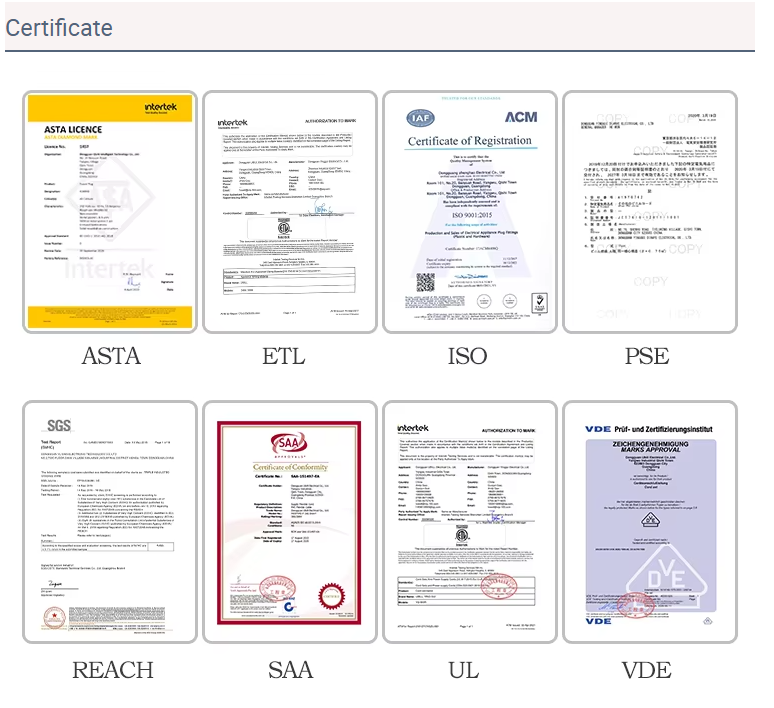
Products without the following marks face high risk of customs detention or market rejection:
- VDE: Germany's gold standard for electrical safety (highly respected across Europe).
- ENEC: European-wide safety certification based on EN standards.
- CE: Mandatory for selling in the EEA.
- RoHS / REACH: Restriction of hazardous substances (lead, cadmium, etc.).
Pro Tip: Mature factories usually hold VDE/ENEC certifications and can support fast compliance for new customers.
Cable Specification Guide: H03VV-F vs H05VV-F
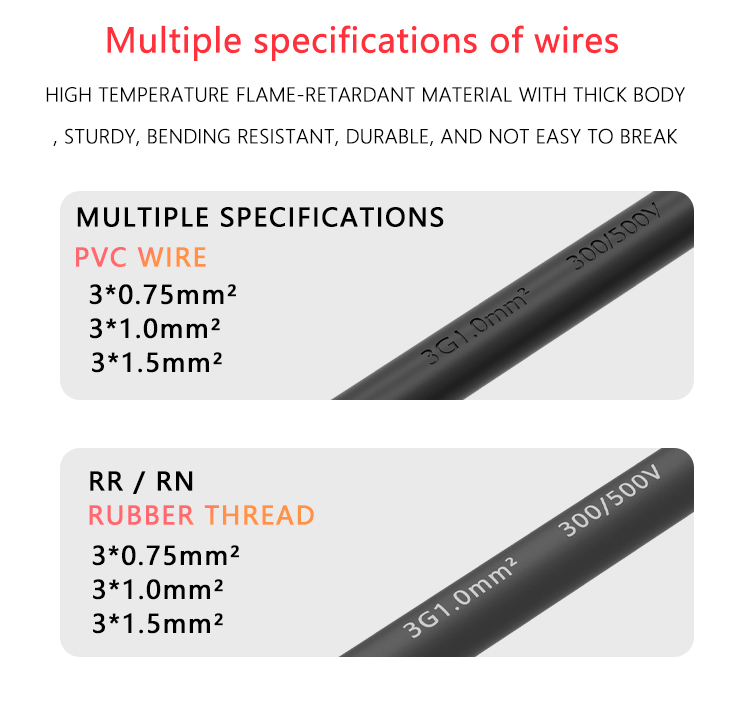
- H03VV-F: Lightweight, suitable for low-power indoor devices (lamps, clocks).
- H05VV-F: Standard for most household and office appliances (thicker insulation).
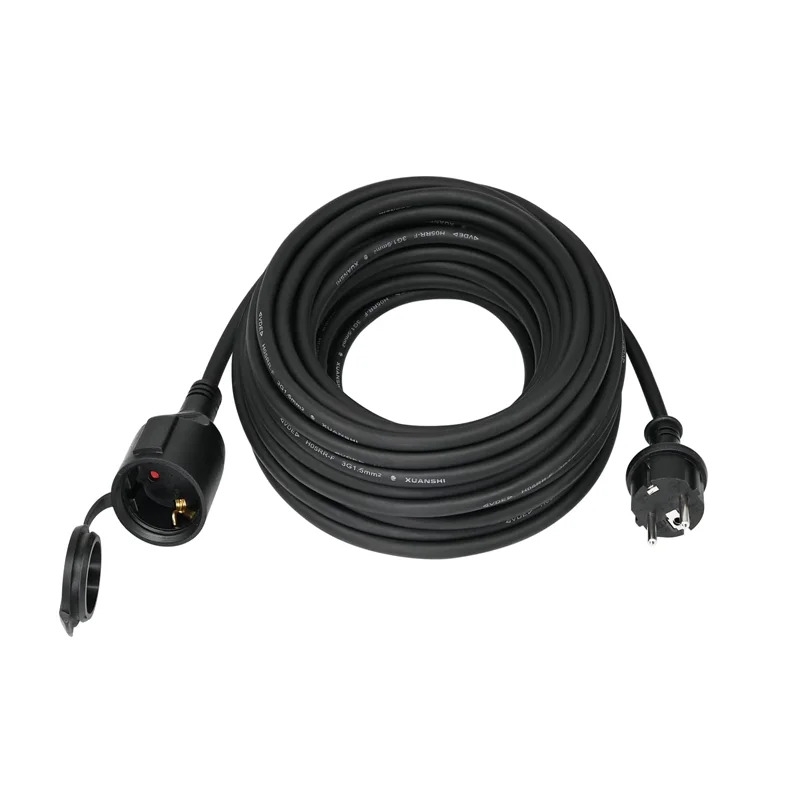
- H05RR-F / H07RN-F: Rubber cables for industrial tools or outdoor use (oil & weather resistant).
Conductor Cross-Section Recommendations (to prevent overheating):
- 16A load: 3G 1.5mm² (recommended).
- 10A load: 3G 0.75mm² or 1.0mm².
How to Avoid Common Export Risks
1. Compatibility Issues — Use CEE 7/7 composite plugs to cover most countries and reduce adapter needs.
2. Safety Hazards — Match cable thickness and plug type to actual power load.
3. Customs & Compliance — Prepare full certification documents in advance.
4. Inventory Pressure — Standardize on composite plugs and offer flexible customization.
5. Brand Experience — Custom colors, logo molding, and 90° angled connectors enhance product appeal.
Why Choose a Professional OEM/ODM Manufacturer?
Off-the-shelf cords often cannot fully meet your equipment, aesthetic, or branding requirements. A true manufacturer with 20+ years of experience and in-house production (including copper drawing) can deliver:
- Custom lengths (0.5m to 10m+).
- Color matching and logo imprinting.
- 90° angled connectors for space-saving designs.
- Full quality control from raw material to final VDE testing.
Lead Time: Typically 15–30 days, depending on customization.
MOQ: Usually 500 pcs, negotiable based on specifications.
Samples: Free samples for standard items (customer pays shipping).
FAQ
Q: How can I ensure compatibility across Europe?
A: Prioritize CEE 7/7 composite plugs for E/F type coverage. Add country-specific plugs only when necessary.
Q: How long does certification take?
A: Established factories already hold VDE/ENEC and can support quick transfer or new applications.
Q: What is the most common problem in bulk shipments?
A: Insufficient cable cross-section causing overheating during testing, or wrong plug types for target countries.
Final Thoughts
Selecting the right European power cord is not just about transmitting electricity — it protects product safety, regulatory compliance, and your brand reputation. Follow this process: clarify device power and target markets → choose composite plugs and proper cables → work with a certified manufacturer → test before mass production.
Ready to power your next European export project? Contact our engineering team for tailored recommendations and custom quotes:
andy-eu@tisdlip.com
References:
- International Electrotechnical Commission (IEC 60320-1)
- CEE 7 Series Standards
- VDE Certification Institute Guidelines
- European Union CE / RoHS Regulations
(This article was written by engineers with over 20 years of hands-on experience in European power cord manufacturing, testing, and export. For the latest requirements, always refer to official certification bodies.)



 Email
Email