

BS 1363 UK Plug Power Cord Standards Guide | Dimensions, Ratings & Global Compliance
Content Menu
● Author's Perspective & Engineering Preface
● 1. What is a UK Plug? The Technical Framework of BS 1363
● 2. Pin Dimensions, Geometry, and Critical Safety Features
● 3. Power Ratings, Current Capacity, and BS 1362 Fuse Selection
● 4. Factory Quality Control: Thermal Load & Rise Testing Protocols
● 5. Global Adoption, BS Standards, and Multi-National Compliance
● 6. OEM Procurement Guide: Selecting the Right BS 1363 Cord for Export Appliances
● 7. References & Standards Sources
● 8. Frequently Asked Questions (FAQ)
Author's Perspective & Engineering Preface
With over two decades of front-line OEM/ODM manufacturing experience at Dongguan Zhenghao Electric Co., LTD, our engineering team has overseen the production of millions of AC power cords, plug inserts, and extension sets shipped to the UK, Middle East, and Southeast Asia. The UK plug standard—governed primarily by BS 1363—is widely recognized as one of the safest electrical plug systems in the world. However, navigating its rigid dimensional tolerances, fuse selection rules, thermal load thresholds, and multi-country import regulations often presents major compliance hurdles for international appliance manufacturers.
This comprehensive guide breaks down the technical specifics, thermal testing protocols, market certification pathways, and critical buying criteria for modern commercial and residential applications.
1. What is a UK Plug? The Technical Framework of BS 1363
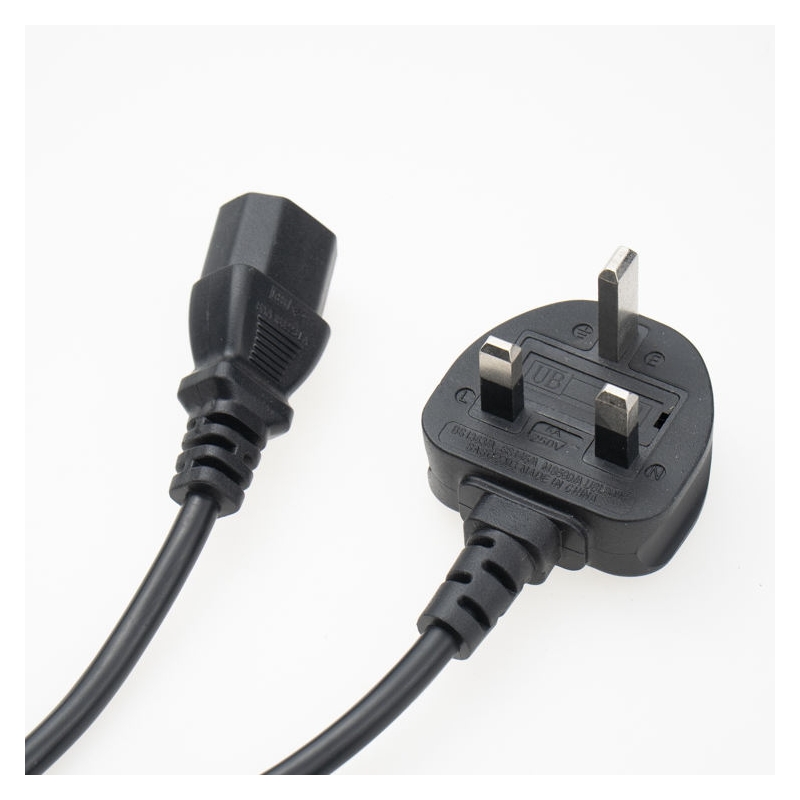
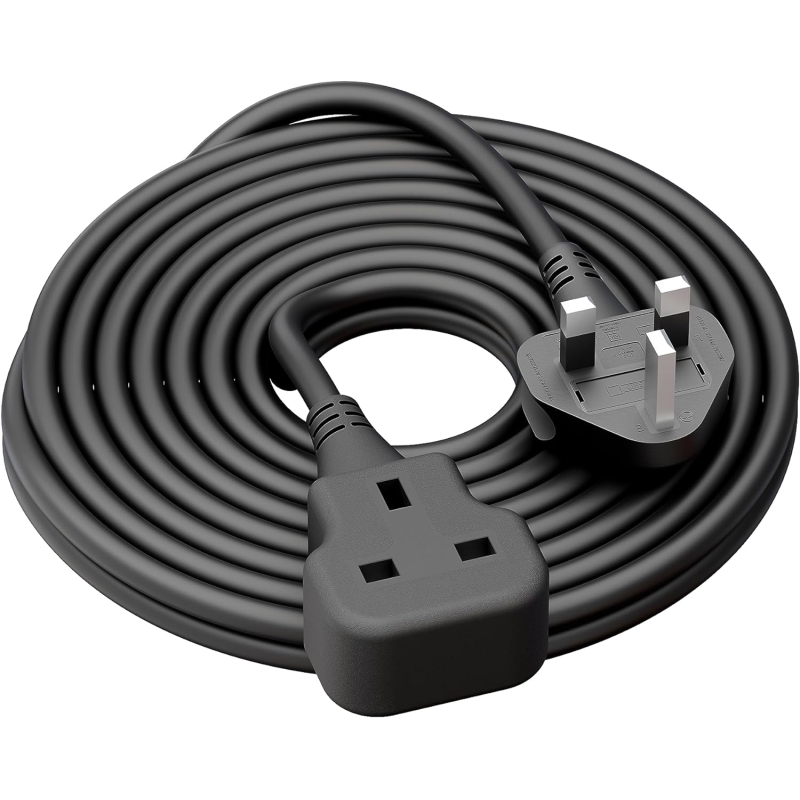
The standard UK plug, classified as a BS 1363 plug (IEC Type G), is a three-pin, grounded electrical plug operating at a nominal voltage of 230–250 V AC, 50 Hz. Unlike conventional European (Type C/F) or American (Type A/B) configurations, the BS 1363 system was specifically engineered in post-WWII Britain to support ring-main circuit topologies. It incorporates built-in line fusing directly inside every plug head for localized overcurrent protection.
Electrical power cords with UK plugs are categorized into two primary construction methods:

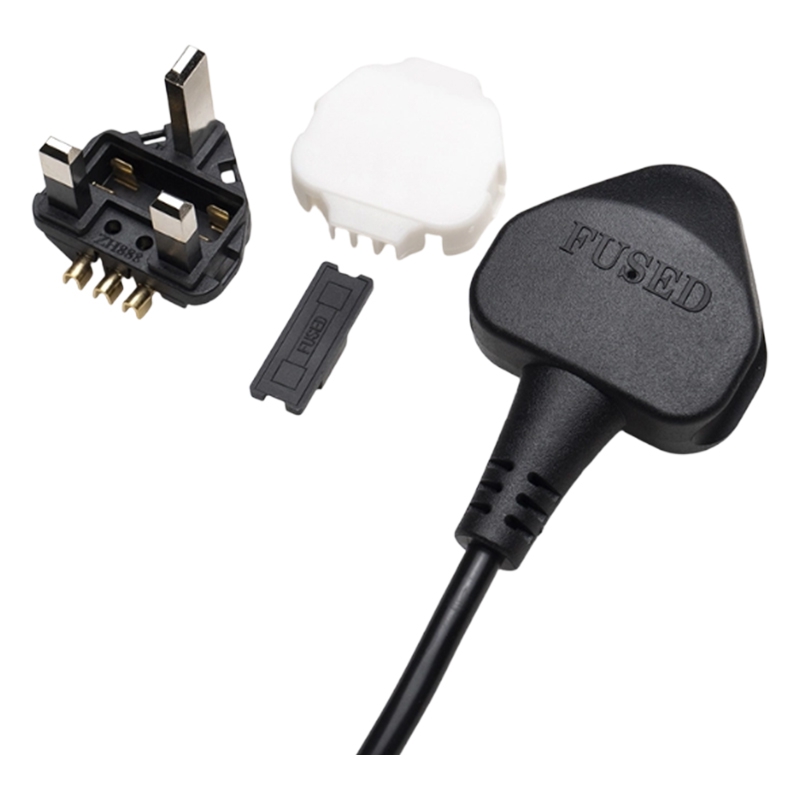
- Rewireable (Assembled) Plugs: Feature a mechanically fastened two-piece thermoplastic housing. These allow manual wiring customization, field servicing, and custom cable integration. They are frequently specified for heavy industrial equipment, temporary installations, and bespoke machinery.
- Non-Rewireable (Molded / Injected) Plugs: High-volume factory-molded units where PVC or rubber is directly injected around the internal copper terminal contacts and cord strain relief. Molded plugs provide superior ingress protection, robust mechanical pull-relief, tamper resistance, and consistent automated quality—making them the industry standard for consumer electronics and household appliances.
2. Pin Dimensions, Geometry, and Critical Safety Features
The mechanical layout of a BS 1363 plug is strictly standardized to guarantee exact fitment, ground-first contact, and touch-proof user safety. All three pins are rectangular brass blades arranged in an isosceles triangular formation.
Key Mechanical Specifications & Structural Engineering
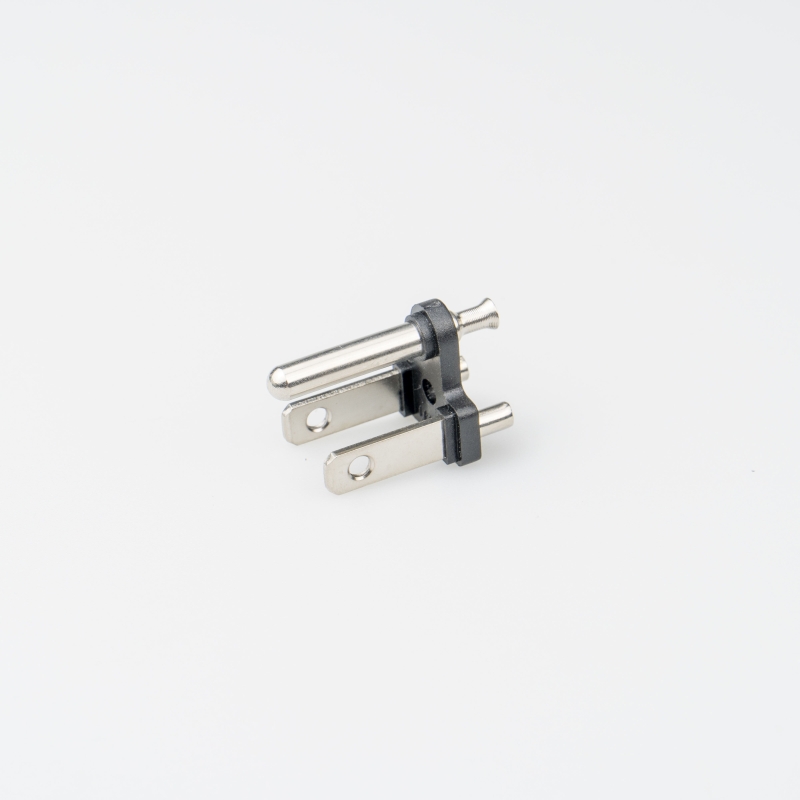
- Earth Pin (E): Measures 8.0 mm × 4.0 mm with a length of approximately 22.7 mm. The Earth pin is deliberately longer than the current-carrying pins. When inserted into a BS 1363 wall socket, the Earth pin mechanically pushes open the safety shutters covering the Live and Neutral apertures. This ensures that live contacts are never exposed unless a grounded pin initiates entry.
- Live (L) & Neutral (N) Pins: Measure 6.35 mm × 4.0 mm with a length of 17.7 mm. Standard centre-to-centre spacing between Live and Neutral pins is precisely 22.2 mm, while the vertical distance to the Earth pin is also 22.2 mm.
- Insulated Pin Sleeving (IS-Pin Safety): To prevent accidental shock if a plug is partially pulled out from an energized socket, the lower section of both the Live and Neutral copper pins is encased in a high-dielectric insulated sleeve (typically ~9–10 mm). If a user's finger slips behind a partially disengaged plug, it can only touch the insulated sleeve rather than bare copper.
- Polarity Standard: Wiring strictly follows the universal standard: Left is Neutral (N – Blue wire), Right is Live (L – Brown wire), and Top is Earth (E – Green/Yellow wire) when viewing the rear face of the plug or wiring terminals.
3. Power Ratings, Current Capacity, and BS 1362 Fuse Selection
Understanding the power handling capabilities of UK power cords is paramount for preventing thermal overload, nuisance fuse tripping, or fire hazards in commercial end products.
Voltage, Current, and Wattage Thresholds
The nominal operating voltage for UK standard power cords is 230–250 V AC (50 Hz). Current ratings are divided into standardized tiers based on the connected conductor cross-sectional area (mm²) and the internal cartridge fuse fitted into the plug:
| Current Rating | Maximum Power Load (approx. at 230 V / 250 V) | Recommended Conductor Size | Typical Commercial & Household Applications |
|---|---|---|---|
| 3 Amp | ~690 W – 750 W | 0.50 mm² – 0.75 mm² | Clocks, LED lighting, routers, small AV equipment, chargers |
| 5 Amp | ~1150 W – 1250 W | 0.75 mm² | Desktop computers, monitors, small kitchen appliances, fans |
| 10 Amp | ~2300 W – 2500 W | 1.00 mm² | Microwaves, vacuum cleaners, medium-duty power tools, printers |
| 13 Amp | ~2990 W – 3250 W | 1.25 mm² – 1.50 mm² | Space heaters, electric kettles, washing machines, heavy extension reels |
BS 1362 Fuse Performance and Fusing Curves
Every compliant BS 1363 plug must house a ceramic sand-filled cartridge fuse manufactured in compliance with BS 1362 (dimensionally 6.3 mm × 25.4 mm). The fuse acts as localized branch-circuit protection. Fuses must carry ASTA or BSI Kitemark certification. Preferred ratings in modern practice are primarily 3 A (red) and 13 A (brown).
Technical Load & Fusing Response Criteria (BS 1362 Standard)
During factory quality control and safety audits, BS 1362 fuses undergo strict overcurrent trip timing tests:
- 1.6× Rated Current Load: The fuse must not blow within 30 minutes (1800 seconds), ensuring stable operation under standard surge or inrush conditions.
- 1.9× Rated Current Load: The fuse must blow within 30 minutes (1800 seconds) to safely disconnect the circuit before thermal degradation damages the cable insulation.
4. Factory Quality Control: Thermal Load & Rise Testing Protocols
At our manufacturing facility, batch validation testing of BS 1363 plugs goes far beyond basic continuity checks. Thermal performance under maximum continuous electrical load is the definitive indicator of plug safety and contact resistance quality.
Thermal Temperature Rise Test (Temperature Rise < 37 °C / 52 °C)
According to BS 1363 testing criteria, an assembled or molded plug sample is subjected to a continuous load (typically rated current +1 A) inside a controlled environmental test chamber at ambient room temperature (20 °C–25 °C) for a minimum of 4 consecutive hours (until thermal stability is reached). Thermocouples are embedded directly into critical contact points.
- Copper Pin Temperature Rise Limit: The temperature rise on the solid copper contacts must not exceed 37 K above ambient room temperature. Excess temperature rise indicates poor brass alloy purity, loose terminal crimping, or insufficient contact surface area.
- Terminal Wire Connection Limit: The temperature rise at the internal wiring termination points (Live and Neutral wire clamping positions) or accessible surfaces must not exceed 52 K above ambient room temperature.
5. Global Adoption, BS Standards, and Multi-National Compliance
While originally created for the United Kingdom, historical trade ties, infrastructure engineering standards, and stringent safety performance have led dozens of countries and territories across Asia, Africa, and the Middle East to adopt the BS 1363 (Type G) standard.
Core Governing Standards: BS 1363, BS 546, and BS 5733
- BS 1363-1: Rewireable and non-rewireable 13 A fused plugs.
- BS 1363-2: Switched and unswitched 13 A socket-outlets.
- BS 546: Older round-pin British standard plugs (typically 2 A, 5 A, 15 A), still utilized in specialized lighting circuits, theatre systems, and specific international regions such as parts of South Africa and India.
- BS 5733: General requirements for electrical accessories, junction boxes, and adaptation units.
International Market Destinations & Regulatory Approvals
When exporting electrical appliances fitted with UK plugs, OEMs must navigate both plug standard compatibility and local national import compliance certification:
- United Kingdom & Ireland: Requires mandatory UKCA / CE compliance, accompanied by ASTA or BSI Kitemark approvals for the plug and fuse assembly.
- Singapore: Must comply with Enterprise Singapore Consumer Protection (Safety Requirement) Scheme and obtain the SAFETY Mark.
- Hong Kong SAR: Electrical Products (Safety) Regulation enforces strict compliance with BS 1363 standard certification.
- Saudi Arabia: While using the BS 1363 form factor, Saudi Customs mandates the SASO / SALEEM (SABER platform) Certificate of Conformity. Shipping BS 1363 cords into Saudi Arabia without valid SASO documentation results in immediate customs clearance rejection.
- Other BS Standard Regions: Malaysia (SIRIM), UAE (ECAS), Qatar, Bahrain, Kuwait, Oman, Nigeria (SONCAP), Kenya (PVoC), Ghana, Tanzania, Uganda, Brunei, Maldives, Bhutan, Vietnam, and numerous other territories.

6. OEM Procurement Guide: Selecting the Right BS 1363 Cord for Export Appliances
For product managers and sourcing engineers designing export-bound electrical products, selecting the proper cord set requires matching cable insulation jacket materials, conductor gauges, and terminal end-connectors to the specific appliance environment:
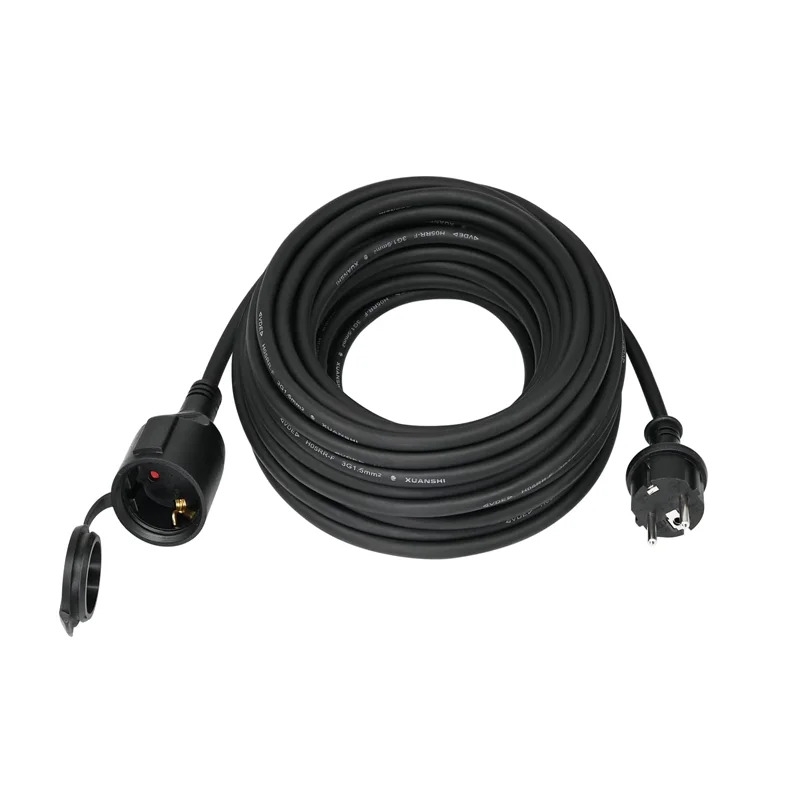
- Outer Jacket Cable Material: Select H05VV-F (PVC) for standard indoor household appliances; H05RR-F / H07RN-F (synthetic rubber) for heavy-duty industrial outdoor tools requiring oil and weather resistance; or LSZH (Low Smoke Zero Halogen) for institutional installations.
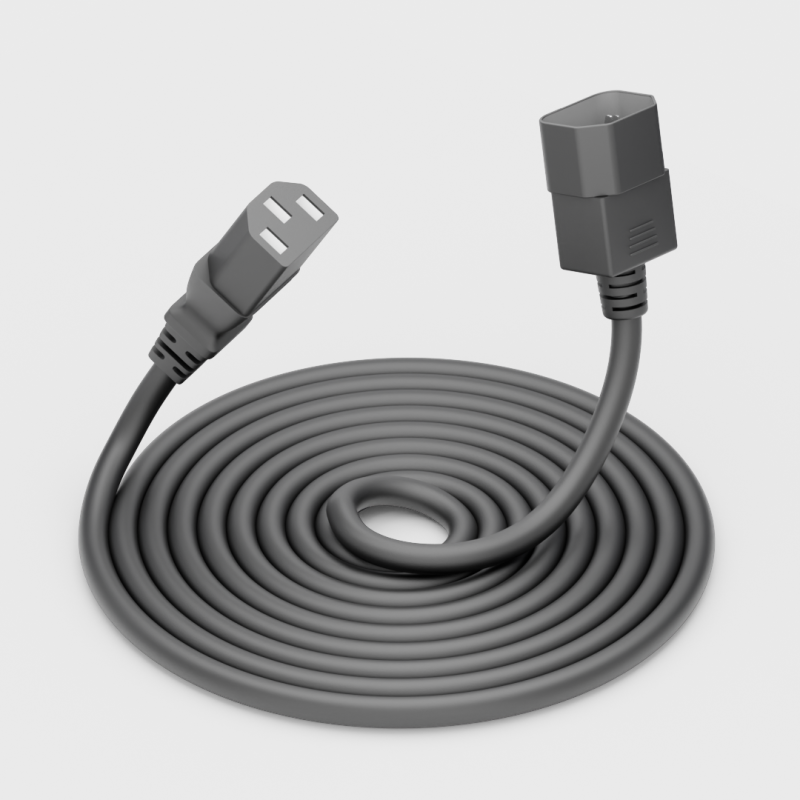
- Appliance End Termination: Options range from standard IEC C13 / C15 / C19 couplers for IT servers and high-temperature kitchenware to custom stripped, tin-dipped, or terminal-crimped lead ends for direct internal PCB wiring.
- Supplier Audit Checklist: Verify that your OEM factory maintains valid ISO 9001:2015 quality management certification, complete ASTA/BSI test certificates for plug heads, full RoHS/REACH chemical compliance, and automated 100 % inline electrical testing (hipot dielectric withstand, polarity, and ground continuity).
Partner with a Certified AC Power Cord Manufacturer
Are you developing export appliances for the UK, Middle Eastern, or Southeast Asian markets? Dongguan Zhenghao Electric Co., LTD is a specialized OEM/ODM manufacturer with 20 years of expertise in producing BS 1363 power cords, extension cords, and molded plug inserts. Contact our engineering team today for custom technical drawings, sample prototyping, and fully certified production runs tailored to your market destination.
7. References & Standards Sources
1. BSI Group. BS 1363-1: 13 A plugs, socket-outlets, adaptors and connection units – Specification for rewireable and non-rewireable 13 A fused plugs. https://knowledge.bsigroup.com/products/bs-1363-1
2. Intertek ASTA Certification. ASTA License & Safety Certification for Electrical Accessories. https://www.intertek.com/marks/asta/
3. Saudi Standards, Metrology and Quality Organization (SASO). SABER Conformity Assessment Regulations for Low-Voltage Electrical Equipment. https://saber.sa/
4. Singapore Consumer Product Safety Office (CPSO). Requirements for Controlled Goods – BS 1363 Plugs and Sockets. https://www.consumerproductsafety.gov.sg/
5. International Electrotechnical Commission (IEC). World Plugs: Type G Electrical Plug Standard Overview. https://www.iec.ch/world-plugs/type-g
8. Frequently Asked Questions (FAQ)
Q1: What is the main structural difference between BS 1363 and BS 546 plugs?
A: BS 1363 plugs feature three rectangular/square prongs and an internal cartridge fuse, whereas older BS 546 plugs feature three round prongs and do not contain an internal fuse. BS 1363 is the current standard for mains electricity in the UK.
Q2: Why do UK BS 1363 plugs require insulated sleeves on the Live and Neutral pins?
A: Insulated sleeves prevent shock hazards. If a plug is partially pulled out from a wall socket, exposing part of the pins, the insulation ensures that a user's finger or a metal object touching the pin cannot make electrical contact with live power.
Q3: Can a 13 A rated BS 1363 plug be fitted with a lower rated fuse like 3 A or 5 A?
A: Yes. In fact, BS 1362 fuses should be matched to the power consumption and conductor wire gauge of the specific appliance. Low-power electronics (e.g., lamps or chargers) should use a 3 A fuse to ensure prompt circuit disconnection during a fault. Preferred modern ratings are primarily 3 A and 13 A.
Q4: Why is SASO certification required for exporting BS 1363 power cords to Saudi Arabia?
A: Saudi Arabia uses the Type G (BS 1363) physical plug style, but national law requires all low-voltage electrical goods entering the Kingdom to hold valid SASO SABER certificates of conformity to verify local voltage, frequency, and thermal safety compliance.
Q5: What causes a BS 1363 plug to fail the factory 4-hour thermal load test?
A: Thermal failures (temperature rise exceeding 37 K on prongs or 52 K on wire connections) are typically caused by sub-standard brass purity in the pins, loose terminal screw crimping, inadequate conductor cross-sectional area, or poor spring contact pressure within the fuse holder clips.



 Email
Email