
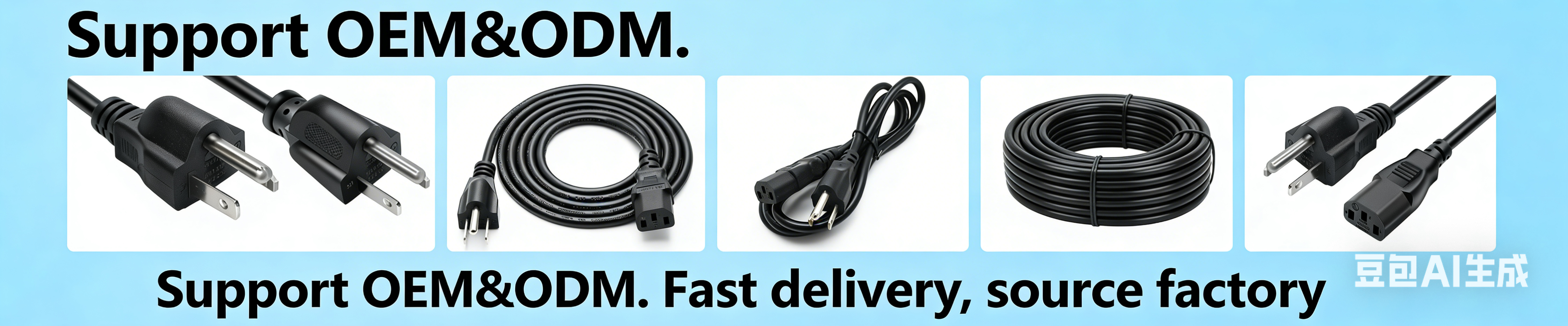
IEC C7 Power Cord Extension Specs & Safety Selection Guide
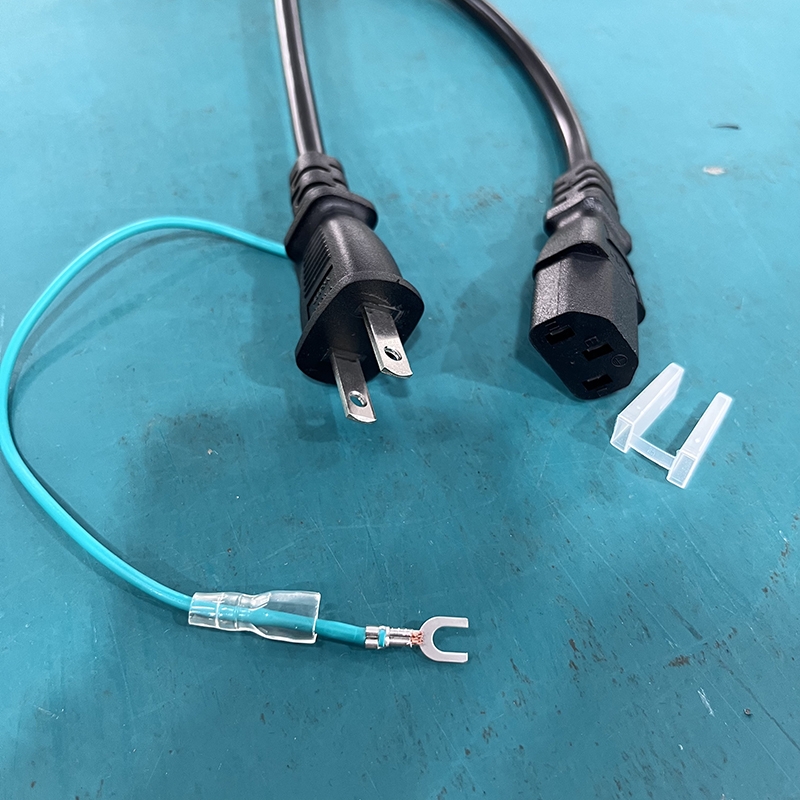
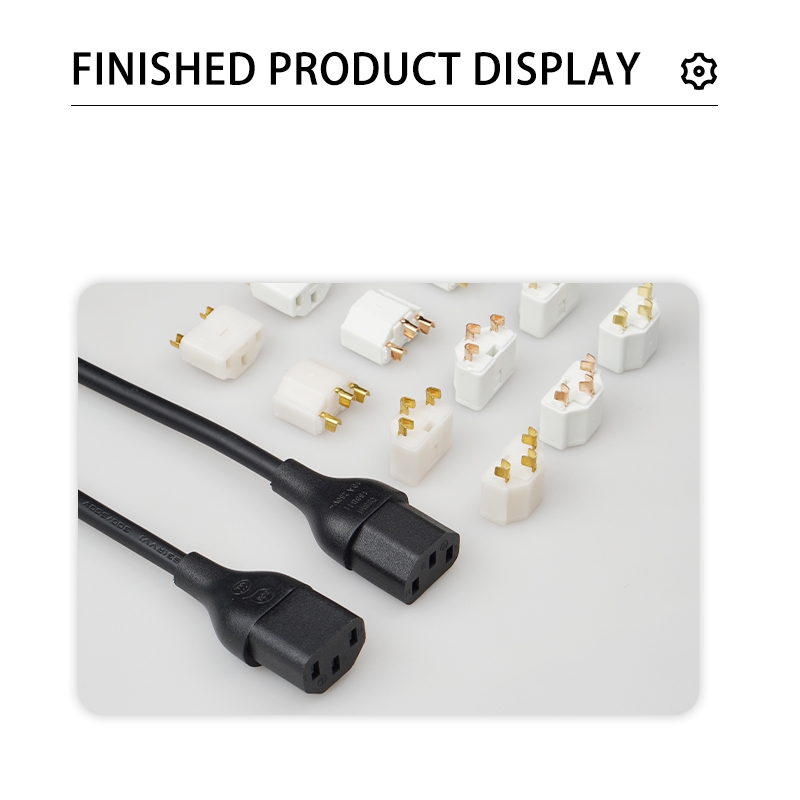
Executive Summary: Modern consumer electronics, audio-visual appliances, and office equipment demand uncompromised power delivery solutions. The IEC C7 power cable (commonly recognized globally as the figure-8 power cord ) serves as a primary secondary-side AC power cord interconnect for millions of devices worldwide. Unlike temporary consumer-grade leads, industrial-grade C7 extension assemblies are designed as permanent, highly stable power infrastructure components built to mitigate thermal risks, pass rigorous global compliance testing, and maintain mechanical integrity over multi-year deployment lifecycles. This comprehensive technical guide breaks down key engineering specifications, international compliance frameworks, conductor metallics, thermal failure mechanisms, and strategic procurement criteria for factory integration and wholesale distribution.
Selecting an IEC 60320 C7 power extension cable requires evaluating pure copper cross-sectional consistency (0.75 mm² / H03VV-F 2G), dielectric insulation endurance, and multi-market regulatory certification badges (ASTA, ETL, SAA, KC, PSE, CCC). Standardizing on validated assembly specifications drastically minimizes compliance rejection, product liability claims, and post-sale electrical failure modes.
1. IEC 60320 C7 Interface Standards and Core Physical Parameters
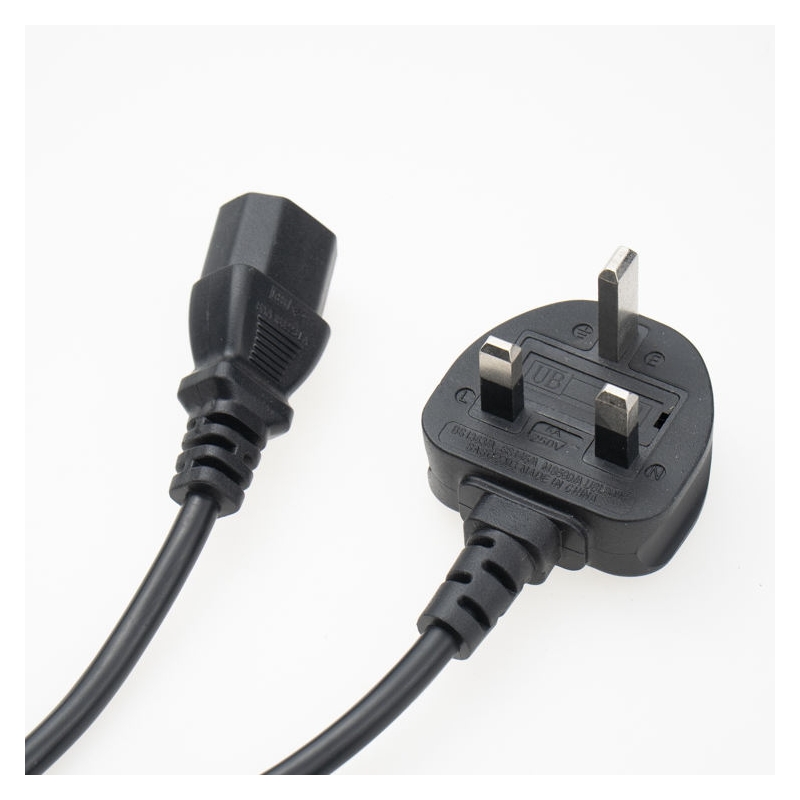
The International Electrotechnical Commission (IEC) standard IEC 60320-1 defines appliance couplers for household and similar general purposes. The IEC C7 connector—a non-polarized, 2-conductor coupler featuring a distinct dual-lobed shape—mates directly with an IEC C8 inlet. To ensure complete operational safety across commercial, industrial, and residential environments, engineering teams must evaluate physical power cables against strict baseline parameters.

| Technical Parameter | Standard Specification Values | Engineering Significance & Safety Boundary |
|---|---|---|
| Connector Interface Standard | IEC 60320 C7 ati(Figure-8power cord ) / IEC C8 Mng | Guarantees dimensional compliance, insertion force tolerances, and touch-proof physical shielding. |
| Rated AC Voltage | 250 V AC (Global Standard) | Accommodates international line voltages ranging from 100V (Japan) and 120V (North America) to 230V/240V (EU/UK/AU). |
| Rated Continuous Current | 2.5 A (Maximum nominal continuous draw) | Prevents sustained over-current operation and local resistance heating at connector pin contact points. |
| Maximum Power Capacity | 625 Watts Max (@ 250V AC) | Strict Safety Boundary: Strictly prohibited for high-wattage thermal appliances (e.g., space heaters, microwaves). |
| Conductor Gauge & Construction | 0.75 mm² Pure Bare Copper (2G, Annealed) | Ensures low electrical resistance (≤ 26.0 Ω/km), minimal voltage drop, and low thermal rise under peak load. |
| Jacket Sheath Material | Flexible High-Grade PVC (H03VV-F / NISPT-2) | Delivers superior tensile strength, flame retardancy, abrasion protection, and bending fatigue endurance. |
| Global Safety Certifications | ASTA, ETL, SAA, KC, PSE, CCC, CE, RoHS | Ensures immediate regulatory compliance for re-export across North America, Europe, East Asia, and Australia. |
Mandatory Safety Boundary: The terminal device's power inlet must feature a certified IEC C8 male chassis socket, and the total continuous power draw must not exceed 625 Watts. Exceeding rated capacity induces resistive thermal runaway, insulation degradation, and elevated risks of electrical fires.
2. Compatible Appliance Ecosystem
Due to its compact, ungrounded Class II insulation profile, the IEC C7 power cord extension is the preferred interconnect across consumer electronics, smart home appliances, office infrastructure, and factory assemblies.
| Appliance Category | Typical Target Devices | Commercial Procurement Application |
|---|---|---|
| Gaming & Home Entertainment | Sony PlayStation PS4 / PS5 power cords, Nintendo Switch docks, OLED TVs, LED Monitors, Home Theater Projectors | Retail accessory bundling, aftermarket lengthened replacement cables, e-commerce channel distribution. |
| Office Electronics | Laser/Inkjet Printers, Flatbed Scanners, External Hard Drive Arrays, Desktop AC Power Adapters | Corporate IT deployment, workstation cable extension, system integration packaging. |
| Small Appliances & Digital | LED Desk Lamps, Bluetooth Bookshelf Speakers, Camera Battery Chargers, Smart Humidifiers | Factory OEM/ODM inbox accessory inclusion, white-label retail distribution. |
| Industrial & OEM Assembly | Commercial LED Drivers, Factory Floor Testing Racks, Custom Modular Power Enclosures | Standardized factory power harness assemblies, custom-length OEM wiring. |
3. Multi-National Safety Certifications & Quality Engineering Deep-Dive
For B2B buyers and original equipment manufacturers, selecting an extension cable is not merely a purchasing transaction—it is a critical risk mitigation decision. A single non-compliant component can halt entire container shipments at customs or cause catastrophic end-use equipment failure.
3.1 Global Mandatory Regulatory Compliance Framework
High-quality IEC C7 extension cords undergo comprehensive third-party testing protocols to earn global certification marks:
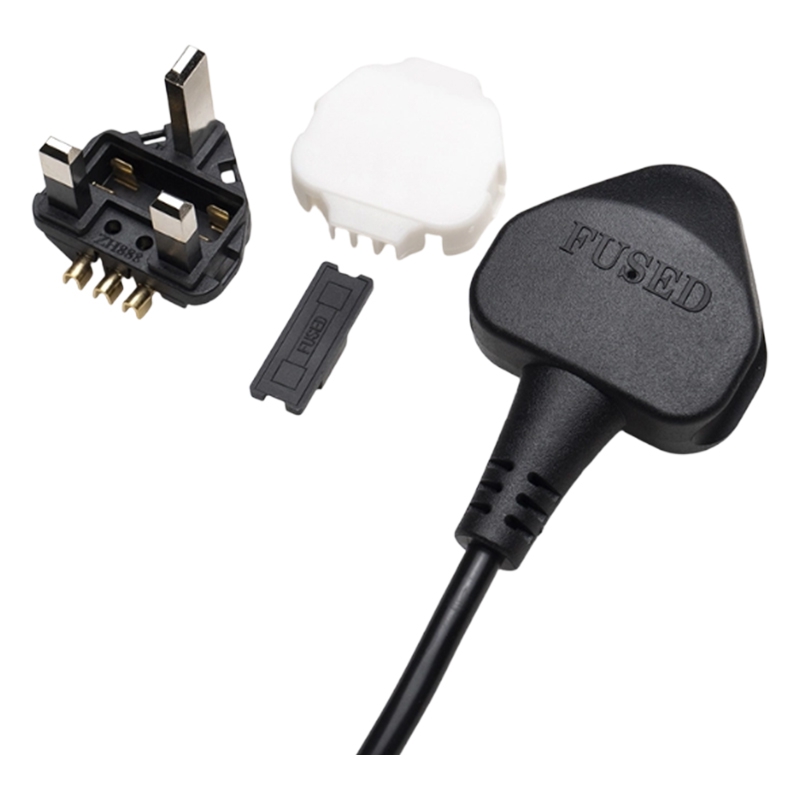
ASTA (United Kingdom): Verified under BS 1363 / BS 1363/A standards for plug durability, dielectric strength, and short-circuit protection.
ETL / UL (North America): Certified against UL 817 / CSA C22.2 safety standard specifications for cord sets and power supply cords.
SAA (Australia/New Zealand): Compliant with AS/NZS 3112 regulatory standards for structural safety and insulation thickness.
KC (South Korea) & PSE (Japan): Verified under K60320 / DENAN law electrical safety criteria for harmonic resistance and tracking index.
China CCC: Full certification under GB/T 15934 standard specifications for appliance couplers.

3.2 Material Science: H03VV-F 2G 0.75 mm² Pure Copper vs. Low-Cost Alternatives
The internal conductor architecture is the single most decisive factor governing real-world electrical reliability. Many low-cost market alternatives utilize 0.5 mm² undersized conductors or Copper-Clad Aluminum (CCA) wire strands. The comparative technical analysis below illustrates why pure oxygen-free copper is non-negotiable for enterprise procurement:
| Performance Metric | 0.75 mm² Pure Oxygen-Free Copper (TISDLIP Standard) | 0.5 mm² Undersized Pure Copper Wire | 0.75 mm² Copper-Clad Aluminum (CCA) |
|---|---|---|---|
| Electrical Resistance (Ω/km) | ≤ 26.0 Ω/km (Low conduction losses) | ~39.0 Ω/km (50% higher resistance) | ~43.0 Ω/km (65% higher resistance) |
| Thermal Rise under 2.5A Load | Minimal (< 15°C above ambient) | Elevated (Potential insulation melting) | Severe thermal spikes at point terminations |
| Mechanical Tensile Strength | High (Resists internal conductor snapping) | Moderate (Prone to stretching damage) | Extremely Brittle (High breakage during flexure) |
| Oxidation Resistance | Superior (Decade-long stable contact resistance) | Superior | Poor (Oxidizes rapidly at contact interfaces) |
For quality assurance directors and electrical engineers, pure copper conductor cross-sections offer reproducible, testable physical properties that prevent long-term resistance drift and eliminate field returns.
3.3 Jacket Integrity & Flame-Retardant PVC Compound Technology
Field failure analyses demonstrate that outer jacket cracking, dielectric breakdown, and insulation abrasion account for over 70% of extension lead electrical faults, far exceeding internal strand fractures. Industrial C7 extension cords utilize high-density, flexible PVC outer sheathing designed to endure continuous mechanical abuse:
Flexural Fatigue Resistance: Tested to withstand >5,000 cycles of 180° continuous bending under physical load without jacket micro-fracturing.
Flame Retardancy: Passes VW-1 (UL) and IEC 60332-1 vertical flame resistance tests, self-extinguishing within seconds of flame source removal.
Strain Relief Ergonomics: Molded-in progressive strain relief boots at connector junction points dissipate localized bending stresses, protecting delicate solderless crimp terminals inside.
4. Advanced Manufacturing & OEM Quality Control Processes
To provide complete supply chain transparency, reliable power cable manufacturers implement rigorous inline production quality assurance (QA) protocols during the extrusion, crimping, and molding processes:

Automated High-Voltage Insulation (Hi-Pot) Testing: Every individual cord assembly is subjected to a 2,000V AC dielectric withstand test for 1 second to ensure zero leakage current between conductors or to external contact surfaces.
100% Continuity & Polarity Verification: Automated optical and electrical sensors verify pin-to-pin wiring continuity, detecting open circuits, short circuits, or crossed wires prior to final packaging.
Precision Contact Insertion Torque & Retention Force Test: Standardized push-pull mechanical gauge testing confirms C7 female connector spring retention force meets IEC standards (preventing loose fitting or unintentional disconnection under vibration).
5. Operational Guidelines, Maintenance, and Field Risk Mitigation
Deploying power extension cords within corporate offices or industrial facilities requires strict adherence to operating standards to guarantee zero downtime and maximum workplace safety:
Verify Power Ratings Prior to Energizing: Confirm the connected load does not exceed 625 W and the supply voltage matches device limits. Never force a standard C7 non-polarized connector into a polarized C8 socket variant without verifying keying alignment.
Ensure Firm, Fully-Seated Mating: Push connector bodies together until flush. A loose or partial insertion increases pin contact resistance, leading to localized arcing, heating, and potential housing deformation.
Implement Proper Cable Routing & Radius Controls: Maintain a minimum bend radius of at least 5x the outer cable diameter. Strictly avoid sharp 90° bends at the plug root, heavy object crushing, or tightly bound cable bundles that restrict thermal dissipation.
6. Procurement Strategy: B2B Integration, Wholesale & Customized OEM/ODM Solutions
For international buyers, distributors, and factory procurement teams, sourcing IEC C7 extension leads involves balancing volume pricing against strict technical compliance:
Small Appliance Factories & Export Packaging: Supply exported appliances with factory-standard, multi-certified C7 power leads as an inbox accessory, streamlining regulatory clearance across North American, European, and Asian target markets.
Commercial Channel Distributors & Wholesalers: Standardize on unified stock keeping units (SKUs) featuring prominent certification stamps (ETL, ASTA, SAA, KC) on retail packaging, giving downstream enterprise buyers clear confidence in safety boundaries.
Enterprise IT Infrastructure & Office Integration: Eliminate dangerous multi-outlet daisy-chaining by deploying exact-length C7 extension leads for elevated monitors, ceiling projectors, and centralized workstation printers.
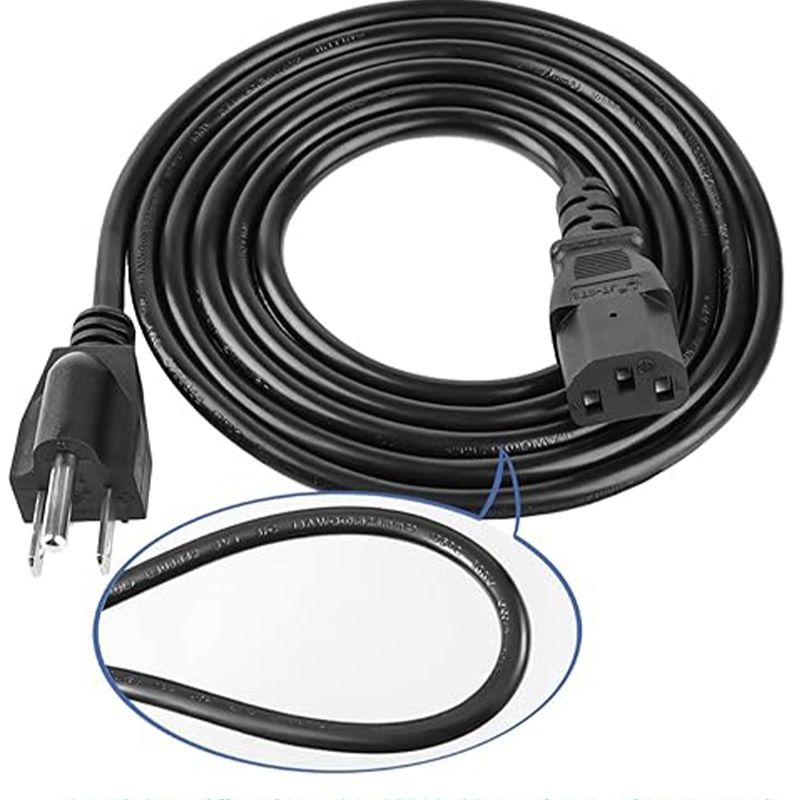
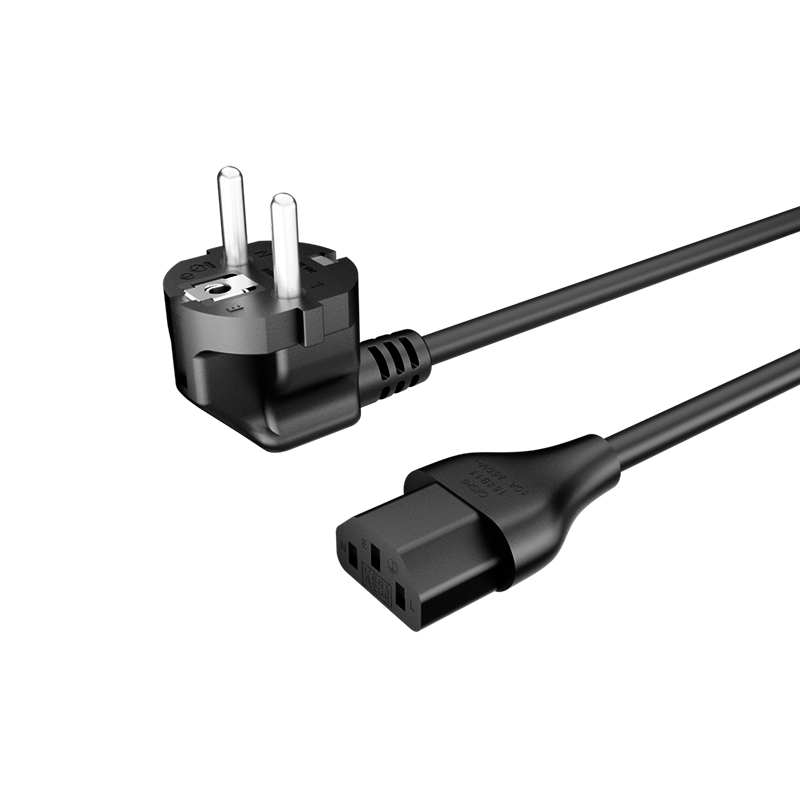
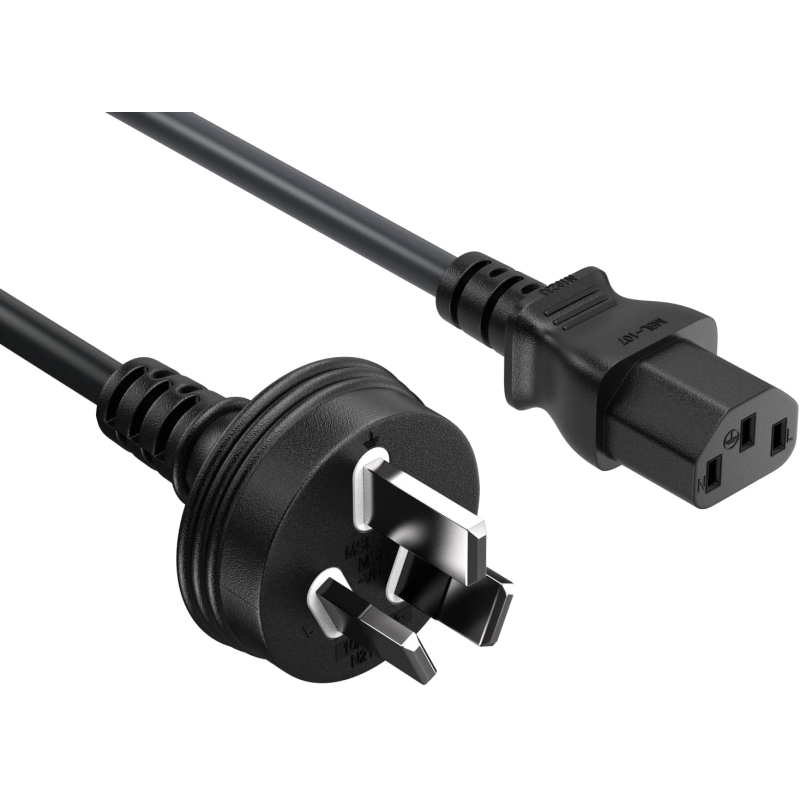
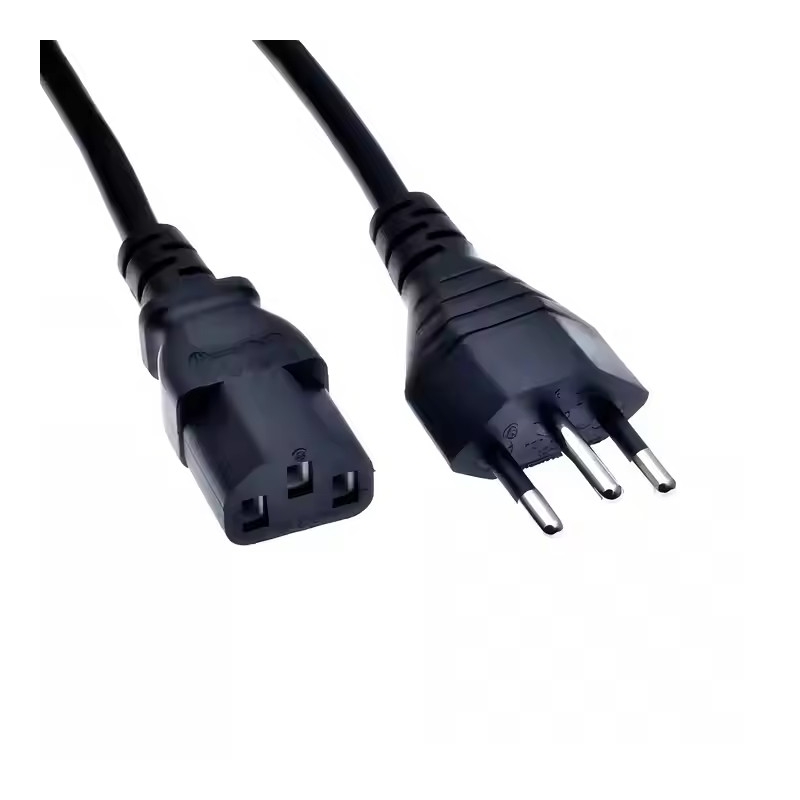
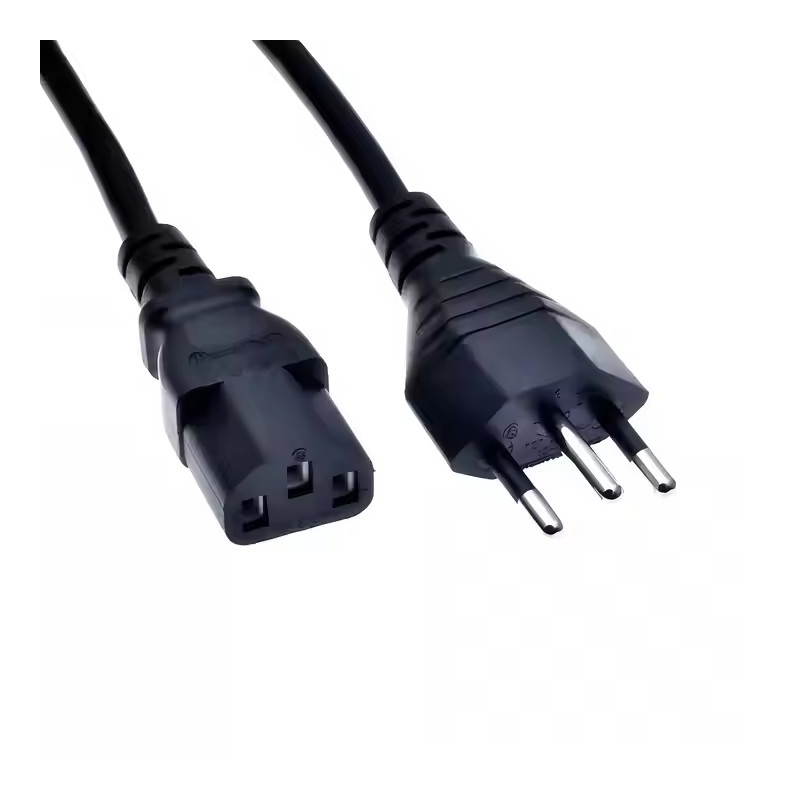
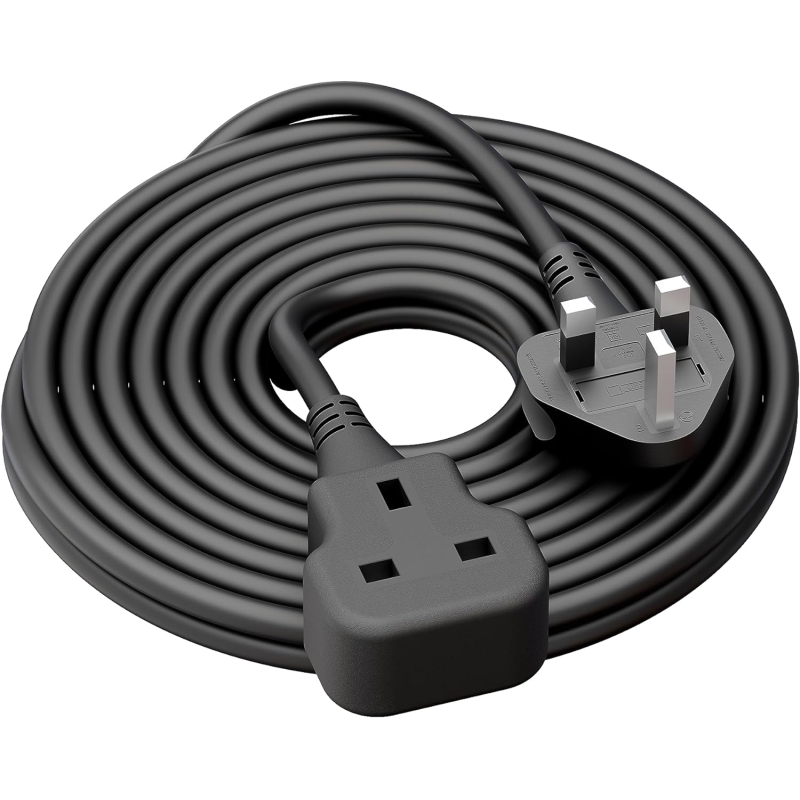
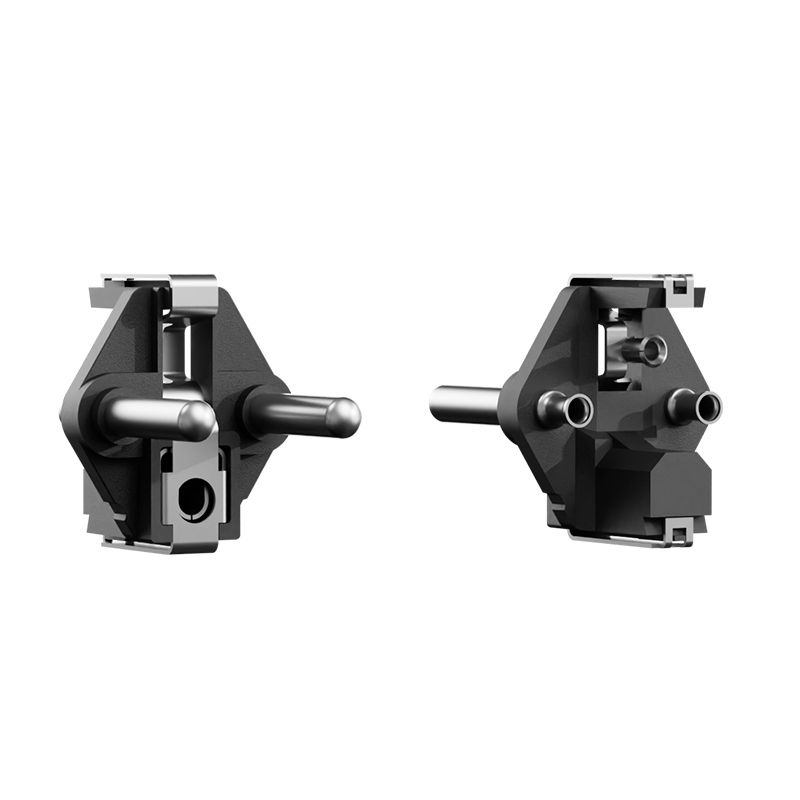
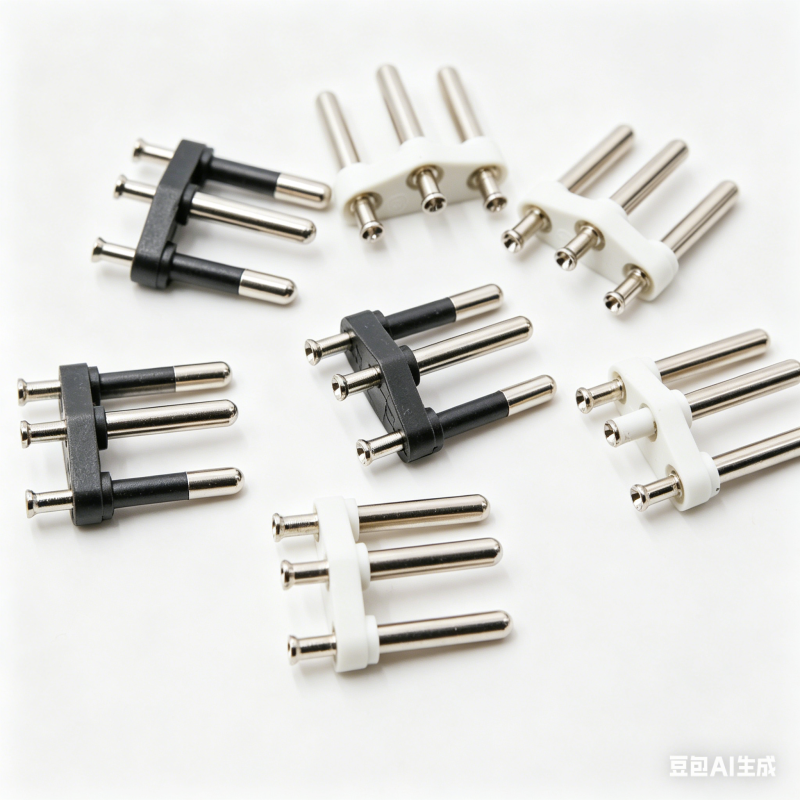
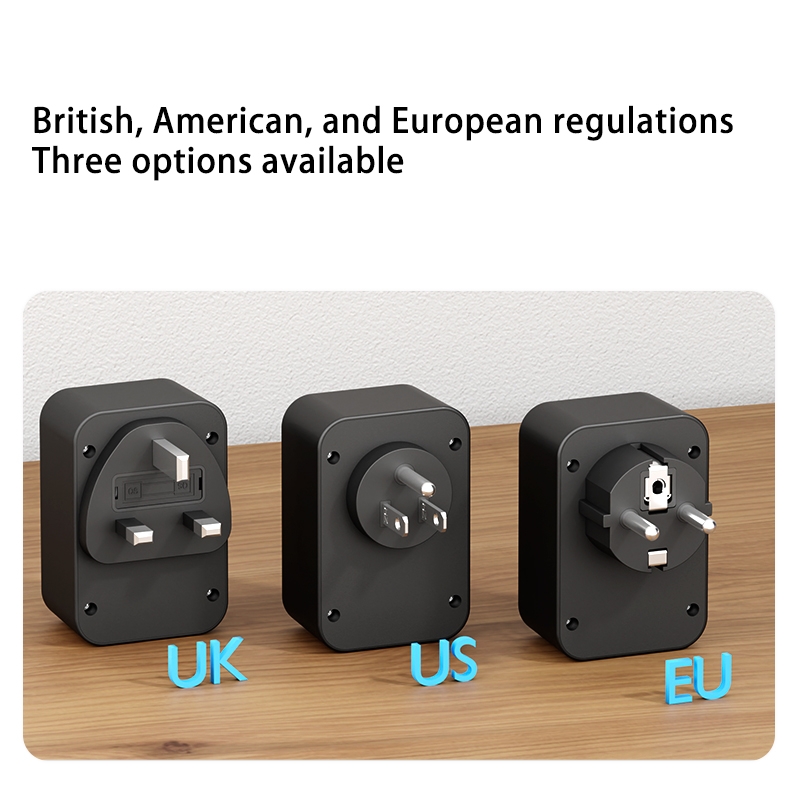
Custom OEM/ODM Engineering Options: Dongguan Zhenghao Electric Co., LTD offers tailored manufacturing solutions including custom cable lengths (0.5m to 5m+), localized plug terminations (UK 3-pin, EU Schuko, US NEMA 1-15P, AU 2-pin), specialized color jackets, custom brand labeling, and customized retail blister or polybag packaging.
Optimize Your Power Interconnect Supply Chain with Dongguan Zhenghao Electric Co., LTD (TISDLIP)
As a specialized manufacturer with over 20 years of expertise in AC power cords, extension leads, power strips, and plug insert assemblies, Dongguan Zhenghao Electric Co., LTD supplies premium OEM/ODM solutions to global distributors, wholesalers, and appliance brands. Our production lines operate under strict ISO 9001 quality management systems, ensuring full compliance with international safety standards.
7. Frequently Asked Questions (FAQ)
Q1: What is the primary functional difference between a standard IEC C7 cable and an IEC C7 extension cable?
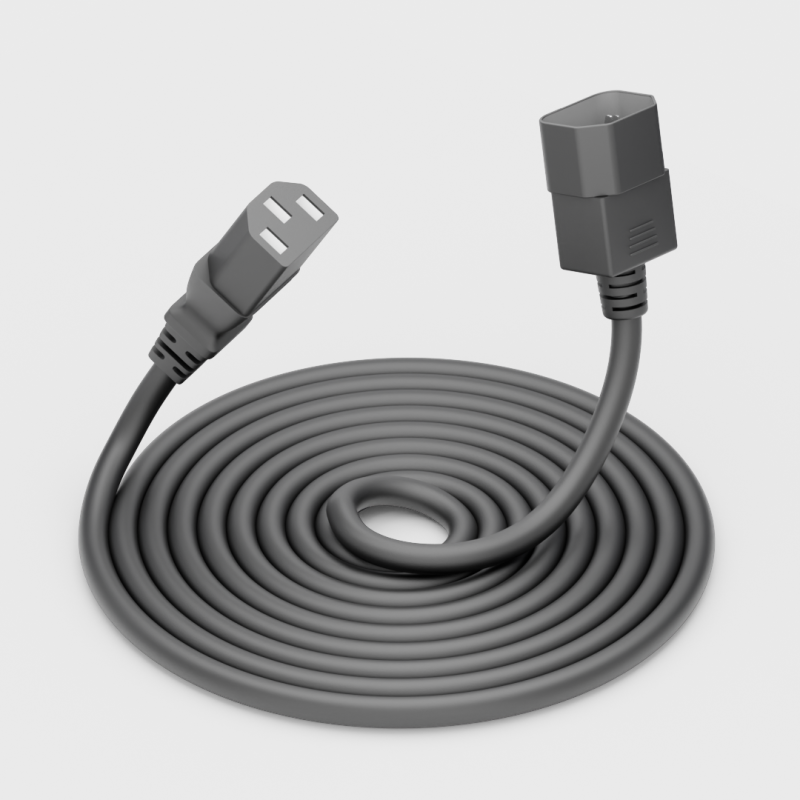
Answer: A standard IEC C7 cable typically features an AC wall plug (such as a US NEMA 1-15P or EU CEE 7/16) on one end and a female IEC C7 connector on the other. An IEC C7 extension cable features an IEC C7 female connector on one end and an IEC C8 male chassis-style inlet plug on the opposite end. This allows users to extend an existing C7 power lead without removing the original wall connection.
Q2: Can I use an IEC C7 extension cord with high-power home appliances like space heaters or microwave ovens?
Answer: No. IEC C7 connectors are strictly rated for a maximum continuous current of 2.5 A and a maximum power limit of 625 W (at 250 V). High-draw heating or motorized appliances require heavy-duty grounded power leads (such as IEC C13/C14 or C19/C20 connectors with 10A to 16A ratings and 1.5 mm² to 2.5 mm² conductors) to handle higher currents safely.
Q3: How do I identify whether an IEC C7 cable uses genuine pure copper or cheap Copper-Clad Aluminum (CCA)?
Answer: Pure copper conductors display low electrical resistance (≤26 Ω/km for 0.75 mm²), higher weight, excellent flexibility, and a distinct bright reddish-gold luster when scraped. CCA wire is lighter, significantly stiffer, breaks easily upon repeated flexing, exhibits higher electrical resistance, and reveals a silvery aluminum core when the copper outer coating is scraped away.
Q4: Why is a multi-certified IEC C7 cable (ASTA, ETL, SAA, PSE, KC, CCC) important for export manufacturing?
Answer: For original equipment manufacturers (OEMs), packing a multi-certified power lead with your finished product ensures that a single SKU can be exported into multiple global regions (North America, Europe, Australia, Japan, Korea, China) without triggering regional regulatory holds, customs rejections, or secondary compliance testing costs.
Q5: What custom OEM/ODM options are available for industrial bulk orders of IEC C7 extension leads?
Answer: At Dongguan Zhenghao Electric Co., LTD (TISDLIP), custom B2B options include tailored cable lengths (e.g., 0.5m, 1.8m, 3m, 5m), specific PVC jacket flammability ratings (VW-1, FT1), custom jacket colors, laser-etched corporate logos, customized packaging, and specific core conductor wire construction (e.g., H03VV-F or NISPT-2 standards).
References & Industry Compliance Sources
IEC 60320-1 Standards for Appliance Couplers for Household and Similar General Purposes — International Electrotechnical Commission (IEC).
UL 817 Standard for Cord Sets and Power-Supply Cords — Underwriters Laboratories Compliance Guidelines.
Intertek ETL Certification Framework & Electrical Safety Directives — Intertek Global Testing Services.
ASTA Mark Certification Requirements for Plugs & Socket-Outlets — Intertek ASTA Authority.
Electrical Equipment Safety System (EESS) & SAA Approvals Guide — Australian Electrical Safety Authorities.
Electrical Appliance and Material Safety Law (PSE Mark Regulations) — Japan Electrical Testing Laboratory.



 Email
Email