

About the Author & Industry Perspective
With over 18 years of direct experience in power cord manufacturing, wire drawing, copper conductor tinning, plug overmolding, and global safety certification testing (UL, VDE, BSI, CCC, PSE), I have audited hundreds of electrical supply chains and managed OEM compliance for leading global appliance brands. This guide synthesizes factory-floor engineering insights with international compliance frameworks to help product engineers, procurement managers, and compliance officers specify the ideal AC power cord for global markets.

1. Introduction & Power Cord Structural Engineering
In global electronic and industrial equipment manufacturing, the AC power cord serves as the primary life-line between high-voltage grid infrastructure and sensitive end-user equipment. Far more than a simple passive cable, an engineered AC power cord assembly must deliver uninterrupted electrical power, resist severe mechanical strain, maintain environmental durability, and comply with strict fire safety and toxicological standards across international jurisdictions.
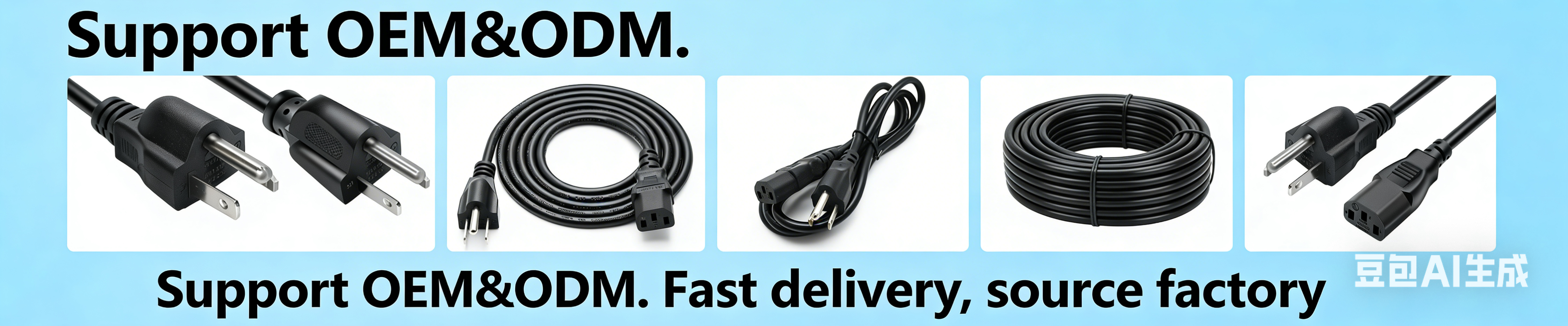
A standard industrial or consumer power cord assembly consists of three core functional components:
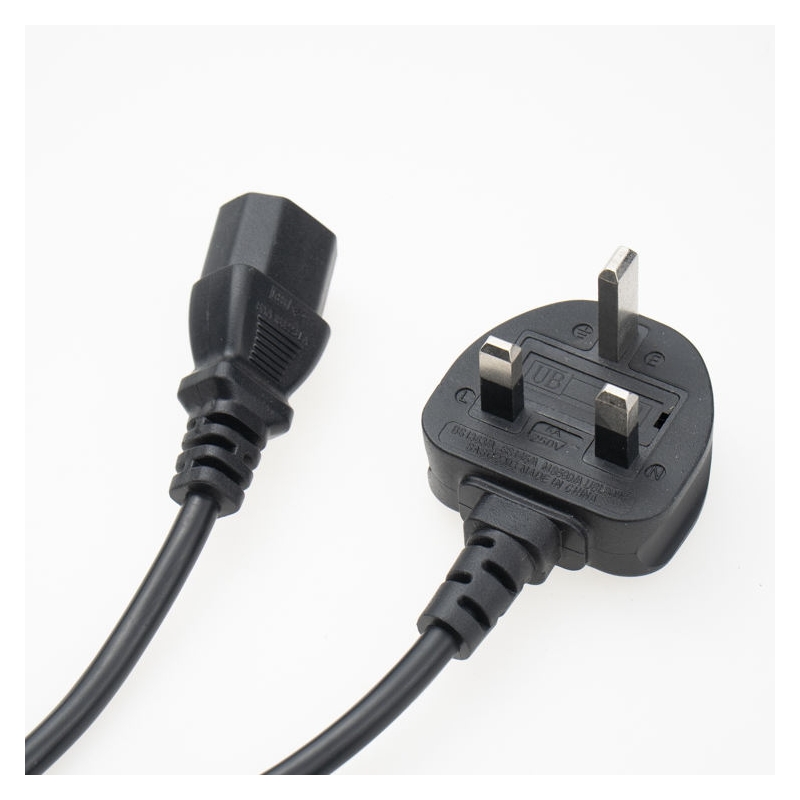
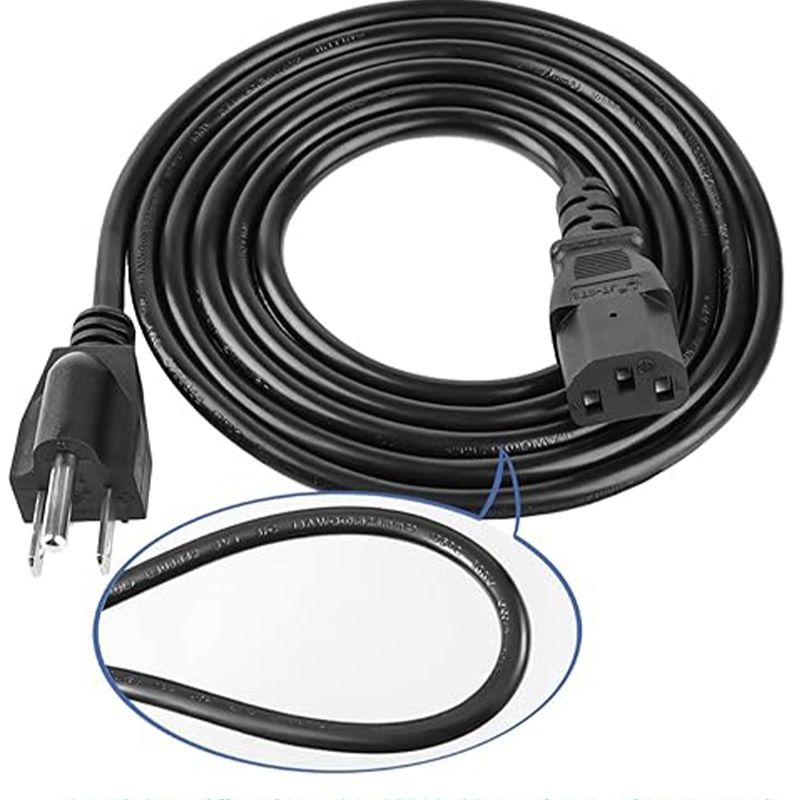
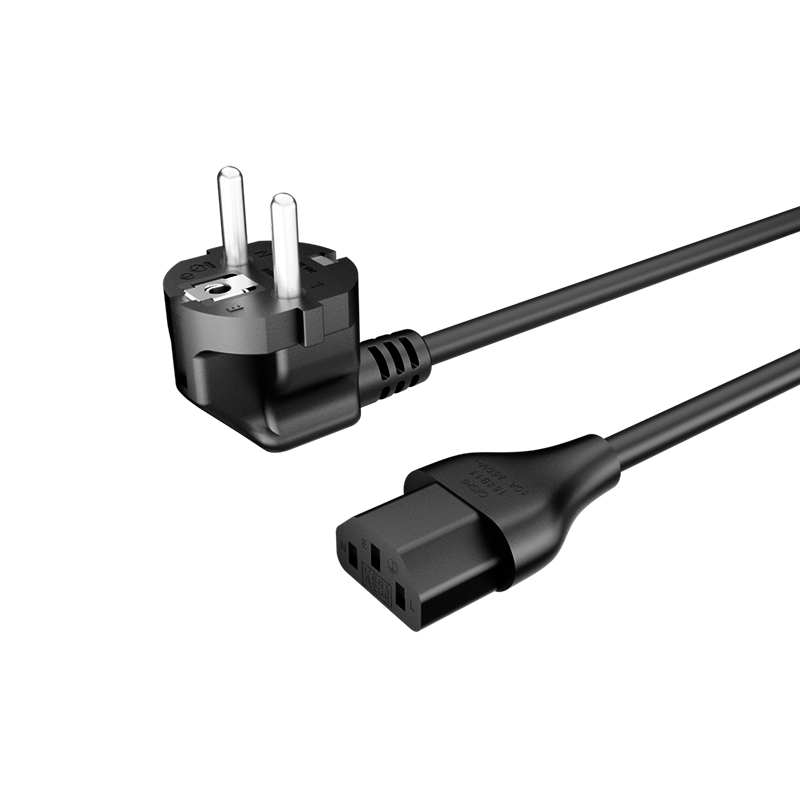
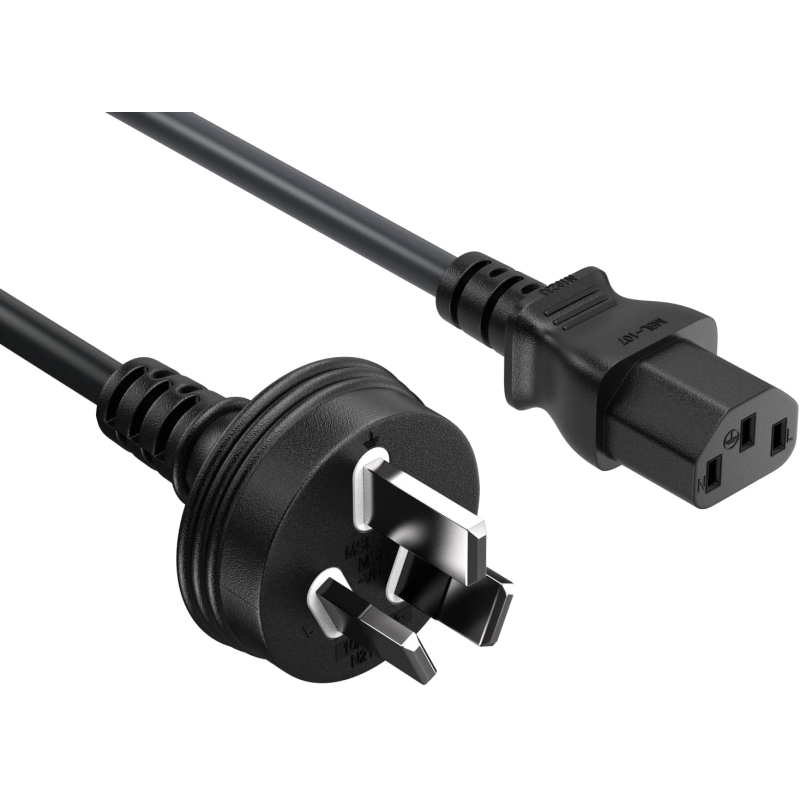
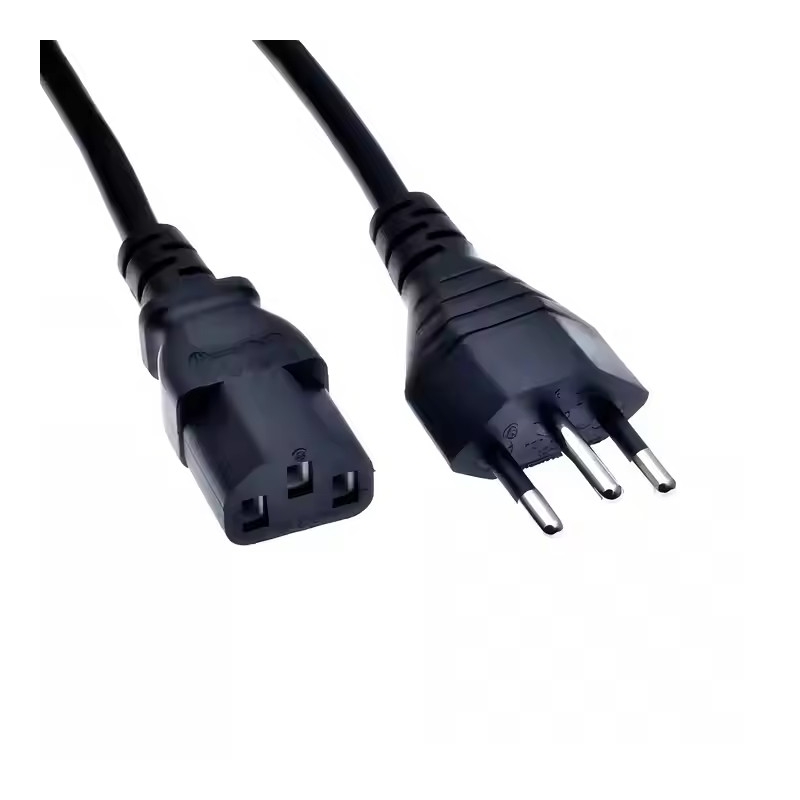
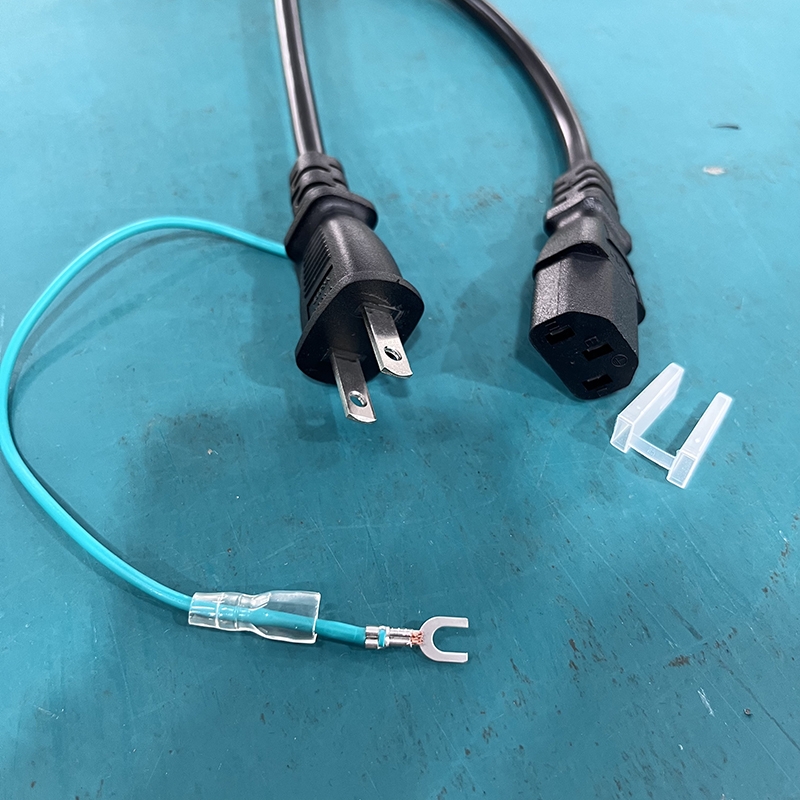
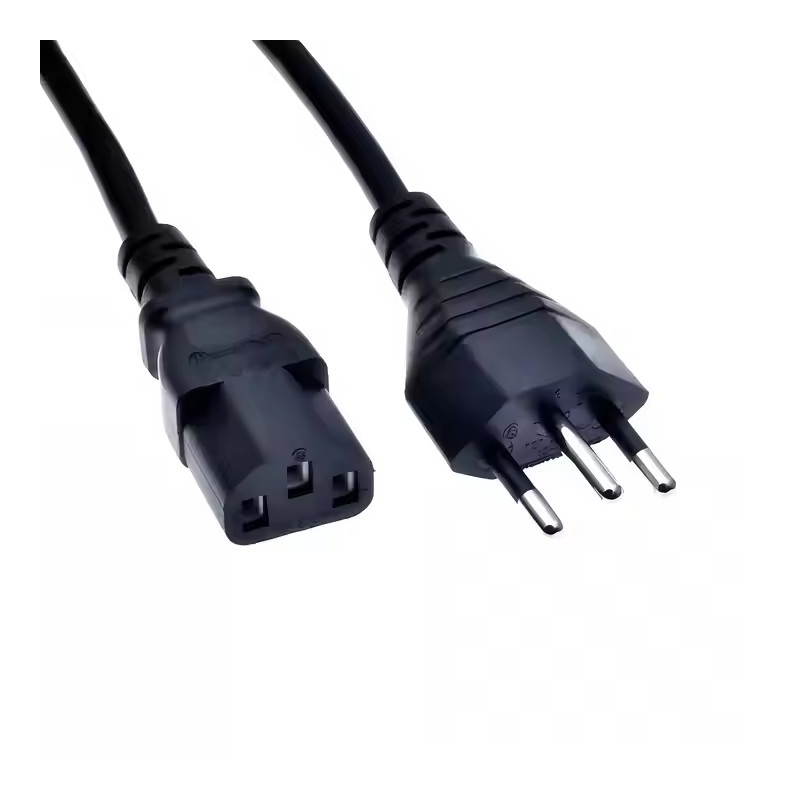
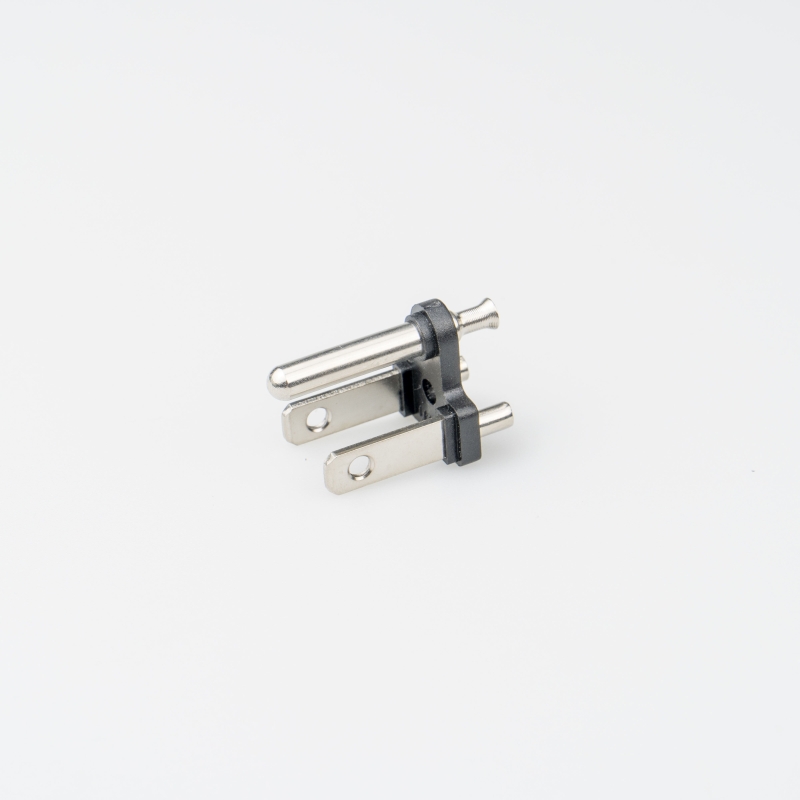
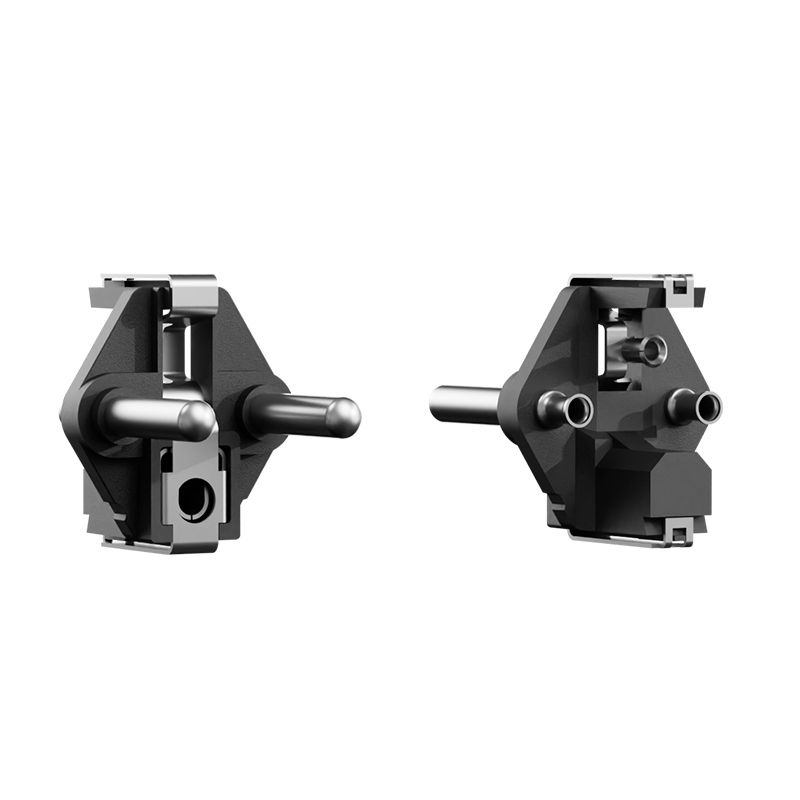
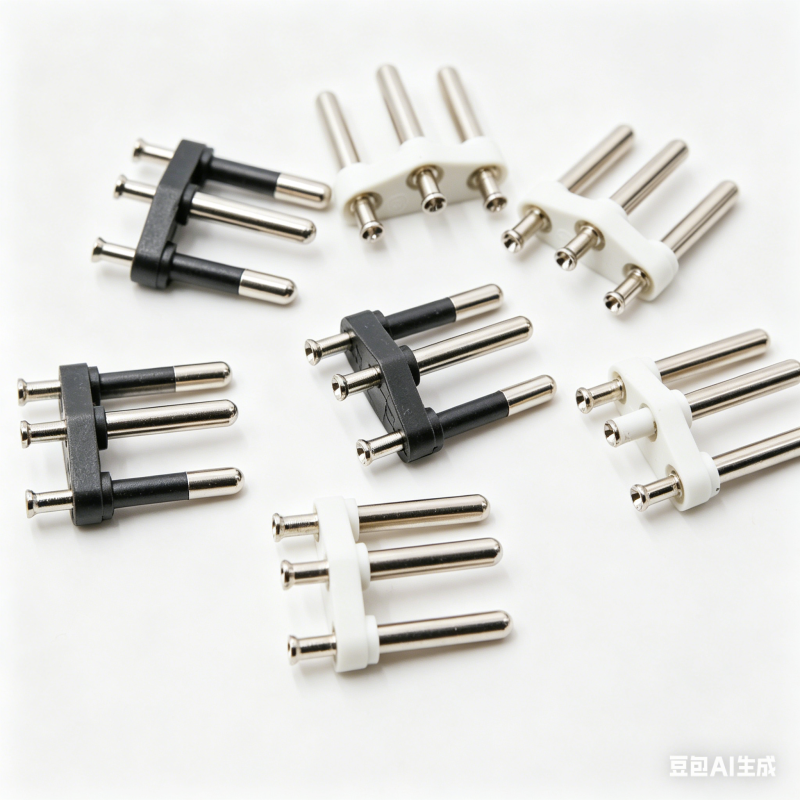
The Molded Plug: Incorporates solid or hollow brass pins (frequently nickel-plated to prevent oxidation), internal crimp connections, and a high-impact thermoplastic overmold (typically PVC, Rubber, or PBT) providing strain relief and contact alignment.
The Flexible Cable / Wire: Comprises multi-strand annealed copper conductors (pure oxygen-free copper or tinned copper for marine/humid environments), primary color-coded conductor insulation, filler materials for roundness, and an outer protective jacket.
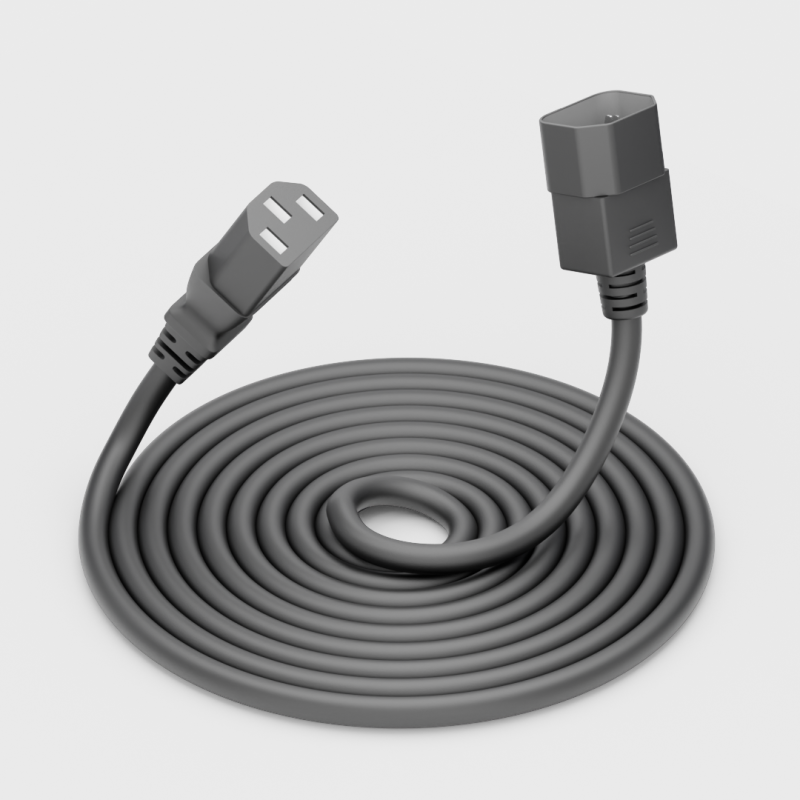
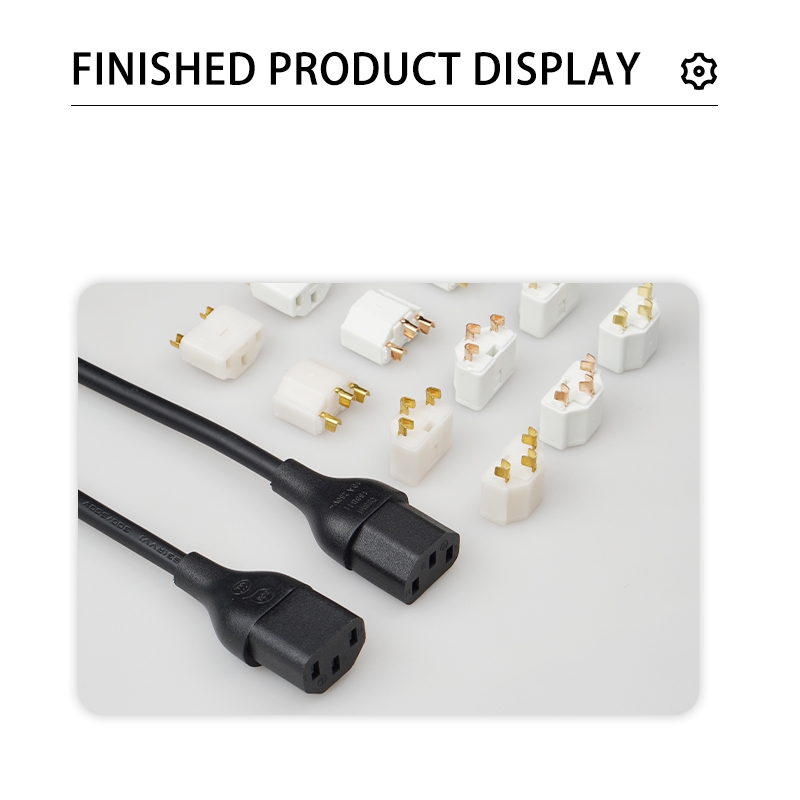
The Connection Terminal / Receptacle (IEC Connector): The equipment-side termination, which may range from internal quick-connect blade terminals (U-shaped, ring, or female disconnects) to molded IEC 60320 power cord connectors (C13power cord, C15, C19power cable ) or direct strain-relief grommets.
Selecting the wrong cable jacket or undersized copper conductor can lead to extreme heat buildup, electrical fire risks, premature insulation cracking, or costly customs impoundments. Below, we break down the critical technical parameters for selecting plugs, cables, and terminal connections.
2. Power cord type
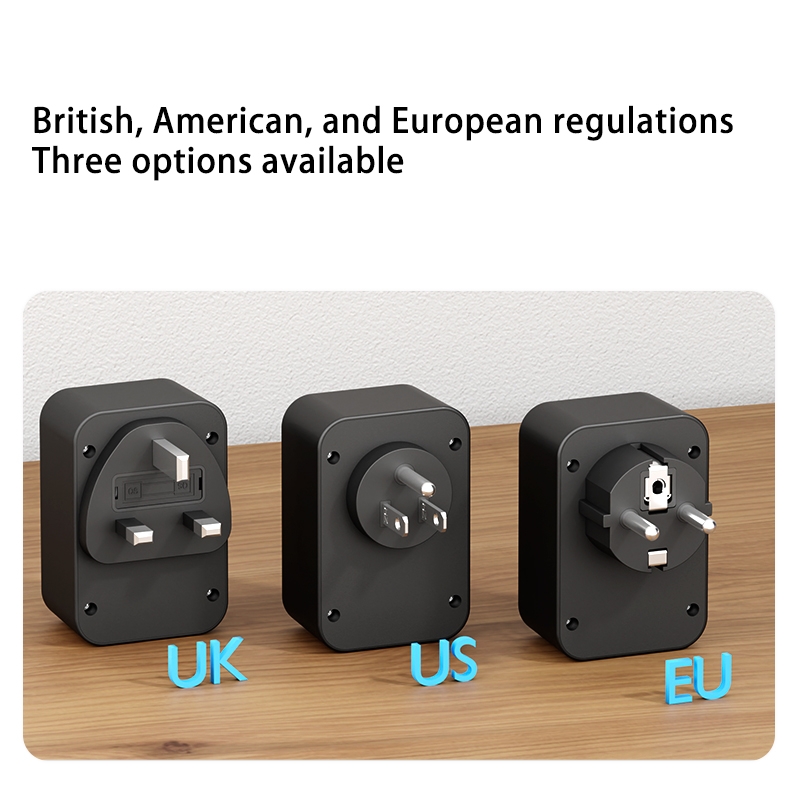
Global regulatory markets enforce distinct physical dimensions, pin layouts, grounding requirements, and internal safety devices (such as mandatory fuses). A plug certified in one jurisdiction cannot legally or safely be substituted into another without local market certification.

2.1 Comparative Market Certification Matrix
| Country / Region | Plug Type | Voltage / Freq. | Main Certification | Key Safety Standards | Key Technical Requirement |
|---|---|---|---|---|---|
| Mainland China | Type A / Type I | 220V / 50Hz | CCC | GB 1002, GB/T 2099.1 | Compulsory CCC mark on plug and cable sheath; strict pin alignment. |
| USA / Canada | Type A / Type B | 120V / 60Hz | UL / CSA | UL 817, UL 498, CSA C22.2 | Polarized blades; mandatory UL file number stenciled on cordage. |
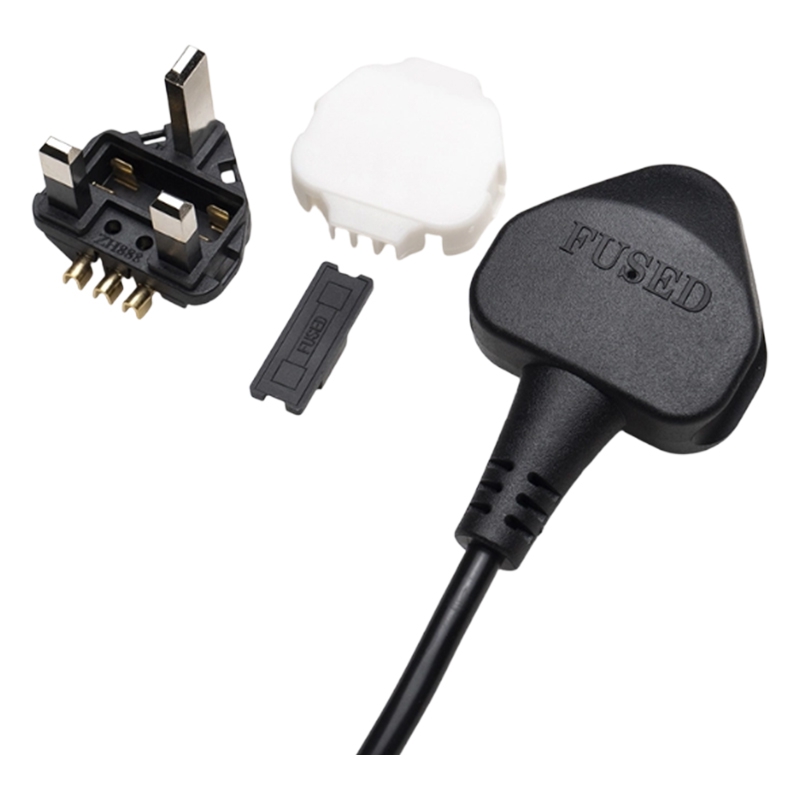
| United Kingdom | Type G (Fused) | 230V / 50Hz | BSI / UKCA / ASTA | BS 1363-1 | Integrated BS 1362 ceramic fuse (3A, 5A, 10A, or 13A); insulated pin sleeves. |
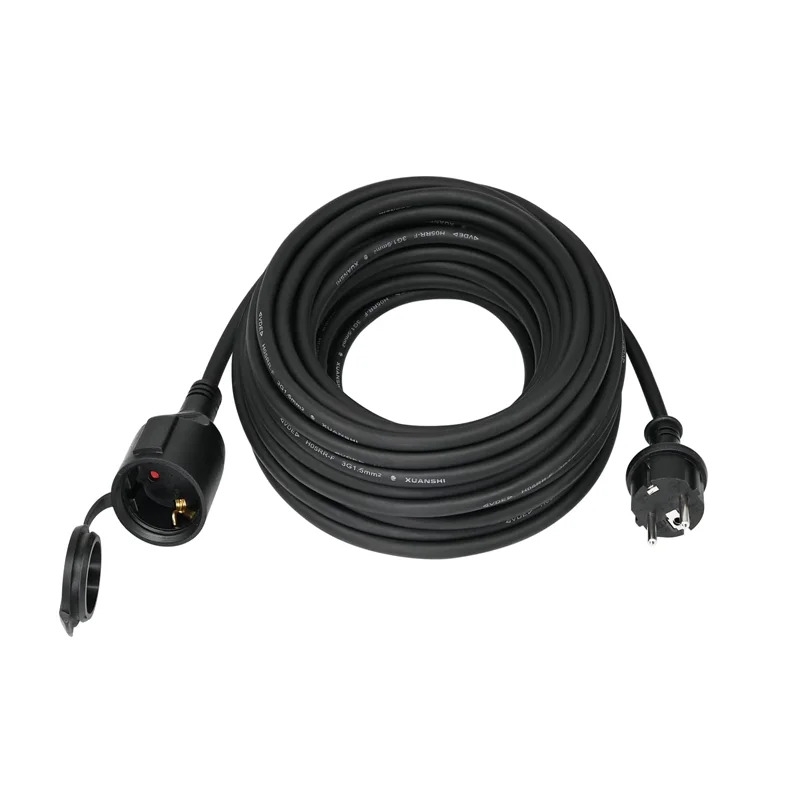
| European Union | Type C / Type F (Schuko) | 230V / 50Hz | VDE / ENEC / CE | DIN VDE 0620, EN 50075 | Dual grounding clips (Schuko); pin insulation sleeves for Europlugs. |
| Australia / NZ | Type I | 230V / 50Hz | RCM / SAA power cord | AS/NZS 3112 | Insulated live/neutral pins; specific pin angle and length specifications. |
| Japan power cord | Type A / Type B | 100V / 50/60Hz | PSE (JET / JQA) | JIS C 8303, DENAN Law | Tracking-resistant plug materials; mandatory Diamond PSE mark. |
| South Korea | Type C / Type F | 220V / 60Hz | KC power cord | KSC 8305 | 4.8mm pin diameter for grounded plugs; KC certification registration. |
2.2 Deep-Dive: UK Power Cord (BS 1363) Fuse Engineering
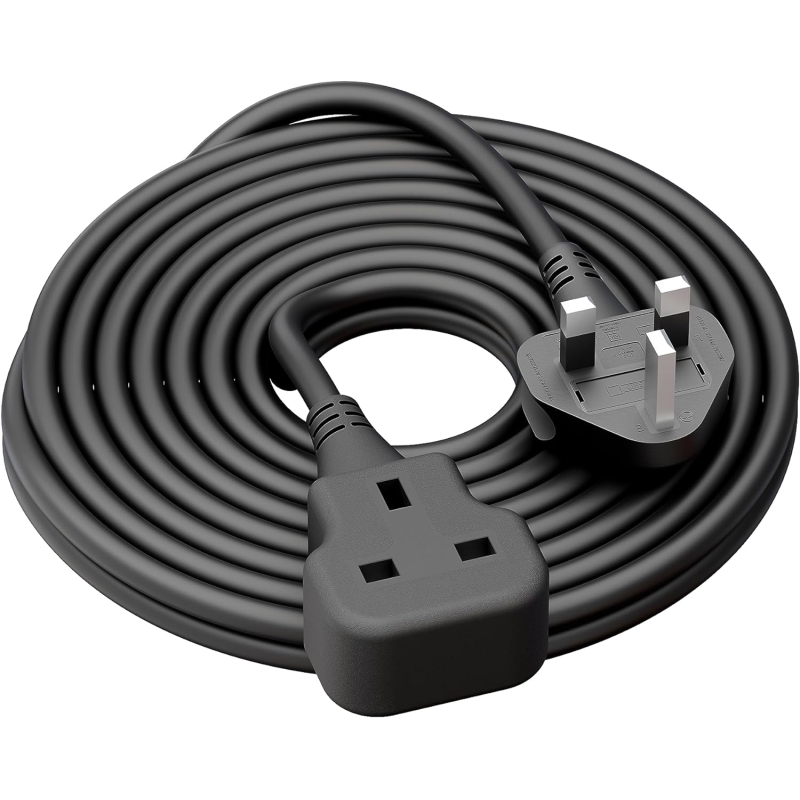
The UK power cord equipped with a Type G plug is widely regarded as one of the safest plug designs in the world. Governed by BS 1363-1, it mandates three rectangular pins in a triangular formation and features a built-in cartridge fuse compliant with BS 1362.
A common error in UK market exports is equipping all cables with a 13A fuse by default. Under modern BS 1363 guidelines, fuse rating must strictly match the cable cross-sectional area and connected device load:
3A Fuse (Red): Required for flexible cables with conductor cross-section of 0.5 mm² to 0.75 mm² (appliance current ≤ 3A / 700W).
13A Fuse (Brown): Mandatory for heavy-duty appliances (> 700W up to 3000W) utilizing 1.25 mm² or 1.50 mm² conductors.
Installing a 13A fuse on a 0.75 mm² cable creates an extreme fire risk, as the wire will melt before the fuse blows during an overcurrent event.
3. Wire Cable Selection & Conductor Cross-Sectional Engineering
Selecting the correct flexible cordage involves matching conductor cross-sectional area, voltage insulation rating, and jacket material to the operational environment.
3.1 Calculating Conductor Cross-Sectional Area
Conductor sizing is dictated by maximum operating current, thermal dissipation, and safety standards such as IEC 60227 (for PVC cables) and IEC 60245 (for rubber cables). To ensure safety margin, the nominal cross-sectional area must be chosen based on the higher value between the product's continuous rated working current and peak operational current.
| Conductor Cross-Section (mm²) | US Wire Gauge Equivalent (AWG) | Max Continuous Current (Ampere) | Typical Application Scenarios |
|---|---|---|---|
| 0.50 mm² | 20 AWG | 2.5 A - 3 A | Light electronics, small LED transformers. |
| 0.75 mm² | 18 AWG | 6 A - 10 A | Laptops, audio equipment, light kitchen appliances. |
| 1.00 mm² | 17 AWG | 10 A - 13 A | Power tools, desktop PCs, mid-size home appliances. |
| 1.50 mm² | 15 AWG / 16 AWG | 16 A | Heavy power tools, industrial equipment, heaters. |
| 2.50 mm² | 13 AWG / 14 AWG | 20 A - 25 A | High-power commercial equipment, EV chargers, server racks. |
3.2 Deciphering Harmonized European Wire Codes (VDE / H05VV-F)
European power cords follow the CENELEC Harmonized Code system (HD 21 / HD 22). Deciphering these codes is essential for confirming cable capability:
- H: Harmonized standard compliance
- 05: Rated voltage 300/500V (03 = 300/300V, 07 = 450/750V)
- V: PVC Conductor Insulation
- V: PVC Outer Jacket Material (R = Rubber, N = Neoprene, S = Silicone)
- F: Flexible stranded wire core
- 3G1.0: 3 cores (including Green/Yellow earth ground 'G') with 1.0 mm² cross-section
4. Industry Case Studies & Expert Insights
4.1 Case Study: Low-Temperature Cable Failure in Cold-Chain Logistics
Incident Overview: A commercial refrigeration equipment OEM exported 5,000 commercial freezer units to Northern Europe equipped with standard H05VV-F (PVC) AC power cords. Within 3 months, over 12% of units experienced insulation cracking near the plug relief boot, resulting in short circuits and product recalls.
Root Cause Analysis: Standard Polyvinyl Chloride (PVC) plasticizers undergo glass transition at temperatures below -10°C, rendering the outer sheath extremely brittle. When operators flexed or moved the freezers during maintenance, the PVC jacket fractured.
Engineering Solution: The manufacturer migrated to H07RN-F synthetic neoprene rubber cable (or specialized cold-resistant H05V2V2-F PVC rated to -35°C). Rubber polymers retain elasticity across -40°C to +90°C, completely eliminating mechanical failure.
4.2 Comparative Analysis: Synthetic Rubber vs. PVC Cable Jackets
| Property Parameter | Standard PVC Sheath (H05VV-F) | Rubber / Neoprene Sheath (H07RN-F) | Silicone Sheath (H05SS-F) |
|---|---|---|---|
| Temperature Range | -10°C to +70°C | -40°C to +90°C | -60°C to +180°C |
| Flexibility & Softness | Moderate (Hardens in cold) | High elasticity across all temperatures | Ultra-flexible, soft touch |
| Oil & Chemical Resistance | Fair | Excellent (Resists oils & solvents) | Good |
| Abrasion & Impact | Moderate | Superior (Heavy industrial outdoor use) | Moderate (Soft outer wall) |
| Cost Relative Factor | 1.0 (Baseline economical) | 1.8x - 2.2x | 3.0x - 3.5x |
5. Sustainable Compliance & Advanced Environmental Standards
Modern power cord manufacturing is increasingly defined by stringent environmental toxicology regulations across the EU and North America:
RoHS 3 (Directive 2015/863): Restricts 10 hazardous substances, including heavy metals (Lead, Cadmium, Mercury) and specific phthalate plasticizers (DEHP, BBP, DBP, DIBP) commonly found in low-grade PVC wiring.
REACH SVHC: Mandates reporting of Substances of Very High Concern. Lead concentrations in brass plug pins must remain below statutory thresholds or utilize permitted exemptions with strict labeling.
Halogen-Free Low Smoke (LSZH): Demanded in modern data centers, public transport, and medical environments to prevent toxic chlorine/fluorine gas emissions during building fires.
6. Connection Terminal Engineering & Factory Quality Assurance
The interface between the flexible cord and the internal product circuit is a primary failure point if crimp quality is unverified.
6.1 Terminal Selection Criteria
Quick-Disconnect Receptacles: Female spade terminals (6.3mm / 4.8mm) should utilize a positive spring-lock tongue to prevent vibration loosening in motorized equipment.
Ring & Fork (U-Shaped) Terminals: Must include anti-rotation positioning lugs or structural recessed pockets so tightening terminal screws does not twist or shear the copper strands.
Bare Wire Ferrules / Tin-Dipping: When connecting directly to screw terminal blocks, multi-strand copper ends must either be ultrasonic welded or crimped with insulated wire ferrules. Single tin-dipping is restricted in certain vibration-heavy standards due to solder cold-flow.
6.2 Step-by-Step Quality Control & Inspection Workflow
Conductor Resistance Test: Verify pure copper resistance using a micro-ohmmeter according to IEC 60228 standards.
Crimp Pull-Off Force Test: High-precision tensile testing of terminal crimps to ensure compliance with UL 486A-486B pull-out force thresholds.
High-Voltage Dielectric Withstand (Hi-Pot): Apply 1500V - 2000V AC for 1 second between Live, Neutral, and Ground cores to guarantee zero insulation breakdown.
Flexing & Strain Relief Test: Subject plug-to-cable joint to 10,000 bending cycles under 500g load at a 90° angle to verify boot strain relief longevity.
7. Summary & OEM Buyer Checklist
Achieving total power cord compliance requires a balance of regulatory alignment, rigorous mechanical material selection, and rigorous quality control. Prior to placing large OEM orders, always verify that your power cord vendor provides valid certification certificates with verified online laboratory numbers.
Need Expert Power Cord Engineering Support? As a leading direct manufacturer of custom AC power cords, UK power cords, and US power cords, our technical team offers full engineering review, custom overmolding, and international safety certification support for global appliance and equipment brands.
Request a Custom AC Power Cord Specification Quote
Contact our engineering team today for complimentary sample kits, UL/VDE/BSI test reports, and factory-direct pricing.
Frequently Asked Questions (FAQ)
References & Compliance Standards Sources
ISO / IEC 60320 Standard for Appliance Couplers - International Electrotechnical Commission
BS 1363-1: 13 A Plugs, Socket-Outlets, Adaptors and Connection Units Specifications - British Standards Institution (BSI)
UL 817 Standard for Cord Sets and Power-Supply Cords - UL Standards & Engagement
VDE Testing and Certification Institute - Cable & Wire Safety Regulations - VDE Association
GB 1002 & GB/T 2099.1 Chinese National Standards for Household Plugs and Sockets - Standardization Administration of China



 Email
Email