

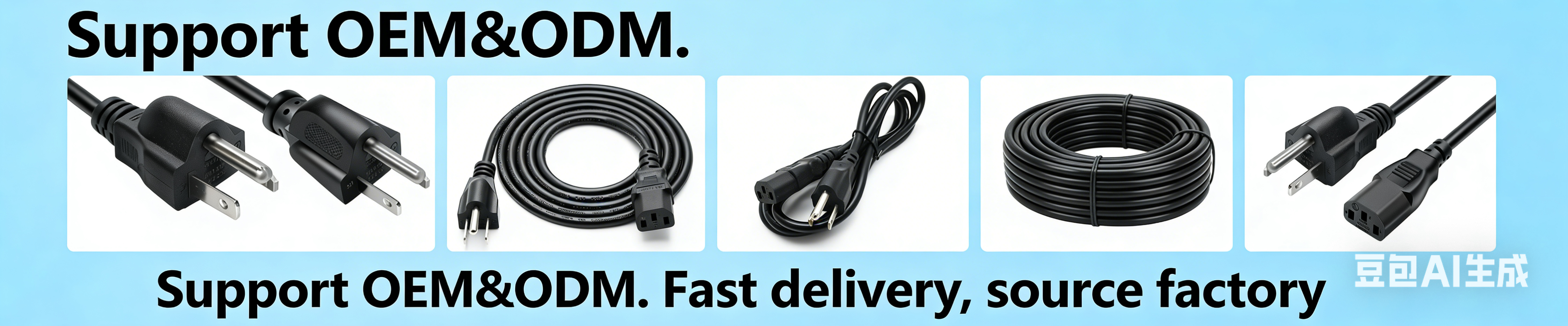
AC Power Cord & Extension Cable Guide | OEM ManufacturerContent Menu
● Introduction: Why Detachable AC Power Cords Matter in Modern OEM Engineering
● Anatomical Breakdown & Engineering Classification of AC Power Cables
>> 1. Classification by International Plug Geometry
>> 2. Regulatory Approvals & Safety Certifications
● Advanced Wire Specifications: Gauges, Materials, and Insulation
>> Conductor Sizing: Metric (mm2) vs. Imperial (AWG)
>> Insulation Jacket Polymers: PVC vs. Synthetic Rubber
>> Cable Termination & Processing
● Strategic B2B OEM Procurement & Manufacturing Protocols
>> Step 1: Technical Requirement Specification
>> Step 2: Tooling & Mold Validation
>> Step 3: Raw Material Control & Compliance Audit
>> Step 4: Quality Control & In-Line Testing
● References & Compliance Sources
● Frequently Asked Questions (FAQ)
Introduction: Why Detachable AC Power Cords Matter in Modern OEM Engineering
In today's globalized electronics manufacturing ecosystem, the humble AC power cord is far more than a simple copper tether. It is a critical gateway for electrical safety, regulatory compliance, and consumer satisfaction. Whether powering complex industrial machinery, high-draw kitchen appliances, or ubiquitous smart devices, choosing the right power supply cord directly impacts product reliability and brand reputation.
Historically, electrical appliances were built with fixed, non-replaceable power cords. However, modern OEM/ODM design standards have shifted overwhelmingly toward detachable and replaceable power cord configurations. As an established AC power cord manufacturer with over 20 years of OEM production experience in Guangdong, China, we observe three primary drivers behind this industry-wide transition:
* Durability in High-Wear Environments: Frequently moved devices (such as mobile electronics, floor care equipment, or power tools) suffer continuous mechanical stress, bending, and tension. A detachable cord allows end-users to easily replace a damaged line without voiding the appliance warranty or scrapping the entire unit.
* Global Adaptability & Versatility: Appliances sold globally require distinct plug geometries and voltage tolerances. Detachable cord systems allow OEMs to ship a single unified appliance chassis worldwide, packaging it with region-specific cords (e.g., US NEMA, EU Schuko, UK BS1363).
* Thermal Aging & Safety Assurance: High-power equipment (such as commercial rice cookers, industrial heaters, or server racks) generates significant localized heat. Over extended duty cycles, thermal aging degrades outer insulation, introducing fire hazards. A high-spec, replaceable power cable ensures seamless routine maintenance and continuous risk mitigation.
When sourcing custom AC power cords, custom extension cables, or wire harnesses for wholesale or brand manufacturing, understanding structural specifications, regulatory standards, and material properties is paramount. This standard operating guide breaks down the core technical criteria every procurement manager needs to know.

Anatomical Breakdown & Engineering Classification of AC Power Cables
To specify the correct cable for your product assembly, it is essential to categorize power cables by their structural anatomy, international plug standard, safety approval, core wire cross-section, and insulation envelope.
1. Classification by International Plug Geometry
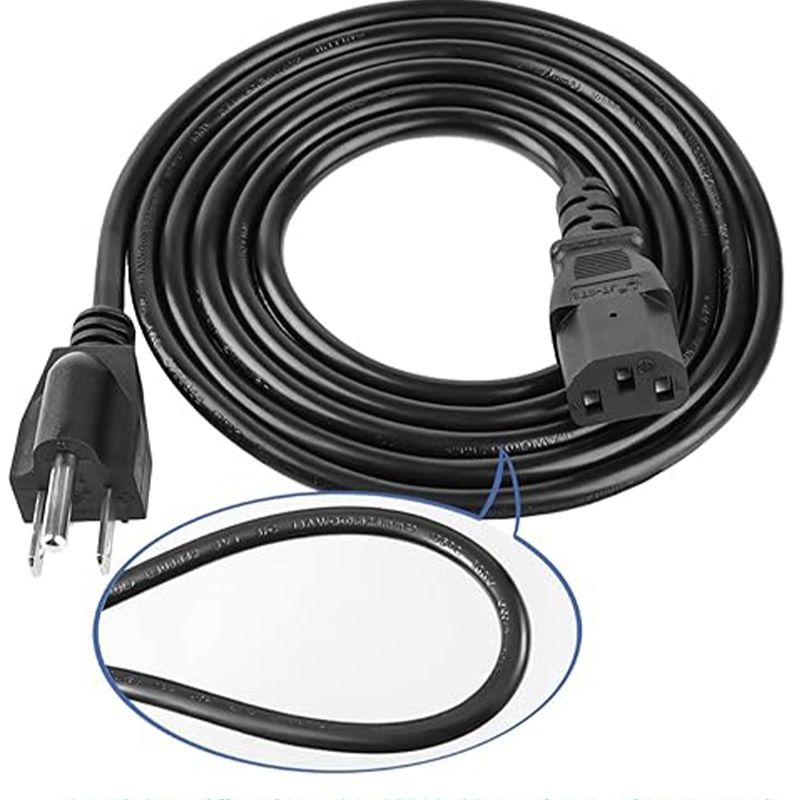
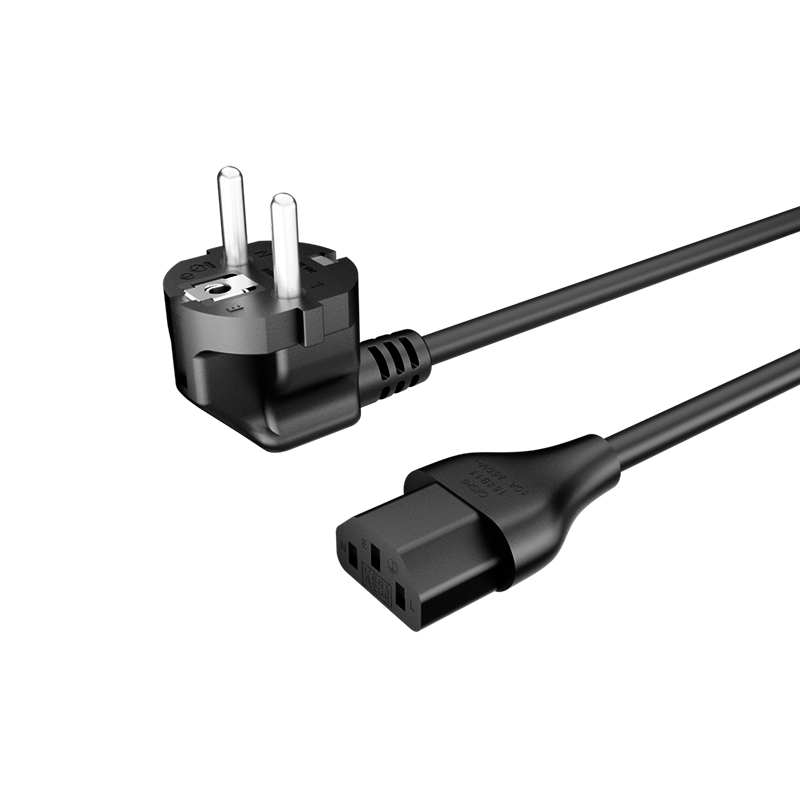
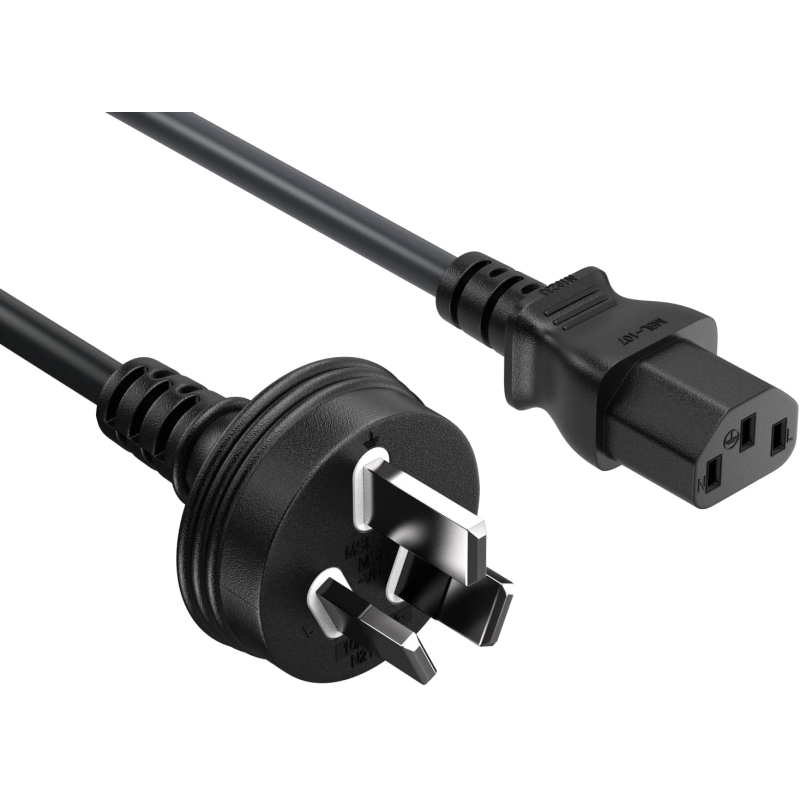
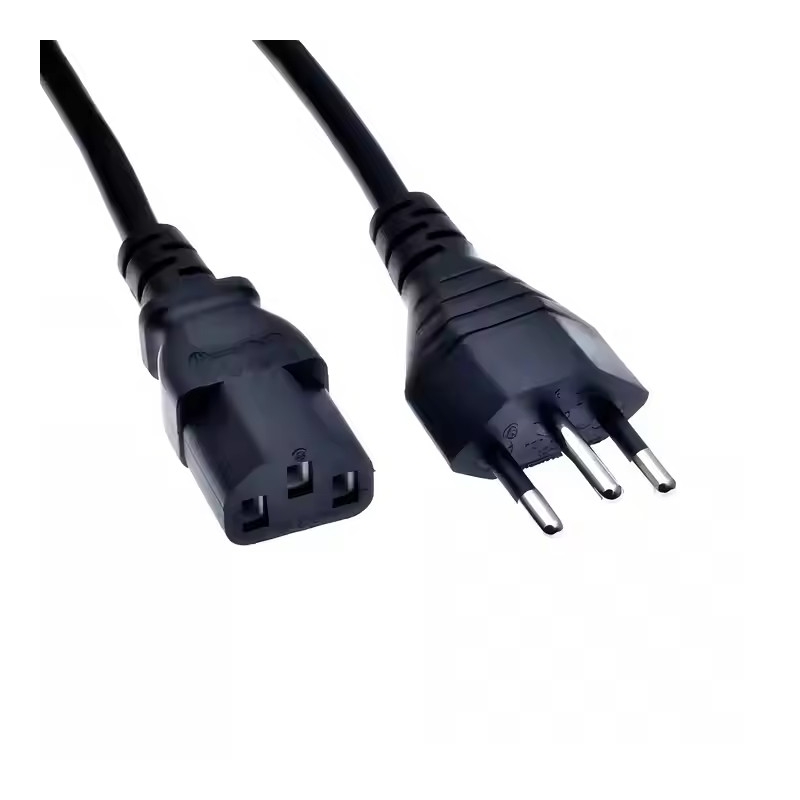
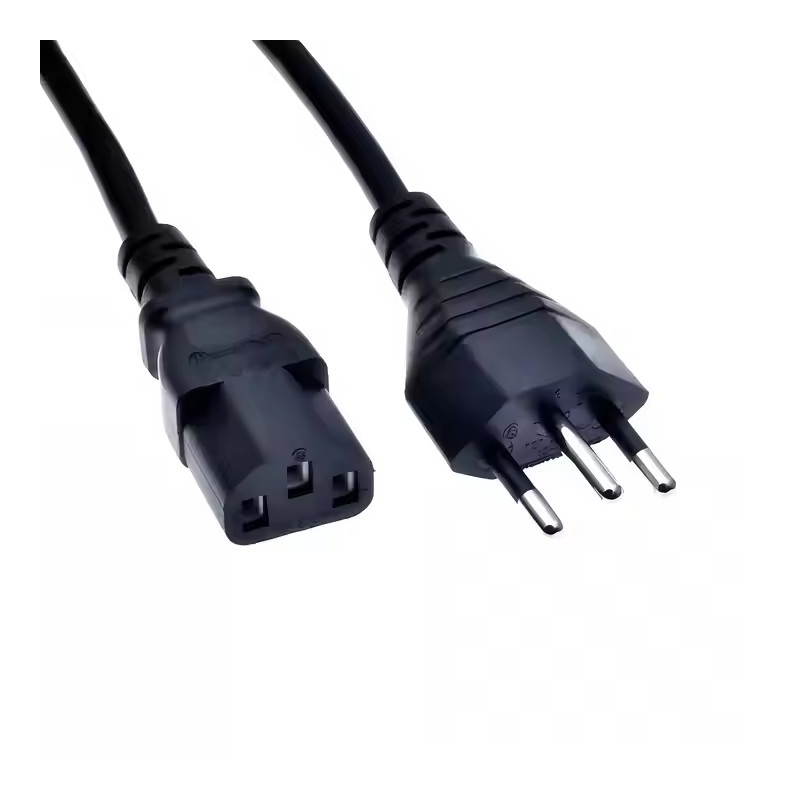
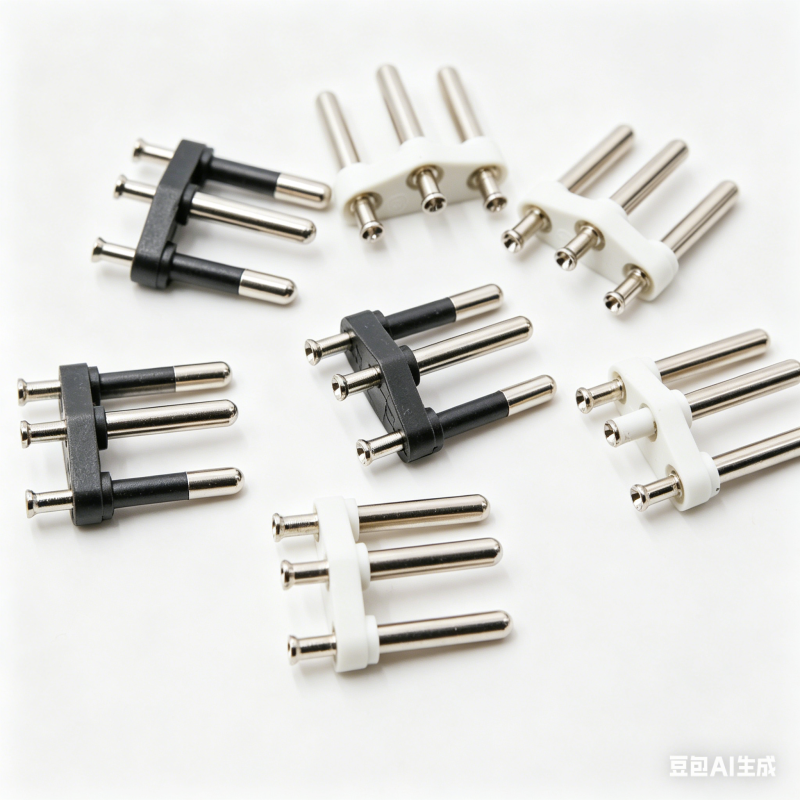
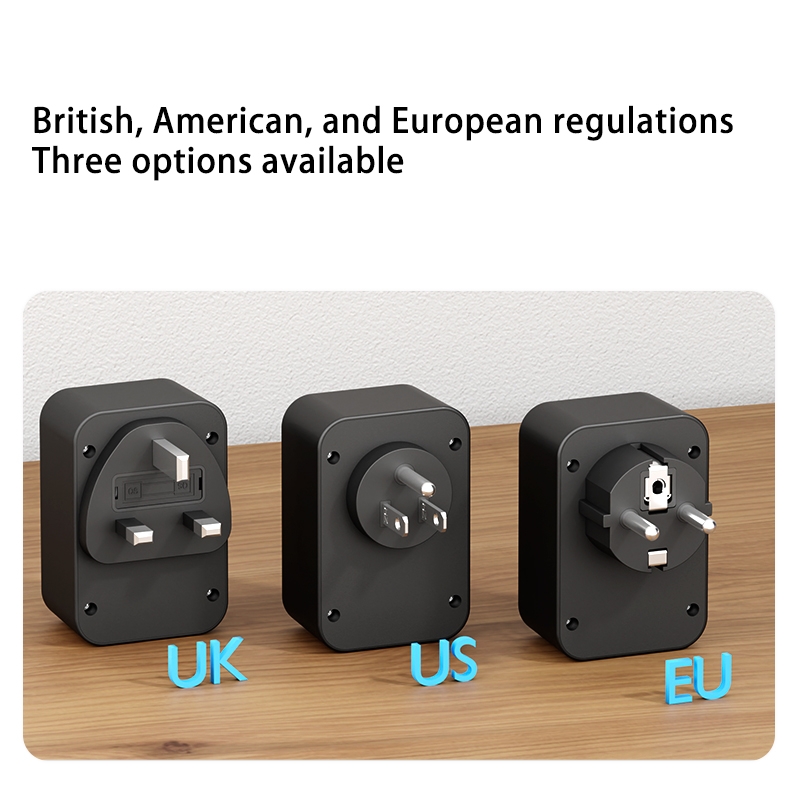
Every geopolitical market enforces precise dimensional tolerances for AC plugs to guarantee mechanical retention and electrical safety. As an OEM supplier, we assign precise internal indexing codes to ensure batch repeatability across production lines:

| Market / Region | Internal OEM Code | Standard Type | Typical Voltage / Frequency | Key Features |
| China | 168A33/168a34 | GB 2099 / GB 1002 | 220V / 50Hz | Flat 2-prong or angled 3-prong with grounded pin |
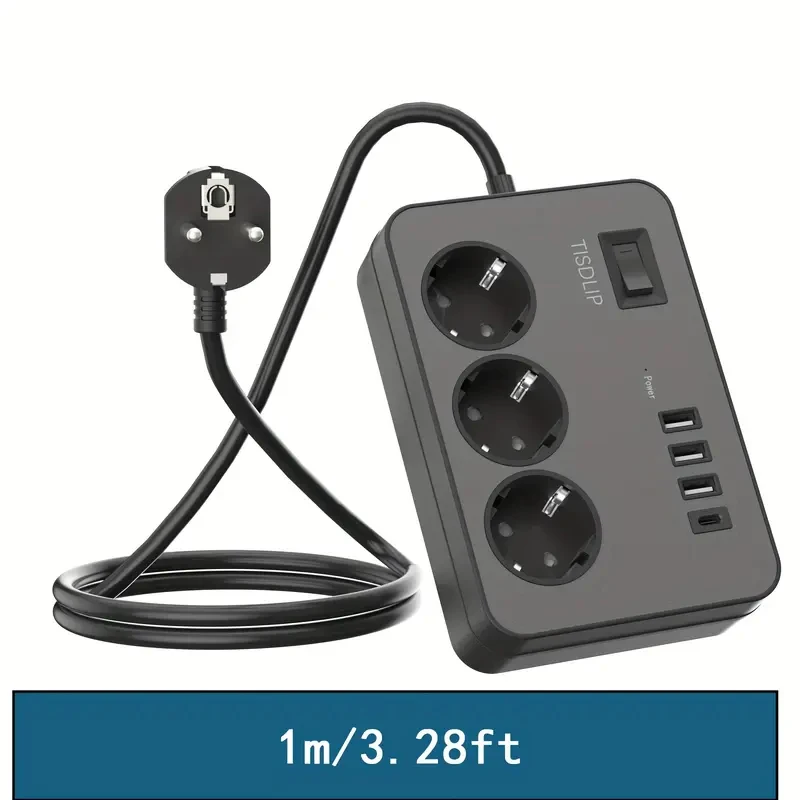
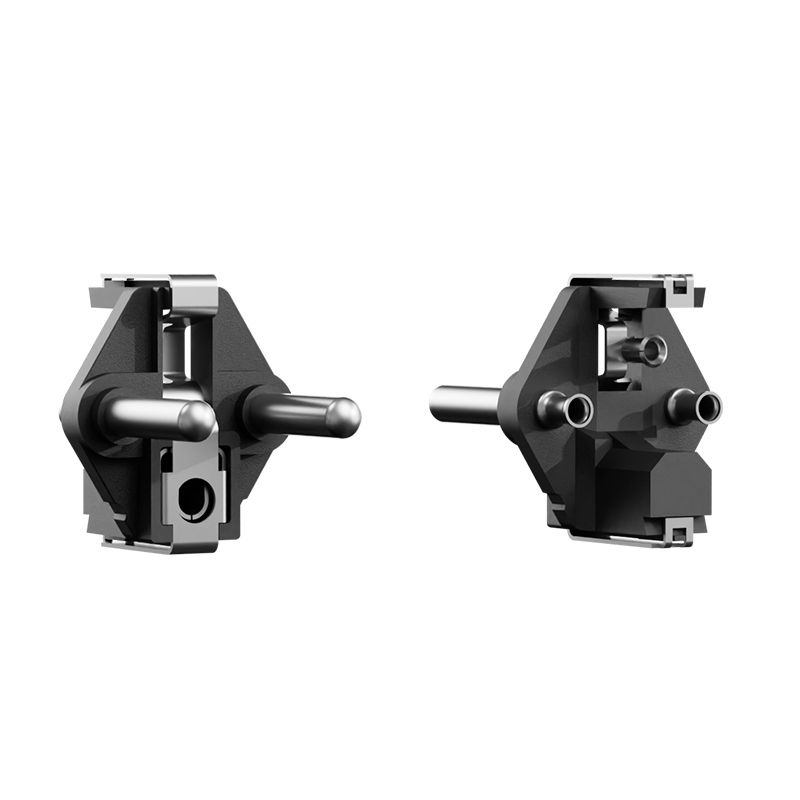
| Europe power cord | YG102/E201A | CEE 7/4, CEE 7/7 (Schuko)Power Cables | 230V / 50Hz | Dual grounding clips, round pins, splash-proof designs |
| South Korea | YG102/E201A | KSC 8305 | 220V / 60Hz | Similar to European Schuko with specific pin spacing |
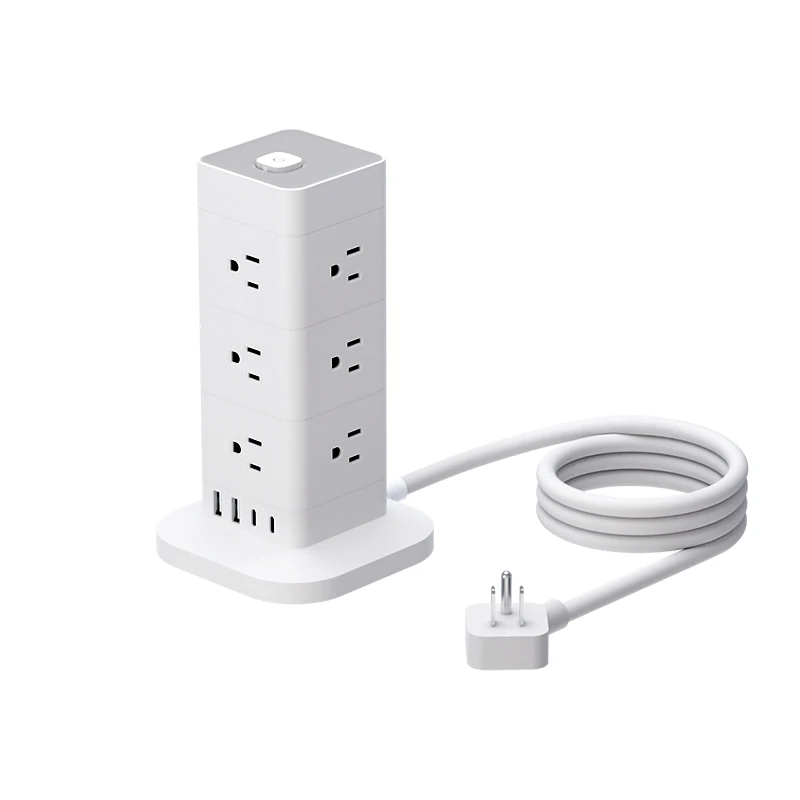
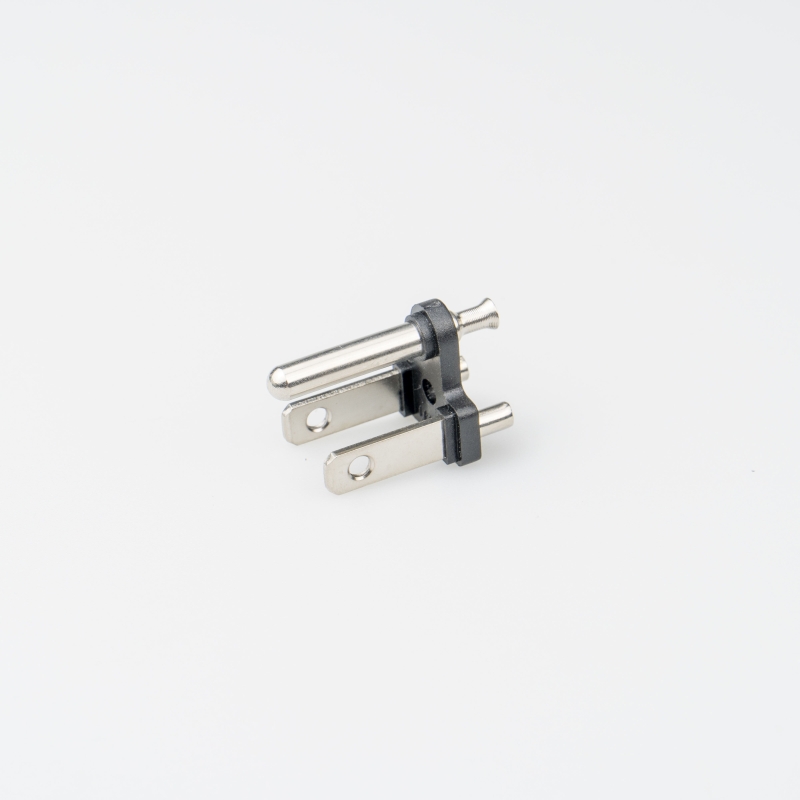
| North America | YG603/YG604 | NEMA 1-15 power cord NEMA 5-15 | 120V / 60Hz | Parallel flat blades; 3-prong includes rounded ground pin |
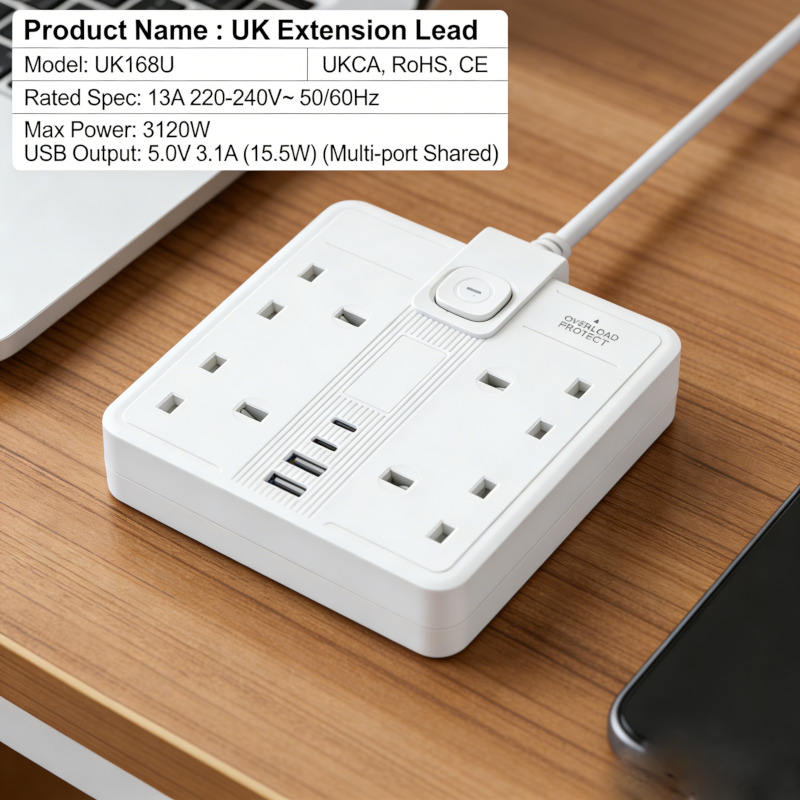
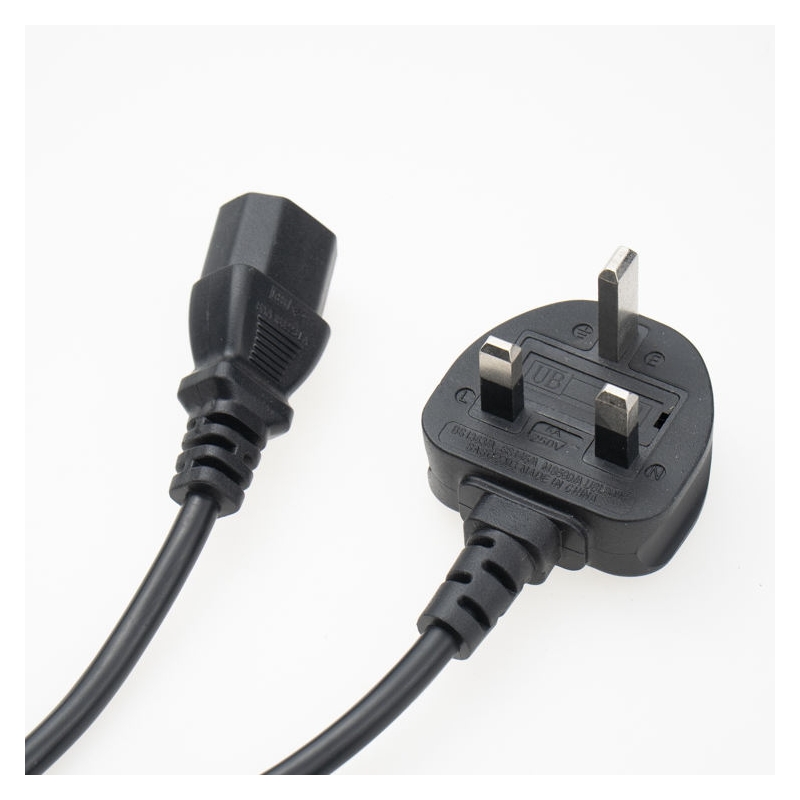
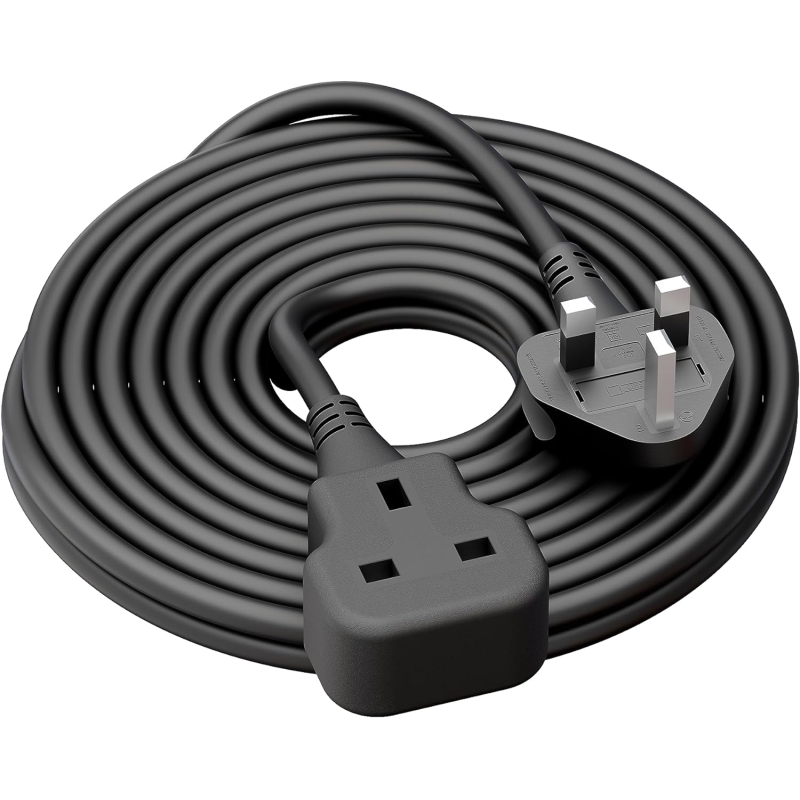
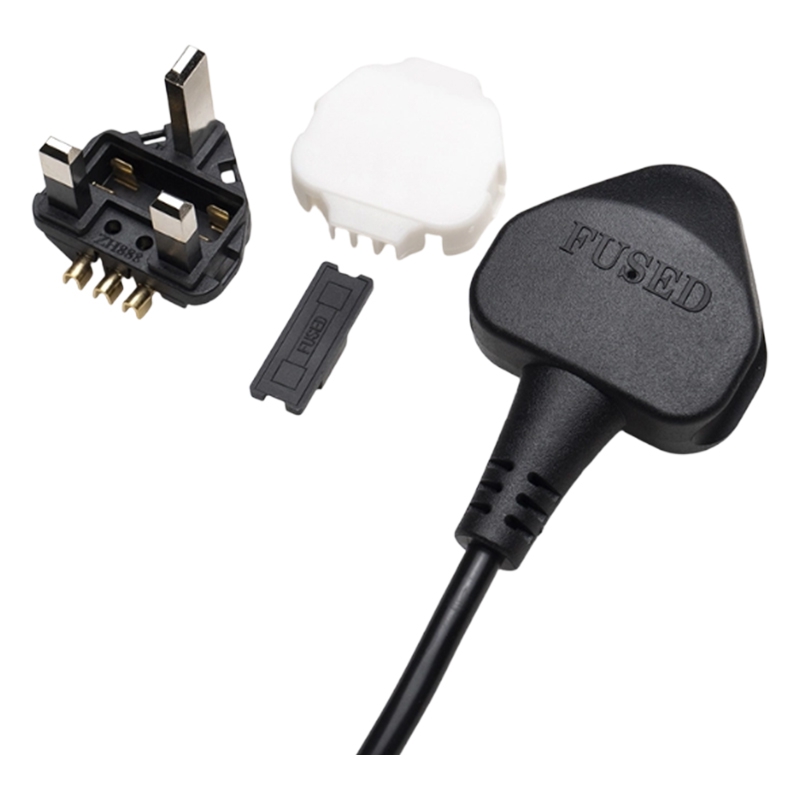
| United Kingdom | K168A1/UBL8008 | BS 1363 power cord | 230V / 50Hz | Rectangular 3-pin fused design for high safety isolation |
2. Regulatory Approvals & Safety Certifications
A power cord cannot legally enter a market without passing rigorous dielectric withstand testing, flame retardancy checks, and mechanical strain-relief validations. Safety marks apply to both the overmolded plug head and the extruded cable flexible cordage:
* North America (UL / CSA): Underwriters Laboratories standards (e.g., UL 62 for flexible cords, UL 817 for cord sets) govern safety against electrical shock and thermal runaway.
* Europe (VDE / ENEC): Verband der Elektrotechnik (VDE power cord) approval confirms adherence to strict European IEC/EN standards across EU member states.
* China (CCC): China Compulsory Certificate mandates strict limits on copper purity and insulation thickness.
* South Korea (KC): Korea Certification mandates local testing for electromagnetic compatibility and insulation integrity.
* National European Marks: Specific markets maintain dedicated testing protocols, such as NF (France), DEMKO (Denmark), CEBEC (Belgium), SEMKO (Sweden), and NEMKO (Norway).

Advanced Wire Specifications: Gauges, Materials, and Insulation
Beyond plug profiles, the electrical capacity and physical durability of a power cord depend entirely on conductor cross-section, strand geometry, and jacket polymer chemistry.
Conductor Sizing: Metric (mm2) vs. Imperial (AWG)
Conductor selection directly impacts ampacity (current-carrying capacity) and thermal dissipation. Overloading an undersized wire leads to voltage drop and potential insulation meltdown.
Metric System (Europe, China, IEC):
Cross-Sectional Area (mm²) = 0.5 mm² | 0.75 mm² | 1.0 mm² | 1.5 mm² | 2.5 mm²
American Wire Gauge (North America, UL):
Gauge Number (AWG) = 18 AWG | 16 AWG | 14 AWG | 12 AWG
(Note: Lower AWG numbers indicate thicker copper conductors)
2Core power cord (Un-grounded): Used primarily for Class II double-insulated appliances (e.g., personal care, consumer audio).
3-Core power cord(Grounded): Mandatory for Class I appliances requiring a dedicated protective earth line (e.g., computing gear, major appliances, industrial equipment).
Insulation Jacket Polymers: PVC vs. Synthetic Rubber
Thermoplastic PVCpower cord (PVC Lines): Cost-effective, high mechanical strength, excellent flame resistance. Standard for indoor consumer electronics, home appliances, and office environment extension leads.
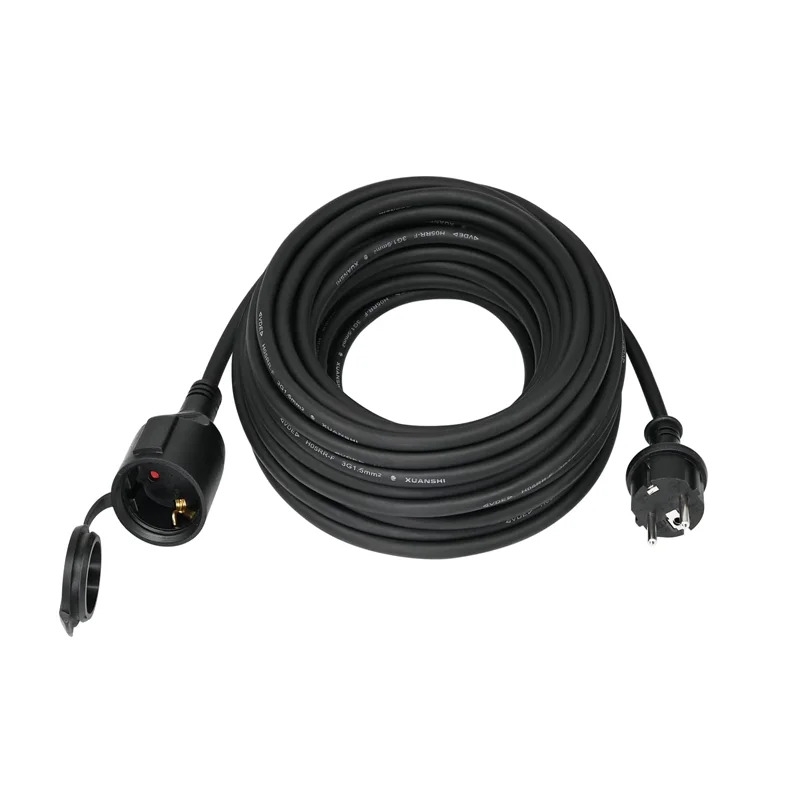
Synthetic Rubber power Cable(H05RR-F / H07RN-F): Features thicker, highly flexible elastomeric jacketing. Offers superior oil resistance, UV stability, and extreme cold-temperature flexibility. Essential for outdoor extension cords, construction site power tools, and heavy industry.
Cable Termination & Processing
Depending on integration requirements, cable tail ends are processed into two main categories:
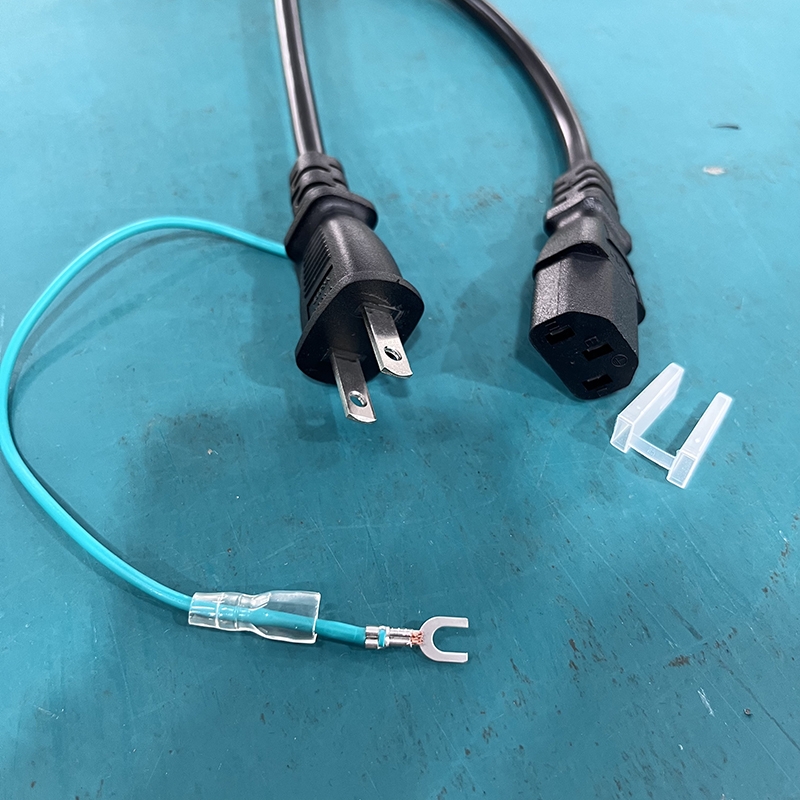
1. Connecting Leads (Internal Harnessing): Tail ends are stripped, twisted, tinned, or crimped with spade/ring terminals for direct soldering or connector assembly inside the target host appliance.
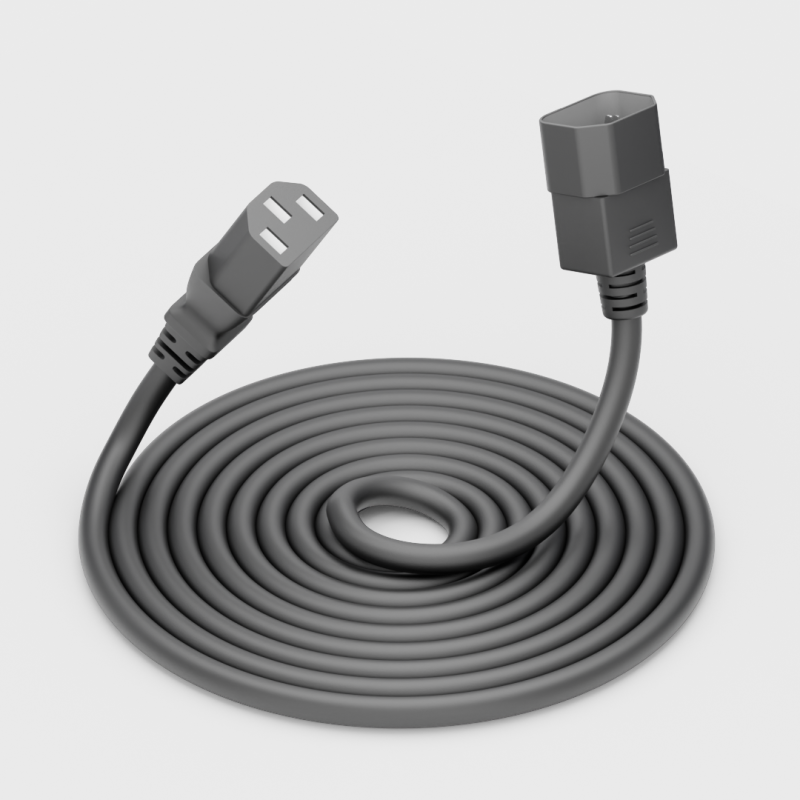
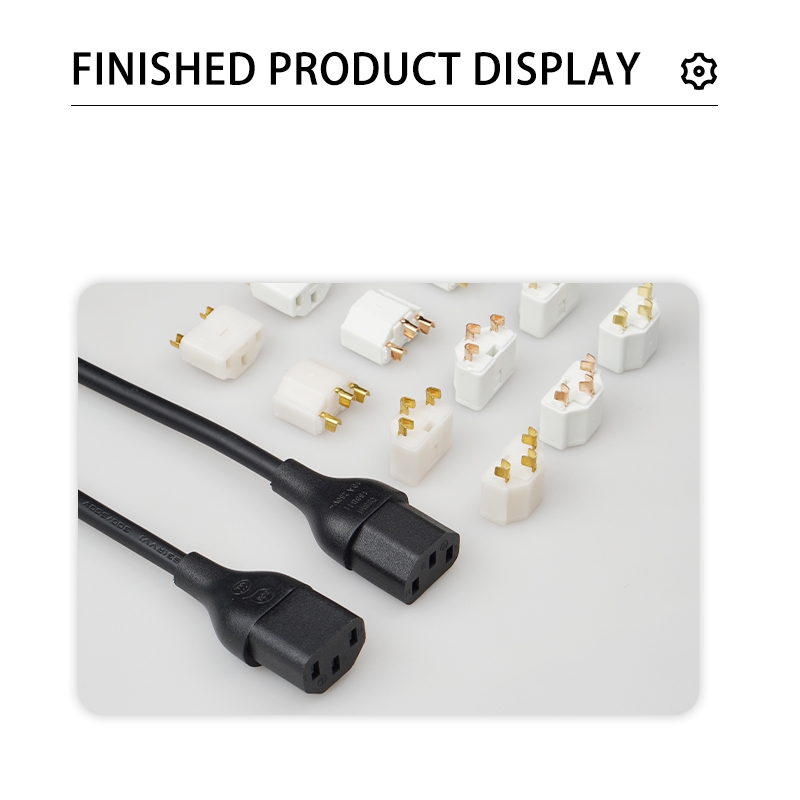
2. Extension Cords & Double-Ended Assemblies: Feature an overmolded male plug on one end and an overmolded female socket (or IEC C13/C15 coupler) on the other, creating a modular extension line.

Strategic B2B OEM Procurement & Manufacturing Protocols
When partnering with a custom power cable manufacturer for full-scale OEM/ODM production, standard commercial buyer protocols involve several crucial steps:
Step 1: Technical Requirement Specification
Map out operational parameters including operating voltage, current load (Amperes), ambient temperature range, cable length, IP water-ingress rating, and target destination safety certifications.
Step 2: Tooling & Mold Validation
For custom plug shapes, custom strain-relief boots, or brand-embossed logos, engineers verify steel mold design and pin spacing using 3D CAD modeling prior to high-pressure injection molding.
Step 3: Raw Material Control & Compliance Audit
Raw electrolytic copper rods must meet 99.99% purity standards to ensure low resistance. PVC compound resins must adhere fully to RoHS 3.0 and REACH SVHC chemical restriction frameworks.
Step 4: Quality Control & In-Line Testing
Every power cord assembly undergoes 100% automated testing during assembly:
* Continuity & Polarity Test: Confirms correct L/N/E pin positioning.
* Hipot / High-Voltage Insulation Resistance Test: Verifies dielectric isolation under high stress (e.g., 1500V–2000V AC).
* Flexibility & Mechanical Strain Relief Drop Tests: Ensures durability against repeated pulling and bending.

Frequently Asked Questions (FAQ)
Q1: What is the primary difference between PVC and Rubber power cables?
A: PVC cables are lightweight, cost-effective, and ideal for general indoor household and commercial equipment. Synthetic rubber cables (such as H07RN-F) feature thicker, oil-resistant, and UV-resistant jacketing that remains highly flexible even in sub-zero outdoor temperatures, making them mandatory for industrial and construction environments.
Q2: Why are American wire gauges (AWG) numbered backwards compared to metric sizes?
A: The AWG system measures the number of drawing steps required to produce the wire. Smaller gauge numbers represent larger wire diameters with greater current-carrying capacity (e.g., 14 AWG handles more current than 18 AWG). Metric wire sizes (mm2), used in Europe and China, directly measure conductor cross-sectional area.
Q3: Can a power cord carry multiple international safety certifications simultaneously?
A: Yes. Through multi-national standard harmonization (such as European HAR approval or multi-certified wire jacket compound formulations), a single OEM power cord can be designed and certified for several markets, simplifying global supply chain inventory.
Q4: What is the typical MOQ and lead time for custom OEM/ODM AC power cord production?
A: Standard OEM minimum order quantities (MOQ) generally range from 1,000 to 3,000 pieces per batch depending on custom plug molds, wire specifications, and color matching. Production lead times typically run 15–25 business days following sample approval and compliance verification.
Q5: How do detachable power cords enhance product safety compared to hardwired connections?
A: Detachable power cords incorporate standardized overmolded strain relief and modular couplers (like IEC 60320 C13/C14). If a cord is snagged, damaged, or degraded by heat, it detaches or can be swapped out immediately—preventing internal short circuits, electrical fires, or shock hazards inside the primary appliance.
References & Compliance Sources
1. Underwriters Laboratories (UL): UL 817 Standard for Cord Sets and Power-Supply Cords
Link: [https://standardscatalog.ul.com/standards/en/standard_817_13]
2. International Electrotechnical Commission (IEC): *IEC 60320 Appliance Couplers for Household and Similar General Purposes
Link: [https://www.iec.ch/homepage]
3. VDE Testing and Certification Institute: Cable and Conductor Certification Guidelines
Link: [https://www.vde.com/en/institute]
4. State Administration for Market Regulation of China: *GB 2099.1 Plugs and Socket-outlets for Household and Similar Purposes
Link: [http://openstd.samr.gov.cn/]
5. European Chemicals Agency (ECHA): Understanding REACH & RoHS Compliance in Cable Assembly
Link: [https://echa.europa.eu/regulations/reach/understanding-reach]



 Email
Email