

How to Check Power Cord Markings and Avoid UL & VDE Certification Mismatches
Content Menu
● 1. How to Read Power Cord Marking Labels: The Procurement Manager's Checklist
● 2. Global Certification Snapshot: UL vs VDE and Other Key Standards
● 3. The Head-to-Tail Matching Rule — Critical for Power Cord Plug Safety Marking Compliance
● 4. Real-World Cost of Non-Compliance
● 5. B2B Power Cord Quality Inspection Flow — How We Deliver 100% Compliant Product
● 6. Custom Wire Gauge, Voltage Specs & Bulk Extensions / Strips
● 7. Emerging Trends OEMs Should Watch
● Partner with a Reliable AC Power Cord OEM Manufacturer
When electronics manufacturers, appliance brands, lighting OEMs, wholesalers, and importers source AC power cords for global markets, a single mismatched safety mark or incorrect cable imprint can stop an entire shipment at customs. Understanding power supply cord printing standards, UL vs VDE power cord certification differences, and power cord plug safety marking compliance is essential risk management—not optional paperwork.
As an experienced AC Power Cord Manufacturer producing custom cord sets, extension leads, and power strips, we share the exact quality-control processes that keep our clients' products compliant across North America, Europe, Australia, Japan, Korea, and beyond. This guide shows procurement and engineering teams how to read markings correctly, match plug-to-cable certifications, and avoid costly rejections.
1. How to Read Power Cord Marking Labels: The Procurement Manager's Checklist
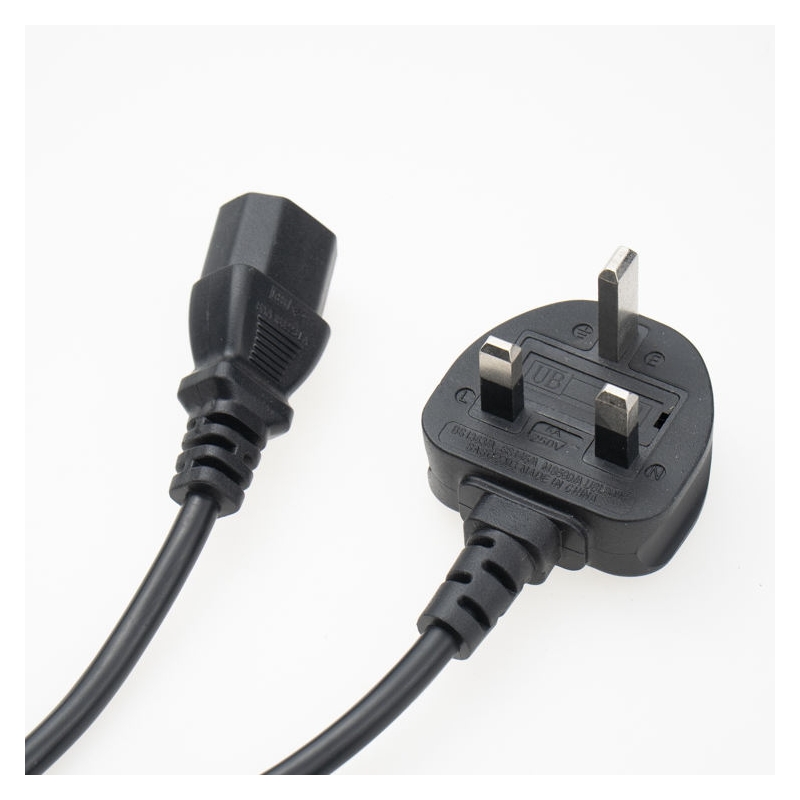
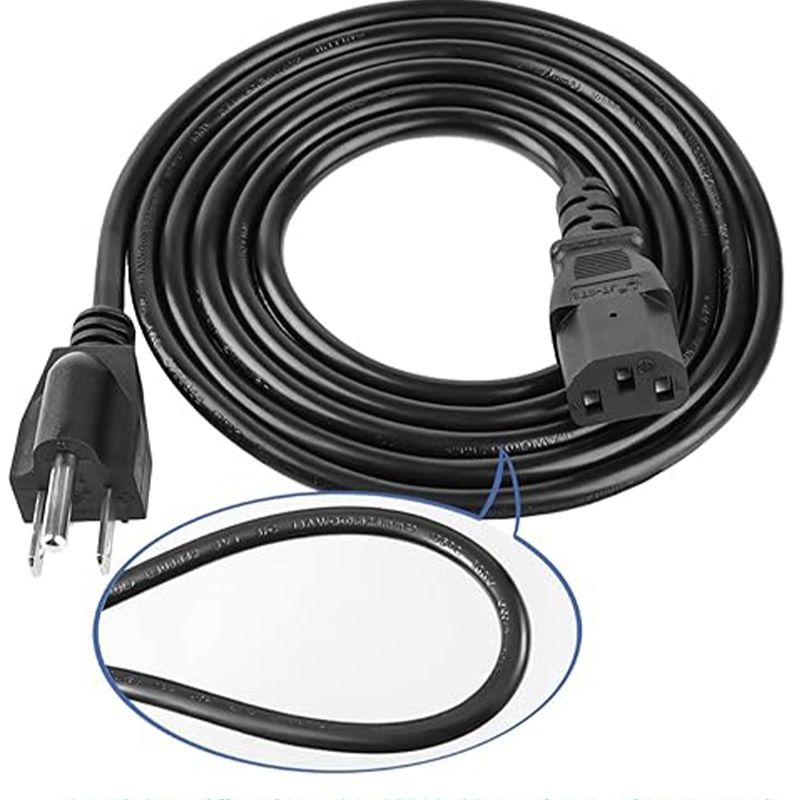
The continuous print (ink-jet or embossed) on the jacket of an AC power cable is its official compliance passport. Before approving drawings or samples, always audit these elements against the official certificates.
Typical compliant print example:

Key elements every buyer must verify:
- Safety certification marks — UL, VDE, SAA, PSE, KC, CCC, CE/ENEC
- Factory authorization number — UL File Number (E- followed by digits), VDE registration, SAA approval number, etc.
- Conductor specifications — Core count and size (e.g., 3×0.75mm² or 18AWG)
- Voltage and temperature ratings — 300V/500V, 60°C/75°C/105°C
- Manufacturer identification — Exact name or trademark matching the certificate
- Flame ratings — VW-1, FT1, or equivalent
Visual recommendation: Insert a high-resolution macro photograph or annotated infographic of a real power-cord jacket with callouts linking each printed element to the corresponding certificate field.
2. Global Certification Snapshot: UL vs VDE and Other Key Standards
Different markets demand different marks and print formats. The table below summarizes the most common requirements for B2B buyers.
| Region / Market | Primary Safety Mark | Typical Wire Standard | Common Gauges | Mandatory Print Elements |
|---|---|---|---|---|
| North America | UL / CSA | UL 62 / UL 817 | 18AWG, 16AWG, 14AWG power cord | UL File Number (E-file), cable type (SJT/SVT), temp/voltage |
| European Union | VDE / ENEC / CE | HAR (EN 50525) | 0.75 / 1.0 / 1.5 mm² | Harmonized code (H05VV-F), VDE mark, core count |
| Australia / NZ | SAA / RCM | AS/NZS 3191 | 0.75 / 1.0 / 1.5 mm² | SAA number or RCM, manufacturer name |
| Japan powercord | PSE powercord | DENAN Law | 0.75 / 1.25 / 2.0 mm² | PSE Diamond, registered factory name |
| South Korea power cord | KC power cable | K60227 / K60245 | 0.75 / 1.0 / 1.5 mm² | KC mark, safety certificate ID |
UL vs VDE Power Cord Certification is one of the most frequent comparison searches. UL focuses on North American construction, temperature, and flame tests under UL 817. VDE (and HAR) follows European harmonized standards with different conductor sizing (mm²) and marking conventions. Using a VDE-marked cable with a UL plug (or vice versa) without dual approval almost always fails customs or market surveillance.
3. The Head-to-Tail Matching Rule — Critical for Power Cord Plug Safety Marking Compliance

A frequent and expensive mistake is assuming "plug certified + cable certified = finished assembly certified." Certification bodies approve specific plug-and-cable combinations only.
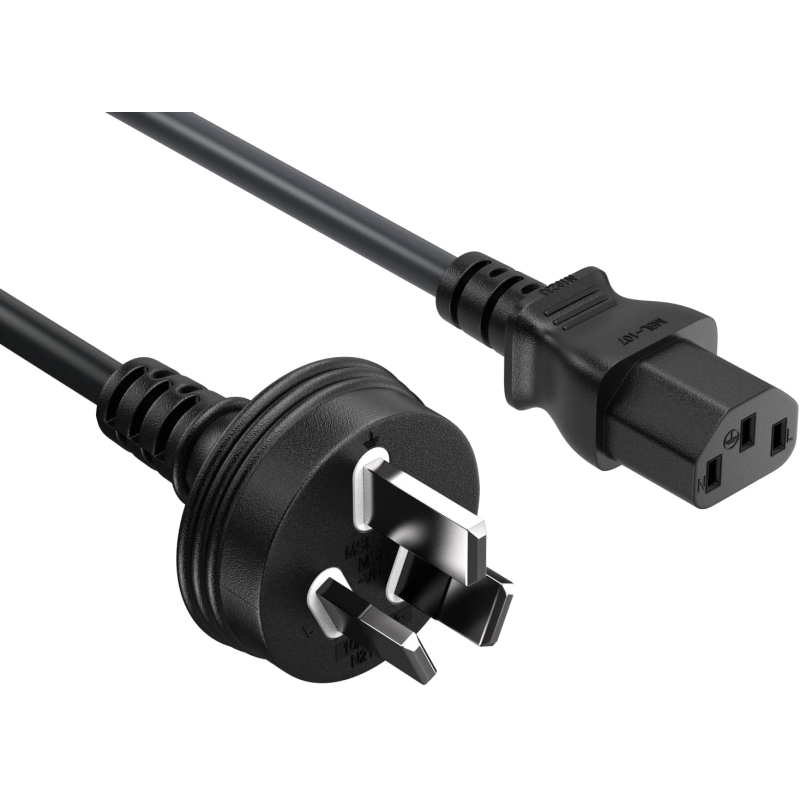
Correct assembly: SAA power cord plug + SAA-marked cable → PASS
Invalid assembly:SAA plug + VDE-marked cable → FAIL / customs rejection
Our factory enforces a strict three-step protocol before any production run:
1. Certificate-scope alignment — Engineering cross-checks the plug certificate's approved flexible-cord schedule.
2. Print-wheel verification — Magnifier inspection confirms the exact safety marks and text match the plug's certification.
3. First-piece inspection (FPI) — Initial extruded meters are locked and checked for clarity, spacing, adhesion, and permanence.
This process directly addresses power cord plug safety marking compliance and prevents the cross-market mix-ups that cause container holds.
4. Real-World Cost of Non-Compliance
- Expired or mismatched certificates have triggered product recalls and sales bans exceeding $100,000 for importers.
- Incorrect cable print (e.g., CCC markings on cables destined for Europe) routinely results in full container rejection at ports such as Rotterdam or Los Angeles.
5. B2B Power Cord Quality Inspection Flow — How We Deliver 100% Compliant Product
Our ISO-aligned QC system operates at four gates:
- Material receiving — Verify copper, compounds, and plug inserts against active certificate numbers.
- Print-wheel setup — CAD overlay ensures zero character error.
- First-piece magnifier audit — 10× inspection of legend accuracy, ink adhesion, and positioning.
- In-line optical inspection — Continuous camera systems catch smudging or missing text in real time.
These steps form the practical B2B Power Cord Quality Inspection Flow that procurement teams can request as evidence of process control.
6. Custom Wire Gauge, Voltage Specs & Bulk Extensions / Strips
Buyers frequently search for custom wire gauge and voltage specs. We support:
- North American AWG sizes (18–14 AWG) and metric mm² sizes (0.5–2.5 mm² and higher)
- Voltage/current ratings matched to target markets (125 V / 250 V, 10 A–16 A typical)
- Custom lengths, colors, strain-relief styles, and right-angle plugs
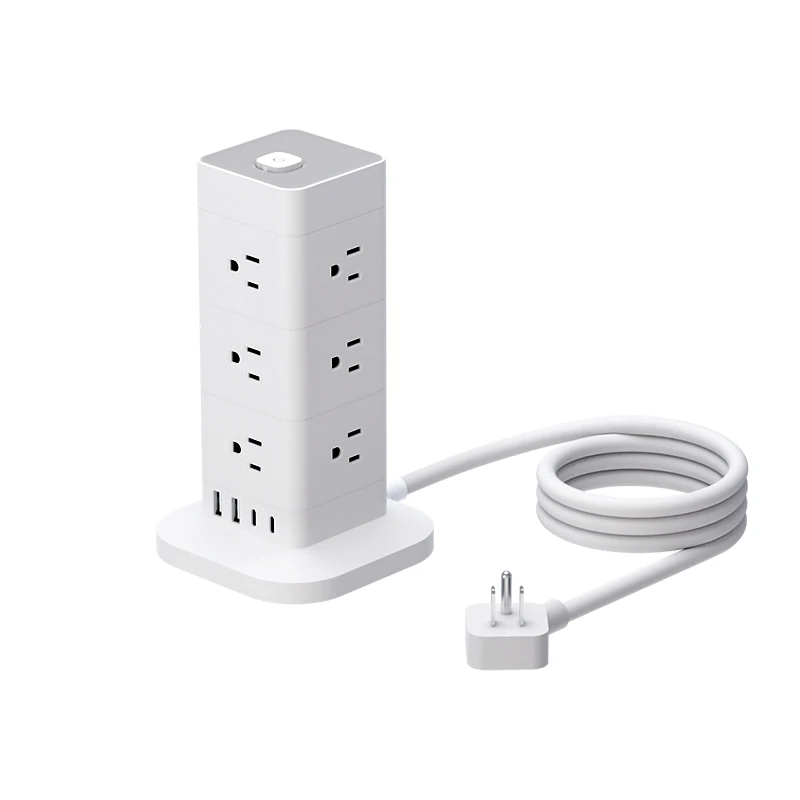
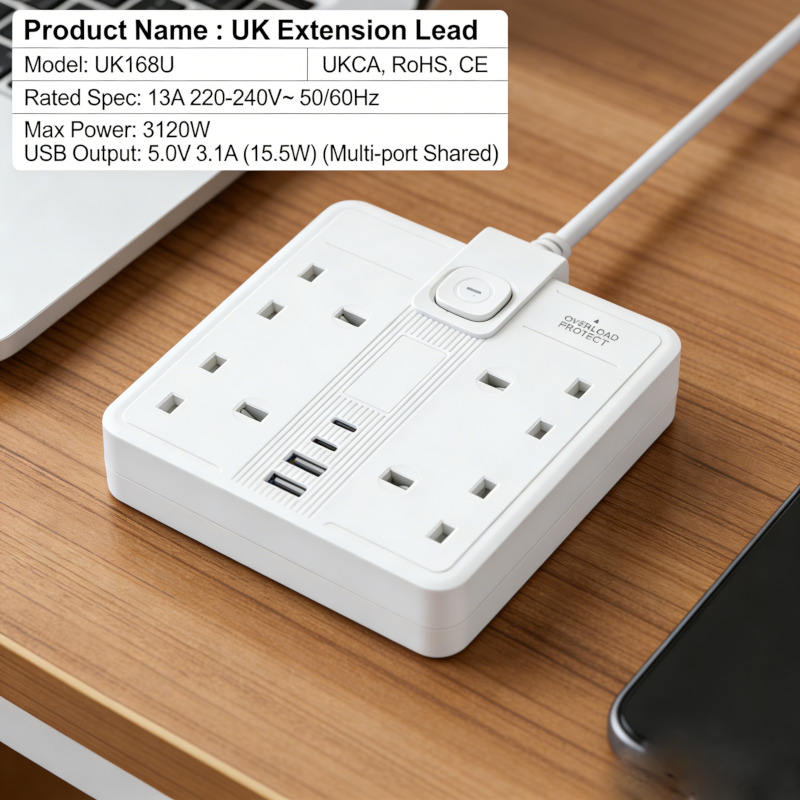
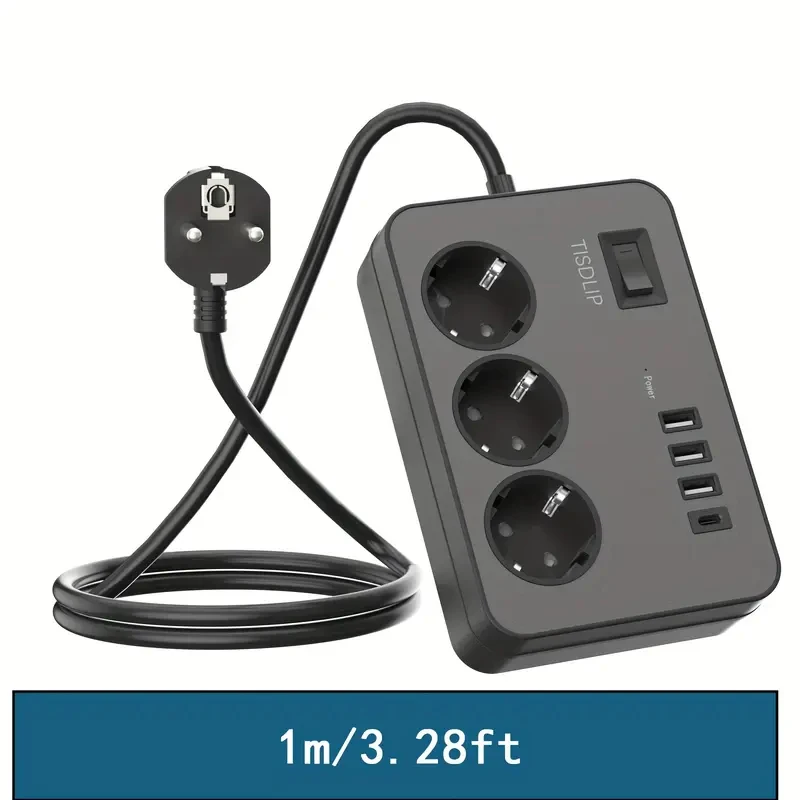
In addition to standard cord sets we manufacture custom bulk power extensions and strips (extension cords, multi-outlet power strips, and locking variants) under the same certification and marking discipline—ideal for wholesalers and OEMs needing single-source supply.
7. Emerging Trends OEMs Should Watch
- Halogen-free and low-smoke compounds meeting RoHS/REACH
- Laser marking for permanent, solvent-free identification
- Micro-QR codes next to safety marks for instant certificate verification by customs or field technicians
Partner with a Reliable AC Power Cord OEM Manufacturer
Whether you need SAA Certified Power Cable Supplier support for Australia/New Zealand, multi-market dual-certified assemblies, or high-volume Custom AC Power Line Wholesale, we provide end-to-end engineering, drawing verification, and 100% factory testing (continuity, hipot, print accuracy).
Ready to eliminate certification risk?
Contact our engineering team today for a complimentary blueprint audit and pre-production sample review. Share your target markets, preferred gauges, and volume requirements—we will confirm exact print legends and matching certificates before tooling begins.
References
- UL Solutions – UL 817 Standard for Cord Sets and Power-Supply Cords: https://www.ul.com (search UL 817)
- VDE Testing and Certification Institute – Cables and Cords: https://www.vde.com/en
- Standards Australia – AS/NZS 3191 Electric Flexible Cords: https://store.standards.org.au
- Japan Electrical Safety & Environment Technology Laboratories (JET) – PSE / Electrical Appliance and Material Safety Law: https://www.jet.or.jp
- International Electrotechnical Commission – IEC 60227 series (PVC insulated cables): https://www.iec.ch
Frequently Asked Questions
Q1: What if the UL File Number on the cable differs from the plug's number?
Different specialized production lines often have separate file numbers. Both must be active in the UL Product iQ database, and the cord type must appear in the plug's approved scope.
Q2: SJT vs SVT — which should I specify?
SVT is lighter-duty (office equipment, small appliances). SJT is hard-usage with thicker jacket for computers, appliances, and industrial applications.
Q3: Why AWG in North America and mm² in Europe?
AWG is diameter-based; metric standards use cross-sectional area. Always convert carefully to maintain ampacity.
Q4: Can a VDE-printed cable be used on a product sold in the United States?
No. North American authorities require UL or CSA markings. Mismatched marks commonly trigger customs holds.
Q5: How can I quickly verify a factory's legitimacy?
Request official file or certificate numbers (UL E-number, VDE registration, SAA number, etc.) and look them up on the issuing body's public database to confirm factory name, address, and product scope.
Q6: Do you supply custom bulk power extensions and multi-outlet strips under the same certifications?
Yes. Extension cords and power strips follow identical head-to-tail matching, print standards, and inspection flow.



 Email
Email