
C14 Power Cord Guide: How to Choose the Right AC Power Cord for Data Centers
Content Menu
● 1. Why AC Power Cord Selection Dictates Data Center Reliability
● 2. What Is a C14 Power Cord and Where Is It Applied?
● 3. Engineering Comparison: C13/C14 vs. C19/C20 Power Cords
● 4. Conductor Metallurgy: Evaluating Copper Specifications
● 5. Thermal Performance, Insulation, and Environmental Durability
● 6. Global Safety Certifications: What Compliance Do You Need?
● 7. Data Center AC Power Cord Procurement Checklist
● 8. Partnering with TISDLIP for OEM & Custom Power Solutions
>> Why Global Buyers Choose TISDLIP
● Conclusion & Actionable Call to Action
● Frequently Asked Questions (FAQ)
Modern data centers, enterprise server rooms, and mission-critical IT facilities operate around the clock. Servers, network switches, storage arrays, uninterruptible power supply (UPS) units, and power distribution units (PDUs) remain powered 24 hours a day, 365 days a year.
In such a high-demand infrastructure ecosystem, an AC power cord is far more than a basic accessory. For data center operators, global distributors, and IT hardware manufacturers, sourcing the correct C14 power cord is a critical engineering and risk-management decision. From connector compatibility and conductor cross-section to thermal resilience, material quality, and safety certifications, every specification dictates long-term power stability.
This guide provides procurement managers and OEM buyers with an expert framework for evaluating, specifying, and sourcing high-performance C14 power cords for enterprise deployments.

1. Why AC Power Cord Selection Dictates Data Center Reliability
A single enterprise data center facility may contain tens of thousands of individual power connections. Because power cables operate under continuous electrical load, a sub-par cable choice can introduce hidden operational risks.
When evaluating power infrastructure, procurement professionals typically focus on preventing several common operational pain points:
* Thermal degradation and resistance heating: Undersized or substandard conductors can experience elevated operating temperatures under continuous 24/7 server loads.
* Intermittent power delivery: Poorly molded connectors or loose pin tolerances can lead to micro-arcing or insecure rack connections.
* Compliance and auditing friction: Importing hardware without proper regional documentation can delay customs clearance and deployment schedules.
* Cable management congestion: Incorrect lengths or rigid outer jackets can block critical airflow paths within high-density server racks.
For these reasons, purchasing teams should look beyond unit price alone, evaluating total cost of ownership through rigorous technical specifications.
2. What Is a C14 Power Cord and Where Is It Applied?
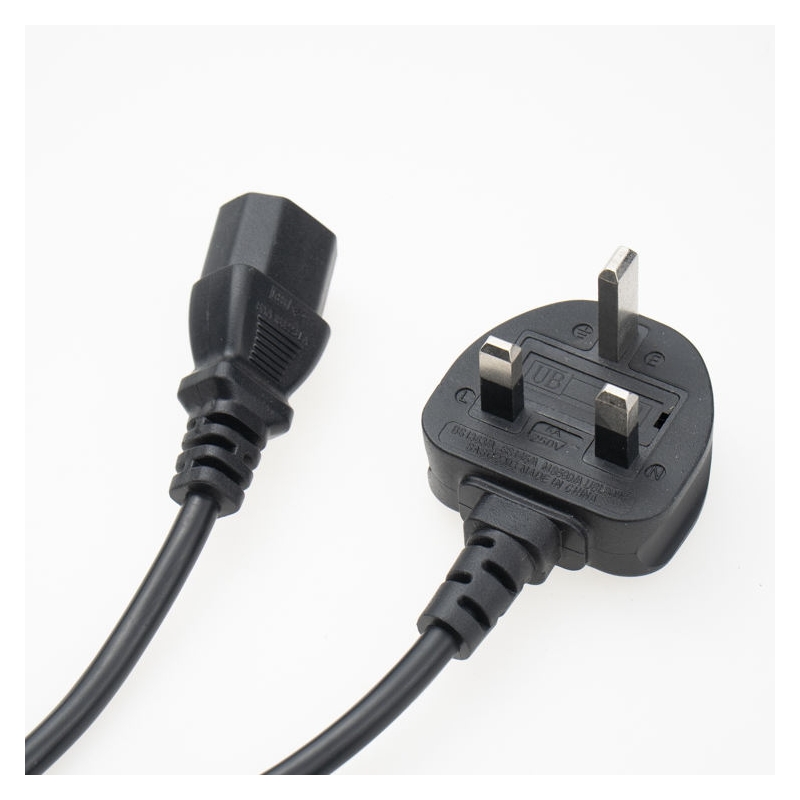
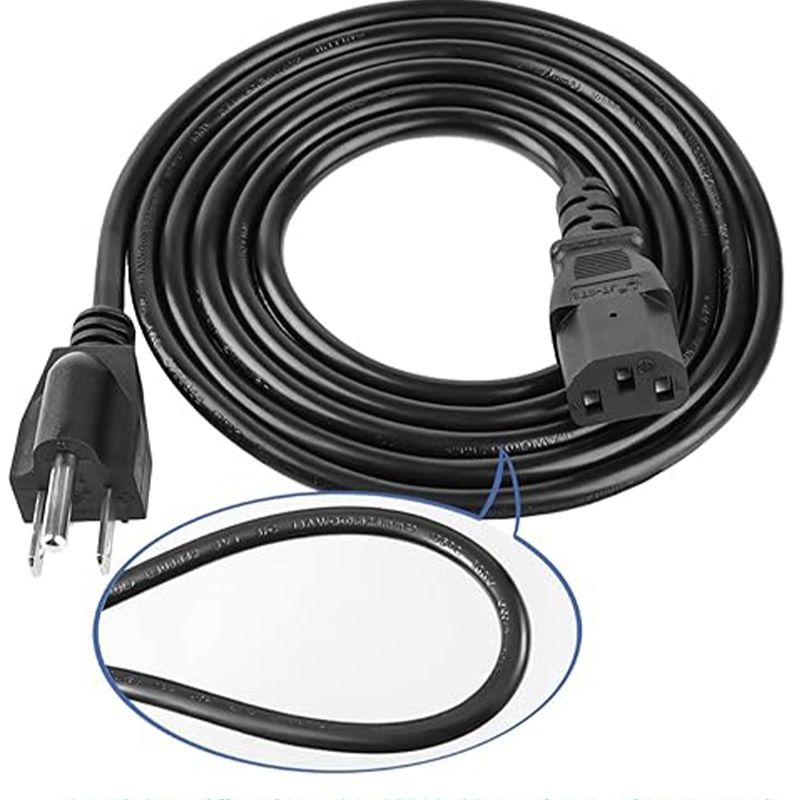
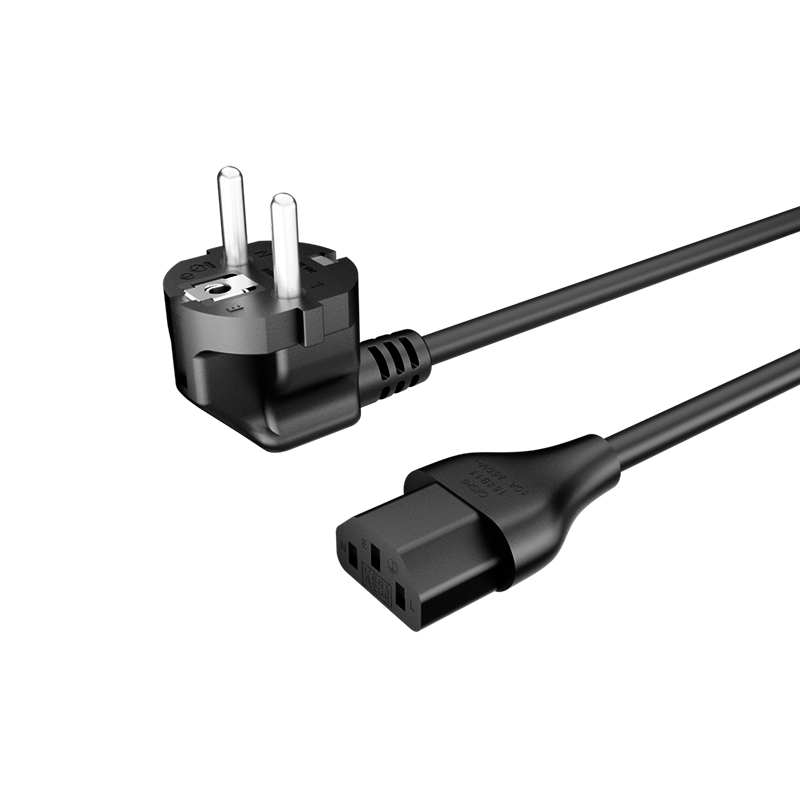
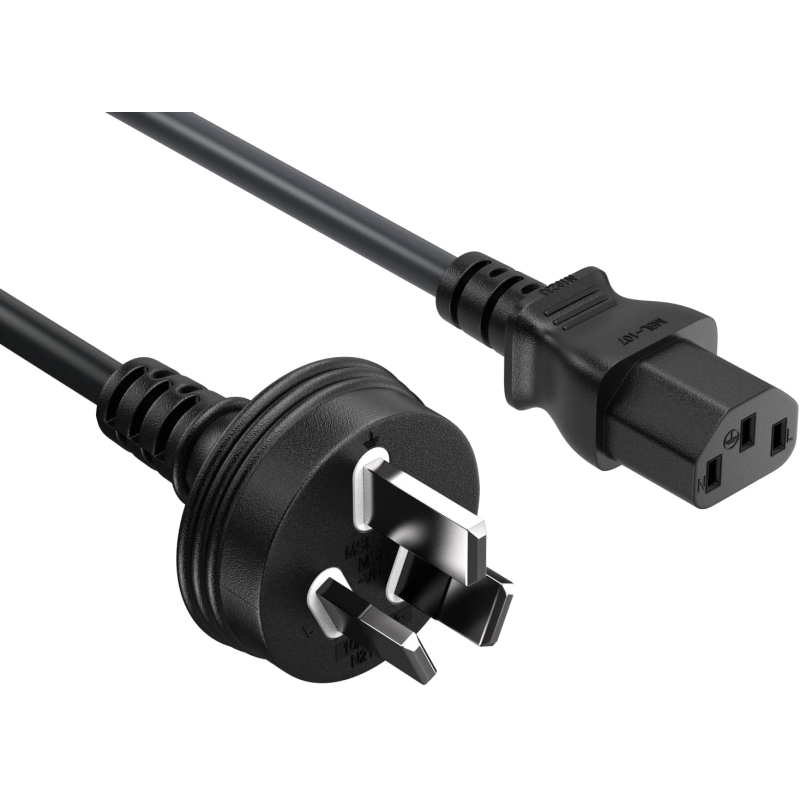
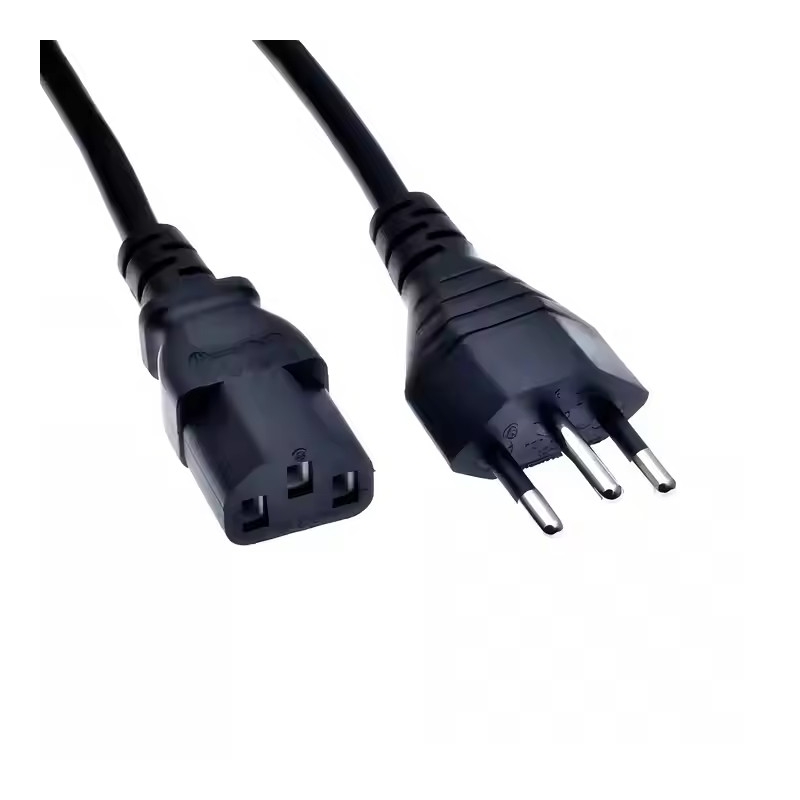
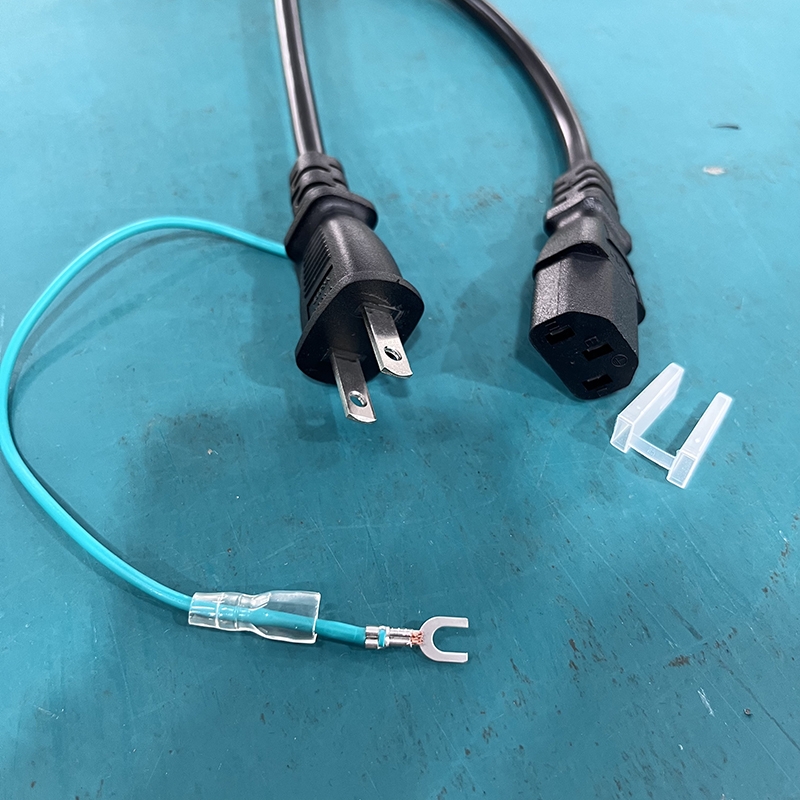
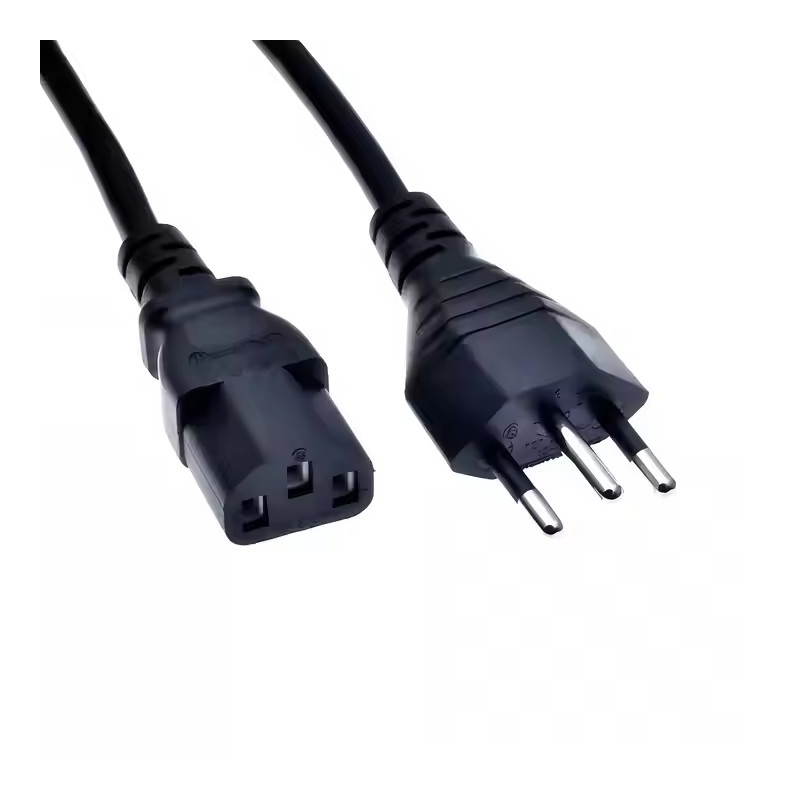
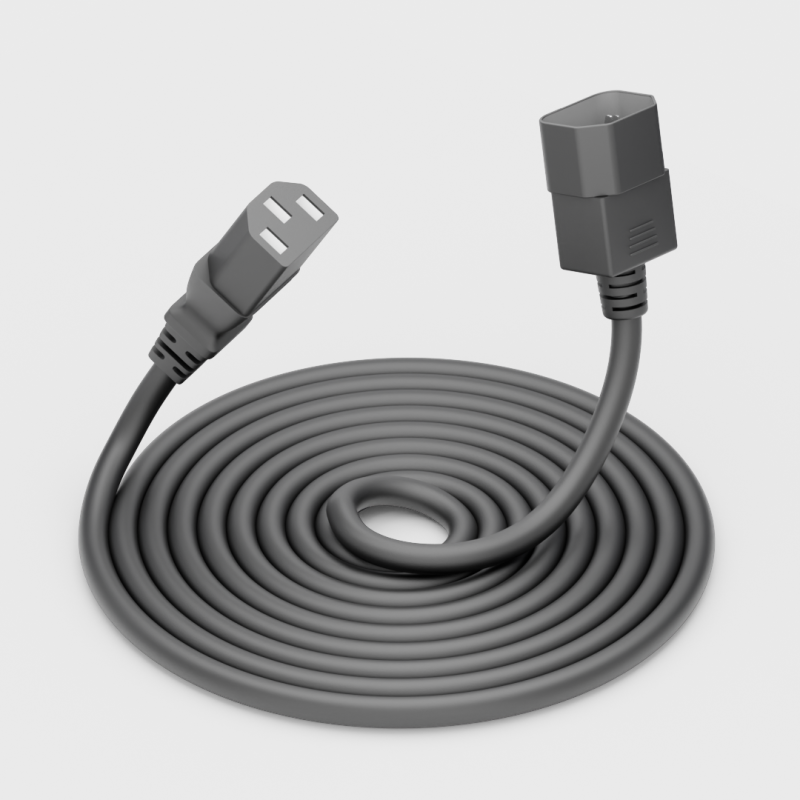
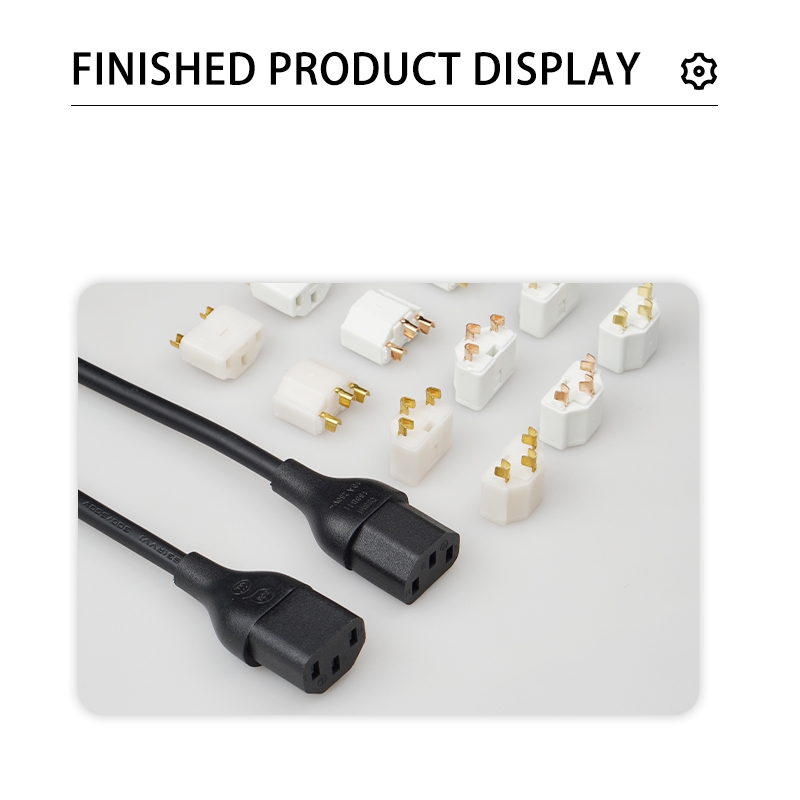
An IEC C14 power cord typically features an IEC 60320 C14 molded male plug on one end, commonly paired with an IEC C13 female connector on the opposing end. This standard C13 C14 power cord configuration forms the primary bridge between rack-mounted IT hardware and cabinet PDUs or UPS systems.
Common commercial applications include:High-density rack-mounted serversCore network switches and routers Network-attached storage (NAS) and SAN storage systems Enterprise workstations and modular IT infrastructure
Engineering teams must carefully distinguish between physical connector compatibility and electrical current ratings. A matching plug configuration alone does not automatically guarantee safe operational thresholds under maximum continuous load.

3. Engineering Comparison: C13/C14 vs. C19/C20 Power Cords
| Cordset Configuration | Typical Target Application | Standard Current Class | Recommended Max Voltage |
| C14 → C13 | Standard servers, switches, storage, IT hardware | Up to 10A class applications | 250V AC |
| C20 → C19 | High-power blade servers, UPS systems, heavy enterprise gear | Up to 16A class applications | 250V AC |
4. Conductor Metallurgy: Evaluating Copper Specifications
Inside any commercial AC power cord, the internal conductor is the primary determinant of electrical resistance, thermal output, and energy efficiency.
When reviewing technical data sheets from a potential AC power cord manufacturer, B2B buyers should examine several core parameters:
* Conductor material specifications: Verifying pure copper composition and grade.
* Cross-sectional area: Ensuring proper gauge sizing (e.g., $3 G 1.0 mm2 or 3 G1.5 mm2) relative to the equipment current draw.
* Strand count and construction: Assessing flexibility and mechanical durability for repeated rack maintenance cycles.
Selecting the appropriate conductor size prevents excessive voltage drop over extended cable runs and helps maintain optimal energy efficiency across the power distribution chain.

5. Thermal Performance, Insulation, and Environmental Durability
Server rooms experience fluctuating thermal zones, especially near exhaust hot aisles. An industrial-grade C14 AC power cord must feature appropriate insulation and outer jacket materials (such as PVC or specialized compound formulations) engineered for extended thermal exposure.
* Flame Retardancy: Confirming that jacket materials align with standard flame-retardant test requirements to support safe facility operations.
* Mechanical Flexibility: Outer jackets should offer sufficient resistance to abrasion, bending fatigue during rack installation, and mechanical stress from cable management arms.
6. Global Safety Certifications: What Compliance Do You Need?
Deploying IT equipment across international markets mandates strict adherence to regional safety standards. A reputable server power cord supplier should be capable of providing traceable compliance documentation aligned with destination market regulations:North America: UL and ETL compliance standardsEurope: VDE, CE, and UKCA alignmentAsia-Pacific: PSE (Japan), SAA (Australia), KC (Korea), and CCC (China)Environmental Directives: RoHS and REACH material compliance
Requesting complete test reports and technical data sheets during the vendor evaluation stage ensures smooth market entry for distributors and OEM brands.
7. Data Center AC Power Cord Procurement Checklist
Before issuing a purchase order or finalizing an OEM supply agreement, procurement teams can use this structured checklist to verify critical specifications:
| Evaluation Item | Key Parameter to Confirm |
| Connector Configuration | IEC C13/C14 or C19/C20 matched to equipment inlets |
| Electrical Rating | 10A / 16A rating matching operating voltage and frequency |
| Conductor Specification | Copper material grade and precise cross-sectional area (1.0, 1.5, or 2.5mm2) |
| Cable Length & Layout | Dimensioned for rack depth and efficient PDU routing without excess slack |
| Thermal & Jacket Specs | Appropriate temperature rating and mechanical durability for the environment |
| Safety Compliance | Target market certifications (UL, VDE, CE, etc.) and environmental reports |
| Customization Needs | Tailored lengths, custom colors, packaging, or molded brand logos |
8. Partnering with TISDLIP for OEM & Custom Power Solutions
As an established manufacturer in the electrical connectivity sector, Dongguan Zhenghao Electric Co., LTD (operating under the brand TISDLIP) provides engineering-grade power solutions to international equipment manufacturers, wholesalers, and enterprise distributors.
Why Global Buyers Choose TISDLIP
* Comprehensive Product Range: Extensive manufacturing capabilities covering standard C13 C14 power cords, C19/C20 power cords, and regional cordsets tailored for global markets.
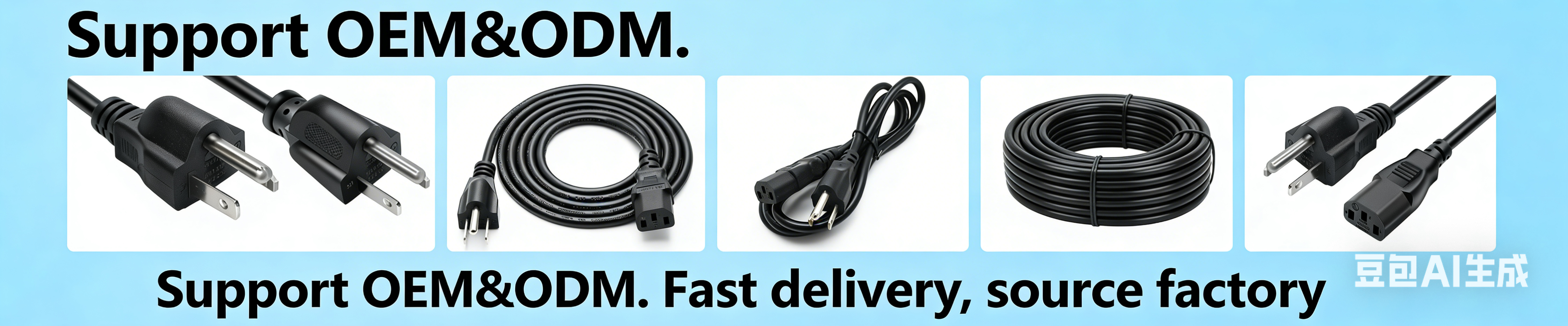
* Flexible OEM/ODM Customization: Support for specialized cable lengths, custom wire gauges, specific jacket colors, and bespoke molded plug branding.
* Rigorous Quality Assurance: Systematic factory testing protocols covering electrical continuity, polarity verification, and high-voltage dielectric withstand performance.

Conclusion & Actionable Call to Action
Sourcing the right C14 power cord is a vital step in maintaining resilient data center infrastructure. By carefully evaluating connector ratings, conductor specifications, thermal parameters, and safety compliance, procurement teams can mitigate operational risks and secure reliable long-term performance.
If your organization requires reliable bulk C14 power cords or customized C14 power cords tailored to exact project specifications, TISDLIP is ready to assist.
Ready to optimize your power supply chain? Send our engineering team your equipment specifications, target current ratings, cable lengths, and destination markets today to request a professional quotation and technical consultation.
Frequently Asked Questions (FAQ)
Q1: What is the typical current rating for a standard C14 power cord?
A: Standard C14 plugs and C13 connectors are generally engineered for applications up to 10A at 250V AC under standard operating conditions. For equipment exceeding 10A, C19/C20 configurations rated for 16A are typically required.
Q2: How do I select the correct cable length for rack-mounted PDU installations?
A: Measure the physical distance from your cabinet PDU outlet to the server power supply inlet while accounting for vertical cable management channels. Proper sizing avoids excess slack that restricts airflow and prevents overly tight stretches that stress connector pins.
Q3: What documentation should I request from an AC power cord supplier before bulk ordering?
A: Buyers should request complete product specification sheets, material composition details, applicable safety certification documents (such as UL, VDE, or CE test reports), and confirmation of factory quality control testing procedures.
Q4: Can TISDLIP accommodate custom branding or specialized packaging for wholesale distribution?
A: Yes. As an experienced OEM AC power cord manufacturer, TISDLIP offers flexible customization options including bespoke cable lengths, customized packaging, and molded brand logos to support wholesale and distributor requirements.
Q5: How can I submit a precise RFQ to accelerate the quotation process?
A: A professional RFQ should clearly state the connector types (e.g., C14 to C13), electrical voltage and current requirements, conductor size, required cable length, target market certifications, and any custom branding needs.
References
* Dongguan Zhenghao Electric Co., LTD (TISDLIP) - Enterprise Manufacturing Specifications and OEM/ODM Power Cord Guidelines.
* International Electrotechnical Commission (IEC) - IEC 60320 Standard Specifications for Appliance Couplers for General Purposes.
* Underwriters Laboratories (UL) - Standard for Cord Sets and Power-Supply Cords (UL 817).



 Email
Email