

Extension Cord vs Power Strip: Differences, Safety Standards & Selection Guide
Content Menu
● Extension Cord vs Power Strip: Similarities and Differences
● When Should You Use an Extension Cord?
● When Should You Use a Power Strip?
● Deep Dive: Power Strip vs. Surge Protector—The Critical Distinction
● Extension Cord vs Power Strip for Outdoor Use
● Safety Considerations: Avoiding Electrical Hazards
● How to Choose the Right Product
● Frequently Asked Questions (FAQ)
As electrical manufacturing and safety compliance experts serving global brands and procurement managers, we frequently observe end-users and facility managers treating power accessories as interchangeable items. This common misunderstanding is more than a minor oversight—it can compromise equipment performance, lead to compliance failures under international safety standards, and create serious fire or shock hazards.
The core distinction between an extension cord and a power strip lies in their engineered purposes: one is designed to span distance, while the other is built to expand outlet capacity. This expert-vetted guide clarifies the technical differences, highlights critical safety ratings, and helps you select the optimal power distribution solution for your home, office, or industrial application.
What Is an Extension Cord?
Extension Cord Definition
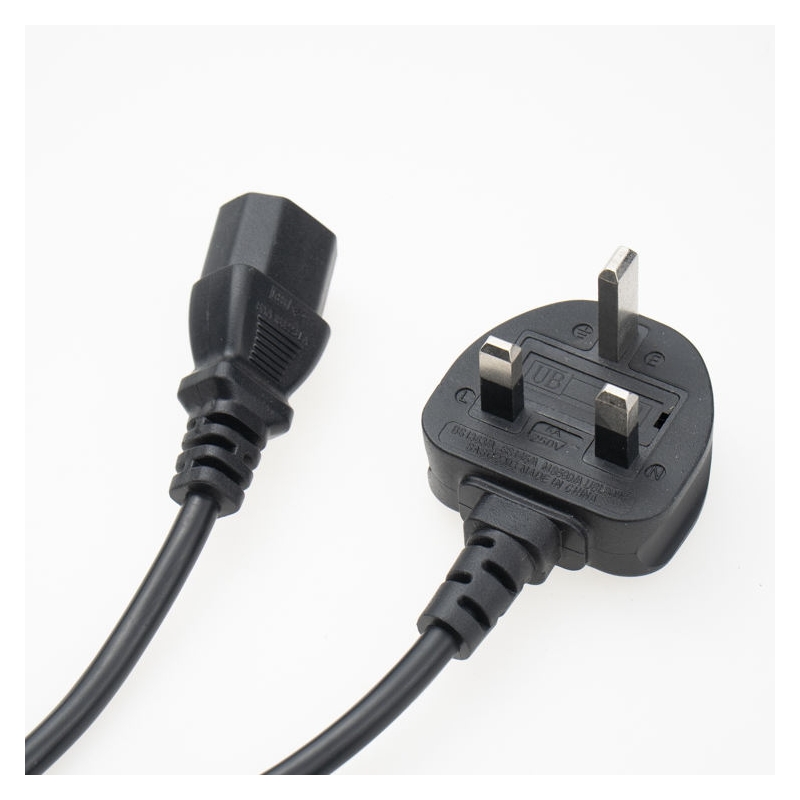
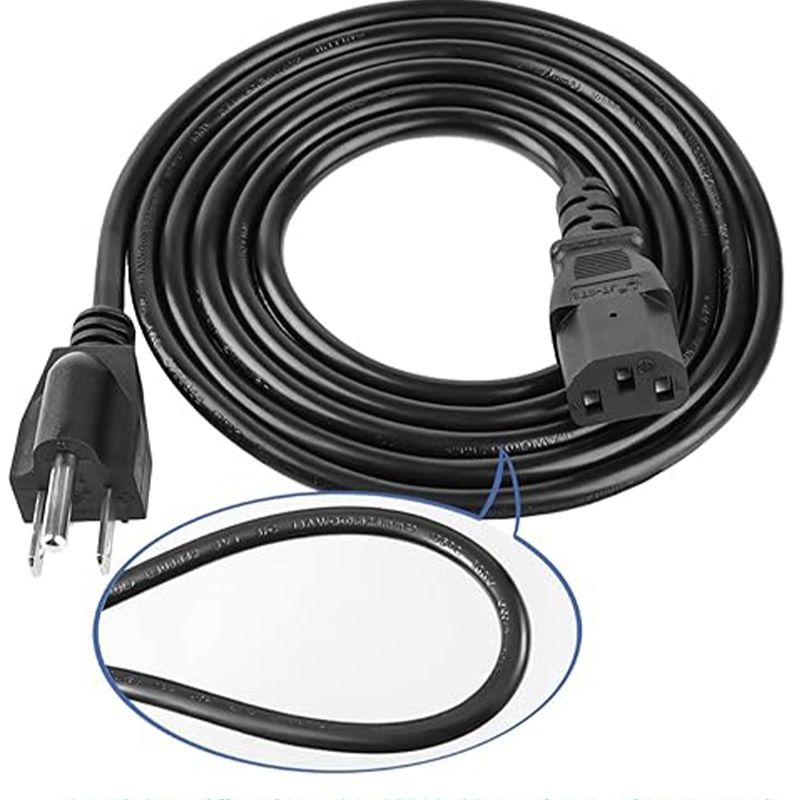
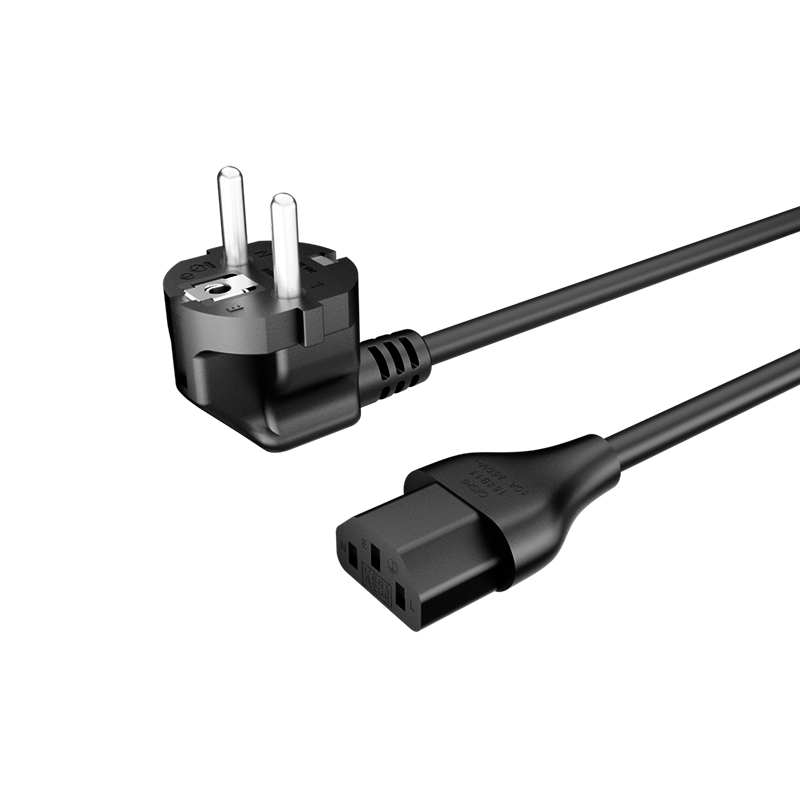
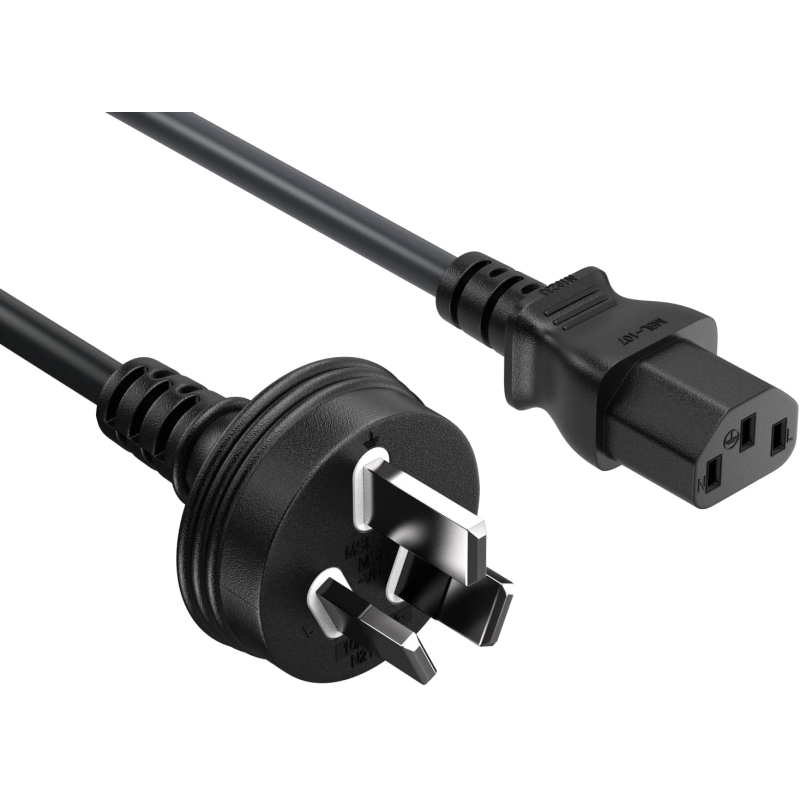
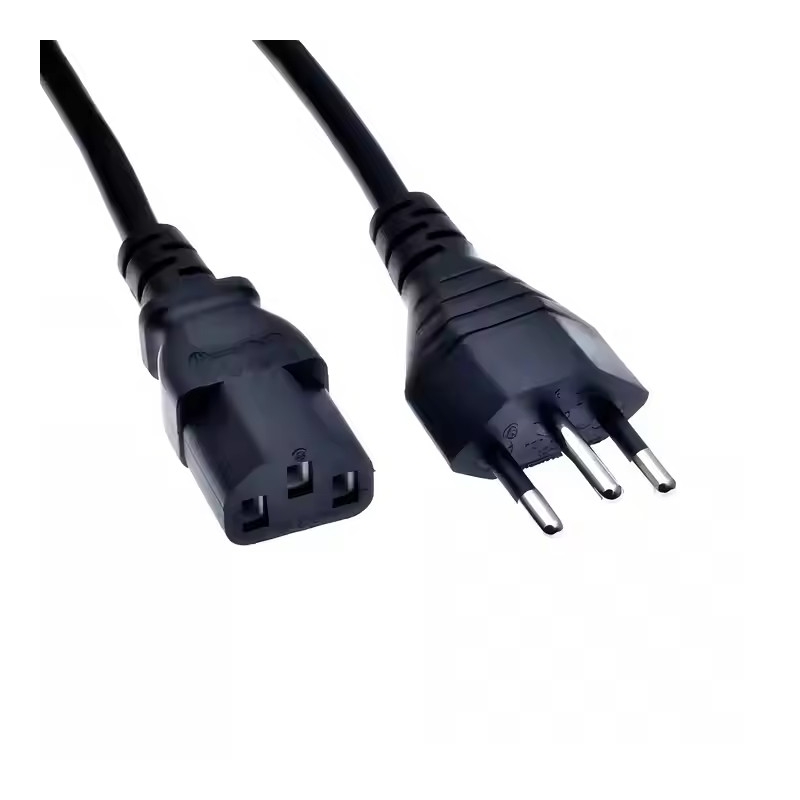
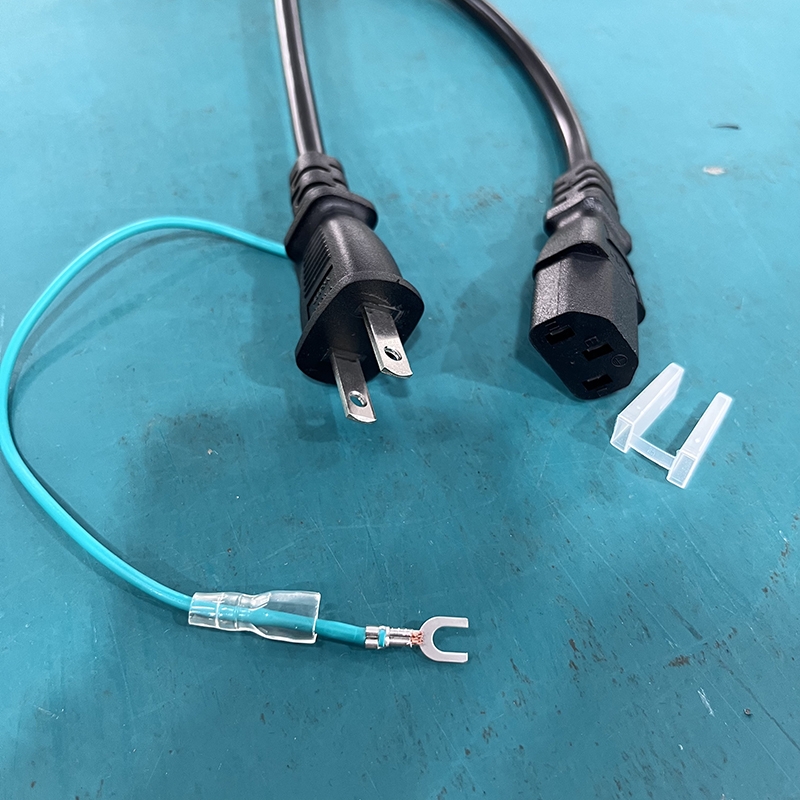
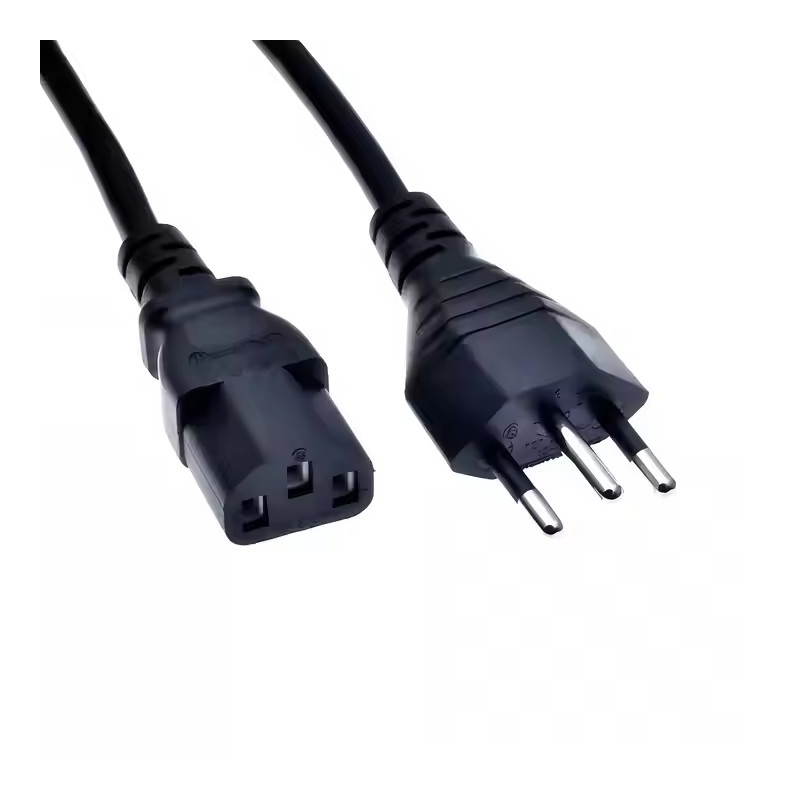
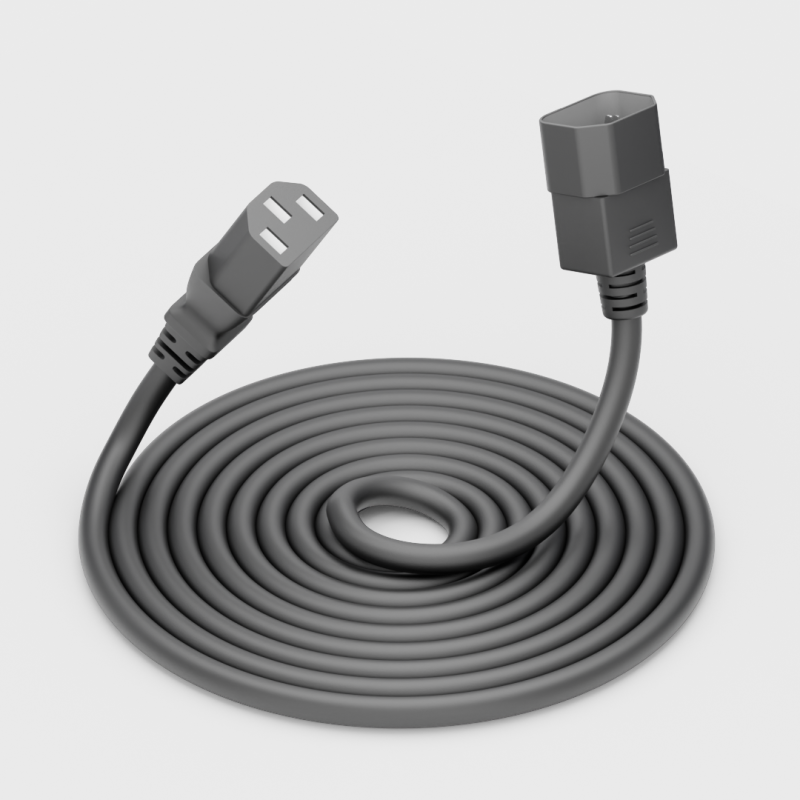
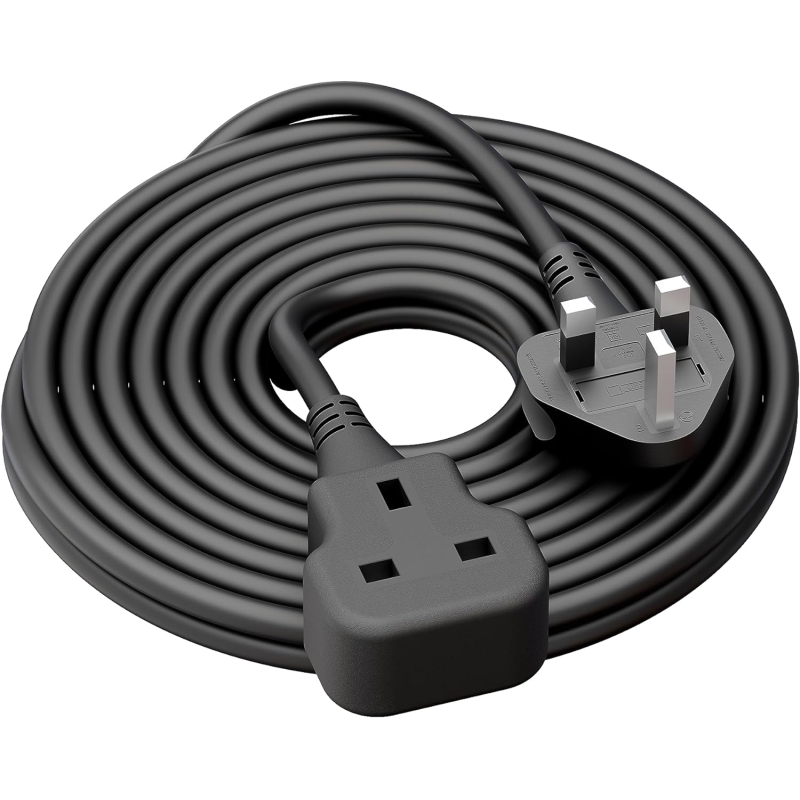
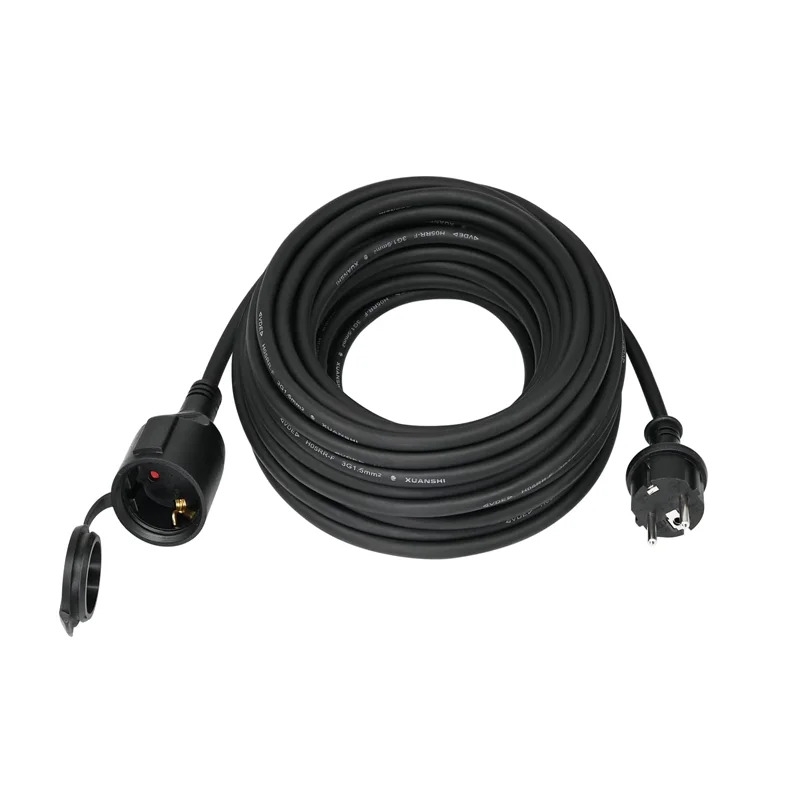
An extension cord consists of a flexible power cable with a molded plug on one end and one or more receptacles on the other. Its primary purpose is to deliver electrical current safely over a distance from a wall outlet to a remote appliance.
Common Types of Extension Cords
Extension cords are categorized by construction, insulation, and intended use:
- Indoor Extension Cords: Lightweight with thinner insulation (e.g., SPT-1 or SPT-2), suited for low-amperage devices like lamps or clocks.
- Outdoor Extension Cords: Feature durable, UV- and moisture-resistant jackets (e.g., SJTW or STW) and water-resistant plugs.
- Heavy-Duty Extension Cords: Use thick-gauge conductors (10–12 AWG) to handle high currents over long runs with minimal voltage drop—ideal for power tools and machinery.
- Retractable Extension Reels: Include an integrated drum for convenient storage in workshops and garages.
Advantages of Extension Cords
Extension cords provide essential spatial flexibility, enabling power delivery across rooms, warehouses, or outdoor sites. High-quality industrial models offer superior durability against abrasion, chemicals, and temperature extremes.
What Is a Power Strip?
Power Strip Definition
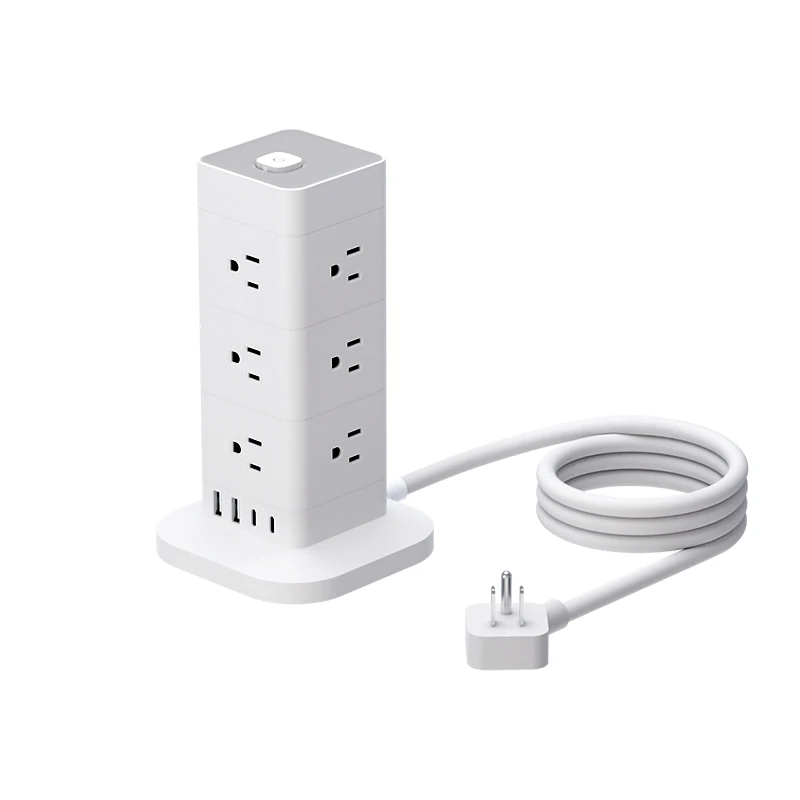
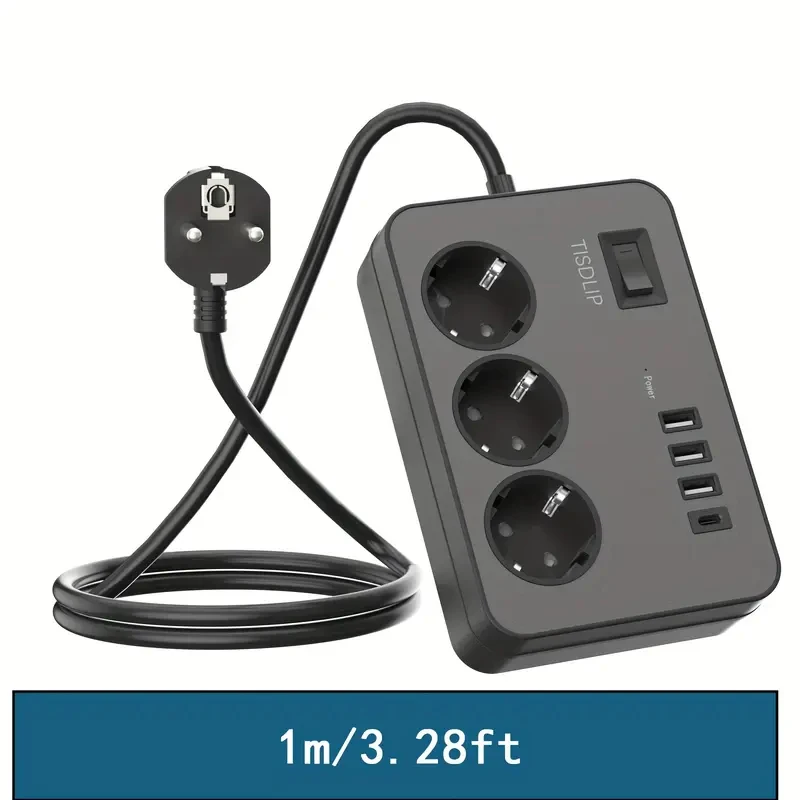
A power strip is a compact block of multiple electrical sockets connected to a short flexible cable (typically 3–10 feet) that plugs into a wall outlet. Its main function is to multiply the number of available outlets from a single source.
Typical Components
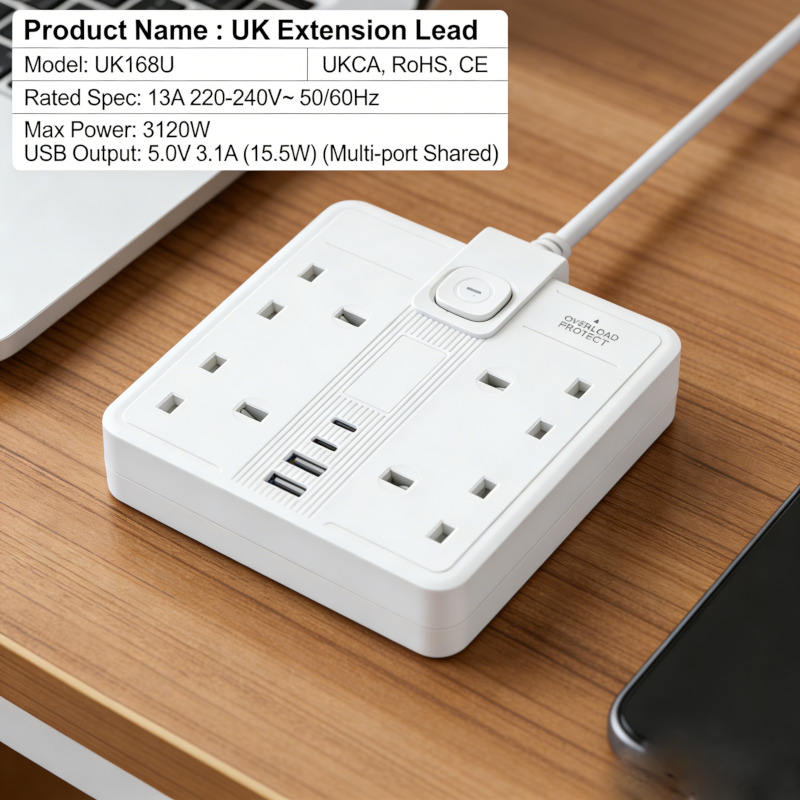
Commercial power strips include several built-in safety and convenience features:
- Multiple outlets (4–12+), arranged linearly or in a grid.
- Master power switch to control all devices and reduce standby power draw.
- Integrated circuit breaker that trips automatically on overload (commonly rated at 15 Amps).
- Surge protection (in advanced models) using Metal Oxide Varistors (MOVs).
Advantages of Power Strips
Power strips excel at localized power management. They support complete workstations or entertainment setups from one outlet, simplify cable organization, and protect devices via overcurrent protection.
Extension Cord vs Power Strip: Similarities and Differences
Similarities
Both devices act as intermediate links to enhance power convenience. They must comply with rigorous standards (UL 817 for cords, UL 1363 for power strips) and require users to monitor total connected load to avoid overload.
Key Differences
| Technical Feature | Extension Cord | Power Strip |
|---|---|---|
| Primary Engineering Purpose | Bridge physical distance from outlet | Expand number of available outlets |
| Standard Cable Length | Long (10 ft to 100+ ft) | Short (3 ft to 10 ft) |
| Receptacle Capacity | Minimal (usually 1–3 outlets) | High (4–12+ outlets) |
| Built-In Overcurrent Breaker | Extremely rare | Standard in most commercial units |
| Surge Suppression Capabilities | None (unless paired with a protector) | Frequently integrated |
| Primary Deployment Environment | Temporary setups, outdoors, mobile use | Fixed workstations, IT racks, entertainment centers |
Quick Decision Guide
- Scenario A: Device plug doesn't reach the wall outlet → Choose an extension cord.
- Scenario B: Multiple devices near a single wall outlet → Choose a power strip.
- Scenario C: Multiple devices 25+ feet away → Use a heavy-duty extension cord connected to a certified power strip or distribution block, ensuring total wattage stays within limits.
When Should You Use an Extension Cord?
- Home Applications: Temporary tasks such as powering vacuums, repositioning lamps, or setting up projectors.
- Workshop and Garage: Heavy-duty cords for mobile tools like saws, compressors, and work lights.
- Outdoor Activities: Specialized weather-resistant cords for landscaping equipment, holiday lighting, or events.
- Construction Sites: High-visibility, rugged cords for generator-to-tool power distribution.
When Should You Use a Power Strip?
- Home Entertainment Centers: Power TVs, soundbars, consoles, and receivers from one location.
- Office Workstations: Support computers, monitors, printers, and desk accessories.
- Smart Home Devices: Organize routers, NAS drives, and automation hubs in a single spot.
Deep Dive: Power Strip vs. Surge Protector—The Critical Distinction
A common and dangerous misconception is equating basic power strips with surge protectors.
Key Insight: Every surge protector is a power strip, but not every power strip is a surge protector.
A basic power strip offers extra outlets and a circuit breaker but passes voltage spikes directly to your equipment. A true surge protector includes Metal Oxide Varistors (MOVs) that divert excess energy to ground, safeguarding sensitive electronics.
Surge Protector Selection Criteria:
1. Joule Rating: 500–1,000 Joules for basic use; 2,000+ Joules for high-value equipment.
2. Clamping Voltage: 330V or 400V (lower is better) per UL 1449.
3. Response Time: Under 1 nanosecond for optimal protection.
Extension Cord vs Power Strip for Outdoor Use
Standard power strips are not suitable for outdoor environments due to insufficient moisture and dust protection. Always use dedicated outdoor-rated extension cords with 'W' jacket ratings (e.g., SJTW) for flexibility in cold weather and UV resistance.
Outdoor Safety Checklist:
- Inspect cables for damage before use.
- Connect only to GFCI-protected outlets.
- Elevate all connections above ground level.
Safety Considerations: Avoiding Electrical Hazards
Understanding Electrical Load Capacity
Use the formula:
Watts = Amps × Volts
A typical 15-Amp, 120V power strip handles up to 1,800W maximum, but continuous loads (3+ hours) should stay under 80% (1,440W).
The Danger of Daisy-Chaining
Plugging one strip or cord into another violates OSHA and NEC guidelines. It increases resistance, generates excess heat, and can bypass upstream breakers—creating a significant fire risk.
Warning Signs of Overload:
- Warm or hot housing/cords.
- Burning plastic smells.
- Frequent breaker trips.
- Discoloration or burn marks on outlets.
How to Choose the Right Product
Step 1: Evaluate Your Application
- Distance problem? → Extension cord.
- Outlet shortage nearby? → Power strip.
- Sensitive electronics? → Surge-protected power strip.
Step 2: Calculate Power Requirements
Sum device wattages from their rating labels. Avoid plugging high-draw appliances (space heaters, refrigerators, hair dryers) into strips—use dedicated wall outlets instead.
Step 3: Consider Convenience Features
- Flat or low-profile plugs.
- Rotating outlets.
- Built-in USB-C PD charging.
- Smart Wi-Fi monitoring and scheduling.
Frequently Asked Questions (FAQ)
Q1: Can I plug a power strip into an extension cord?
No. This is daisy-chaining and creates a serious safety violation. Use a single appropriately long power strip or extension cord instead.
Q2: Can I plug a refrigerator or air conditioner into a power strip?
No. High-inductive-load appliances should connect directly to wall outlets to avoid overload and fire risks.
Q3: Is it safe to leave an extension cord plugged in permanently?
No. Extension cords are for temporary use only. For permanent installations, consult a licensed electrician.
Q4: What is the best option for a modern home office?
A surge protector (2,000+ Joules) with heavy-duty 14 AWG cable—ideal for protecting PCs, monitors, and networking gear.
Q5: How long can an extension cord be before it becomes dangerous?
Avoid exceeding 100 feet. For longer runs, use thicker gauge wire (12 AWG or 10 AWG) to minimize voltage drop and overheating.
Q6: Do all power strips come with built-in surge protection?
No. Always verify the Joule rating and UL 1449 certification.
References
- Underwriters Laboratories (UL) 1363 – Standard for Relocatable Power Taps
- National Electrical Code (NEC) Article 400 – Flexible Cords and Cables
- OSHA – Ground-Fault Protection on Construction Sites
- NFPA – Electrical Fire Mitigation Guidelines
- American Wire Gauge (AWG) Conductor Standards



 Email
Email