

How to Choose and Use Power Strips Safely: A Guide to Power Safety from an OEM Manufacturer's Perspective (2026)
Content Menu
● Introduction: The Hidden Engineering Behind a Simple Power Strip
>> 1.1 The Core Electrical Parameters: Rated Current vs. Rated Power
>> 1.2 The Electrical Hazards of Daisy-Chaining Power Strips
● 2. High-Wattage Appliances: What Not to Connect Simultaneously
>> Power Consumption Reference for Common Appliances
● 3. Environmental Hazards: Where Power Strip Risks Skyrocket
>> 3.1 Why Kitchens are High-Risk Zones for Extension Sockets
>> 3.2 Idle Power Consumption and Thermal Safety
● 4. The Danger of Partial Plug Insertion: Small Habit, Massive Risk
>> Why Partial Insertion Causes Thermal Runaway
● 5. B2B & Consumer Buying Guide: How to Identify a Safe Power Strip
>> 5.1 Verifying Market-Specific Safety Certifications
>> Why Certifications are Non-Negotiable
>> 5.2 Evaluating Power Cord Specifications and Copper Purity
>> 5.3 Enclosure Materials: Absolute Flame Retardancy
● 6. The Engineering Complexity of Modern USB Power Strips
>> Essential Safety Protections for Quality USB Modules
>> The Financial and Safety Risk of Ultra-Low-Cost USB Strips
● 7. Supply Chain Evaluation: What Makes a Reliable OEM Power Strip Factory?
>> 7.1 Vertical Integration & Production Infrastructure
>> 7.2 Strict Quality Control and Reliability Testing Protocols
● 8. International Procurement Checklist for Sourcing OEM Power Strips
>> Factory Capability & Infrastructure
>> Compliance & Customization Support
>> Quality Control & Commercial Terms
● 9. Insights from 20 Years in Power Manufacturing: Three Mistakes to Avoid
● Conclusion: Let Power Safety Drive Your Brand's Competitive Advantage
● Frequently Asked Questions (FAQ)
Introduction: The Hidden Engineering Behind a Simple Power Strip
In homes, offices, commercial spaces, and industrial environments, the power strip (also known as an extension socket or trailing socket) has become an indispensable tool for power distribution. As the number of smart devices—smartphones, laptops, monitors, small appliances, and smart home ecosystems—continues to surge, our reliance on power strips grows exponentially.
However, as an original equipment manufacturer (OEM) with over 20 years of experience in power product manufacturing, we regularly observe a concerning trend when working with global brands, wholesalers, and electrical appliance companies. Most power strip safety failures do not stem from inherent product defects. Instead, they are caused by incorrect specification selection, overloading, improper daisy-chaining, hazardous environmental usage, and a general disregard for product certifications and quality standards.
A pervasive misconception among both consumers and commercial buyers is that the more outlets a power strip has, the more electrical appliances it can support.
From an engineering standpoint, this is fundamentally incorrect. The electrical capacity of a power strip depends on its rated current, cable gauge, internal copper component engineering, shell material flame retardancy, and integrated safety protection systems—not the number of sockets.
For Consumers:Correctly understanding and using power strips drastically reduces electrical hazards.
For International Brands & Wholesalers:Partnering with a professional OEM manufacturer directly impacts product safety compliance, market reputation, and long-term commercial value.
1. Demystifying Power Ratings: Why Sockets ≠ Load Capacity
1.1 The Core Electrical Parameters: Rated Current vs. Rated Power
Every legally compliant power strip features an specifications label detailing its Rated Voltage, Rated Current, and Maximum Power.
For example, a standard European or British power strip rated at 10A 250V calculation follows standard electrical principles:
Maximum Power = Rated Current x Rated Voltage
10A*250V= 2500 W
This means that the cumulative wattage of all appliances plugged into this power strip must never exceed 2500W
1.2 The Electrical Hazards of Daisy-Chaining Power Strips
Daisy-chaining refers to plugging one power strip into another to extend reach or add more outlets. While this physically creates more plug-in slots, it does not increase electrical capacity
The primary power strip, its power cord, and the wall plug still bear the total load of the entire chain.
High-Overload Scenario:Imagine a standard 10A (2500W) power strip connected to three high-draw appliances via
daisy-chaining:
Electric Kettle: 1800W
Hair Dryer: 1500W
Microwave Oven: 1200W
Total Cumulative Load: 1800W + 1500W + 1200W = 4500W
This scenario overloads the 2500W threshold by 80%. The physical consequences include severe cable overheating, rapid thermal rise of internal copper busbars, casing deformation, contact point oxidation, electric arcing, and ultimately, structural fire hazards.
OEM Manufacturer Recommendation: High-power thermal appliances (electric kettles, space heaters, induction cooktops, ovens, microwaves, and hair dryers) should always be plugged directly into fixed wall outlets rather than extension leads

2. High-Wattage Appliances: What Not to Connect Simultaneously
Electrical appliances vary wildly in their power draw. Low-power electronics like phone chargers, routers, LED desk lamps, and laptops rarely strain a circuit. However, thermal appliances require massive, sustained currents.
Power Consumption Reference for Common Appliances
| Appliance Type | Typical Wattage Range | OEM Usage Recommendation |
| Electric Kettle | 1500W- 2200W | Requires a dedicated wall outlet; avoid power strips. |
| Space Heater | 1500W- 2500W | Avoid standard extension cords due to prolonged continuous draw. |
| Hair Dryer | 1200W- 2000W | Do not operate simultaneously with other thermal appliances. |
| Microwave Oven | 800W- 1500W | Independent wall supply recommended. |
| Air Fryer | 1200W - 1800W | Strictly verify the power strip's total current limit before use. |
| Electric Oven | Above 2000W | Requires a heavy-duty dedicated circuit or high-gauge extension. |
When sourcing or purchasing an 8way or 10way power strip, remember: More outlets provide connection convenience, not extra electrical capacity.
3. Environmental Hazards: Where Power Strip Risks Skyrocket

Even a certified, premium-quality power strip can fail catastrophically if deployed in an adverse environment. Extended exposure to ambient heat, moisture, grease, and dust accelerates plastic degradation, lowers wire insulation resistance, corrodes metallic components, and causes contact resistance.
3.1 Why Kitchens are High-Risk Zones for Extension Sockets
Kitchens combine high-power appliances, high humidity, airborne grease, and localized heat.
* Placement Warning: Never place power strips near kitchen sinks, cooktops, or directly underneath plumbing.
* The Risk: Liquid ingress causes instantaneous short-circuits, ground faults, and tracking faults. Saline or grease-laden liquids are highly conductive and destroy structural insulation faster than clean water.
3.2 Idle Power Consumption and Thermal Safety
When a power strip is not actively charging or running appliances, it is highly recommended to turn off its integrated switch or unplug it entirely. Even without a load, if the strip remains energized, internal switches, copper contacts, and integrated AC/DC PCB modules (in USB-enabled power strips) remain under constant electrical and thermal stress.
4. The Danger of Partial Plug Insertion: Small Habit, Massive Risk
A common but dangerous habit among users is failing to push an appliance plug completely into the power strip socket, leaving the metal prongs partially exposed.
Why Partial Insertion Causes Thermal Runaway
Electrical current must pass through physical contact interfaces. When a plug is only halfway in, the actual contact surface area between the plug prongs and the internal copper clips drops drastically.
According to Joule's Law (P = I 2 R), a reduction in contact area increases contact resistance(R), which generates extreme localized heat at a constant current (D). This thermal buildupleads to:
1. Carbonization and blackening of the socket face.
2. Meltdown of the plug housing.
3. Electrical arcing, which can ignite nearby materials.
During our OEM factory QA testing, we heavily evaluate parameters like insertion and extraction forces, plug-retention life cycles, and contact stability to ensure our sockets retain tight, reliable physical tension over years of service.
5. B2B & Consumer Buying Guide: How to Identify a Safe Power Strip
Whether you are a consumer buying a retail unit or an international brand manager procuring container loads from an OEM factory, you must look beyond industrial design, socket counts, and rock-bottom unit pricing. Safety is dictated by internal metallurgy, material science, electrical engineering, and manufacturing tolerance.
5.1 Verifying Market-Specific Safety Certifications
Power products are strictly regulated globally. Certification is the baseline barrier to entry for any international market.
| Target Market | Mandatory / Standard Safety Certifications |
| United States & Canada | UL (Underwriters Laboratories), ETL (Intertek) |
| European Union | CE Marking, VDE (Germany), EN Standards Compliance |
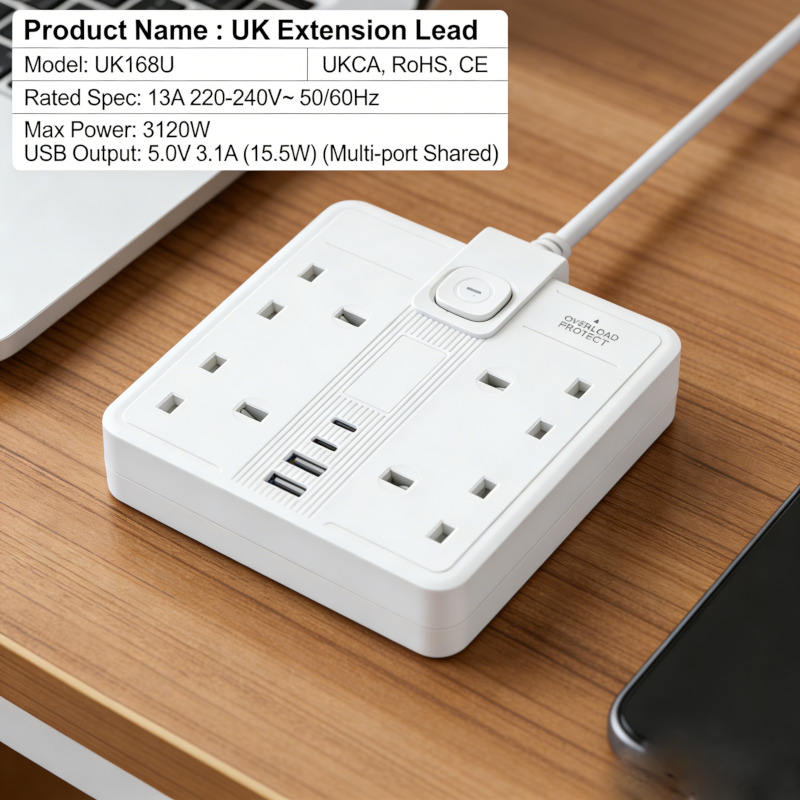
| United Kingdom | UKCA Marking, BS 1363 Standard |
| China | CCC (China Compulsory Certification) |
| Australia & New Zealand | SAA Approvals, AS/NZS Standards |
Why Certifications are Non-Negotiable
A safety certificate verifies that the product has passed rigorous independent laboratory stress testing. This includes temperature rise evaluations, dielectric voltage-withstand tests, mechanical impact testing, glow-wire flammability testing, and abnormal fault simulation.
For international importers, sourcing uncertified power strips from non-compliant factories leads to customs seizures, devastating product liability lawsuits, market recalls, and permanent brand damage.
5.2 Evaluating Power Cord Specifications and Copper Purity
The power cord carries the entire electrical load of the strip. Substandard cables cause high resistance, voltage drops, and excessive heat generation.
When sourcing high-quality power cables, check three variables:
1.Conductor Material: Insist on 99.9% high-purity, oxygen-free stranded copper. Avoidcopper-clad aluminum (CCA) or recycled copper alloys, which exhibit significantly higherresistance and poor mechanical flexibility.
2.Cross-Sectional Area (Wire Gauge): Higher currents require thicker copper cores.Common international standards include 0.75mm2, 1.Omm2, 1.5mm2, and 2.5mm2(or corresponding AWG sizes like 14AWG/16AWG in the US). Ensure the gauge matchesthe rated current.
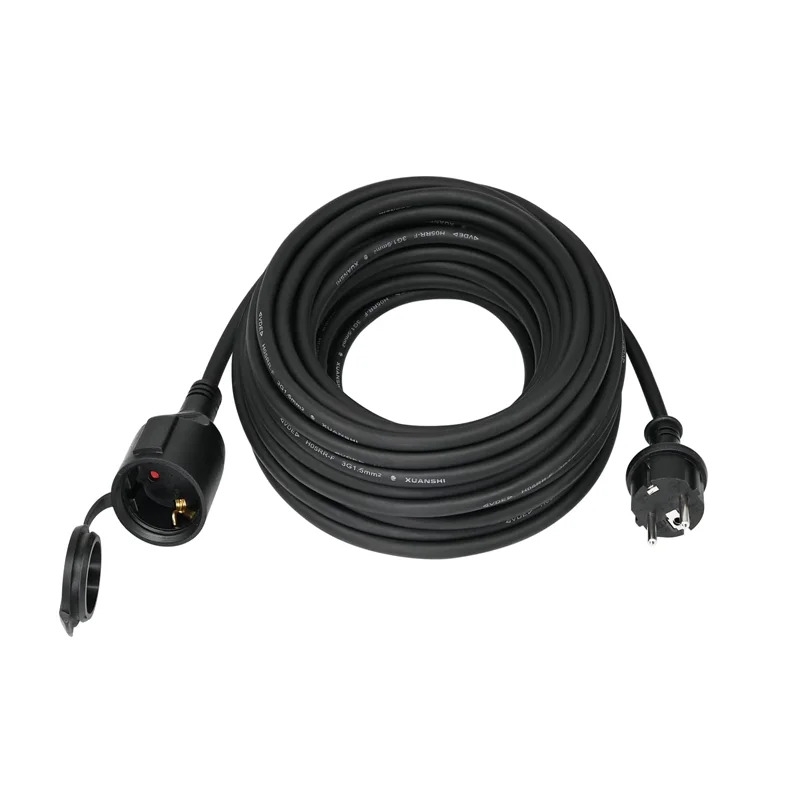
3. Insulation Jacket Quality: Premium cables use heavy-duty PVC (e.g., H05VV-F) or synthetic rubber (e.g., H07RN-F for outdoor heavy-duty application) that offer excellent abrasion resistance, thermal stability, and dielectric strength.
5.3 Enclosure Materials: Absolute Flame Retardancy
The plastic outer casing must act as a containment shield against internal electrical faults. Cheap power strips utilize low-grade ABS or recycled plastics that burn easily and release toxic smoke.
Professional OEM manufacturers utilize high-grade Polycarbonate (PC), flame-retardant ABS, or engineered nylon alloys. These materials feature:
High Thermal Tolerance: Resistance to warping under high-heat conditions.
Self-Extinguishing Properties: Compliance with standards like UL94 V-0, meaning the plastic stops burning within 10 seconds after a flame source is removed, preventing the spread of structural fires.
6. The Engineering Complexity of Modern USB Power Strips
Integrated USB power strips—featuring USB-A and USB-C Power Delivery (PD) ports—have become highly sought after because they eliminate bulky charging bricks for phones, tablets, and accessories.
However, from an OEM manufacturing standpoint, adding USB ports shifts a power strip from a basic passive hardware product into an active electronic device. The housing must now contain a miniature AC-to-DC switch-mode power supply (SMPS), including an integrated PCB, transformer, voltage regulators, and microchips.
Essential Safety Protections for Quality USB Modules
To prevent damage to expensive connected smartphones or laptops, a high-quality integrated USB module must feature:
Over-Current Protection (OCP): Shuts down output if the device draws safely exceeding currents.
Over-Voltage Protection (OVP):Clips spikes to protect downstream electronics.
Short-Circuit Protection (SCP): Instantly cuts power if a cross-connection occurs.
Over-Temperature Protection (OTP):Throttles or shuts down charging if the internal transformer runs too hot.
EMC/EMI Shielding: Filters out electromagnetic interference that disrupts touchscreens or Wi-Fi signals.
The Financial and Safety Risk of Ultra-Low-Cost USB Strips
To hit aggressively low price points, generic factories omit safety ICs, eliminate isolation barriers between high-voltage AC and low-voltage DC sides, use inferior capacitors, and skip electromagnetic compatibility (EMC) filtering. This results in unstable charging, ruined phone batteries, and severe fire risks due to component breakdown.
7. Supply Chain Evaluation: What Makes a Reliable OEM Power Strip Factory?
For global importers, purchasing agents, and corporate distributors, picking an OEM vendor solely based on an Excel quotation sheet is a critical mistake. A reliable manufacturing partner must possess verifiable operational capabilities:
7.1 Vertical Integration & Production Infrastructure
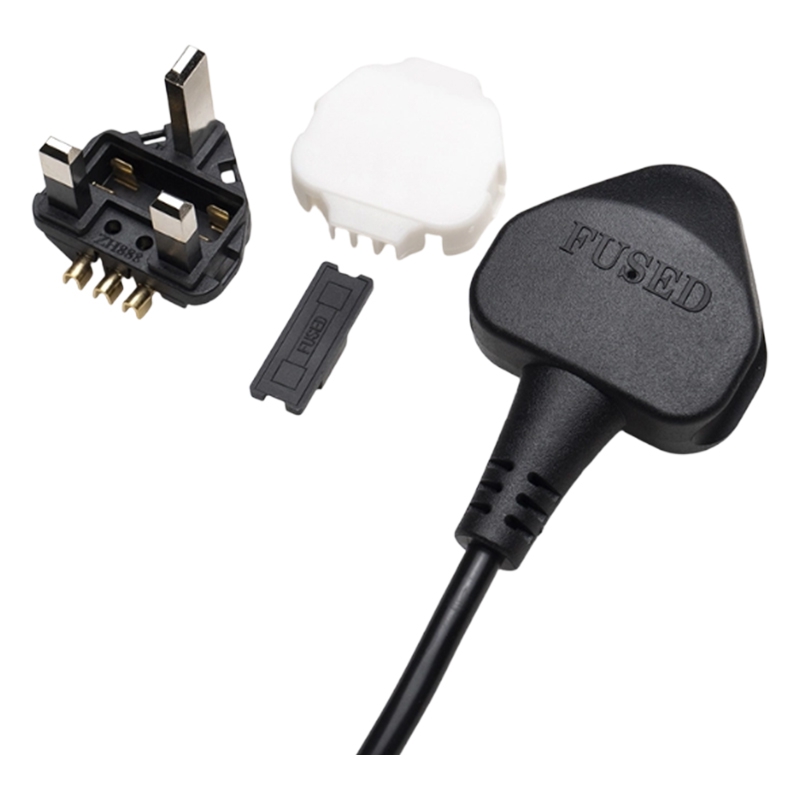
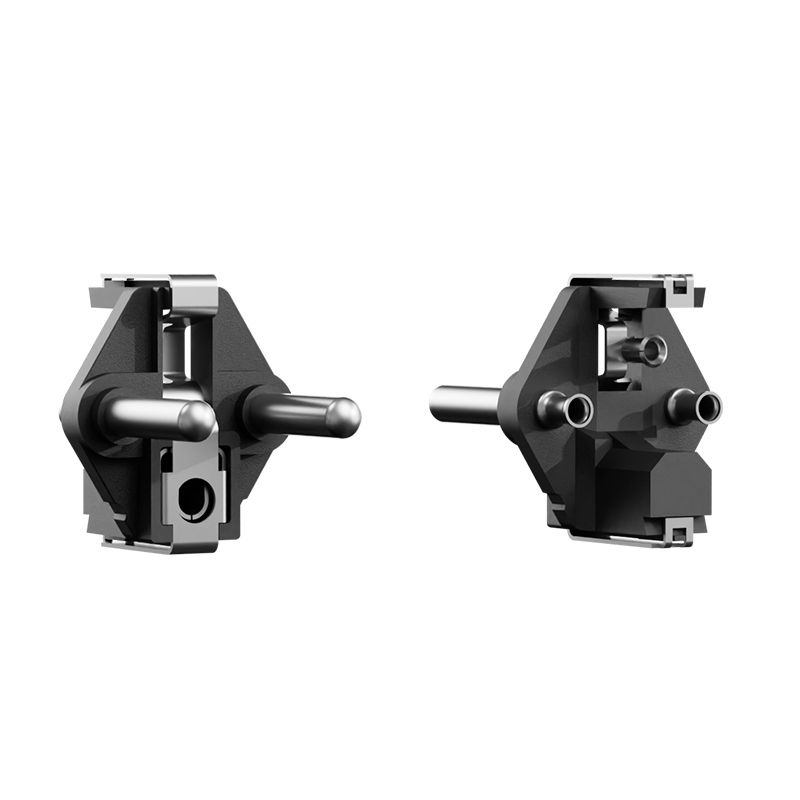
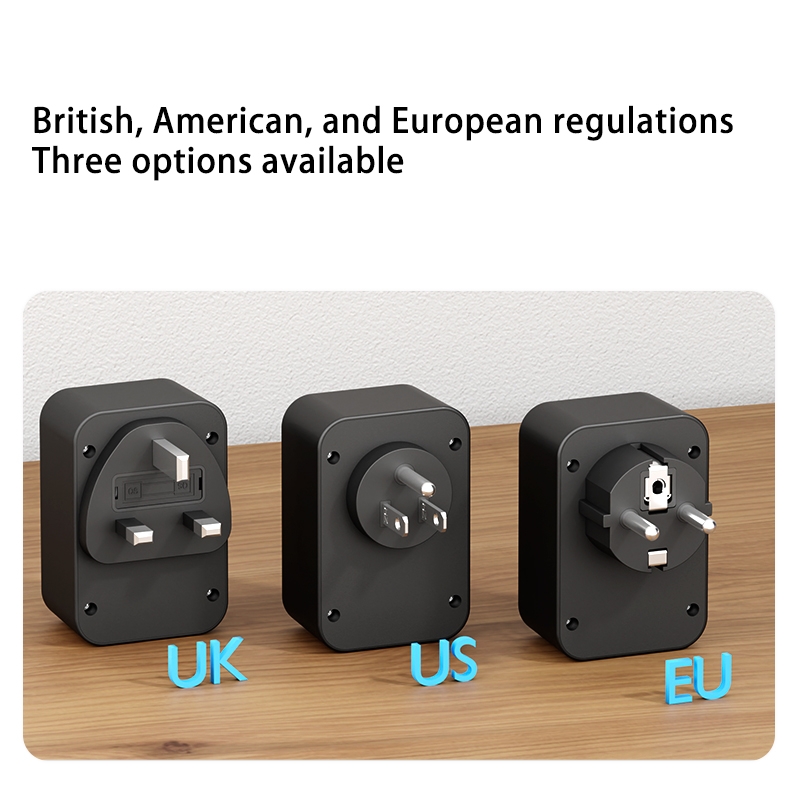
In-House RD and Engineering:The ability to engineer distinct mechanical designs for global regional standards (Schuko/Euro, British BS1363, American NEMA, Australian AS3112).
Tooling and Injection Molding: Total control over mechanical tolerances, assembly precision, and structural wall thicknesses.
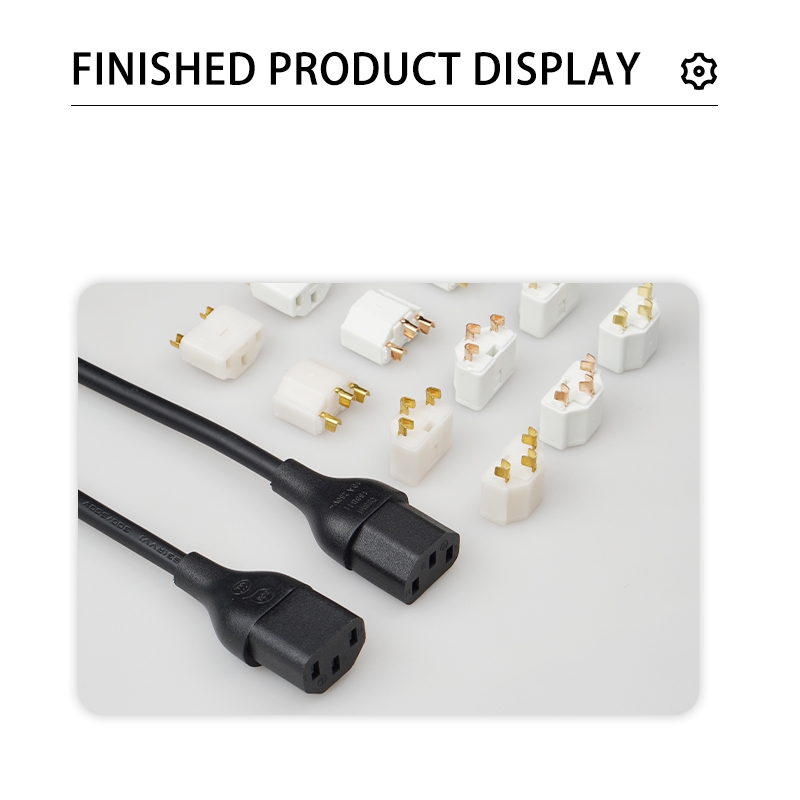
Cable Extrusion Lines: In-house drawing, twisting, and over-molding of copper conductors and plugs to verify raw material authenticity.
Automated Final Assembly: Eliminating manual soldering errors via automated spot-welding and continuous conveyor assembly lines.
7.2 Strict Quality Control and Reliability Testing Protocols
A reputable factory must provide transparent traceability reports covering three distinct testing phases:
Inbound Quality Control (IQC):Spectrometer validation of copper purity, resin flammability ratings, and PCB component validation.
In-Line Quality Control (IPQC):100%automated Hi-Pot (dielectric withstand) testing, continuity checking, and polarity screening on the active line.
Reliability Testing Lab Operations:Continuous cycle testing for socket insertion/withdrawal lifespan, flex-testing for power cords, salt-spray testing for corrosion on metal contacts, and oven-aging chambers.
8. International Procurement Checklist for Sourcing OEM Power Strips
If you are currently evaluating power strip suppliers in China or Southeast Asia, utilize this strict verification checklist during auditing:
Factory Capability & Infrastructure
Is the supplier a direct manufacturer with a physical facility, or a trading company?
Do they possess internal injection molding machinery and automated testing lines?
Do they offer comprehensive, fully customized OEM/ODM services (custom lengths, colors, shell adjustments)?
Do they have a proven track record of exporting to high-barrier markets (US, EU, Japan)?
Compliance & Customization Support
Can they provide genuine, verifiable UL, ETL, CE, VDE, or SAA test reports matching their factory name?
Do they offer multi-region configuration options (e.g., hybrid sockets or country-specific plugs)?
Do they support localized retail packaging engineering and compliance artwork design?
Quality Control & Commercial Terms
Do they conduct 100% high-voltage insulation and continuity tests on the production floor?
Will they accept independent, third-party pre-shipment inspections (e.g., SGS, Intertek, QIMA)?
What are the Minimum Order Quantities (MOQs) per SKU, prototyping lead times, and mass production timelines?
9. Insights from 20 Years in Power Manufacturing: Three Mistakes to Avoid
Over two decades of supplying major global retail brands, we have seen procurement teams make the same three costly mistakes during the sourcing phase:
Mistake 1: Prioritizing the Lowest Unit Cost Above All Else
Power distribution products are inherently tied to structural and personal safety. An abnormally low price point is a direct indicator of corner-cutting: thinner copper contacts, substituted low-grade plastic resins, skipped safety testing, or stripped-down USB charging circuits. Over time, this always leads to expensive product recalls, customer complaints, and legal liabilities.
Mistake 2: Overlooking Region-Specific Compliance Nuances
Every market has unique legal frameworks. For instance, exporting to the US without ETL/UL or exporting to Europe without valid CE/RoHS documents will lead to customs impoundment, heavy regulatory fines, and immediate platform bans on sites like Amazon. Always clear compliance hurdles before production.
Mistake 3: Ignoring Internal Mechanical and Metallurgical Architecture
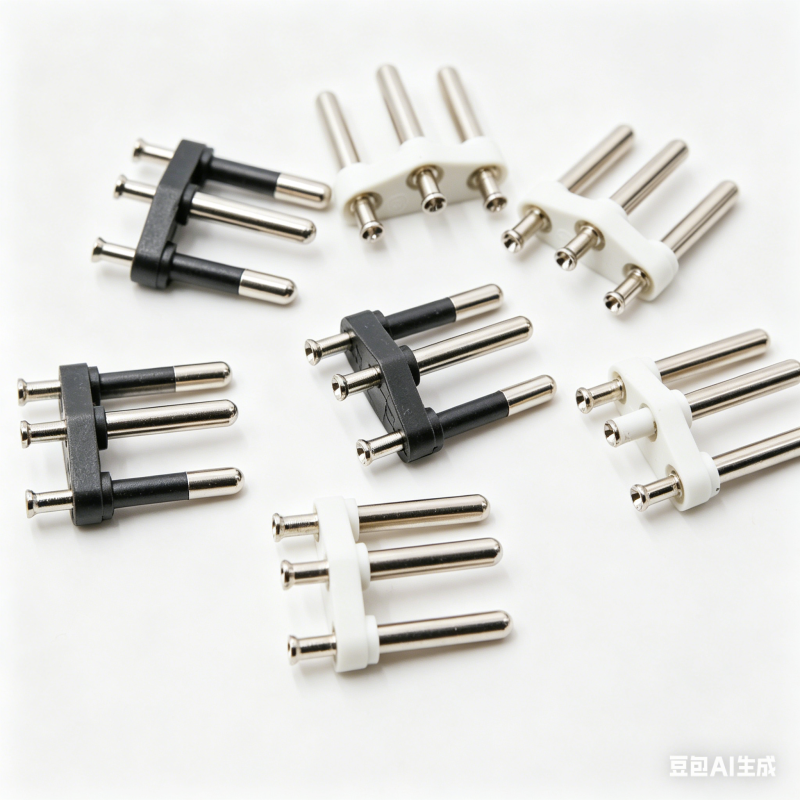
Two power strips can look virtually identical on the outside, but their internal engineering can be entirely different. One might use cheap, stamped brass strips with poor elasticity that loosen after 100 uses, while the other features high-thickness, integrated phosphor bronze busbars designed for 10,000+ insertion cycles. Never judge an electrical safety product solely by its plastic shell.
Conclusion: Let Power Safety Drive Your Brand's Competitive Advantage
A power strip may look like a simple piece of plastic and wire, but it is a complex intersection of electrical safety, materials science, global compliance, and precision manufacturing.
For the Everyday Consumer: Smart usage habits and respecting electrical limits matter far more than just finding a strip with the most outlets.
For Brands and Procurement Managers:Securing an experienced, highly certified OEM manufacturing partner is the single most critical factor in guaranteeing your product's long-term commercial success and safety profile.
At TISDLIP we specialize in the engineering, customization, and high-volume production of premium extension leads, heavy-duty power cords, and smart USB power distribution solutions. Backed by over 20 years of dedicated OEM manufacturing experience, we serve as the trusted supply chain partner for global brands, wholesale distributors, and consumer electronics enterprises worldwide.
If you are looking to secure a reliable, fully compliant power strip OEM manufacturer in China, contact our engineering team today to receive product blueprints, compliance analysis, and tailored manufacturing quotations.
Frequently Asked Questions (FAQ)
Q1: Does a power strip with more outlets naturally handle more total power?
No. The power capacity of an extension strip is strictly governed by its internal copper thickness, cable wire gauge, and rated current/voltage limits. The number of outlets simply allows more devices to be connected simultaneously; it does not change the maximum safe total wattage.
Q2: Is it ever safe to plug one power strip into another?
No, this is highly discouraged. Daisy-chaining bypasses safety design parameters and can easily cause overloaded circuits at the primary wall tap, creating extreme fire hazards without tripping standard consumer fuses or breakers immediately.
Q3: What common household appliances should never be plugged into a standard power strip?
High-wattage thermal or motorized appliances should always be connected directly to fixed wall infrastructure. This includes space heaters, electric kettles, induction cooktops, microwave ovens, air fryers, and domestic baking ovens.
Q4: Are USB-equipped power strips completely safe?
Yes, provided they are manufactured by a reputable factory and possess recognized market safety certifications (like UL, CE, or TUV). Cheap, generic USB strips often omit vital protection circuitry, leading to localized overheating or erratic voltage output that can destroy connected devices.
Q5: What is the most critical factor when selecting an OEM power strip manufacturer in China?
Look for vertical manufacturing integration, verified ownership of testing laboratories, and a deep portfolio of authentic, current safety certifications matching your destination market.
References & Compliance Sources
1. International Electrotechnical Commission (IEC): Home of global standardization for electrical technologies. ([https://www.iec.ch/])
2. National Fire Protection Association (NFPA): USA guidelines on electrical fire prevention and safety codes. ([https://www.nfpa.org/])
3. Electrical Safety Foundation International (ESFI): Dedicated exclusively to promoting electrical safety in home and industrial environments. ([https://www.esfi.org/])
4. Underwriters Laboratories (UL Solutions): Global safety science leader for power strip and component evaluation standards. ([https://www.ul.com/])
5. Intertek ETL Certification: International testing, inspection, and product safety certification database. ([https://www.intertek.com/])
6. VDE Testing and Certification Institute: European testing center for electrical engineering devices and components. ([https://www.vde.com/])
7. UK Government UKCA Marking Guidance: Official legal framework for placing electrical goods on the market in Great Britain. ([https://www.gov.uk/guidance/using-the-ukca-mark])
8. European Commission CE Marking Directives: Regulatory portal for Single Market economy compliance. ([https://single-market-economy.ec.europa.eu/single-market/ce-marking])
9. State Administration for Market Regulation (SAMR): The official body governing product quality control and CCC standards in China. ([https://www.samr.gov.cn/])
10. National Public Service Platform for Standards Information: Database for access to Chinese GB/T manufacturing safety laws. ([https://std.samr.gov.cn/])



 Email
Email