

EU Extension Socket Complete Guide: Types, Standards, Selection Tips, Safe Use
Content Menu
● What Is an EU Extension Socket? Classification and Standards Deep Dive
● Four Golden Rules for Selecting High-Quality EU Extension Sockets (B2B Procurement & B2C Buying)
● Practical Use Scenarios and Cross-Border Conversion
● Factory-Level Maintenance & Safety Practices to Extend Service Life
● EU Continental vs. UK Extension Sockets: Quick Comparison Table
● Frequently Asked Questions (FAQ)
As a source factory in Guangdong, China, with over 20 years specializing in global power cords, extension sockets, and plug inserts, our team at Dongguan Zhenghao Electric regularly works with European importers, procurement managers, and end-users. In B2B sourcing and everyday cross-border use, many still confuse "European continental" (Schuko/Europlug) standards with the British system. This guide clarifies EU extension sockets from electrical engineering, European safety standards, materials science, and real application perspectives. We draw on production experience, third-party testing insights, and practical field feedback to help you select, use, and maintain high-quality products safely.
European grids typically run at AC 220–240 V / 50 Hz. Yet historical development left physical plug/socket standards non-uniform. Broadly, "EU extension socket" (or European power strip) covers multi-outlet devices compliant with relevant regional electrotechnical rules for safe power expansion. In engineering practice we strictly separate continental European types from the independent UK system.
What Is an EU Extension Socket? Classification and Standards Deep Dive

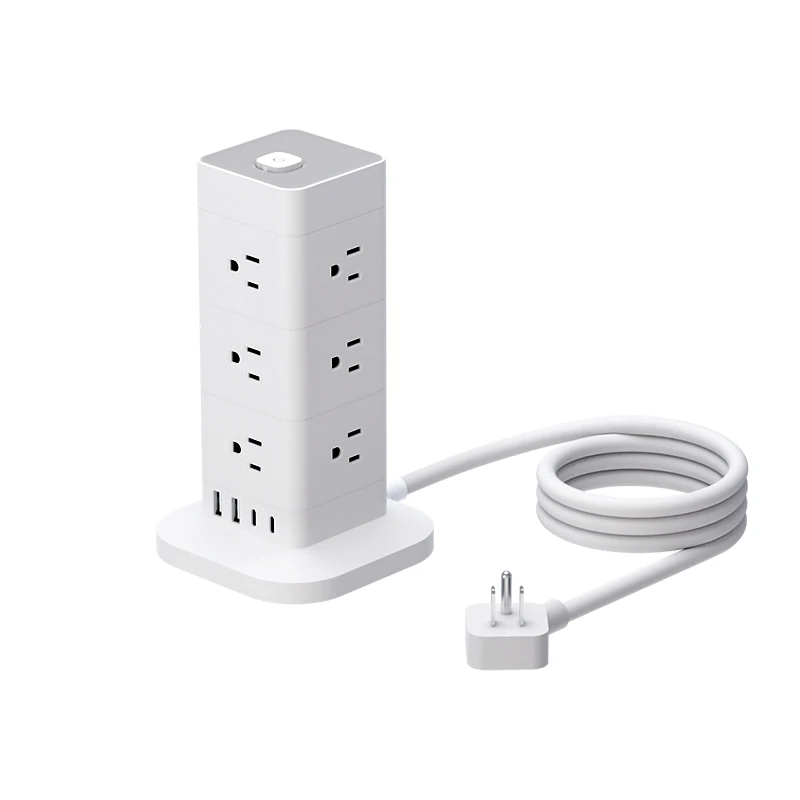
An EU extension socket (European power strip) is a portable multi-outlet device designed to expand available sockets while meeting the electrical and safety requirements of target European markets.
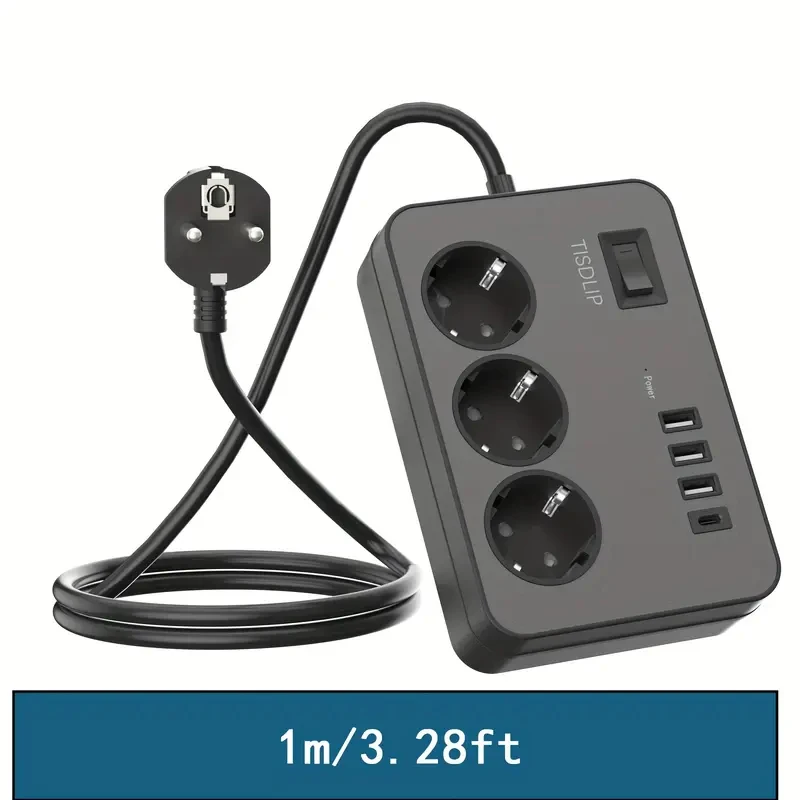
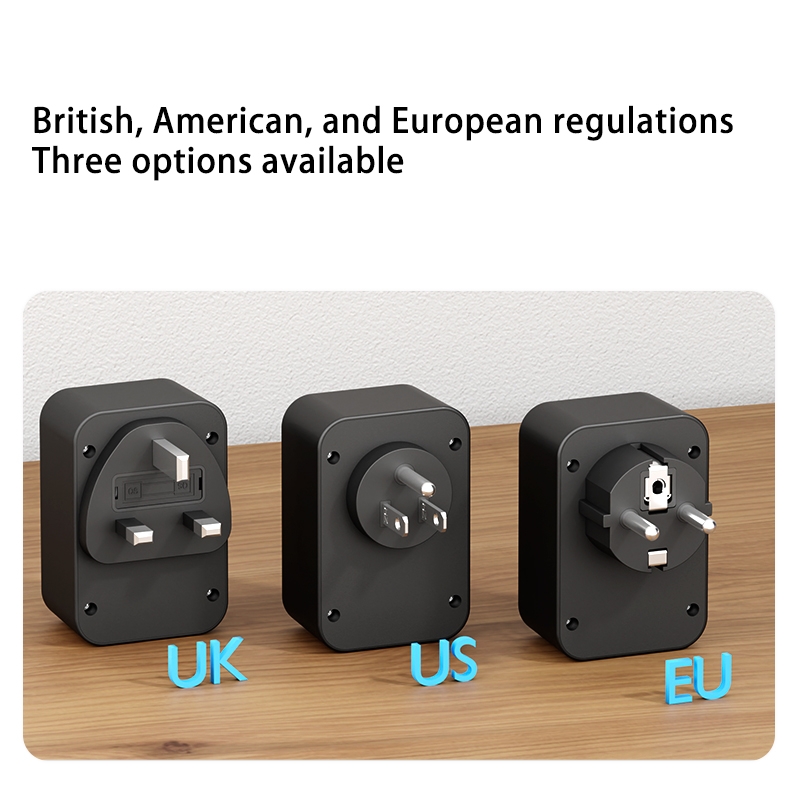
(1) German/French/Continental European Standards (Schuko & Type E – Core for Most of Mainland Europe)
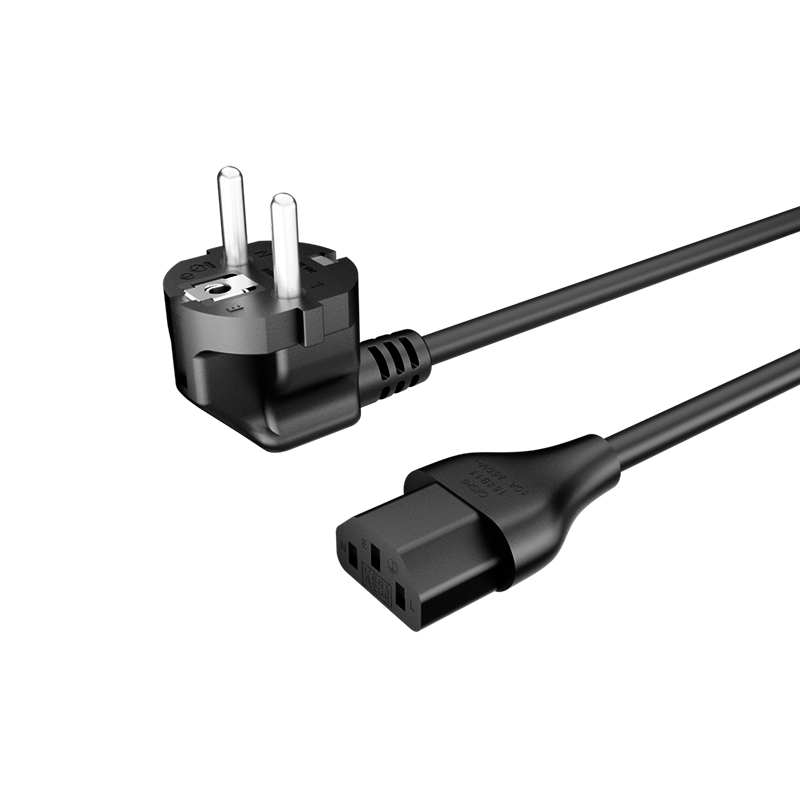
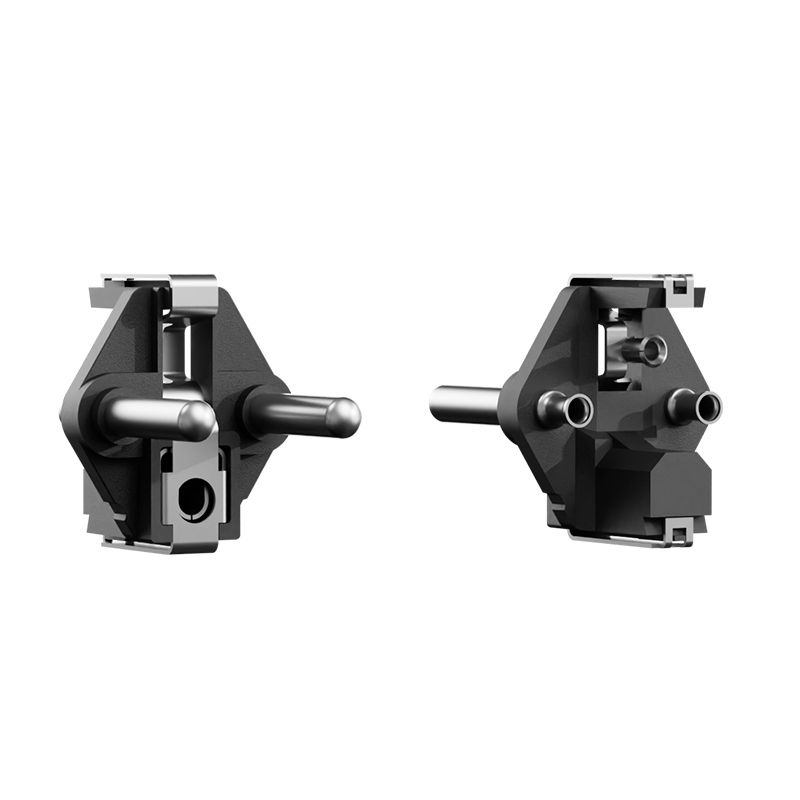
- Type F (Schuko, CEE 7/3 socket / CEE 7/4 plug) and Type E (French): Dominant across Germany, France, Spain, Netherlands, Austria, Poland and many others.
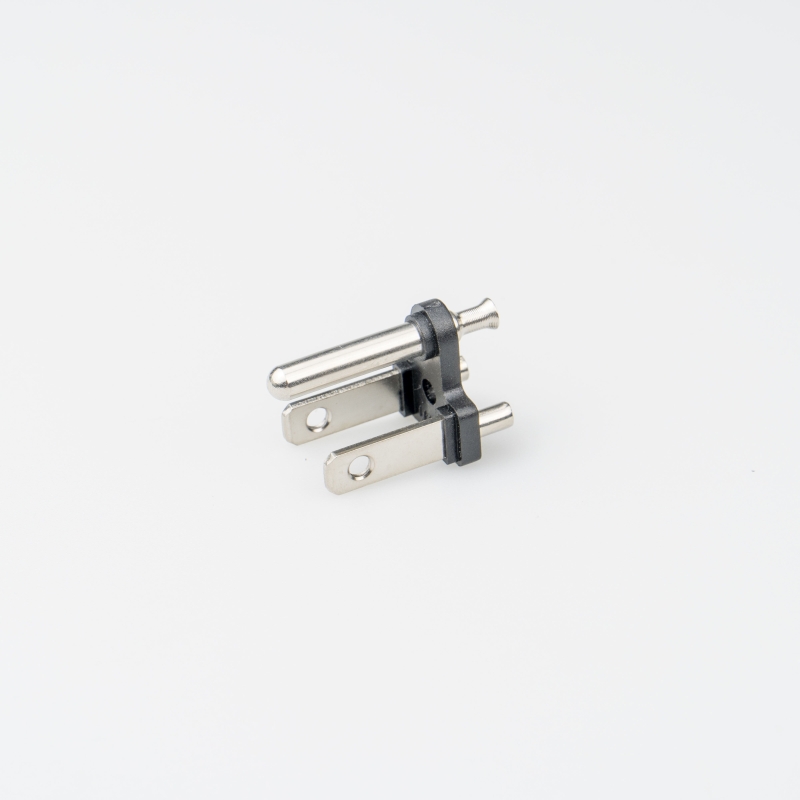
Physical features: Recessed circular sockets with two round pins of ⌀4.8 mm.
Earthing: Type F uses side spring clips (Schuko); Type E uses a protruding male earth pin in the socket. Modern high-quality plugs are CEE 7/7 hybrids that fit both systems. Rated typically 16 A / 250 V.
- Europlug (Type C, CEE 7/16): Two thinner ⌀4.0 mm pins, ungrounded, limited to ≤2.5 A for Class II low-power devices (phone chargers, shavers).

(2) Swiss (Type J) and Danish (Type K) Variants
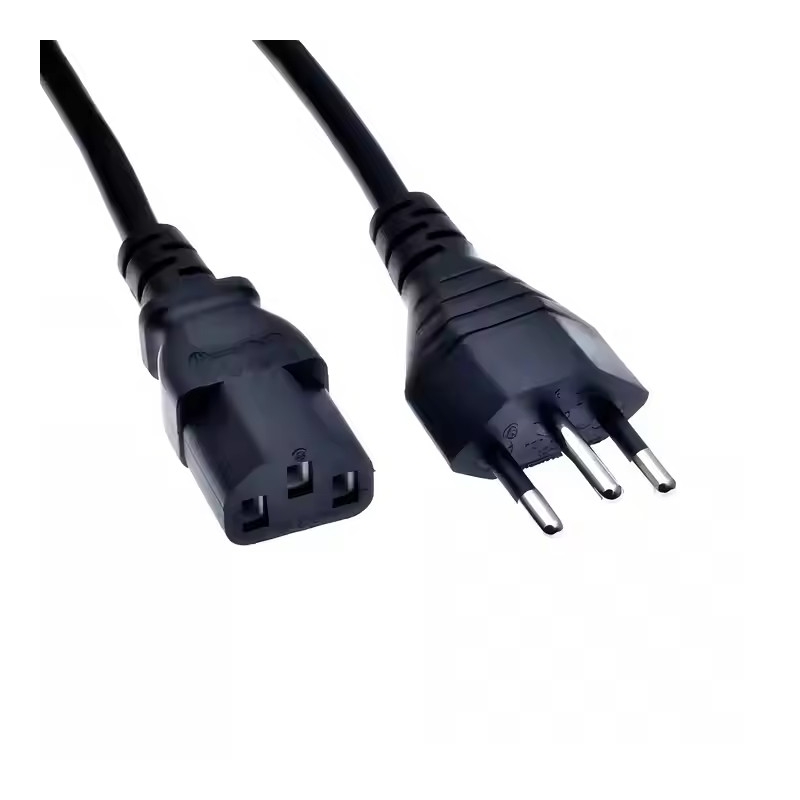
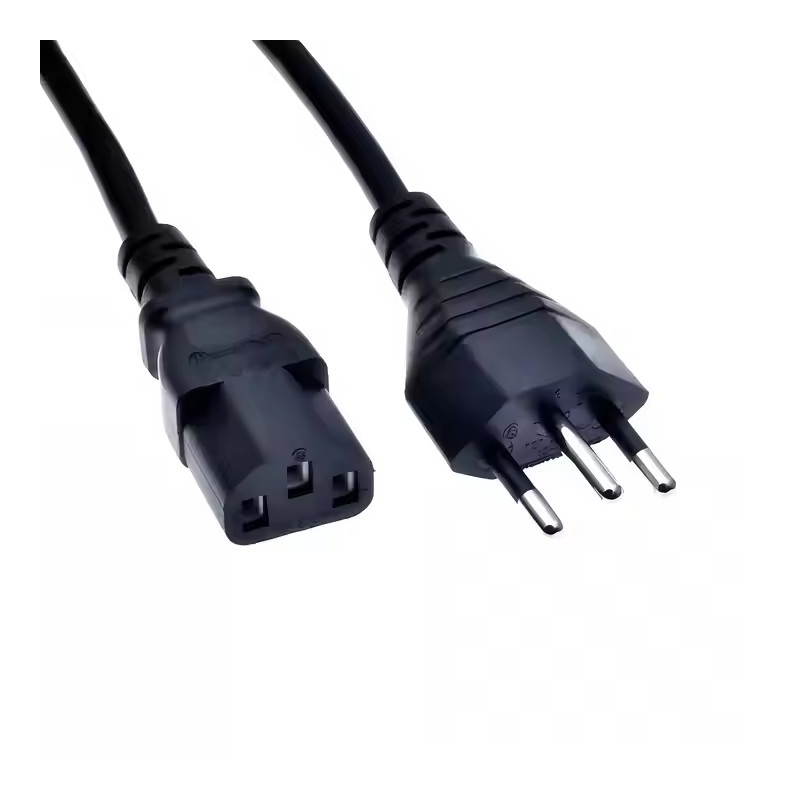
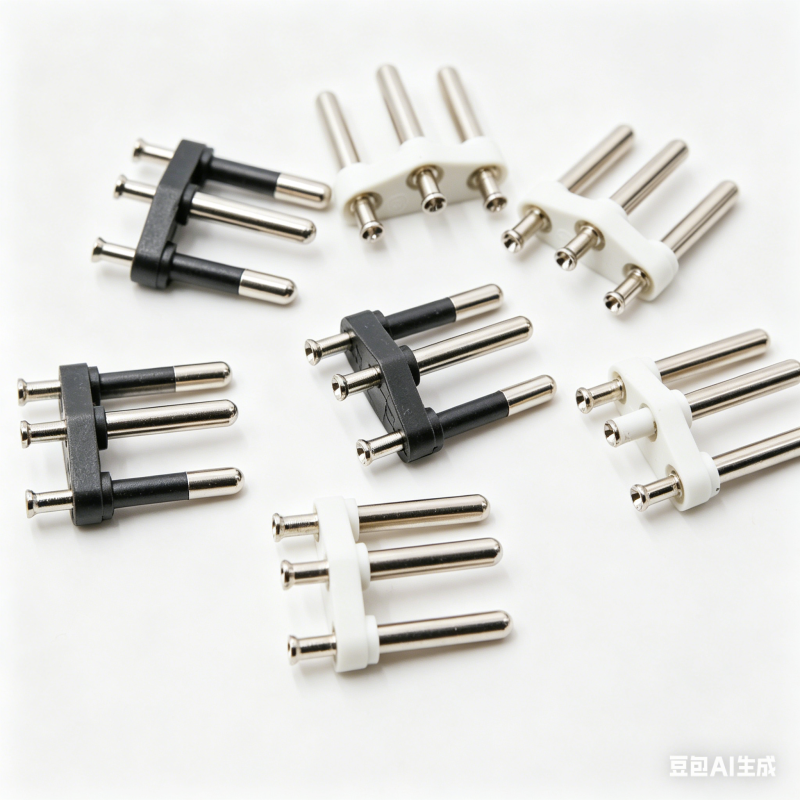
Swiss Type J uses a compact flat equilateral-triangle three-round-pin layout that does not accept standard Schuko plugs directly. Danish Type K historically used a half-round earth pin; many installations now accept Schuko.
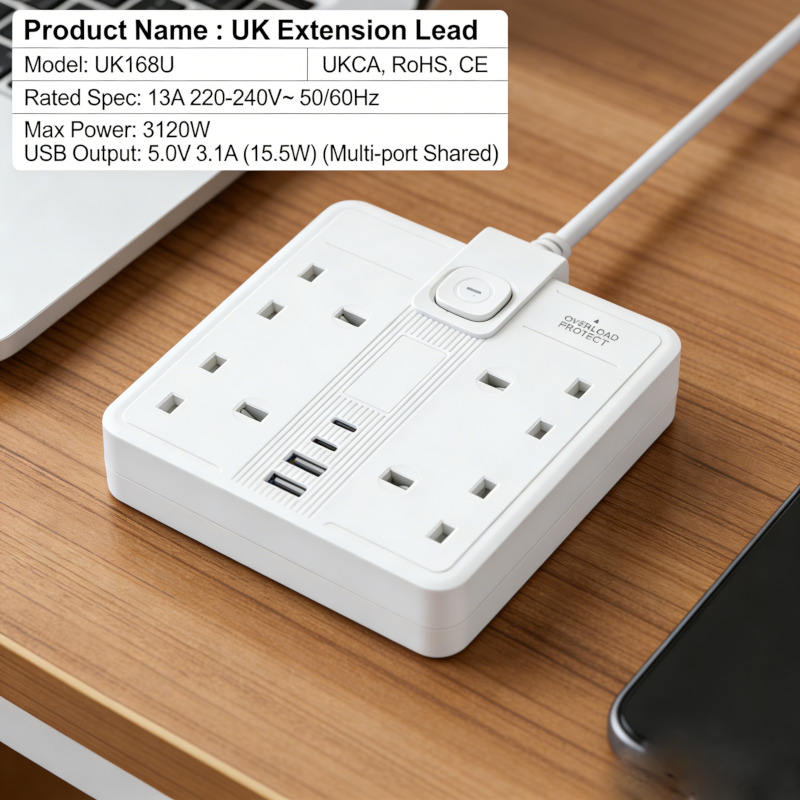
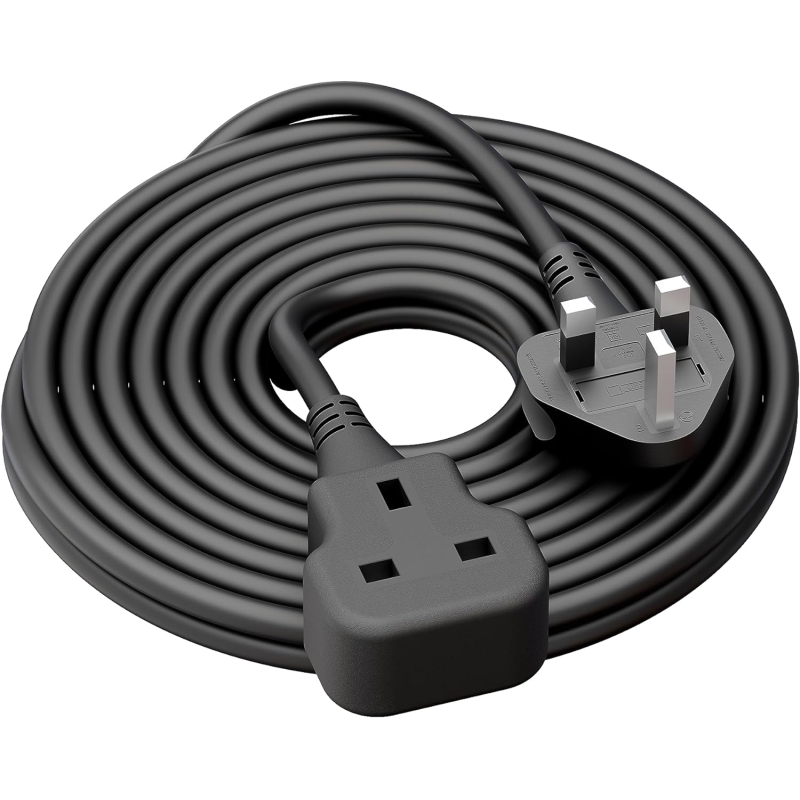
(3) UK Extension Lead (BS 1363 / Type G – Separate System)
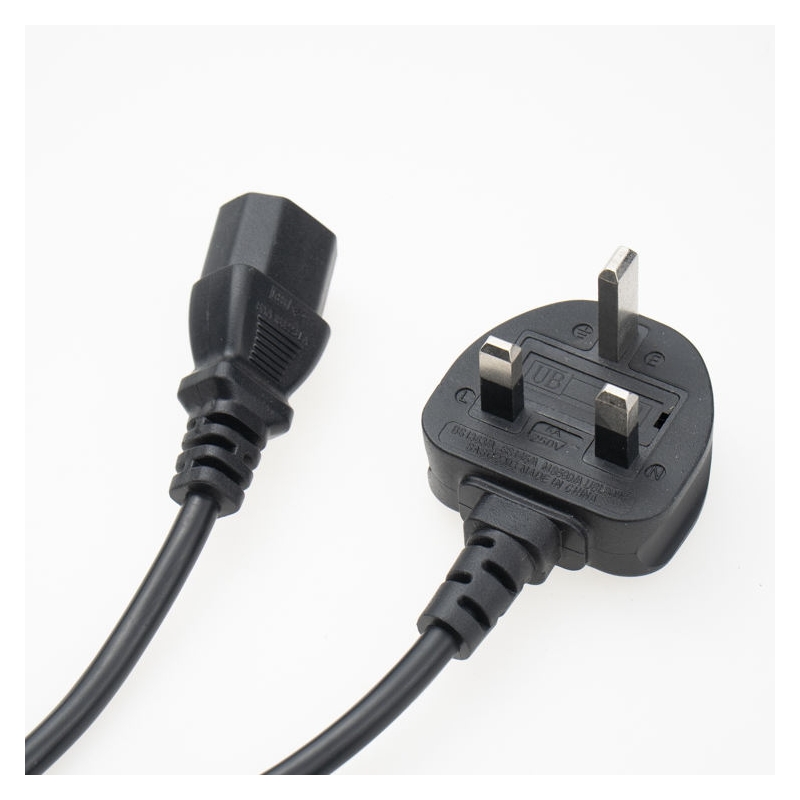
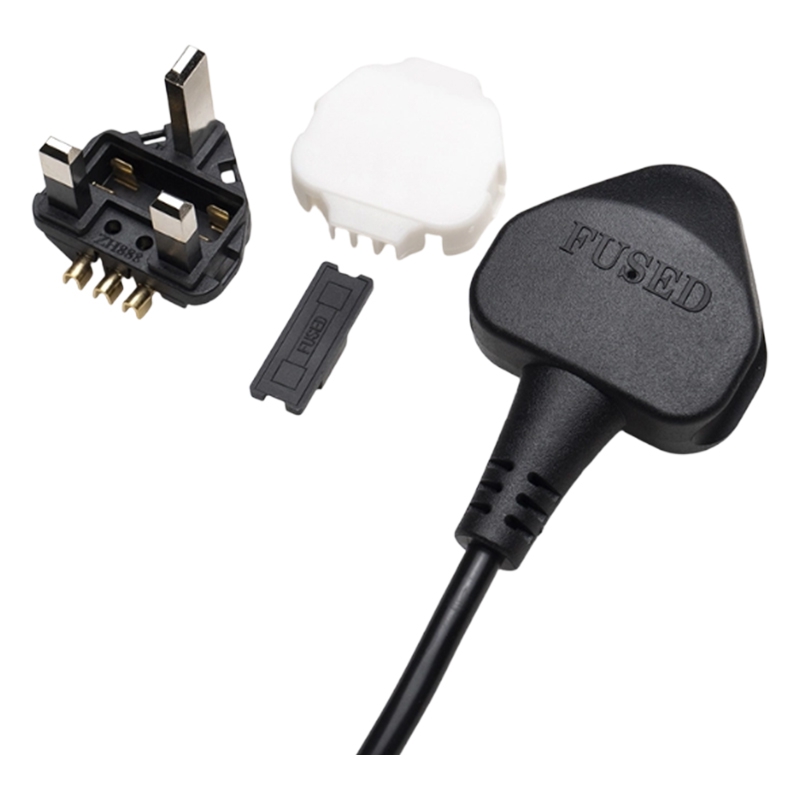
Applies to the UK, Hong Kong, Singapore, Malaysia, UAE and others. Three rectangular pins in a triangular arrangement, mandatory internal BS 1362 fuse (usually up to 13 A), insulated live/neutral pins, and safety shutters operated by the longer earth pin. Maximum practical rating is typically 13 A.

Four Golden Rules for Selecting High-Quality EU Extension Sockets (B2B Procurement & B2C Buying)
Facing crowded markets, prioritize these criteria grounded in production and testing experience:
1. Safety Certifications & Environmental Compliance
Minimum: CE marking (self-declaration under Low Voltage Directive). Prefer independent marks such as VDE (Germany), KEMA-KEUR (Netherlands), NF (France), or GS/ENEC. These verify temperature rise, mechanical strength, and construction to high standards. Also confirm RoHS and REACH compliance so housings and cables are free of restricted substances.
2. Cable Cross-Section & Load Rating
Always read the rating plate.
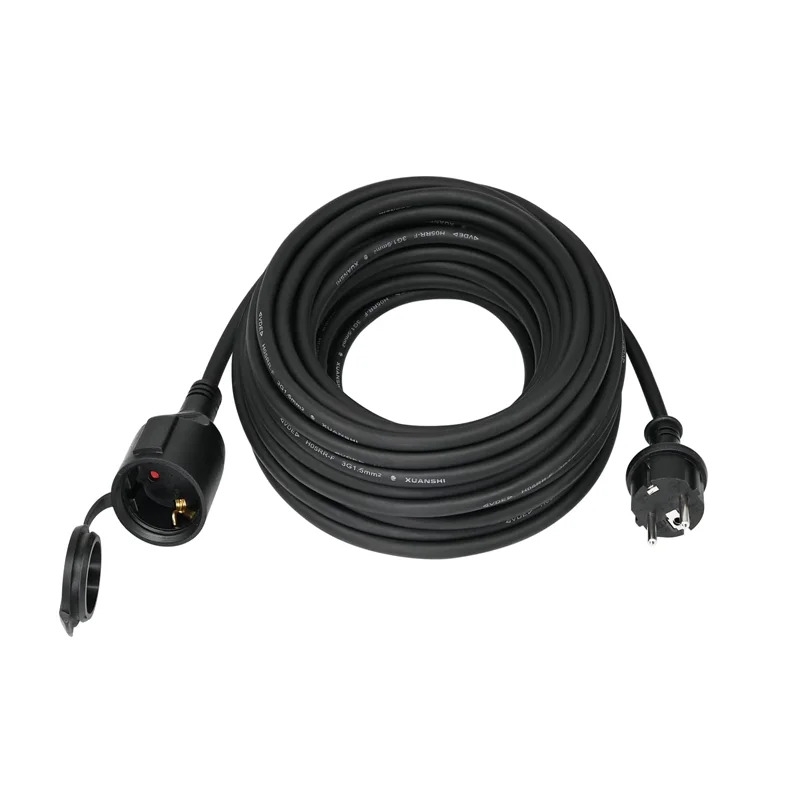
Standard continental (16 A / 250 V): up to 3680 W; pair with 3G 1.5 mm² cable (e.g., H05VV-F 3G1.5).
Medium (≈10 A): ~2300–2500 W with 3G 1.0 mm².
Light-duty (2.5 A Europlug style): low-power only, 2 × 0.75 mm².
Never exceed rated load.
3. Housing Material & Internal Copper Construction
Prefer flame-retardant PC or ABS that passes the 750 °C glow-wire test (self-extinguishing). High-end factories use one-piece phosphor-bronze stamped copper strips instead of hand-soldered wires. This improves conductivity, spring force, and insertion life (often 10 000+ cycles) while reducing hot spots.

4. User-Centric Safety Features
Child-resistant safety shutters (dual-hole interlock; single-hole force ≤75 N should not open).
Integrated surge protection (MOV) and resettable overload switch for sensitive electronics.
Individual switches and illuminated indicators for convenience.
New expert insight – Common procurement pitfalls we see: Many low-cost strips pass visual CE checks but fail long-term temperature-rise or shutter endurance tests. Request full test reports and, for volume orders, factory audits or sample batch testing against IEC 60884-2-7 (cord extension sets).
Practical Use Scenarios and Cross-Border Conversion
In continental Europe: Plug the EU extension socket directly into a compatible wall outlet. Schuko works widely, but Switzerland usually needs a dedicated adapter because of its tighter recessed design.
Bringing European appliances or strips to China or other non-EU regions: Use a proper national-standard converter. Never force ⌀4.8 mm pins into Chinese flat-pin sockets—this damages the contacts and creates arcing/fire risk.
Factory-Level Maintenance & Safety Practices to Extend Service Life
Extension sockets are consumables. Poor habits dramatically shorten life and raise fire risk. Based on our quality standards:
- Avoid daisy-chaining ("stringing") multiple strips and never concentrate high-load appliances (>2000 W heaters, kettles, etc.) on one strip. Fully unroll the cable—coiling under load causes inductive heating.
- Minimize physical insertion cycles for frequently used devices by using switched outlets. Always pull by the plug body, never the cable.
- Clean every 3–6 months: disconnect power, wipe with dry cloth or lightly dampened 75 % alcohol cloth, and dry completely before reuse. Dust + humidity can create tracking paths.
- Keep clear of carpets, bedding, bathrooms, and heat sources; ensure ventilation.
New practical section – Step-by-step pre-use inspection checklist (unique value for both consumers and facility managers):
1. Visual check for cracks, discoloration, or melted areas.
2. Verify rating plate matches intended load.
3. Test shutters and switches.
4. Confirm earth continuity if possible (multimeter).
5. Never use if any doubt exists—replace.
EU Continental vs. UK Extension Sockets: Quick Comparison Table
| Dimension | Continental EU (Schuko / Type E-F) | UK (BS 1363 / Type G) |
|---|---|---|
| Pin geometry | Two round ⌀4.8 mm | Three rectangular |
| Typical max current/power | 16 A / 3680 W | 13 A / ~3000–3250 W |
| Internal fuse | None (relies on circuit breaker) | Mandatory BS 1362 fuse |
| Main markets | Most of mainland Europe | UK, HK, Singapore, UAE etc. |
| Earthing method | Side clips or pin | Longer earth pin + shutters |
Frequently Asked Questions (FAQ)
Q1: Can a quality Schuko EU extension socket accept both ⌀4.0 mm Europlugs and ⌀4.8 mm plugs?
Yes. Well-engineered contact springs grip both securely. Cheap strips may loosen after heavy-pin use.
Q2: Can Chinese flat-pin appliances plug directly into an EU extension socket?
No. Use a certified national-to-European adapter.
Q3: Why can continental strips reach 3680 W while UK ones are limited to ~3250 W?
Continental design allows 16 A; BS 1363 is capped by the plug fuse at 13 A.
Q4: The switch light is on but there is no power—what's wrong?
Likely the overload protector tripped. Unplug high-load devices and press the reset button.
Q5: Is sparking during insertion normal?
Brief arcing with capacitive or high-inrush loads can be normal. Persistent sparking, burning smell, or blackened sockets means replace the strip immediately.
Q6: Are all "CE" marked strips equally safe?
No. Prefer third-party marks (VDE, KEMA, etc.) and request supporting documentation.
Call to Action
Whether you need reliable OEM/ODM EU extension sockets, custom cable lengths, or certified solutions for European markets, contact the Dongguan Zhenghao Electric team. We support volume buyers with full testing documentation, competitive factory pricing, and consistent quality. Visit our site or reach out for samples and quotations.
References
- CEE 7 / Schuko standards overview: Wikipedia Schuko and CEE 7 pages; Interpower and Morvan Trading technical notes. [https://en.wikipedia.org/wiki/Schuko] [https://www.morvantrading.co.uk/technical-cee7/]
- IEC 60884-2-7 (cord extension sets): IEC preview documentation.
- BS 1363: Wikipedia BS 1363 and related British standards pages. [https://en.wikipedia.org/wiki/BS_1363]
- Certification marks (VDE, KEMA, CE, RoHS/REACH): Industry-electronics and related certification explainers. [https://industry-electronics.com/knowhow/certification-marks]
- Company background: Official Zhenghao / TISDLIP sites confirming manufacturing focus and certifications. [https://www.zhtisdlip.com/] [https://tisdlip.com/]
- Power ratings and practical guidance: Multiple manufacturer technical datasheets and European electrical references confirming 16 A / 3680 W continental and 13 A UK limits.



 Email
Email