

Power Strip Safety Guide: What Yellowing, Sparks and Overheating May Mean
Content Menu
● Real Cases: Sparks at the Outlet and a Dryer That Nearly Started a Fire
● Why High-Power Appliances and Ordinary Power Strips Do Not Mix
● Hidden Aging Inside Electrical Outlets
● Warning Signs That Require Immediate Action
● Practical Rules for Safer Everyday Use
● How to Select Safer Power Strips and Extension Leads
● Additional Expert Insight: Building a Simple Home Electrical Safety Routine
● Conclusion and Call to Action
Power Strip Safety and Electrical Outlet Hazards: Why Sparks, Overheating, and High-Power Appliances Demand Immediate Action
Yellowing outlets, sudden sparks when plugging in a device, or a power strip that grows warm under load are not minor annoyances. They are clear warning signs of power strip overheating, electrical outlet overheating, and elevated power strip fire risk. As someone who has spent years in the power-connection industry manufacturing and testing power cords, extension leads, and power strips, I have seen how quickly these issues escalate from "still works" to melted plastic, arcing, and residential fires.
Home electrical structure fires remain a persistent threat. According to the National Fire Protection Association (NFPA), U.S. fire departments responded to an estimated annual average of 46,652 home electrical structure fires between 2020 and 2024. These fires caused roughly 527 civilian deaths, 1,580 injuries, and $2.4 billion in direct property damage each year. Electrical distribution, lighting, and power-transfer equipment are involved in a large share of these incidents.
Everyday habits—especially connecting high-power appliances to ordinary power strips or extension cords—amplify the danger. This article draws on real user cases, industry experience, and established safety principles to explain the risks of power strip overload, electrical outlet sparks, and improper use of extension leads, and to show practical steps for electrical fire prevention.

Real Cases: Sparks at the Outlet and a Dryer That Nearly Started a Fire
One homeowner reported that a wall outlet performed normally during the day while powering a multi-outlet strip. That evening, when inserting a plug, a bright spark flashed and the faceplate blackened instantly. From the outside the outlet still looked usable, yet internal contacts had degraded from repeated insertion cycles, oxidation, and cumulative heat. The sudden current draw produced an arc.
In another documented case, a customer plugged a clothes dryer into a standard power strip for convenience. After running for a period, the strip and plug showed clear burn marks, discoloration of the metal contacts, and melting of the plastic housing. Continued operation would have risked further conductor overheating, insulation failure, electric shock, and ignition of nearby combustibles. These scenarios illustrate why high-power appliances should rarely—if ever—rely on ordinary power strips.

Why High-Power Appliances and Ordinary Power Strips Do Not Mix
Dryers, space heaters, electric ovens, induction cooktops, electric water heaters, heat guns, and many power tools draw sustained high current. A typical residential power strip is rated around 13–15 A (roughly 1,500–3,250 W depending on voltage and region). When a high-draw device is connected—especially if other loads share the same strip—the internal copper contacts, wiring, and plug experience elevated resistance at any imperfect connection point.
Heat generation follows Joule's law: power dissipated as heat rises with the square of the current times resistance. Increased temperature accelerates oxidation of the metal surfaces, further raising resistance, which produces still more heat. The result is a self-reinforcing cycle:
Poor contact → higher resistance → rising temperature → more oxidation → worse contact → eventual melting, arcing, or fire.
This is the core mechanism behind power strip overheating and power strip overload. Daisy-chaining (plugging one strip or extension cord into another) multiplies contact points and compounds the risk. Extension cords with inadequate conductor cross-section create the same problem over longer runs.
Hidden Aging Inside Electrical Outlets
Many people assume an outlet is safe if the plug still inserts and power flows. In reality, the spring-loaded contacts behind the faceplate wear with every insertion and removal. Over years they lose elasticity, oxidize, or develop microscopic arcing damage. The degradation is invisible until a higher-than-usual load produces visible sparks, heat, or smoke. Yellowing or browning of the plastic panel is often an external sign that the outlet has already experienced prolonged elevated temperatures.
Warning Signs That Require Immediate Action
Stop using any outlet, power strip, or extension lead that shows:
- Yellowing, browning, or black scorch marks on the faceplate or around the slots
- Visible sparks or a sharp "crack" sound during insertion or removal
- Abnormal heat on the surface or plug
- Loose fit— the plug wobbles or falls out
- Burning plastic odor
- Deformed or melted housing

When any of these appear, de-energize the circuit, unplug devices, and have a qualified electrician inspect or replace the outlet. Continuing to use the circuit, especially with high-power loads, significantly raises the chance of short circuits, further melting, shock, or fire.
Practical Rules for Safer Everyday Use
1. Reserve ordinary power strips for low-draw electronics (computers, lamps, chargers, TVs). Plug heat-producing or motor-driven appliances directly into wall receptacles on appropriately rated circuits.
2. Never daisy-chain power strips or extension cords.
3. Calculate total load before connecting multiple devices. Add the wattage (or amperage) of every connected item and stay well below the strip's marked rating.
4. Replace aging or damaged products. Power strips and extension leads are consumable safety devices; contacts and insulation degrade over time.
5. Inspect regularly. A quick visual check of outlets and cords takes seconds and can prevent major incidents.
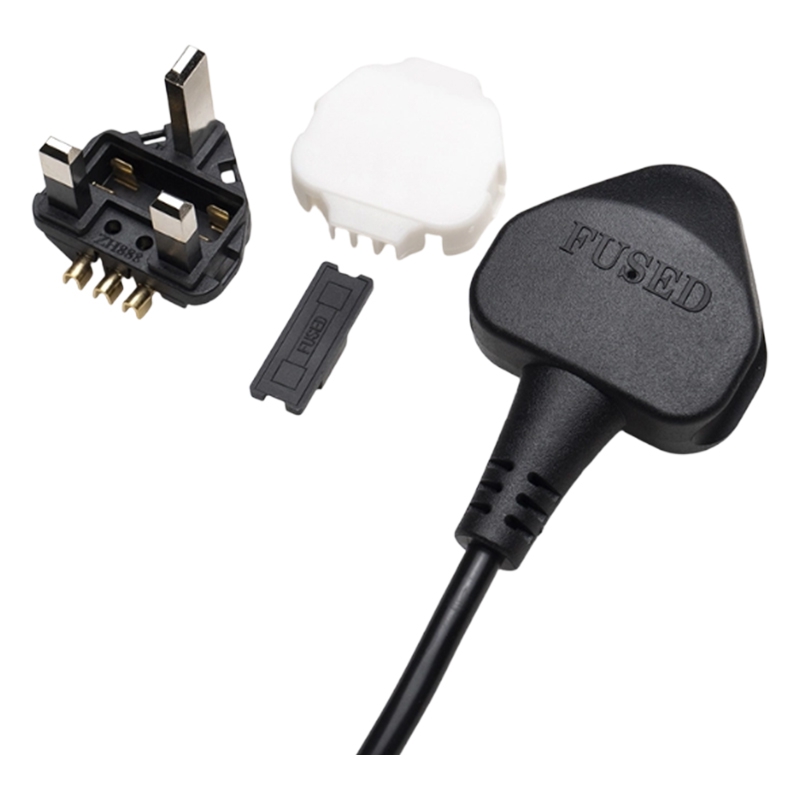
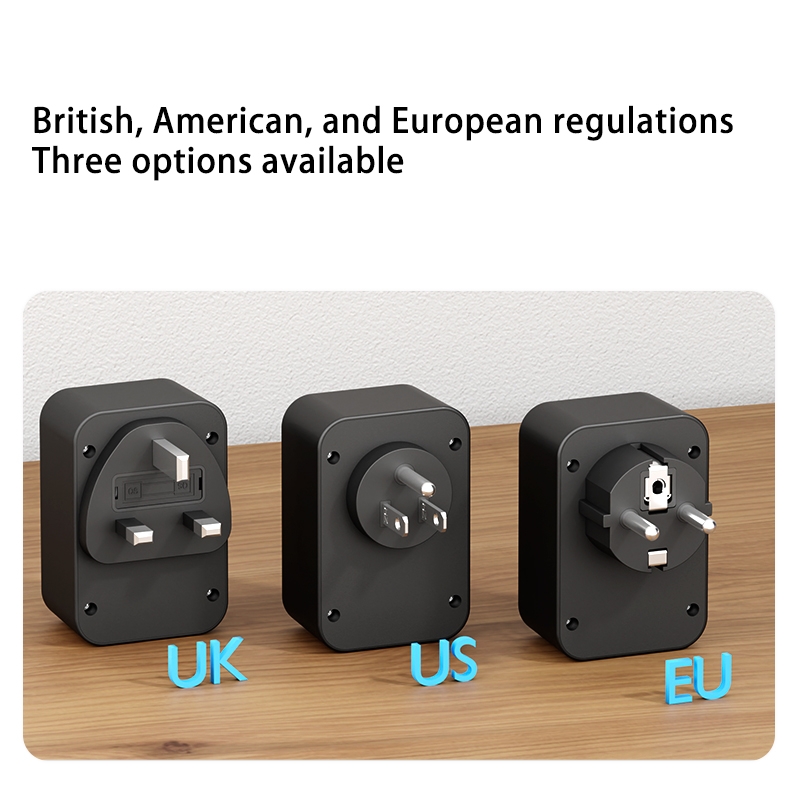
6. Choose products with appropriate ratings and certifications for your region (for example, BS 1363 for the UK, UL listing in North America, or equivalent). Look for clear ampere and wattage markings, adequate conductor size, and flame-retardant housings.

How to Select Safer Power Strips and Extension Leads
Beyond the number of outlets, evaluate:
- Rated current and maximum power
- Conductor cross-section matched to the intended load
- Plug and receptacle standards appropriate for the market
- Presence of over-current protection and, where useful, surge protection
- Flame-retardant materials and independent certification
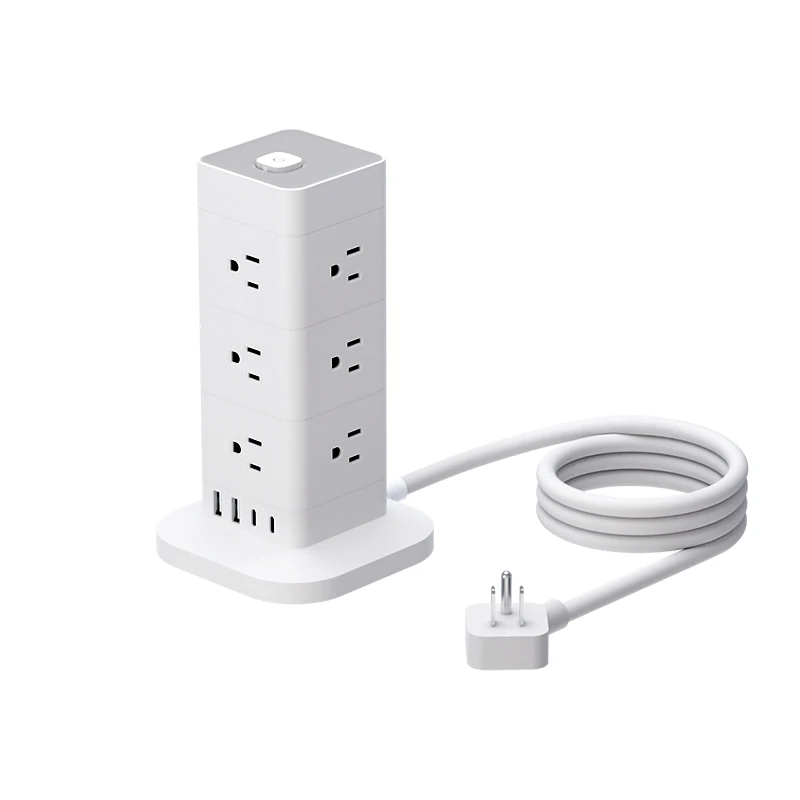
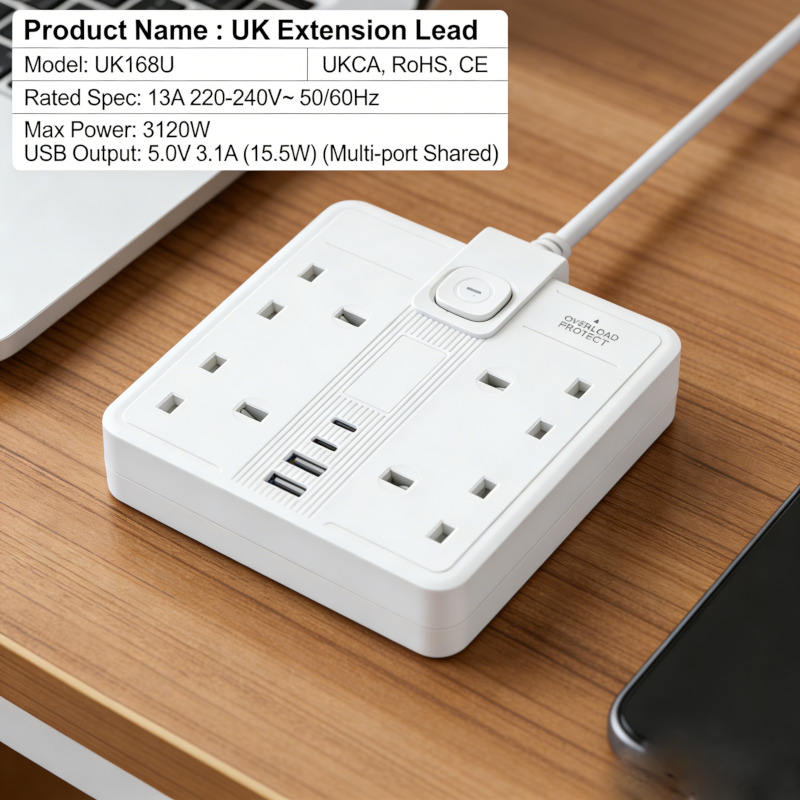
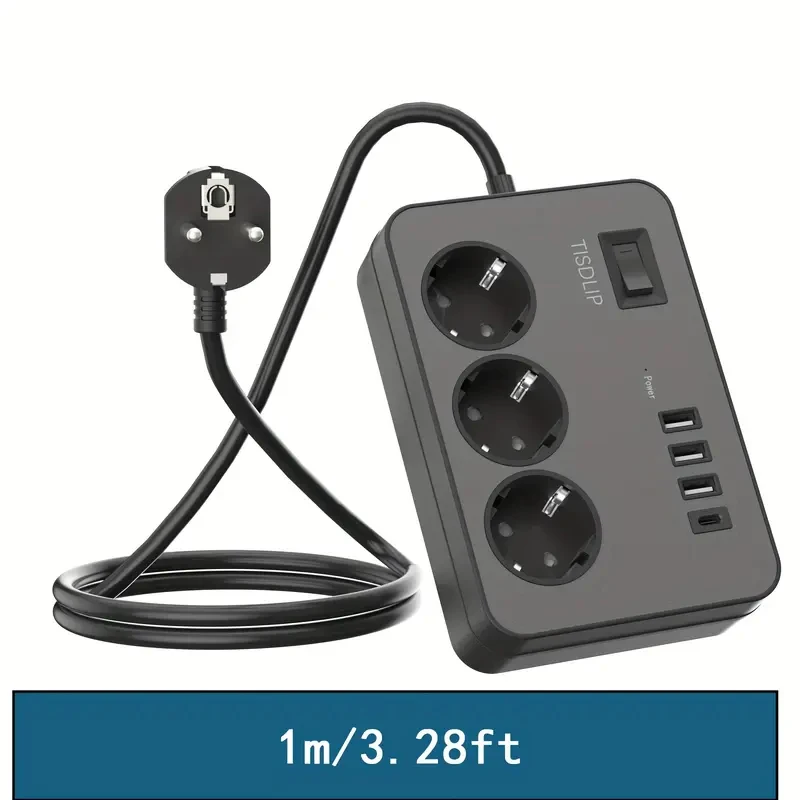
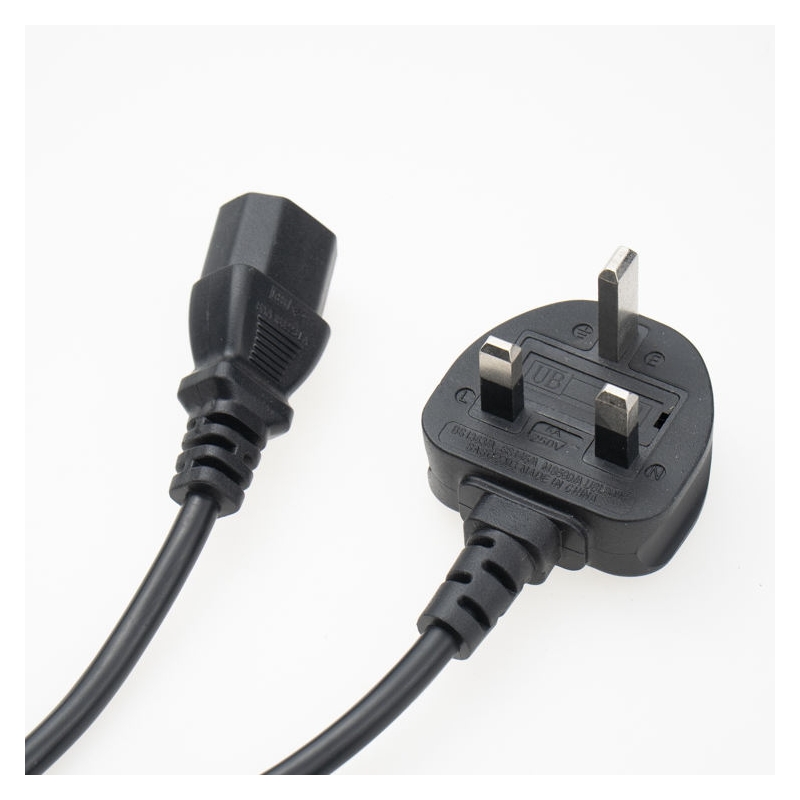
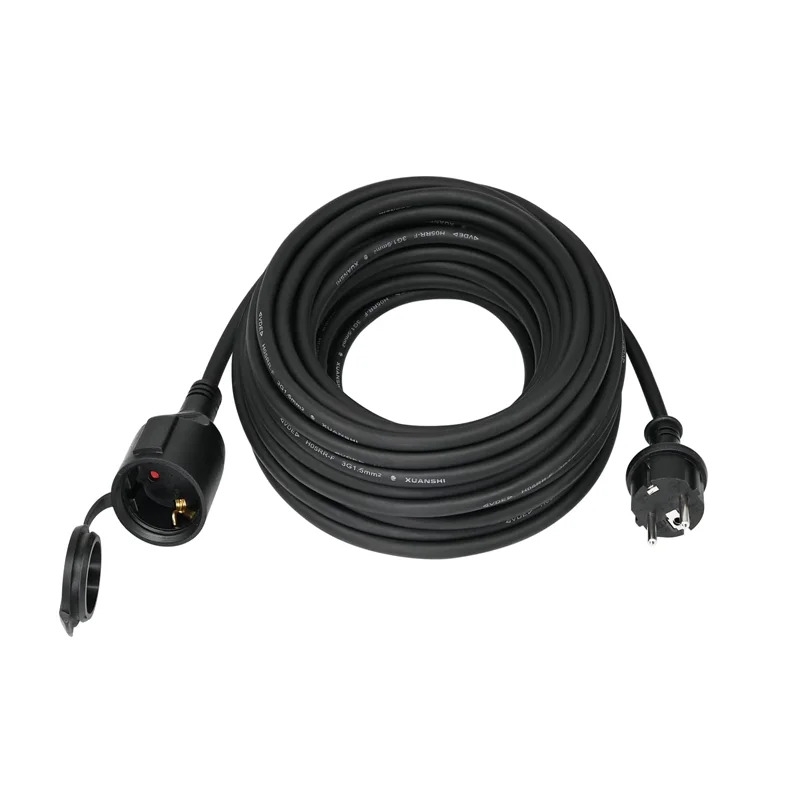
As a manufacturer focused on power cords, tisdlip extension leads, power strips, tower units, and IEC connectors TISDLIP, we emphasize matching current, voltage, wire gauge, and plug construction to the actual use environment and local standards. For OEM/ODM projects this matching process is essential to reduce field risk.
Additional Expert Insight: Building a Simple Home Electrical Safety Routine
One practical step many households overlook is a quarterly five-minute audit. Walk through each room, feel outlets and strips for warmth under normal load, look for discoloration, and note any high-draw devices still running through multi-outlet strips. Keep a short list of appliances that must have dedicated wall outlets. If a room lacks sufficient receptacles, the permanent solution is additional circuits installed by a licensed electrician rather than more temporary power strips. This routine, combined with smoke alarms on every level and working carbon-monoxide detectors, forms a low-cost, high-impact layer of electrical fire prevention.
Frequently Asked Questions
1. Can high-power appliances use power strips?
Generally no for continuous high loads such as dryers, space heaters, or ovens. Confirm the appliance's rated current against the strip's capacity and prefer a dedicated wall outlet on a properly protected circuit.
2. Is it normal to see sparks when plugging something in?
A tiny, brief spark can occur with inductive or capacitive loads, but frequent, bright, or noisy sparks indicate poor contact, damaged components, or overload and require inspection.
3. What should I do if a power strip feels hot?
Reduce or remove the load immediately, unplug the strip, and inspect for damage. Do not resume use until the cause is identified and corrected or the product is replaced.
4. Is daisy-chaining power strips or extension cords ever acceptable?
No. It multiplies contact points, increases resistance heating, and is prohibited by major electrical codes and safety standards.
5. Can a yellowed outlet still be used?
Not safely. Discoloration usually signals past overheating. Stop using the outlet and arrange professional evaluation or replacement.
6. How often should power strips and extension leads be replaced?
There is no universal calendar, but replace them at the first sign of wear, after any overheating event, or every few years of heavy use. Quality and load history matter more than arbitrary age.
Conclusion and Call to Action
Power strip safety, electrical outlet safety, and careful handling of high-power appliances are not abstract concerns—they are practical measures that protect lives and property. Yellowing panels, sparks, heat, and overloaded strips are early warnings, not inconveniences to ignore. By matching products to loads, avoiding daisy chains, inspecting regularly, and choosing certified equipment with adequate ratings, households can sharply reduce power strip fire risk and contribute to broader electrical fire prevention.
If any outlet or power strip in your home shows the warning signs described here, stop using it today and consult a qualified electrician. For manufacturers, distributors, and purchasers of power cords, extension leads, and power strips, prioritize designs and specifications that match real-world loads and regional standards—safety begins with the right product for the job.
References
- National Fire Protection Association (NFPA). Home Fires Caused by Electrical Failure or Malfunction (2020–2024 data). https://www.nfpa.org/education-and-research/research/nfpa-research/fire-statistical-reports/home-electrical-fires
- U.S. Consumer Product Safety Commission (CPSC) residential fire loss estimates and power-strip warnings. https://www.cpsc.gov
- Wirecutter / New York Times guidance on surge protectors and power-strip misuse. https://www.nytimes.com/wirecutter/reviews/how-to-use-surge-protectors/
- NFPA resources on relocatable power taps and extension-cord safety. https://www.nfpa.org
- TISDLIP product and manufacturing information on power cords, extension leads, and power strips. https://tisdlip.com
(Additional supporting sources include CPSC technical reports on residential electrical fires and general consensus guidance from electrical safety foundations and licensed electricians regarding load matching and daisy-chaining prohibitions.)



 Email
Email