

$3 vs $15+ Surge Protector Power Strip: Real Differences
Content Menu
● What a Surge Protector Power Strip Is Designed to Do
● Core Components Inside a Surge Protector Power Strip
>> Thermal Protection and Status Indication
● Key Specifications Buyers Should Understand
>> Voltage Protection Rating (VPR) under UL 1449
>> Discharge Current Parameters (IEC 61643 Context)
● Relevant Standards: UL 1449 and IEC 61643
● $3 vs $15+ Surge Protector Power Strip: Detailed Comparison
● Common Limitations of Low-Cost Units
● Buying Guidance by User Type
>> End Users and Office Environments
>> B2B Procurement: Importers, Distributors, Wholesalers, Brand Owners, and OEM/ODM Buyers
● Working with a Surge Protector Power Strip Manufacturer
Many buyers search for the practical difference between a $3 surge protector power strip and a $15+ model. The question is straightforward: does the higher price deliver meaningfully better protection, or is most of the difference just packaging and branding?
This guide explains the real technical and construction differences, the role of key components and standards, and what both end users and B2B buyers (importers, distributors, wholesalers, brand owners, and OEM/ODM partners) should evaluate. The focus is on point-of-use surge protector power strips used in homes, offices, and light commercial settings across North America, Europe, the UK, the Middle East, and similar markets.
What a Surge Protector Power Strip Is Designed to Do
A surge protector power strip provides multiple outlets and includes components that limit transient overvoltages before they reach connected equipment. It is not a voltage regulator and does not correct brownouts or long-term undervoltage.
It also differs from a basic power strip or a simple overload protection power strip. Overload protection (usually a circuit breaker) responds to excessive current. Surge protection responds to short-duration voltage spikes. A well-designed product often includes both functions, but they are not the same.

Core Components Inside a Surge Protector Power Strip
Metal Oxide Varistor (MOV)
The MOV is the primary clamping element in most consumer and commercial surge protector power strips. At normal voltage it stays high-impedance. When voltage exceeds its designed threshold, its resistance drops rapidly and it conducts, absorbing energy and limiting the voltage passed downstream.
MOVs respond in the nanosecond range, which suits many common surge waveforms. Each surge event causes some cumulative degradation. Over time, or after a high-energy event, performance declines. This is why thermal protection and a clear status indicator are important design features.

Gas Discharge Tube (GDT)
A GDT contains inert gas between electrodes. At a sufficiently high voltage the gas ionizes and forms a low-impedance path capable of handling relatively high surge currents. In multi-stage designs a GDT is often paired with MOVs so that the MOV provides fast clamping while the GDT assists with higher-energy portions of the event.
Many lower-cost strips rely mainly on MOVs and do not include a GDT.
Thermal Protection and Status Indication
When an MOV degrades or fails, it can overheat. Responsible designs incorporate a thermal disconnect that takes the surge-suppression circuit offline to reduce fire risk. After the thermal device operates, the strip may continue to supply power, but surge protection is no longer active.
A visible status indicator (commonly an LED) is the practical means for users to know whether protection remains functional. Products without a reliable indicator leave the protection status unknown.

Key Specifications Buyers Should Understand
Joule Rating
The joule rating estimates the energy absorption capacity of the suppression components. Higher ratings generally indicate greater capacity before the components are exhausted. Joule ratings are widely used in North American consumer marketing. They should be evaluated together with clamping performance, certification, and overall design rather than treated as a standalone guarantee.
Voltage Protection Rating (VPR) under UL 1449
UL 1449 defines the Voltage Protection Rating as the residual voltage measured during standardized testing. A lower VPR indicates tighter clamping. For Type 3 (point-of-use) devices, VPR values appear in defined steps. Lower values are generally preferable for sensitive electronics when other factors are equal.
Discharge Current Parameters (IEC 61643 Context)
IEC 61643 series standards use parameters such as nominal discharge current (In) and maximum discharge current (Imax), typically referenced to the 8/20 µs waveform. These figures appear more frequently in European and international documentation. Point-of-use power strips are expected to have lower current ratings than panel-mounted Type 1 or Type 2 SPDs.
Response Time
MOV-based circuits typically respond in nanoseconds. Fast response helps limit the peak voltage that reaches connected equipment during rapid transients.
Overload Protection power strips
Most quality units also include a circuit breaker for over-current protection. This is a useful safety feature but is independent of surge suppression.
Relevant Standards: UL 1449 and IEC 61643
- UL 1449 is the principal safety standard for surge protective devices in North America. Cord-connected surge protector power strips are generally evaluated as Type 3 SPDs.
- IEC 61643 is the international series covering low-voltage surge protective devices. It is widely referenced in Europe, the UK, the Middle East, and many other regions.
Products intended for multiple markets often require region-specific documentation or dual-compliance strategies. Certification status should be confirmed through current test reports and listing information rather than packaging statements alone.
$3 vs $15+ Surge Protector Power Strip: Detailed Comparison
The price difference usually reflects component quality, presence of thermal protection, indicator reliability, certification depth, construction robustness, and testing consistency rather than a simple linear increase in one number.
| Feature / Aspect | Typical $3 Range | Typical $15+ Range | Practical Implication |
|---|---|---|---|
| Surge suppression components | Often single or limited MOV | Higher-capacity MOV, sometimes multi-stage with GDT | Greater energy handling and better coordination |
| Thermal protection | Frequently absent or basic | Usually present | Reduces fire risk if MOV fails |
| Protection status indicator | Often missing or unreliable | Clear, functional LED | Users can verify protection status |
| Joule rating (marketing) | Lower or unverified claims | Higher and more consistently supported | Comparative capacity indicator |
| Clamping performance (VPR focus) | Higher residual voltage more common | Lower VPR more common in better designs | Less stress on connected equipment |
| Certification emphasis | Limited or basic listings | UL 1449 and/or IEC 61643-aligned documentation | Independent verification of safety and performance |
| Construction & outlet quality | Lighter materials, tighter spacing | More robust housing, better spacing, longer cords | Durability and usability |
| Overload protection | Basic circuit breaker | Properly rated breaker | Complements surge protection |
| Expected longevity of protection | More likely to degrade silently | Better monitoring and thermal safeguards | More predictable end-of-life behavior |
| Typical use case fit | Light, non-critical loads | Computers, AV systems, network equipment, higher-value gear | Match protection level to equipment value |
This table is comparative and illustrative. Actual performance depends on the specific design, component ratings, and verified test results of each product.
Common Limitations of Low-Cost Units
Low-cost surge protector power strips may contain minimal suppression components, lack thermal disconnects, or omit a functional status indicator. After absorbing surge energy the protection circuit can fail while the strip continues to deliver power. Users have no straightforward way to detect the loss of protection. Exaggerated or unsupported ratings and weak construction are additional recurring issues.
Buying Guidance by User Type
End Users and Office Environments
Prioritize recognized certification, a working protection indicator, appropriate voltage rating for the local supply (120 V or 230 V), adequate energy or current rating for the equipment being protected, and sensible physical design (outlet spacing, cord length, build quality).
B2B Procurement: Importers, Distributors, Wholesalers, Brand Owners, and OEM/ODM Buyers
Volume buyers evaluating a surge protector power strip manufacturer or seeking OEM surge protector and custom surge protector power strip solutions should examine:
Scope and currency of certifications and test reports (UL 1449, IEC 61643-related documentation, regional approvals)
Consistency of internal design (MOV specifications, thermal protection implementation, indicator reliability)
Quality control processes, component incoming inspection, and production testing
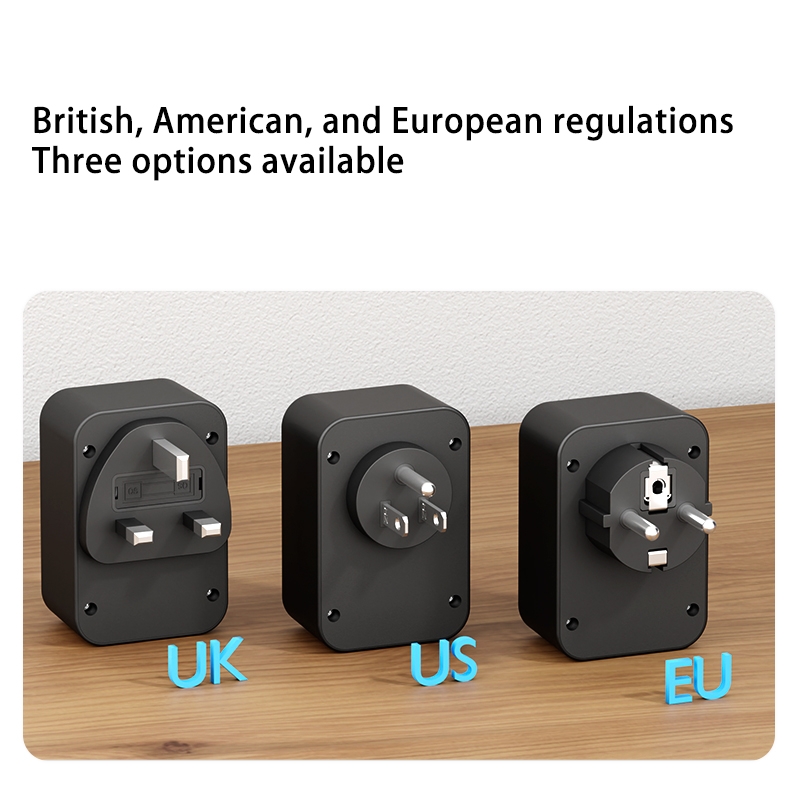
Ability to support private-label and custom requirements (housing style, outlet count and orientation, cable length and type, branding, packaging, regional plug and voltage variants)
Documentation support for compliance claims and marketing
Supply reliability, lead times, and order flexibility
Working with a Surge Protector Extension Cord Manufacturer
When sourcing at scale, the choice of manufacturer affects product consistency, compliance readiness, and the ability to differentiate a brand. Buyers typically look for partners that maintain controlled production, can provide clear technical files, and support customization without compromising core safety features.
TISDLIP is one example of a manufacturer focused on power-related products, including surge protector power strips. B2B customers often evaluate such suppliers on their capacity to deliver OEM and custom versions, maintain relevant certification documentation, and align production with target-market requirements. The emphasis remains on verifiable specifications, process control, and practical support for importers, distributors, and brand owners rather than on unverified performance claims.
Practical Recommendations
1. Confirm certification and request supporting documentation for volume purchases.
2. Prefer designs that include thermal protection and a clear status indicator.
3. Match voltage, plug type, and documentation to the intended market.
4. Treat joule ratings and current ratings as comparative tools within a broader evaluation.
5. Plan region-specific variants when distributing across North America, Europe, and other territories.
6. Replace units when the protection indicator shows failure or after known severe events.
Frequently Asked Questions
What is the main difference between a $3 and a $15+ surge protector power strip?
Higher-priced units more often include better-specified MOVs, thermal protection, a reliable status indicator, stronger certification support, and more robust construction. Lower-priced units may offer only limited or unverified surge components.
Is a higher joule rating always better?
Higher capacity is generally preferable, but it should be considered alongside clamping performance, thermal protection, certification, and overall design quality.
Does a surge protector power strip protect against direct lightning?
Point-of-use devices are not designed for direct lightning currents. They help with residual and induced surges. Building-level protection is a separate matter.
Why does the protection indicator light matter?
MOVs degrade with use. When protection is no longer active the strip may still supply power. An indicator is the practical way to know the status.
What certifications should importers look for?
UL 1449 is central for North America. IEC 61643-aligned documentation is widely relevant for Europe, the UK, the Middle East, and many other markets. Always verify current reports.
Can I use the same surge protector power strip in 120 V and 230 V markets?
Voltage rating and plug configuration must match the local supply. Multi-market programs usually require region-specific versions or clear dual-rating documentation.
What should brand owners check when choosing an OEM surge protector power strip partner?
Certification readiness, design consistency, quality control, customization flexibility, and documentation support are primary considerations.
How does overload protection differ from surge protection?
Overload protection responds to excessive current. Surge protection responds to voltage transients. Both are useful; they are not interchangeable.
Should distributors stock only high-joule models?
Stocking decisions should balance application needs, certification coverage, price tiers, and customer segments rather than a single specification.
What is the typical failure mode of a low-cost power strip?
The suppression components can be exhausted while the strip continues to power devices, leaving equipment unprotected without obvious warning if no indicator is present.
How important is thermal protection in a custom surge protector power strip?
It is a significant safety feature that helps manage the risk of overheating when suppression components reach end of life.
What information should be prepared before contacting a surge protector power strip manufacturer?
Target markets, required certifications, preferred specifications (outlets, cable, indicators), estimated volumes, and any private-label or customization needs help streamline discussion.
References
UL 1449 – Standard for Surge Protective Devices. Underwriters Laboratories. (Current edition applicable to Type 3 cord-connected devices).
IEC 61643 series – Low-voltage surge protective devices. International Electrotechnical Commission. (Particularly parts covering performance requirements, testing methods, and selection principles for SPDs).
IEC 61643-11 – Surge protective devices connected to low-voltage power systems – Requirements and test methods.
Technical literature on Metal Oxide Varistors (MOVs) and Gas Discharge Tubes (GDTs) as nonlinear components used in surge protective devices (industry application notes and component manufacturer datasheets).
Guidance on Voltage Protection Rating (VPR), joule ratings, thermal protection, and status indication in point-of-use surge protective devices (derived from UL 1449 testing principles and common industry practice).
Comparative discussions of Type 3 (point-of-use) SPDs versus higher-energy Type 1 / Type 2 devices, including limitations regarding direct lightning currents (aligned with IEC 61643 classification concepts).
Note: Readers and buyers should always verify the latest official versions of UL and IEC standards, as well as current product-specific test reports and certification listings, when making procurement or compliance decisions.



 Email
Email