

How to Choose a Household Power Strip: Safety, Specifications, and OEM Buying Guide
Content Menu
● 1. What Is a Household Power Strip?
>> Functional Classifications: Power Strip vs. Surge Protector
● 2. Power Strip Types and Key Differences
● 3. How to Evaluate Power Strip Safety
>> Key Electrical Safety Layers
● 4. Internal Components and Quality Control
>> Integrated Copper Busbars vs. Hand-Soldered Connections
>> Physical Inspection Indicators
● 5. Flat Power Strip vs. Tower Power Strip
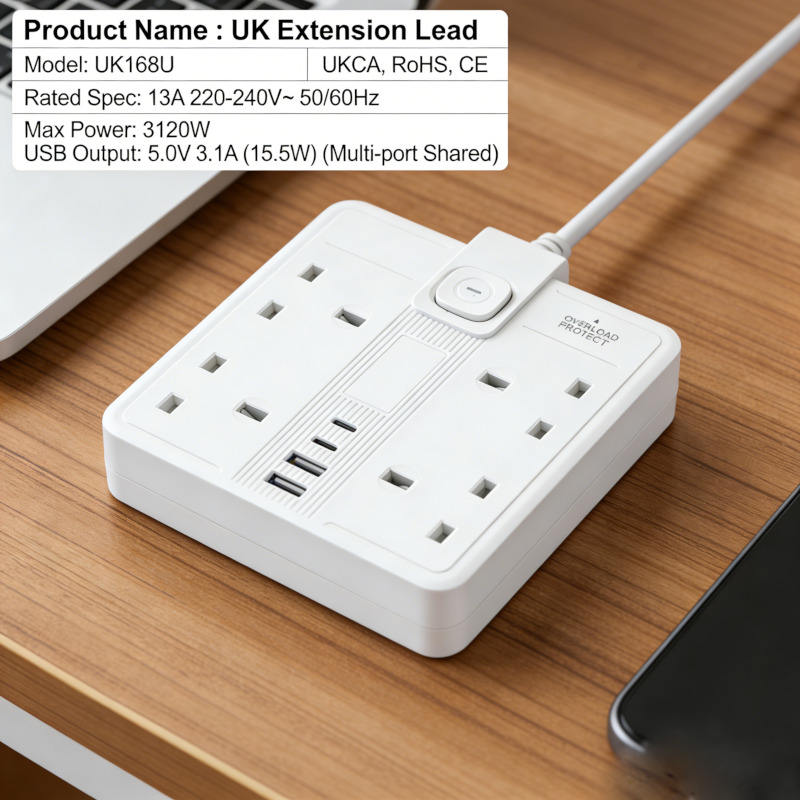
>> Flat Power Strip Considerations
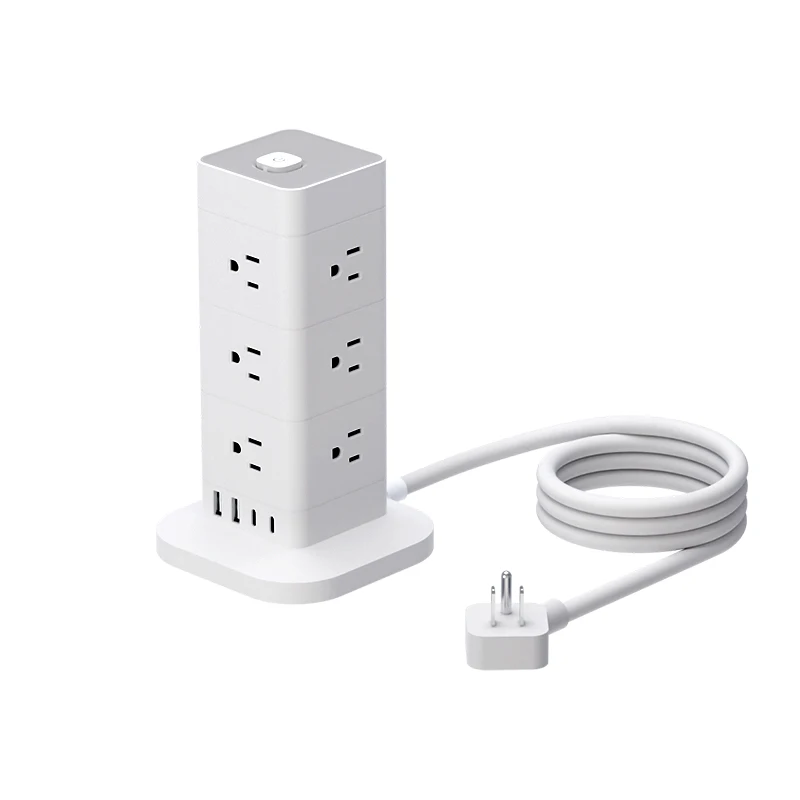
>> Tower Power Strip Considerations
● 6. OEM Power Strip Sourcing Checklist
>> Pre-Procurement OEM/ODM Specifications Checklist
● 7. Frequently Asked Questions (FAQ)
Safety, long-term durability, and electrical compliance are primary considerations when selecting or custom-manufacturing power strips. For foreign brand owners, wholesalers, and importers, understanding the core distinction between basic power distribution units and advanced surge protection systems—along with internal material standards—is critical to mitigating compliance risks and preventing electrical hazards.
This guide breaks down key technical parameters, material specifications, safety standards, and manufacturing considerations for high-performance power strips, offering actionable insights for both retail buyers and B2B OEM/ODM procurement managers.
1. What Is a Household Power Strip?
A household power strip is an electrical device designed to expand a single AC wall outlet into multiple receptacles, allowing multiple electronic devices to receive power simultaneously. While functional designs vary across international markets, standard power strips are built around three primary internal elements:
Input Cable and Plug Assembly: Connects to the main power grid, carrying the continuous AC current load.
* Internal Conductor Busbars/Wiring: Distributes phase (live), neutral, and earth lines across multiple socket banks.
* Flame-Retardant Housing: Encapsulates live electrical components to prevent touch-hazard exposure and insulate high-voltage lines.

Functional Classifications: Power Strip vs. Surge Protector
It is critical to distinguish basic power distribution from active transient protection:
Standard Power Strip: Acts strictly as a power distribution socket hub without dedicated overvoltage suppression components.
Surge Protector Power Strip: Incorporates internal Metal Oxide Varistors (MOVs), Gas Discharge Tubes (GDTs), or thermal fuses designed to clamp voltage spikes caused by lightning or grid switching, diverting excess voltage away from downstream electronics.

2. Power Strip Types and Key Differences
Power strips are configured in various form factors and electrical architectures to match different application environments and regional grid conditions.
| Parameter / Feature | Standard Flat Power Strip | Vertical / Tower Power Strip | Heavy-Duty / Industrial Power Strip |
| Typical Deployment | Under desks, living room media hubs, general home use | Multi-device workstations, office desks, crowded counters | Workshops, commercial hubs, high-draw equipment |
| Form Factor Advantage | Low profile, easily wall-mountable or placed on floor beds | Compact vertical footprint; isolates bulky power adapters | High-impact reinforced casing; thermal breaker protection |
| Common Cable Gauge | 1.00 mm² to 1.50 mm² (16–14 AWG) | 1.00 mm² to 1.50 mm² (16–14 AWG) | 1.50 mm² to 2.50 mm² (14–12 AWG) |
| Outlet Spacing | Standard linear spacing; large adapters may cover adjacent ports | 360-degree multi-sided positioning prevents plug overlapping | Wide transformer-spaced receptacles |
3. How to Evaluate Power Strip Safety
Evaluating the electrical safety of a power strip for home or commercial environment requires examining materials, construction standards, and safety certifications.
Key Electrical Safety Layers
1. Flame-Retardant Housing Materials: Premium enclosures utilize Polycarbonate (PC) or engineered blends rated under flame testing standards such as UL 94 (V-0 / V-1) or IEC/EN glow-wire testing (e.g., IEC 60695-2-11 at 750°C), ensuring the housing resists ignition or self-extinguishes if subjected to internal overheating.
2. Conductor Cross-Section and Thermal Resistance: Cable conductor sizing directly affects heat dissipation. In 220V–250V markets, standard domestic power strips typically use conductors rated at 1.00 mm² to 1.50 mm² depending on load requirements (e.g., 10A vs. 16A continuous rating). Sizing must strictly match regional electrical safety codes (such as EN 50525 in Europe or UL 62 in North America).
3. Child Safety Shutters: Internal mechanical shutters protect against accidental shock by requiring simultaneous two-pole plug insertion, preventing single-pin insertion by children or metallic objects.
4. Overload and Circuit Breaker Integration: A dedicated reset switch integrated with a bimetallic thermal switch disconnects power when continuous current exceeds rated limits, preventing conductor overheating.
4. Internal Components and Quality Control
Internal architecture differentiates low-cost, light-duty socket extensions from high-reliability commercial hardware.
Integrated Copper Busbars vs. Hand-Soldered Connections
* Integrated Stamped Copper Busbars: Manufactured by continuous stamping of high-purity brass or phosphor bronze sheets. Integrated busbars minimize connection joints, reduce electrical resistance, maintain uniform plug retention force over time, and reduce internal heat accumulation.
* Discrete Hand-Soldered Wiring: Utilizes individual wire runs connected to socket pins via solder joints. Cold solder joints or weak solder points increase electrical resistance over extended thermal cycles, presenting potential quality risks under high current loads.

Physical Inspection Indicators
* Tactile Switch Response: High-grade switches deliver crisp actuation and are certified for thousands of mechanical cycles under load (e.g., IEC 61058 standards).
* Weight and Build Density: While weight alone is not a definitive measure of safety, units featuring thicker copper conductors, integrated busbars, and robust structural ribbing generally present higher physical weight than minimalist budget designs.
5. Flat Power Strip vs. Tower Power Strip
Selecting between a traditional flat layout and a vertical tower power strip involves evaluating spatial logistics and adapter density.
Flat Power Strip Considerations
* Pros: Flat designs can be mounted to walls, integrated into furniture, or placed under media consoles.
* Cons: Closely spaced linear outlets may become inaccessible when oversized AC transformer blocks are used.
Tower Power Strip Considerations
* Pros: Vertical orientation allows multi-sided plug access, accommodating larger power adapters on separate faces without blocking neighboring outlets.
* Cons: Higher center of gravity requires a wider, weighted base to maintain stability when multiple heavy cables are connected.
6. OEM Power Strip Sourcing Checklist
For brand owners, importers, and B2B buyers sourcing OEM power strips from a power strip manufacturer, engineering specifications must be clearly established during pre-production.
Pre-Procurement OEM/ODM Specifications Checklist
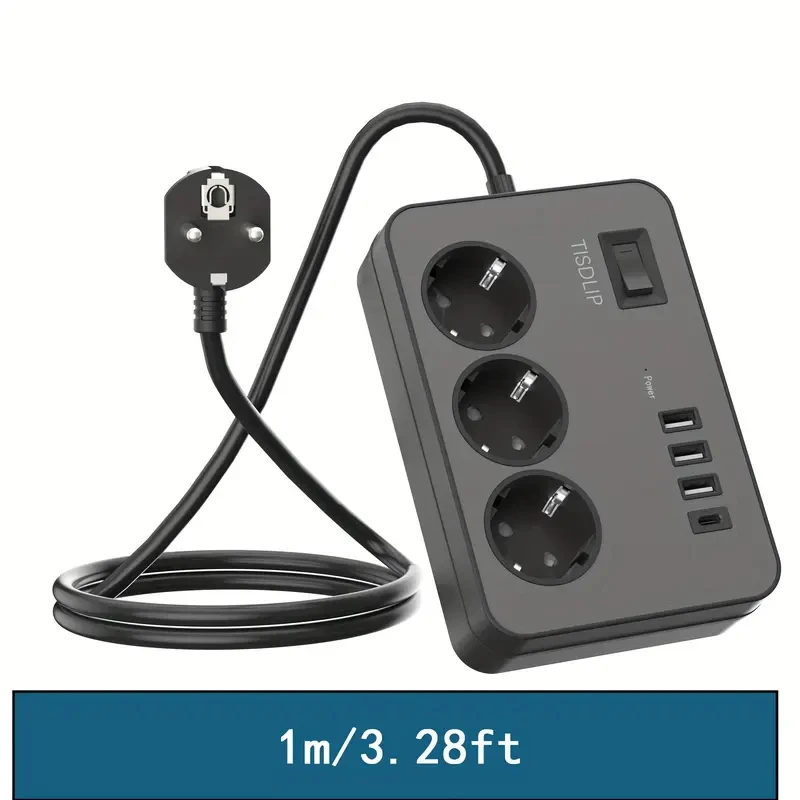
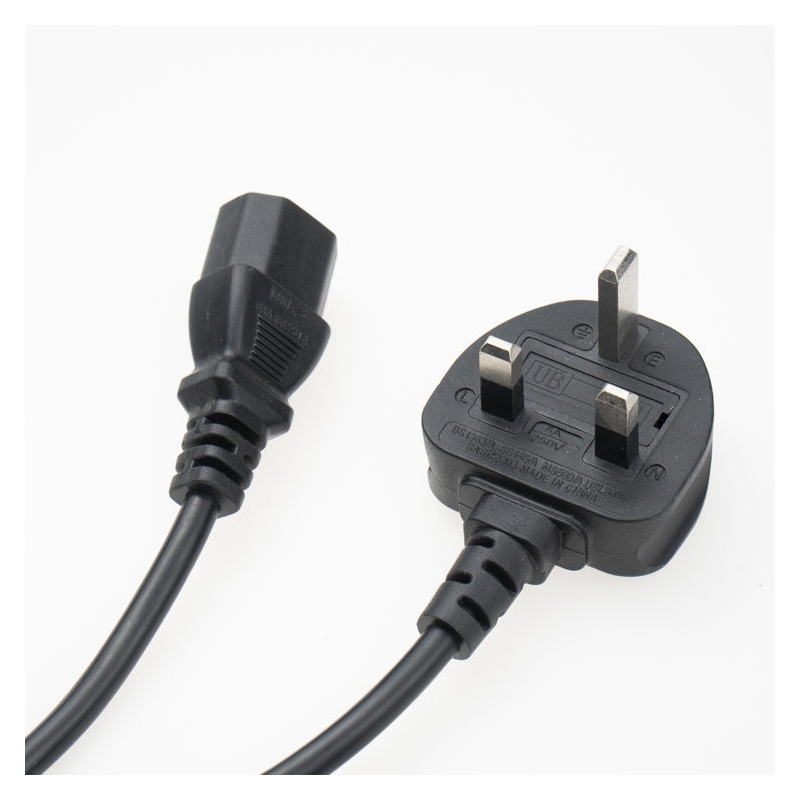
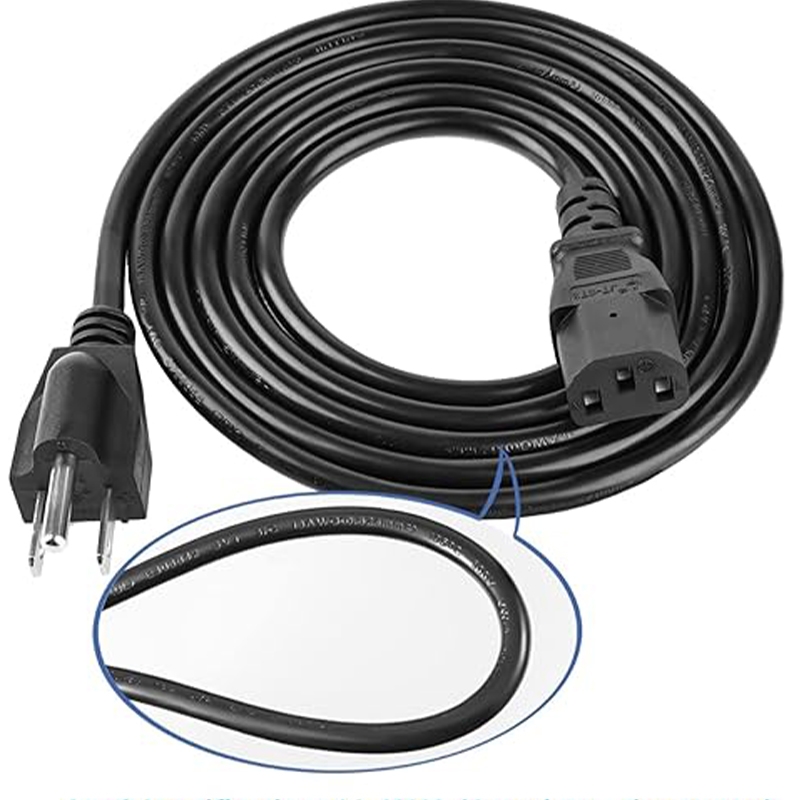
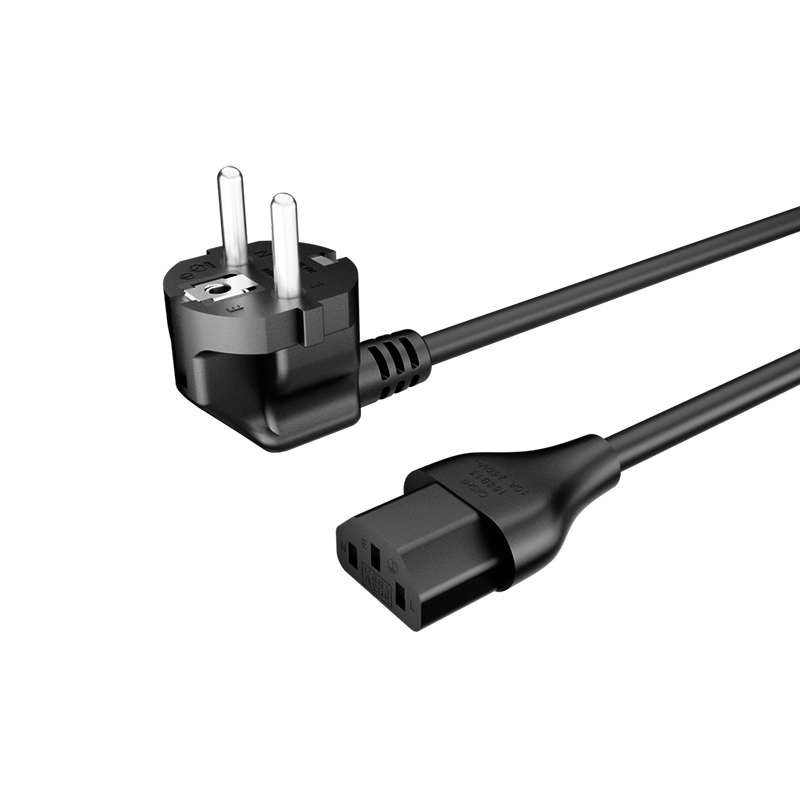
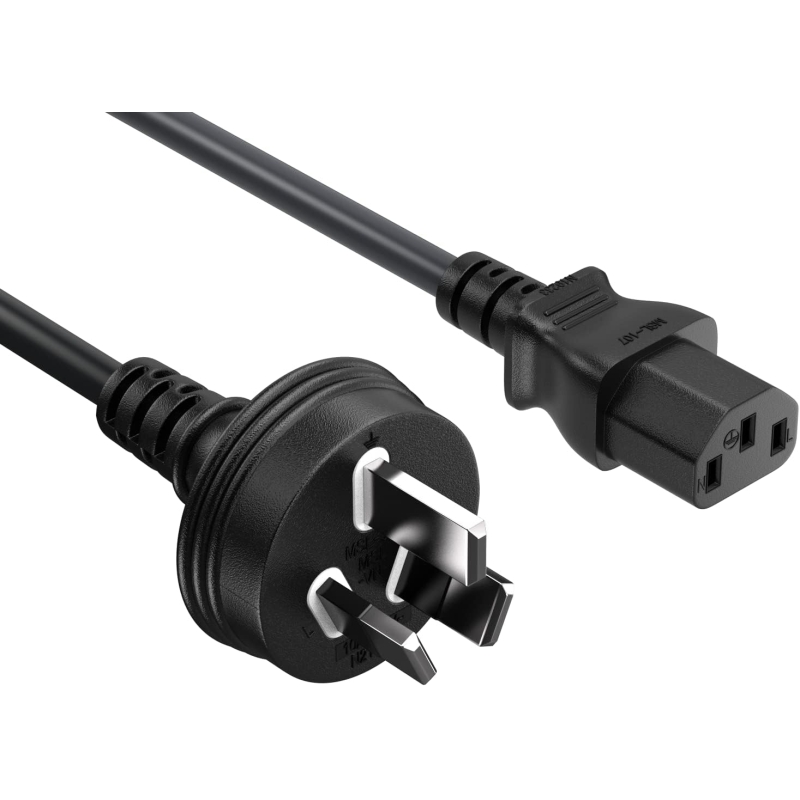
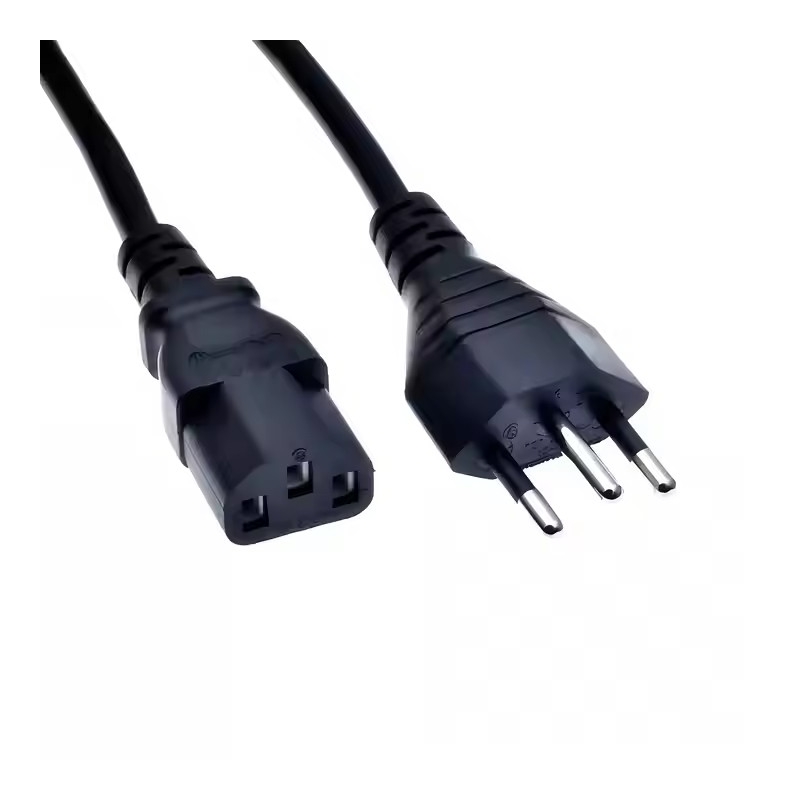
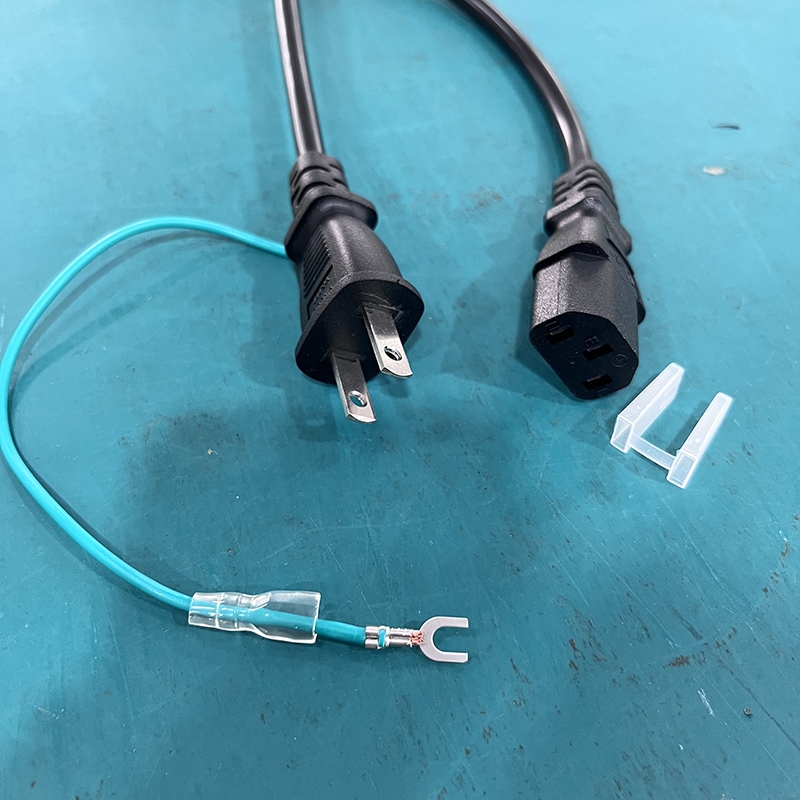
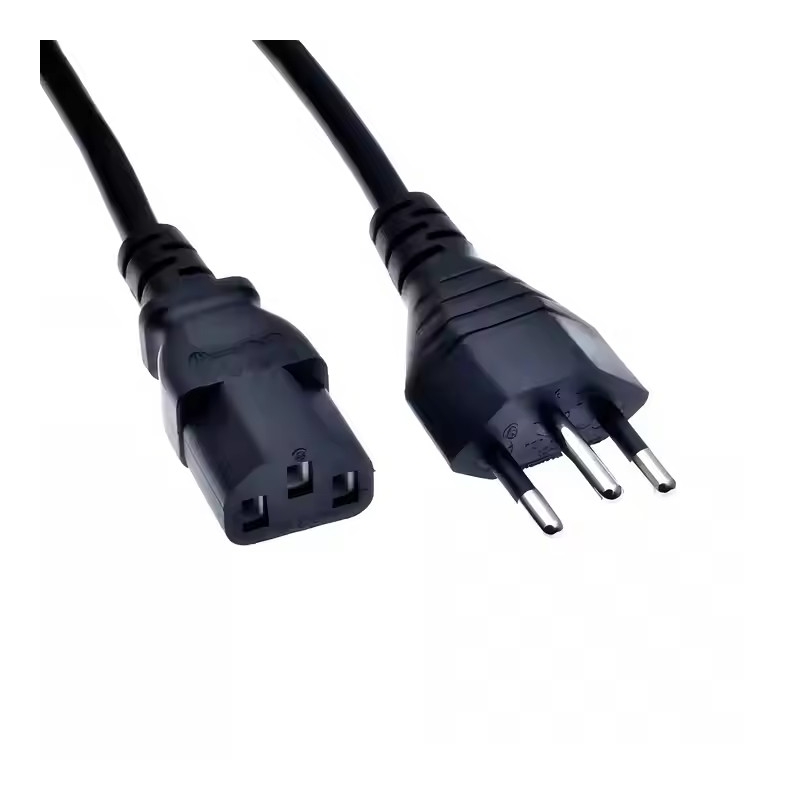
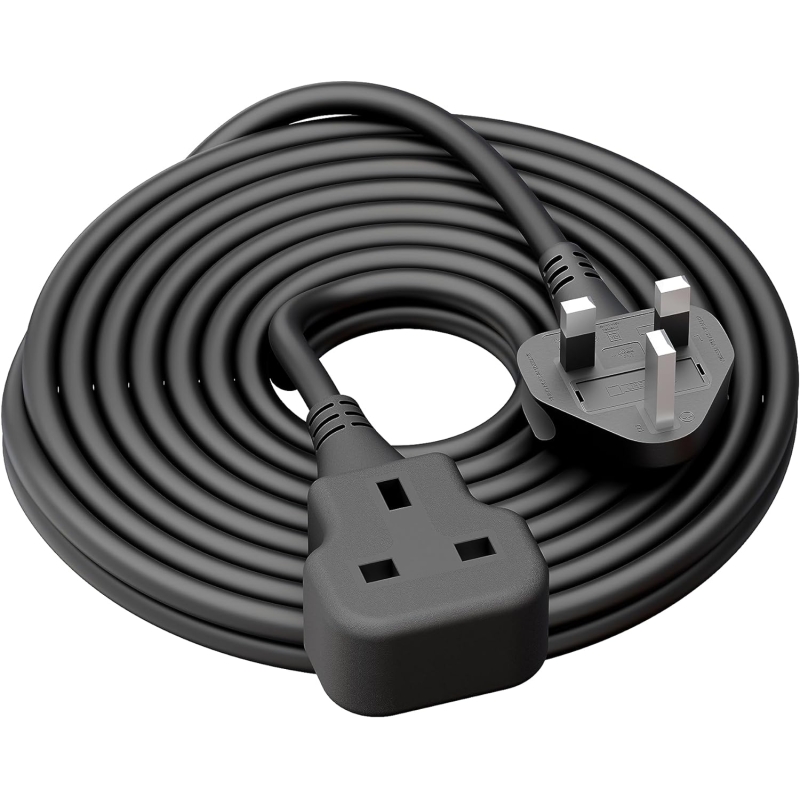
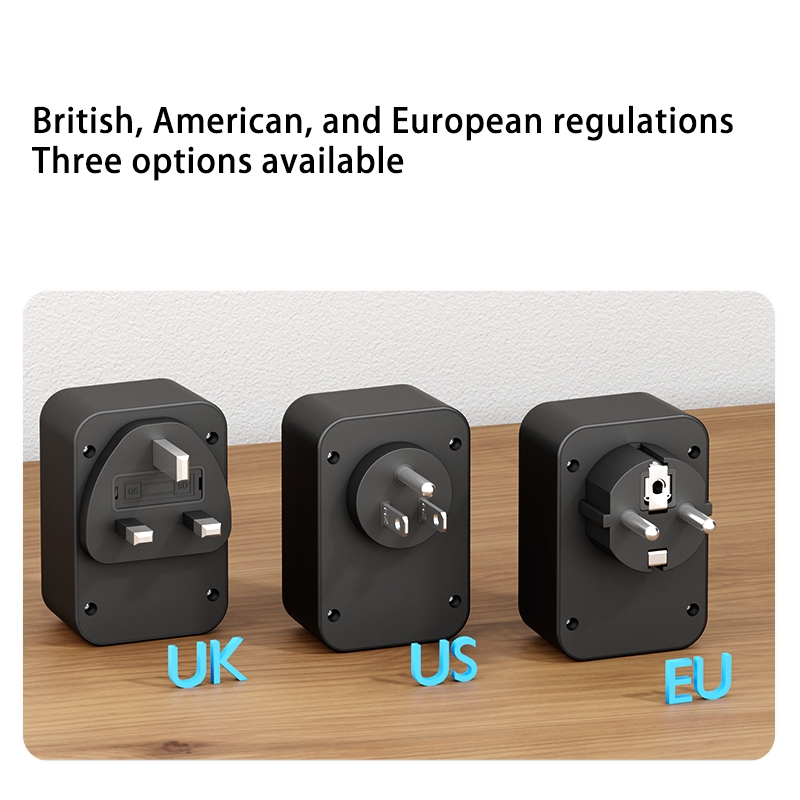
* Target Market & Regional Standards: Specify required plug types (e.g., NEMA, Schuko, BS 1363, AS/NZS 3112, PSE) and compliance standards (e.g., UL 1363 / UL 1449 for US, CE / LVD / RoHS for EU).
* Voltage & Current Ratings: Define maximum continuous current ratings (10A, 13A, 15A, or 16A) and voltage specifications (110V–240V) matching the target region.
* Conductor Specification: Confirm copper purity (e.g., OFC copper) and wire gauge (AWG or mm²) to match safety agency temperature-rise restrictions.
* Housing Resin Selection: Request certified virgin PC or ABS/PC flame-retardant blends matching specific fire safety ratings (e.g., UL 94 V-0).
* Safety Shutters & Thermal Protection: Specify dual-pole mechanical shutter mechanisms and overload breaker parameters.
* Factory Quality Control Protocols: Ensure the manufacturing facility executes 100% inline testing, including:
* Dielectric Voltage Withstand Test (Hi-Pot Test)
* Ground Continuity Testing
* Contact Resistance and Insertion Force Validation
* Visual and Labeling Inspection
Need Custom Engineering & B2B Sourcing?
If you are evaluating custom specifications, housing molds, or international certification compliance for new product lines, explore our OEM/ODM custom manufacturing options or Request a Custom Power Strip Quote.
7. Frequently Asked Questions (FAQ)
Q1: What is a household power strip, and does it provide surge protection by default?
A household power strip expands a single AC outlet into multiple ports. Standard models do not include surge protection unless explicitly equipped with internal MOV protection circuits or certified under transient voltage surge suppressor (TVSS) standards such as UL 1449.
Q2: What wire cross-section is required for high-draw home power strips?
In 220V–250V markets, standard household units typically require copper conductors between 1.00 mm² and 1.50 mm² for 10A–16A continuous loads. In 120V markets, 14 AWG or 12 AWG conductors are used for 15A–20A branch circuit extensions, in compliance with regional electrical codes.
Q3: How do child safety shutters enhance power strip safety?
Child safety shutters block the internal socket contacts via spring-loaded mechanical barriers. They require balanced force applied simultaneously to both live and neutral slots (as when inserting a standard plug) to open, preventing accidental insertion of metallic items or single pins.
Q4: Why are integrated copper busbars preferred over individual soldered wires?
Integrated stamped copper busbars eliminate dozens of manual solder points, reducing internal electrical resistance, preventing cold solder fatigue over thermal expansion cycles, and providing uniform blade tension across sockets.
Q5: What should B2B buyers verify when partnering with a power strip manufacturer for custom power strips?
B2B procurement managers should verify target market certification compliance (UL, CE, VDE, BS), raw material flame-test reports (UL 94 V-0 / Glow-Wire), copper busbar purity specifications, and inline 100% Hi-Pot electrical safety testing protocols.



 Email
