

Do Surge Protectors Work? Surge Protector vs. Regular Power Strips
Content Menu
● How Does a Surge Protector Work?
● Surge Protector vs. Regular Power Strip
● Can a Surge Protector Protect Against Lightning?
● How to Choose a Surge Protector Power Strip
● Safety and Installation Guidelines
● B2B Procurement and OEM/ODM Considerations
In commercial and residential electrical installations, protecting sensitive electronic devices from transient overvoltages is a key priority. Buyers, facility managers, and importers often evaluate whether specialized power strips offer meaningful protection compared to standard power distribution units.
This guide examines the technical principles of surge protection, compares regular and surge-protected power strips based on verifiable characteristics, and outlines essential considerations for B2B procurement.
Do Power Strip Surge Protectors Work?
Yes, surge-protected power strips function as intended when matched to appropriate electrical environments, but their capabilities have defined boundaries. A standard power strip expands a single wall outlet into multiple receptacles to distribute power. In contrast, a surge-protected strip incorporates dedicated circuitry designed to mitigate transient overvoltages—such as those caused by minor grid fluctuations or switching transients.
A plug-in surge protector is not an all-encompassing shield. It is designed to manage specific levels of residual surge energy and cannot guarantee absolute protection against major catastrophic events or direct lightning strikes.

How Does a Surge Protector Work?
The fundamental component in many surge-protected power strips is a Metal Oxide Varistor (MOV), alongside other suppression elements depending on the circuit design. Under normal operating voltages, an MOV maintains high electrical resistance, allowing current to flow to connected equipment without interference.
When a transient overvoltage or voltage spike occurs, the resistance of the MOV decreases rapidly as voltage exceeds its threshold. This action limits the voltage reaching downstream equipment by diverting excess transient energy through the suppression circuit.
Circuit configuration and grounding affect certain protection modes. Effectiveness of some modes depends on a reliable protective earth connection as specified in local electrical codes. Users should always consult manufacturer documentation regarding specific circuit topologies and grounding requirements.
A Joule rating indicates the amount of energy absorption capacity the internal components can handle before degrading. While useful as a general metric of cumulative capacity, it does not independently dictate overall protection performance, response characteristics, or suitability for every application. Voltage Protection Rating (VPR) under UL 1449 reflects measured limiting voltage under defined test conditions and is one of several parameters used for comparison among similarly classified devices. Actual residual voltage can vary with surge magnitude and installation factors.

Surge Protector vs. Regular Power Strip
Regular power strips and surge-protected power strips serve different operational requirements:
| Feature | Regular Power Strip | Surge-Protected Power Strip |
|---|---|---|
| Primary Function | Power distribution and outlet expansion | Power distribution combined with transient voltage suppression |
| Internal Components | Standard bus bars, wiring, switches, and optional circuit breakers | Includes surge suppression components (e.g., MOVs) alongside standard wiring |
| Protection Against Spikes | No dedicated surge suppression components | Designed to mitigate certain residual and switching transients |
| Typical Application | General-purpose appliances, lighting, and non-sensitive loads | Sensitive electronics, office automation equipment, and computer systems |
| Common Listing Focus | Often evaluated under standards for relocatable power taps (e.g., UL 1363) | May carry listing under UL 1449 as a Type 3 SPD in addition to power-tap requirements |
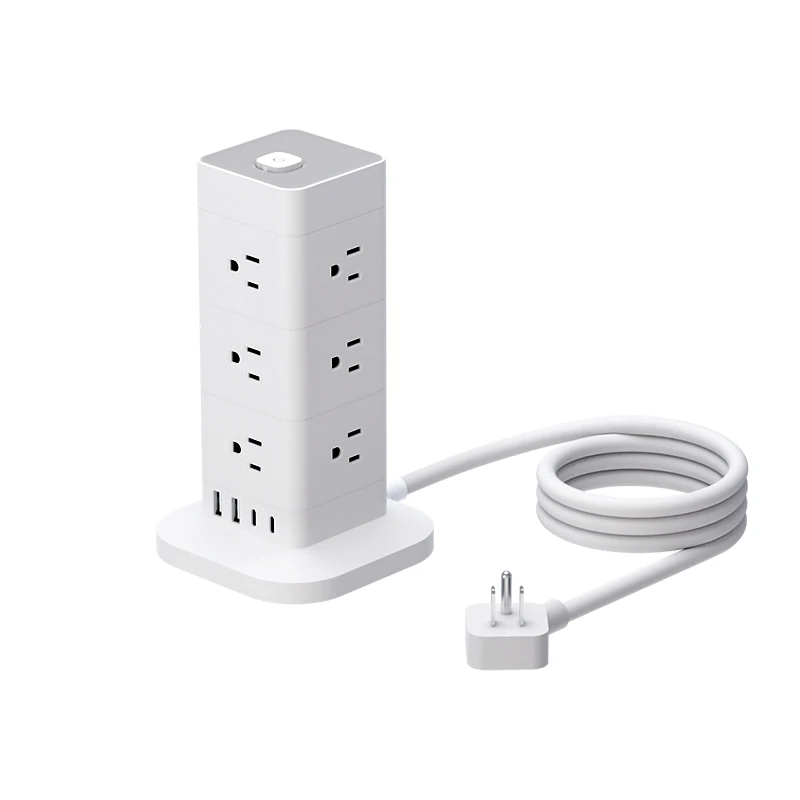
Exterior design or physical housing cannot be used to determine whether a power strip includes surge protection. Technical documentation, component specifications, and applicable listings must be verified. Not every product marketed with multiple outlets contains surge-suppression circuitry.
UL 1363 addresses relocatable power taps and focuses on construction and safety under normal use conditions. UL 1449 covers Surge Protective Devices (SPDs) and includes performance testing related to limiting transient voltages. These are distinct standards; compliance with one does not imply compliance with the other. IEC 61643-11 addresses low-voltage SPDs connected to AC power systems and uses a different classification and test framework (including Type/Class distinctions based on test duty). Products intended for different markets must meet the relevant regional requirements.
Can a Surge Protector Protect Against Lightning?
A frequent misconception is that a plug-in surge protector provides total defense against lightning.
Terminal-level (point-of-use) surge protectors cannot withstand a direct lightning strike to a building or electrical utility line. Direct strikes carry energy levels that far exceed the physical limits of typical consumer- or commercial-grade plug-in devices. Effective lightning and surge mitigation relies on a coordinated, multi-layered protection scheme:
1. Primary protection: External lightning protection systems and main service-entrance surge protective devices installed at the distribution board.
2. Secondary/terminal protection: Plug-in surge protectors used downstream to manage residual transient voltages near sensitive equipment.
Plug-in devices function as a final layer for residual energy after upstream protection has reduced the surge magnitude. They are not a substitute for properly engineered facility-level SPDs.
How to Choose a Surge Protector Power Strip
When sourcing or specifying power distribution units for commercial markets, buyers should evaluate several technical and commercial parameters:
- Energy absorption metrics (Joule rating) alongside voltage-limiting characteristics, recognizing that both have context-specific meaning and limitations.
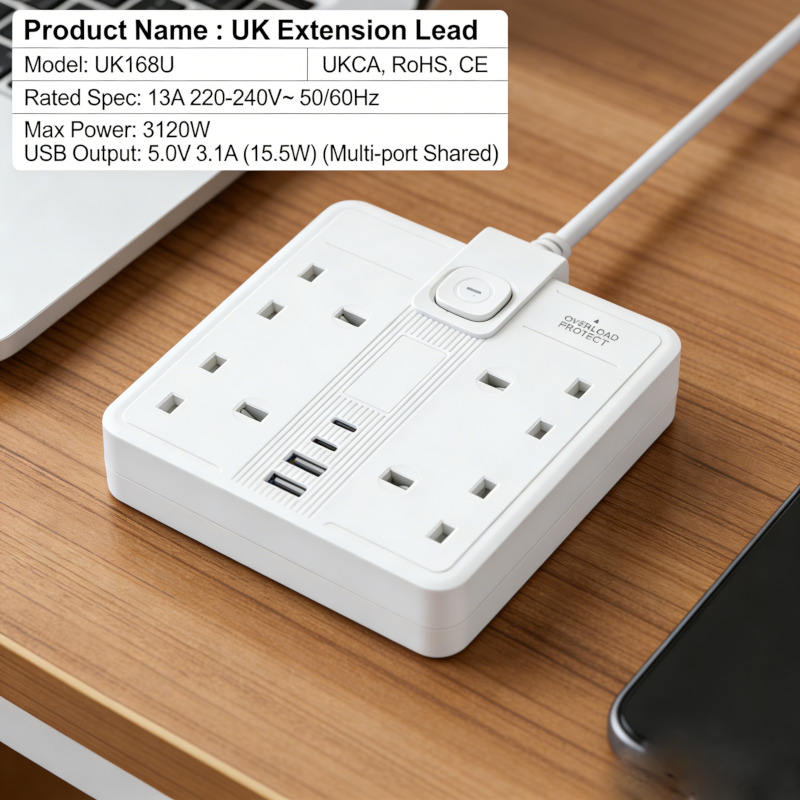
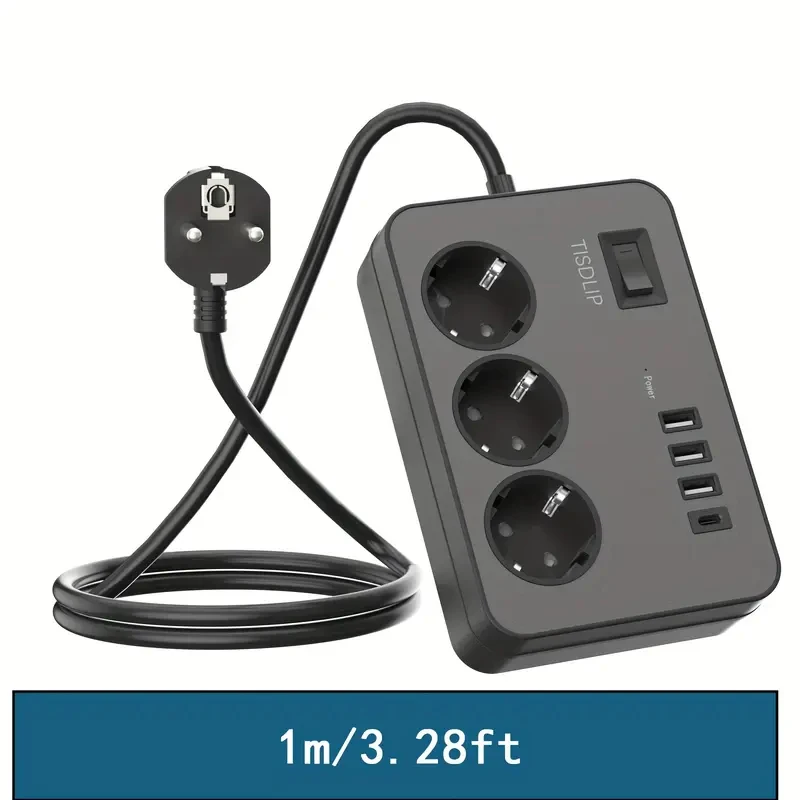
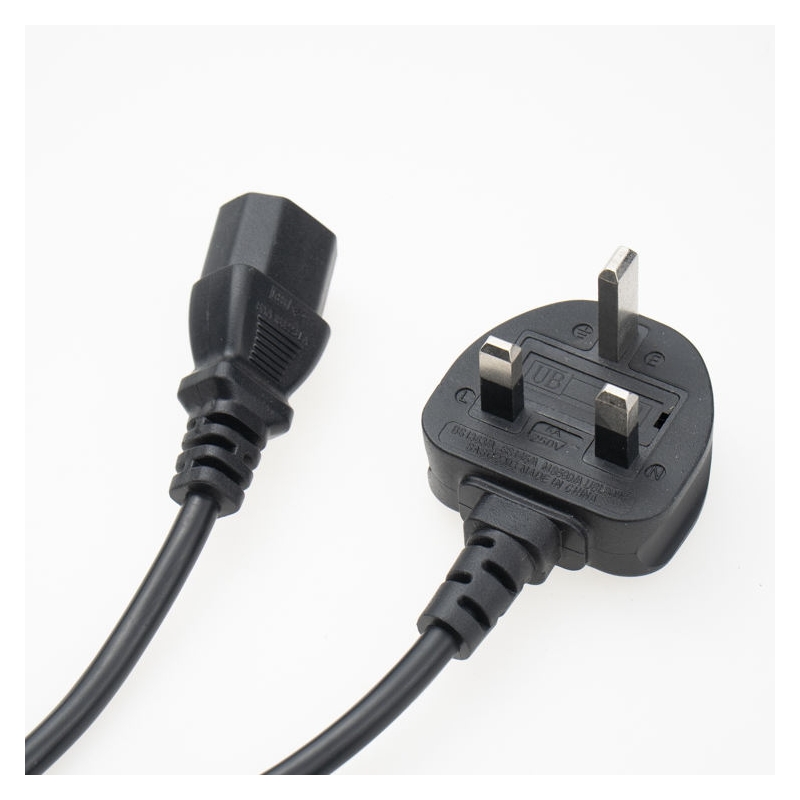
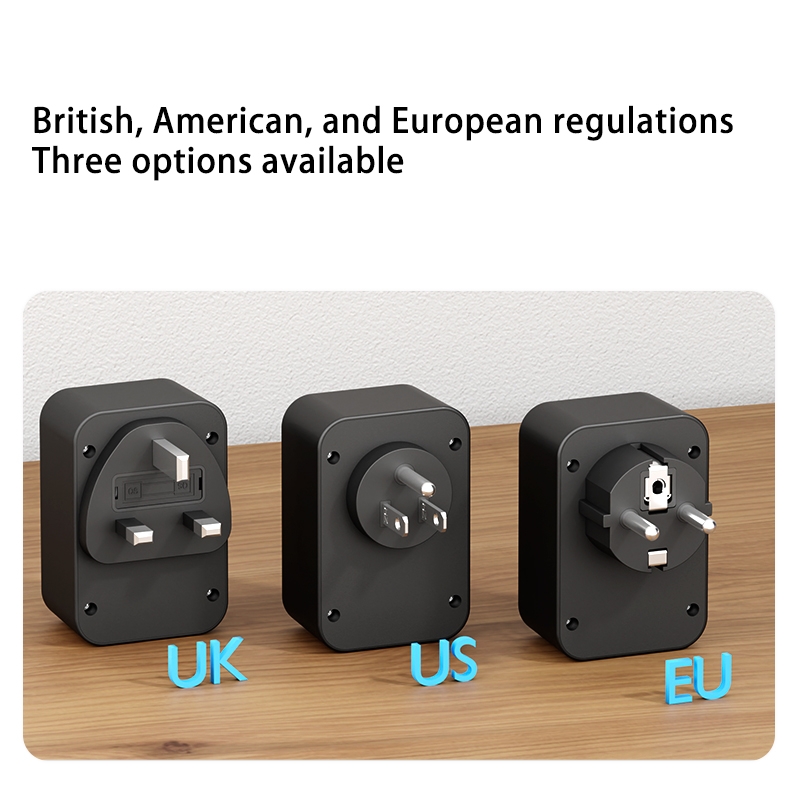
- Compliance and standards: Verify products against the relevant regional requirements (for example, UL 1449 for SPDs in applicable North American applications, UL 1363 for relocatable power taps, or IEC 61643-11 for markets using that framework) and correct plug configurations (IEC, UK, EU, or other regional types).
- Integrated safety features: Confirm whether specific models incorporate thermal cutoffs, overcurrent protection, or status indicators based on exact product engineering data and manufacturer documentation.
- Rated voltage and current, number and spacing of outlets, cable length and gauge, and suitability for the intended environment.
- Expected service life of suppression components, which degrade with cumulative surge energy, and the presence of clear end-of-life indication where provided.
- Supplier quality-control practices, documentation support, and ability to meet regulatory needs of the target market.
For industrial equipment such as PLCs, pumps, or HVAC systems, plug-in surge-protected strips provide only localized, residual protection. Professional SPDs installed in the distribution system remain necessary for broader facility coverage. Selection should always align with the specific electrical system design and local codes.

Safety and Installation Guidelines
- Install units in accordance with manufacturer instructions and ensure compatibility with facility electrical layouts.
- Avoid daisy-chaining (plugging one power strip into another).
- Routinely inspect units and verify operational status indicators if the specific model design includes them.
- Confirm proper grounding where required for the protection modes employed.
- Match total connected load to the rated capacity of the strip and the upstream circuit protection.
B2B Procurement and OEM/ODM Considerations
Procurement teams, brand owners, wholesalers, and equipment manufacturers typically prioritize verifiable specifications, consistent quality, regulatory alignment, and supply reliability. Key practical factors include clear documentation of ratings, appropriate regional certifications, indicator functionality, environmental suitability, and product longevity under expected surge exposure.
Customization of cable length, wire gauge, plug-and-socket configurations, packaging, and branding is commonly supported. Changes involving suppression components, circuit design, or performance ratings may require re-evaluation and additional testing depending on the product design and the applicable certification requirements. Buyers should confirm testing and documentation needs with the manufacturer for any modified designs.
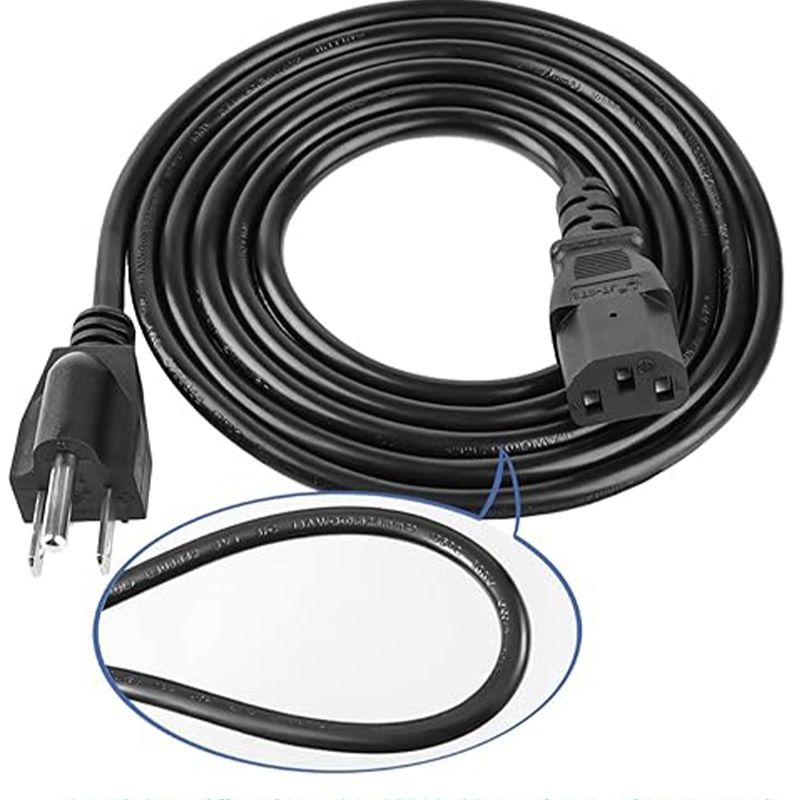
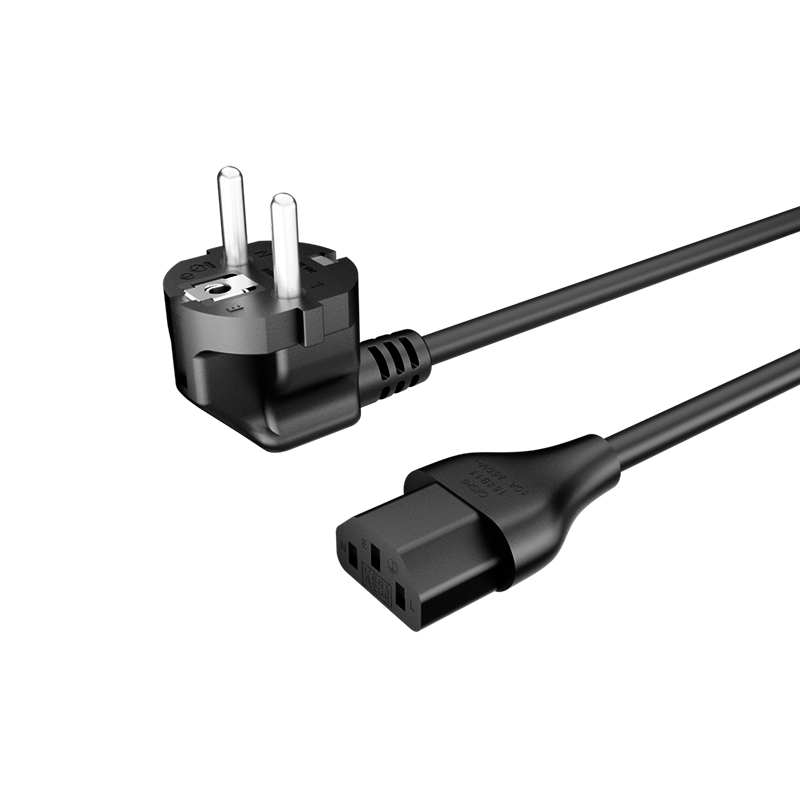
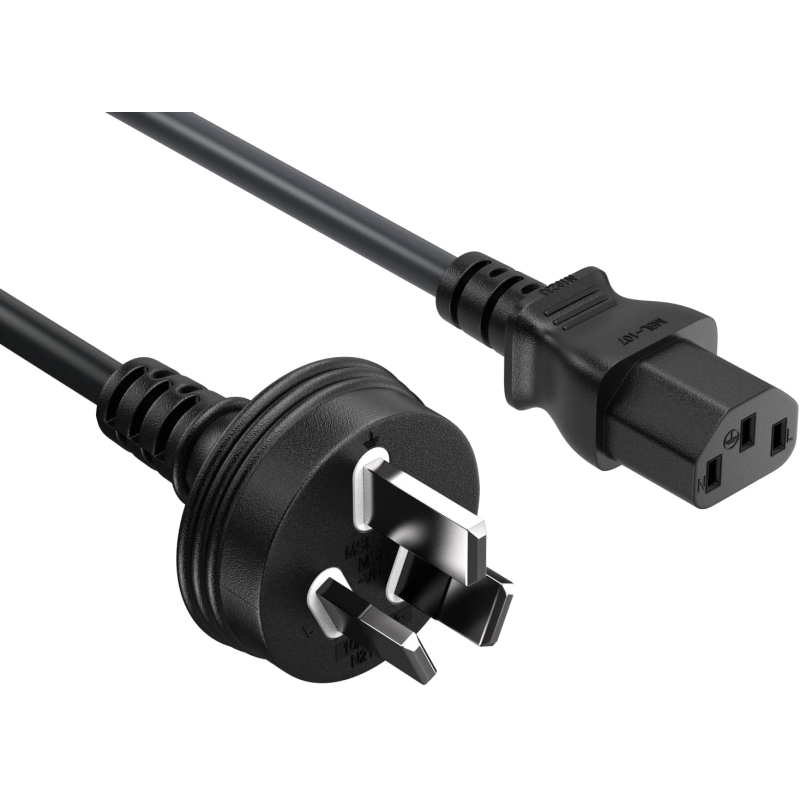
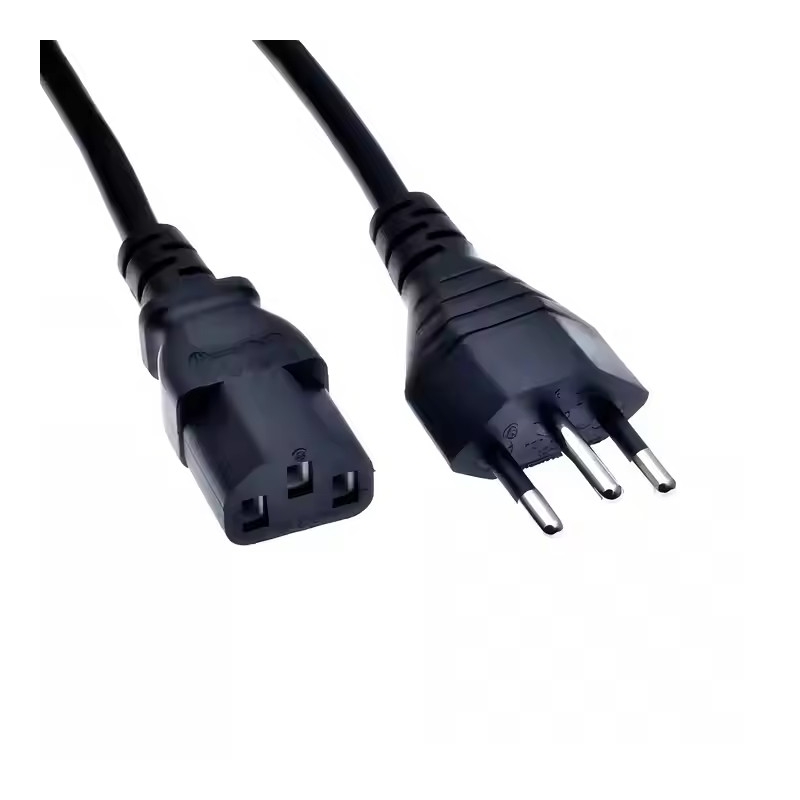
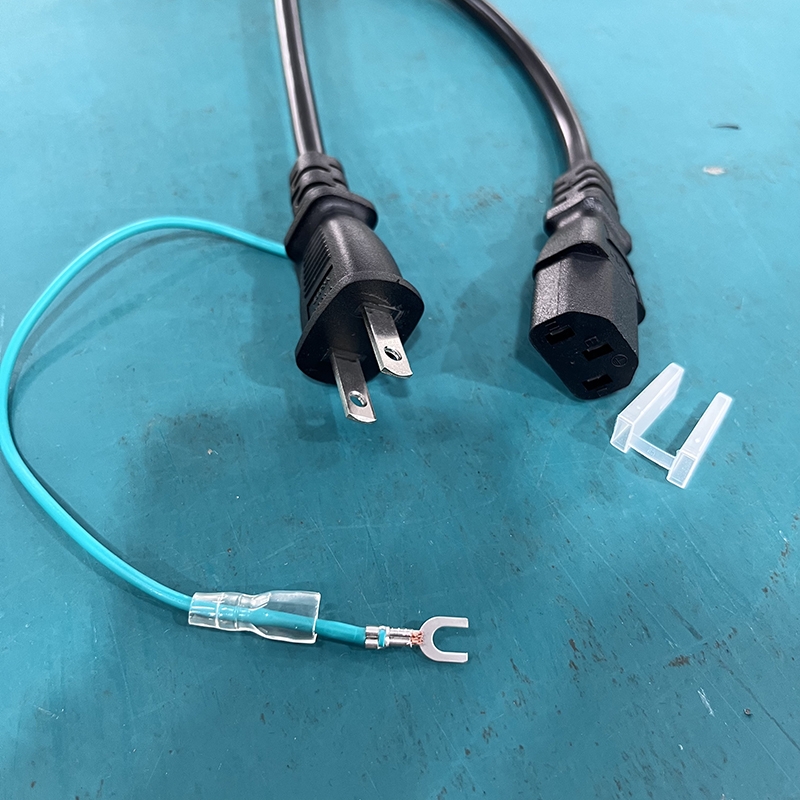
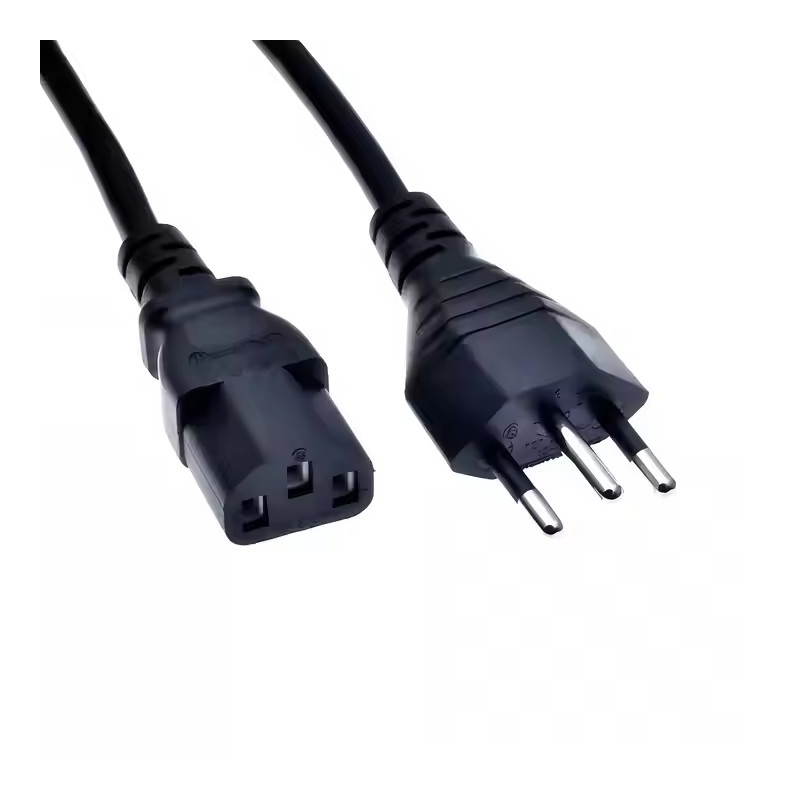
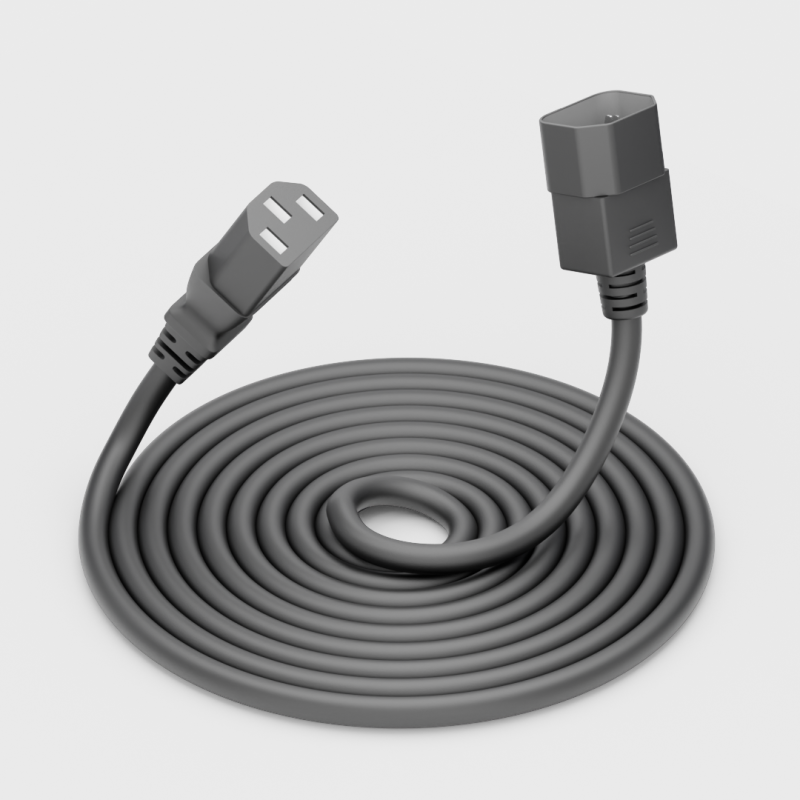
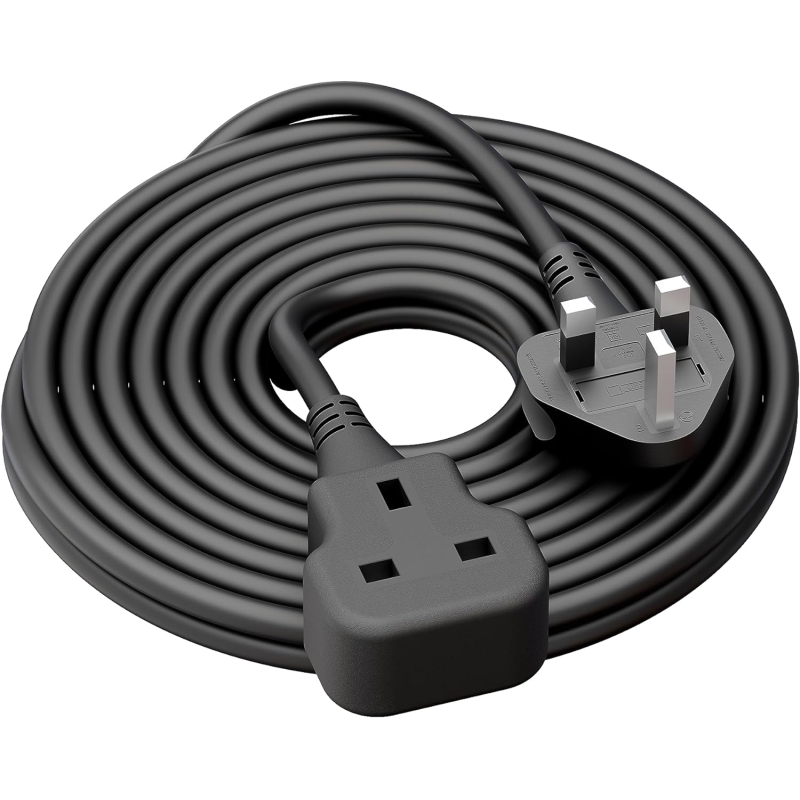
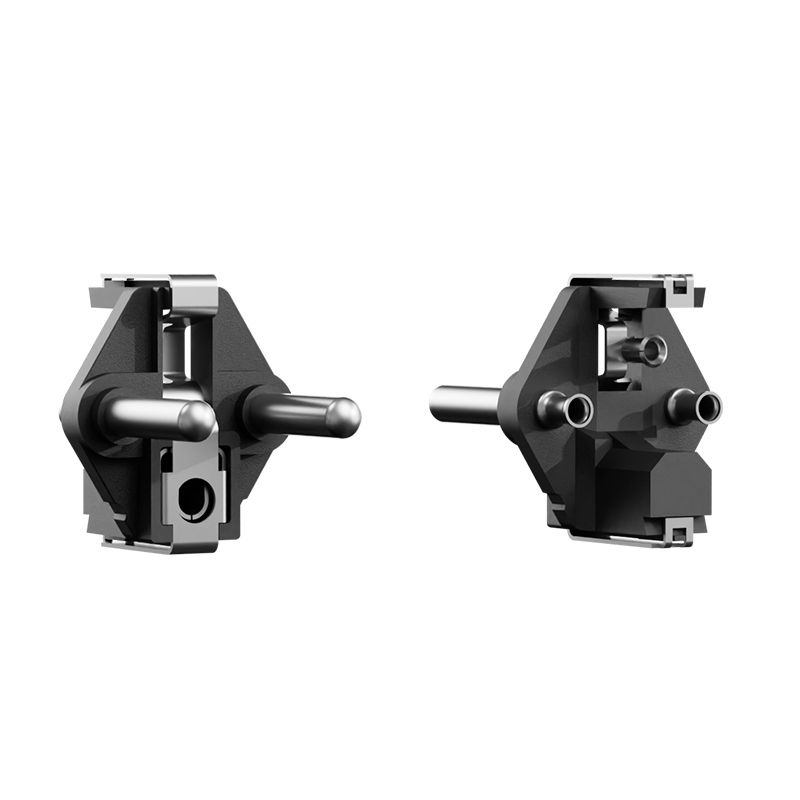
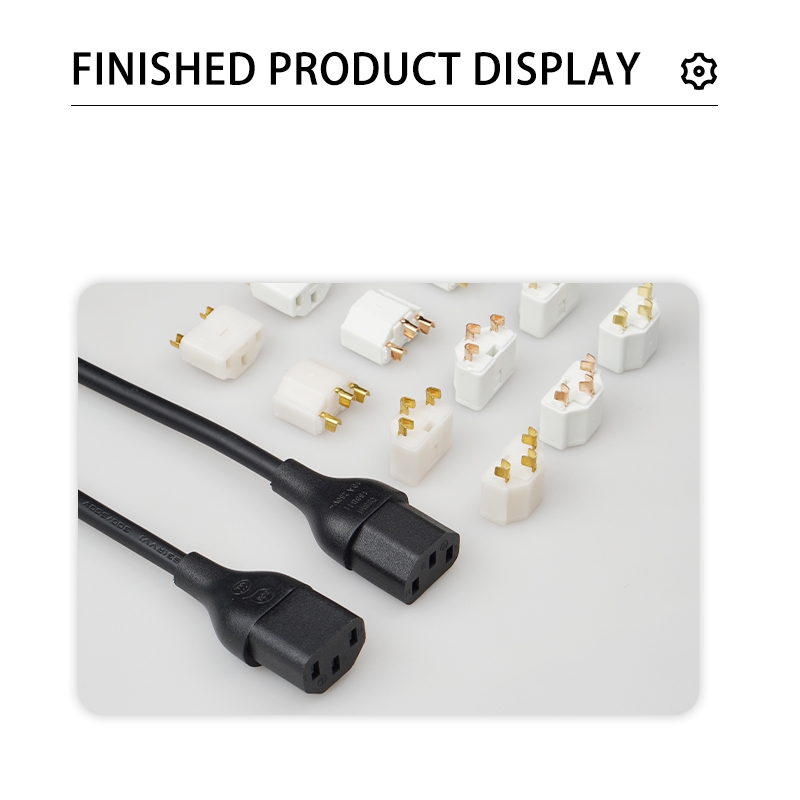
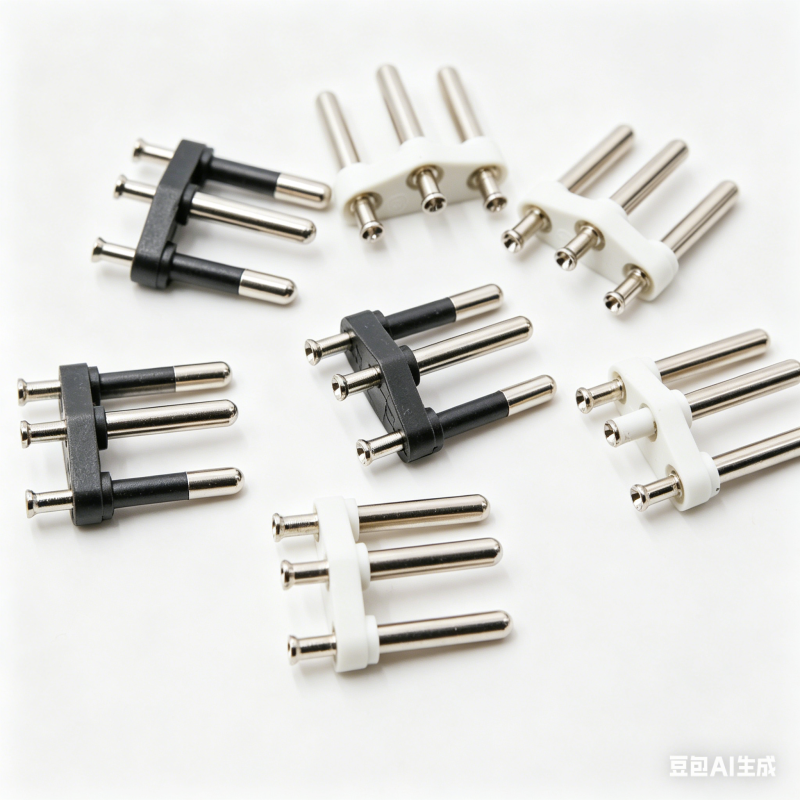
Dongguan Zhenghao Electric Co., Ltd. (TISDLIP), based in Dongguan, China, manufactures AC power cords, extension cords, power strips, plug inserts, and related electrical connectors in configurations including UK, EU, Brazil, and IEC types. The company provides OEM and ODM services covering cable lengths, wire gauges, plug-and-socket combinations, and packaging options tailored to different market requirements.
Buyers evaluating power distribution products can review available power cord and electrical accessory offerings or contact the team to discuss project-specific OEM/ODM requirements.
Frequently Asked Questions
Do regular power strips offer surge protection?
Standard power strips are designed primarily for power distribution. They do not contain dedicated surge-suppression components unless specifically engineered and listed as such.
Do surge protectors require grounding to operate?
Grounding is essential for certain protection modes and overall electrical safety. Exact operational requirements depend on the internal circuit design of the specific device. Users must refer to manufacturer instructions and local electrical codes.
How can I determine if a surge protector is still functional?
Many protected strips include visual indicators (such as LED status lights). If an indicator changes or turns off, it may signify that the internal suppression components have absorbed significant energy and reached the end of their operational lifecycle, requiring unit replacement. Follow the manufacturer's guidance for the specific model.
What is the difference between UL 1449 and UL 1363?
UL 1363 covers relocatable power taps with emphasis on construction and safety under normal conditions. UL 1449 addresses Surge Protective Devices and includes testing related to limiting transient voltages. They serve different purposes and are not interchangeable.
Are plug-in surge protectors suitable as the only protection for industrial equipment?
No. They provide point-of-use residual protection. Industrial and commercial facilities typically require coordinated SPDs at service and distribution levels in addition to any terminal devices.
References
- UL 1449 – Standard for Surge Protective Devices (scope and Type classifications, including Type 3 point-of-use devices): Available via UL Standards documentation.
- UL 1363 – Standard for Relocatable Power Taps.
- IEC 61643-11:2025 – Low-voltage surge protective devices – Part 11: Surge protective devices connected to AC low-voltage power systems – Requirements and test methods (IEC Webstore).
- Manufacturer technical documentation and product listings for specific MOV-based and hybrid suppression designs.
- IEEE recommended practices on characterization of surges in low-voltage AC power circuits (relevant background on surge environments).



 Email
Email