


Content Menu
● 1. How to Check Whether a USB-C Power Strip Can Charge Your Laptop
>> Step 1: Confirm whether the USB-C port supports USB PD
>> Step 2: Check the actual PD output profiles
>> Step 3: Match the charging profile to the intended device
● 2. How to Check the Total USB Power Budget
>> Step 1: Distinguish single-port output from total output
>> Step 2: Ask for the power-sharing table
>> Step 3: Confirm whether the output changes when devices are connected or disconnected
● 3. How to Evaluate the USB Charging Module in a Power Strip
>> Step 1: Ask where the USB charging module comes from
>> Step 2: Check the module specifications before ordering
>> Step 3: Evaluate module integration and finished-product quality
● 4. How to Check the Power Cord, Plug and Socket Configuration
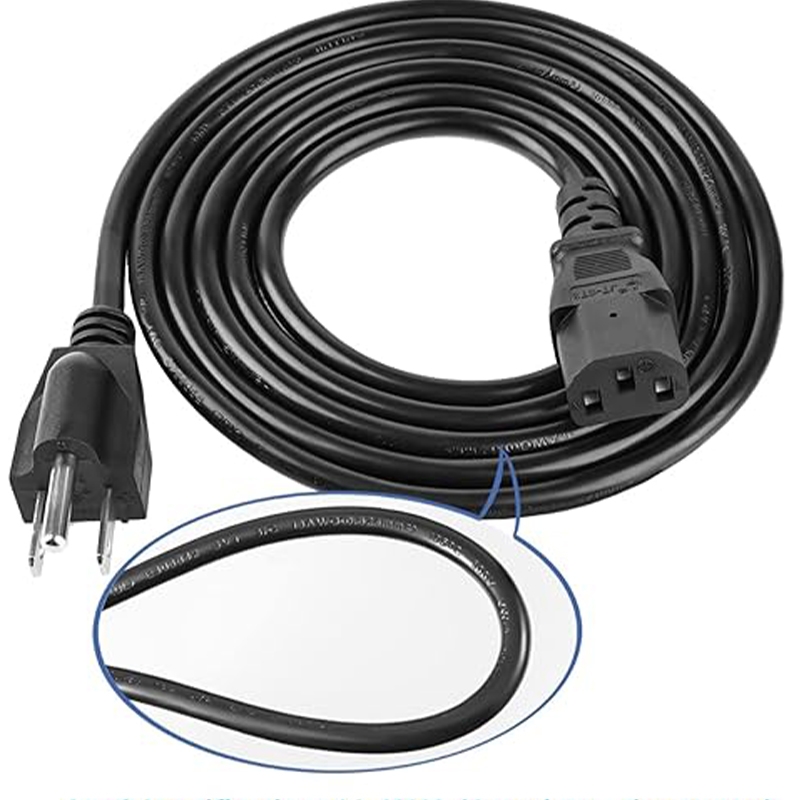
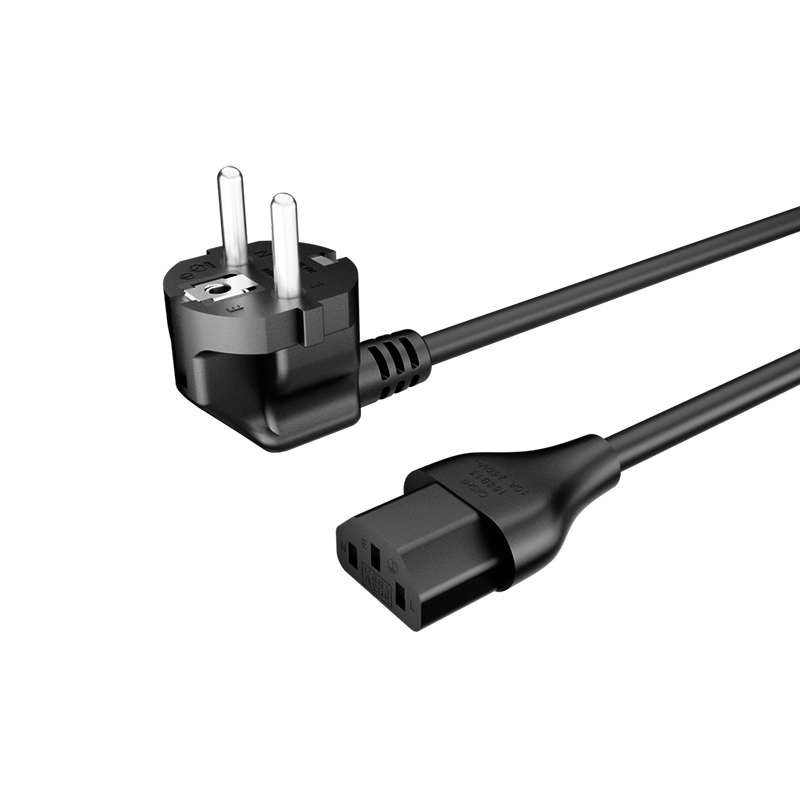
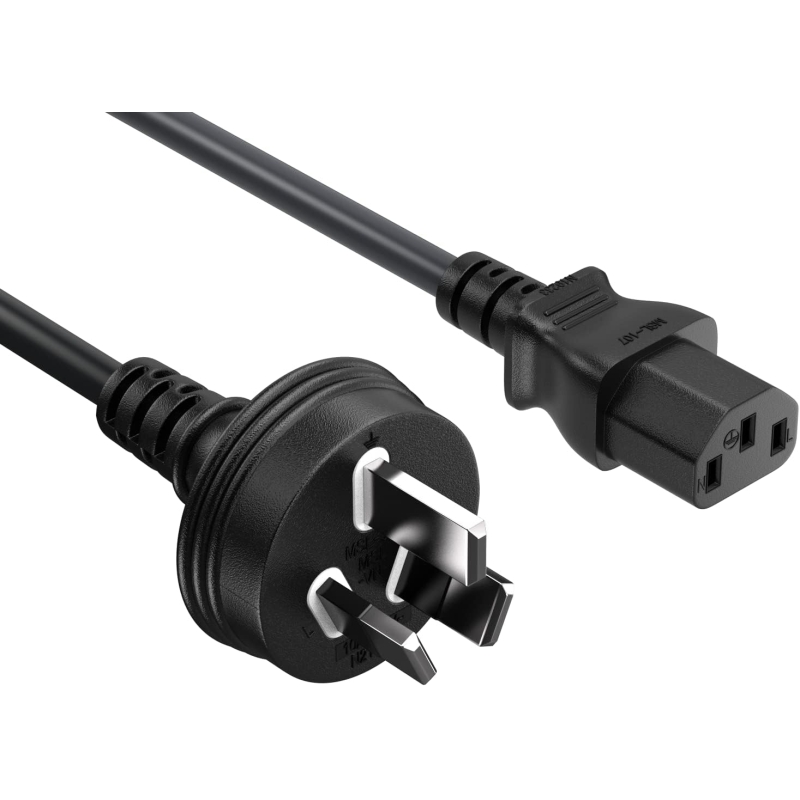
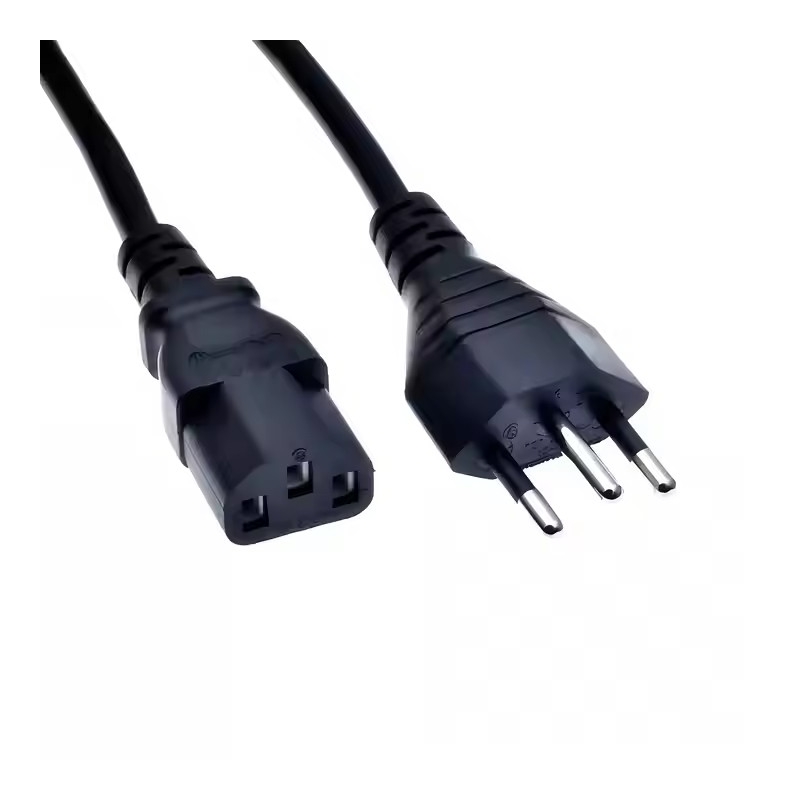
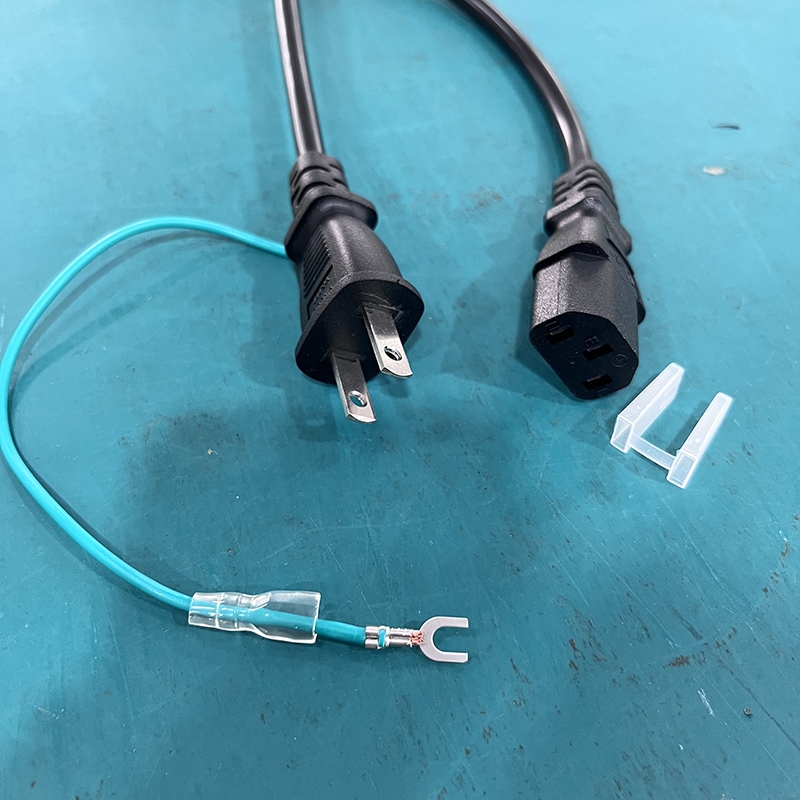
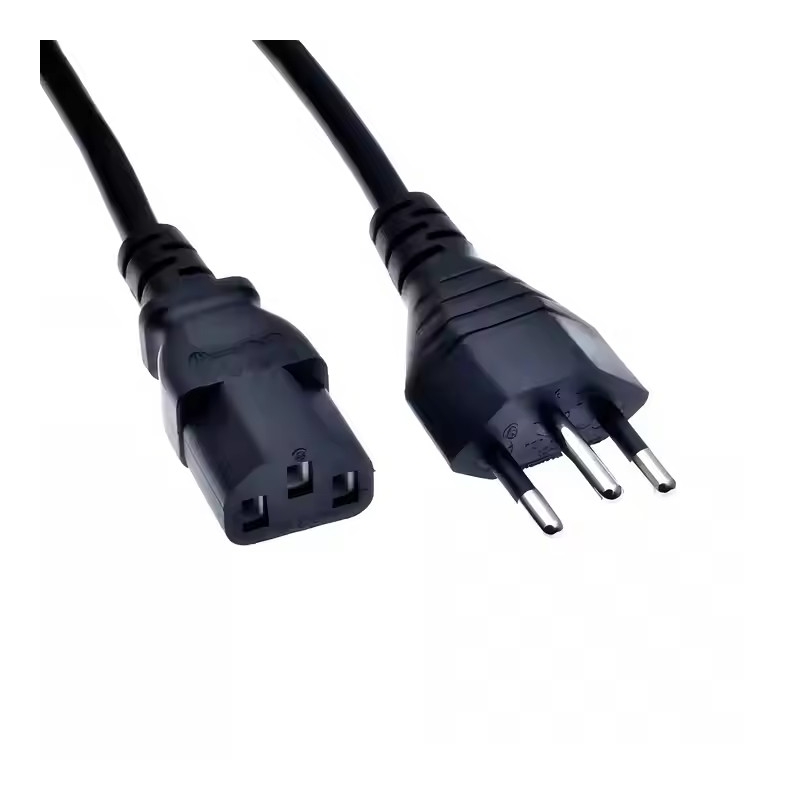
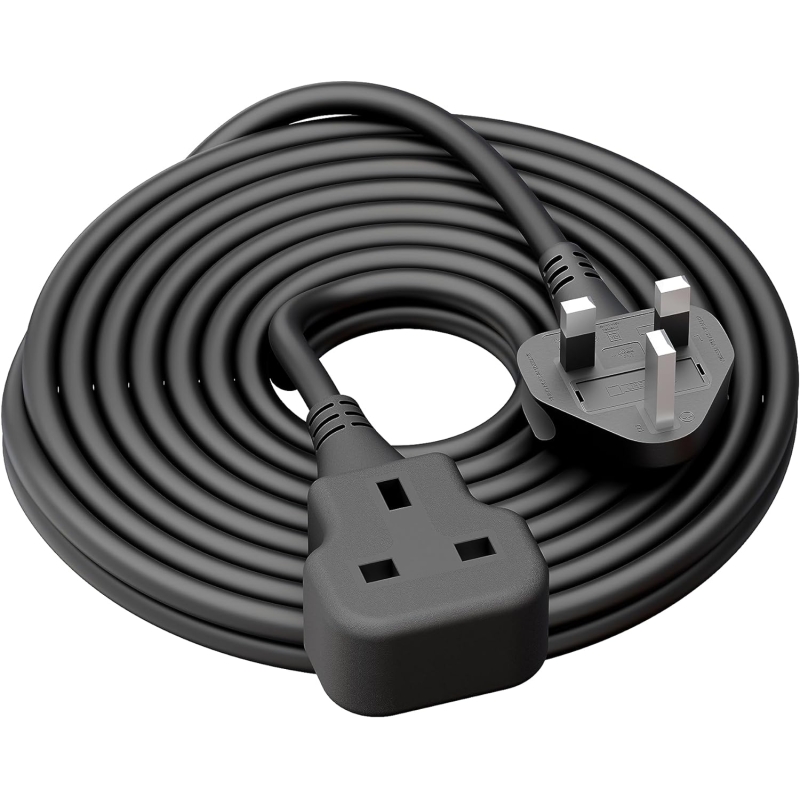
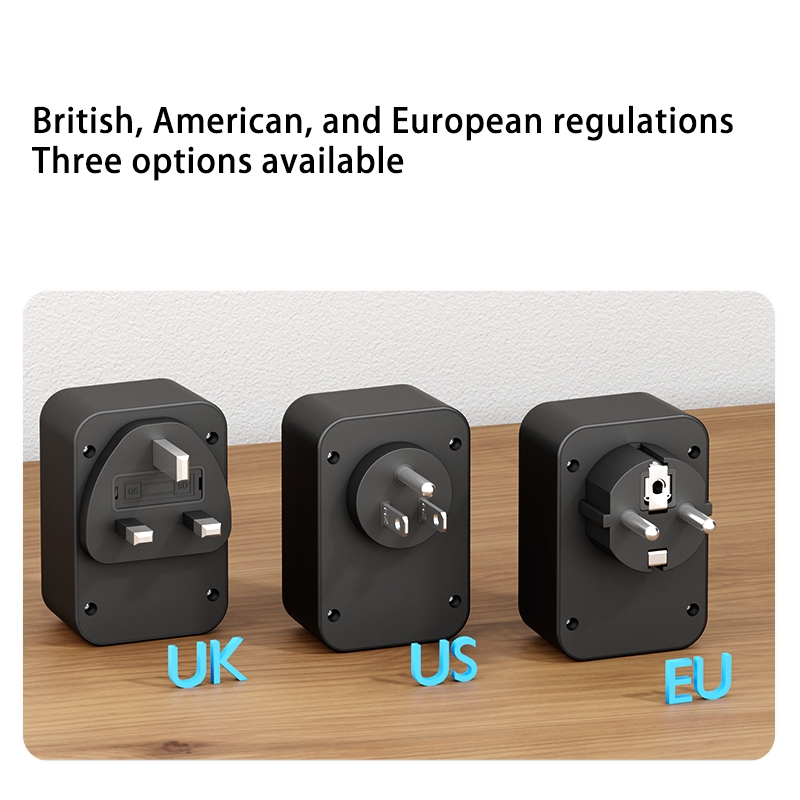
>> Step 1: Confirm the plug standard for your sales market
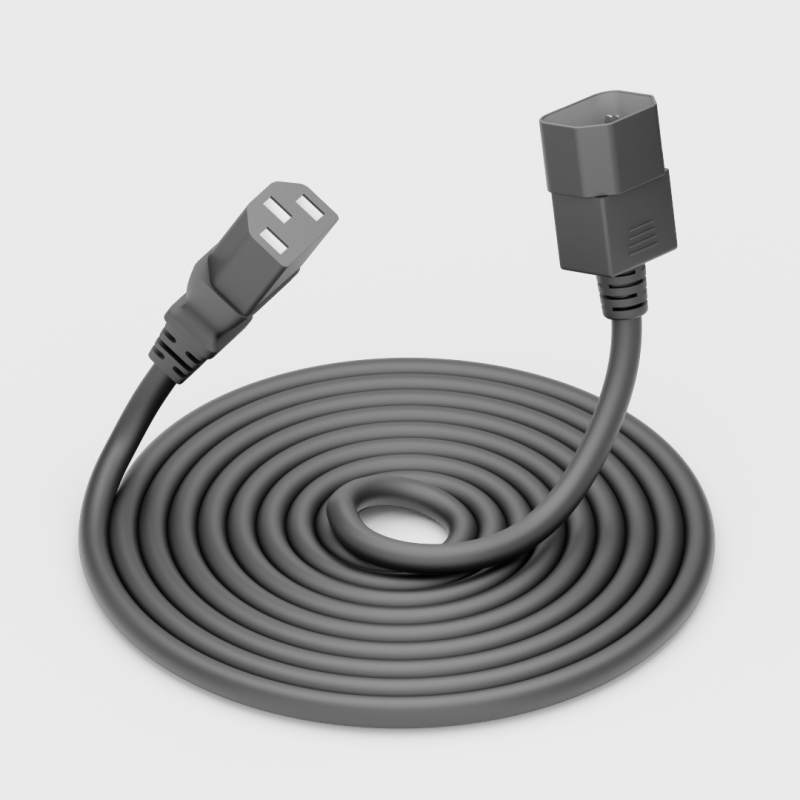
>> Step 2: Confirm the power cord specifications
>> Step 3: Check the mechanical construction
● 5. How to Verify USB Power Strip Safety and Product Quality
>> Step 1: Ask what tests the factory can actually perform
>> Step 2: Ask for the test conditions, not just the test name
>> Step 3: Distinguish internal testing from formal test reports
● 6. How to Check USB Power Strip Certifications for Your Target Market
>> Step 1: Identify the target country before checking certificates
>> Step 2: Verify the certificate scope
>> Step 3: Confirm certification availability before placing an order
● 7. How to Evaluate a USB Power Strip Manufacturer Before Bulk Ordering
>> Why factory visits and real production photos matter
● 8. How to Prepare an OEM USB Power Strip Inquiry
● 9. Work with a USB Power Strip Manufacturer for OEM and ODM Projects
Choosing a USB power strip is not simply a matter of comparing the number of outlets or selecting a model with a higher USB charging wattage. For importers, wholesalers, electrical brands and OEM buyers, several technical and manufacturing factors need to be considered before placing a bulk order.
Does the USB-C port deliver the charging power your customers expect? Can the product maintain stable output when multiple devices are connected? Are the internal components, power cord and plug suitable for your target market? Can the manufacturer demonstrate its actual production and testing capabilities?
A USB power strip combines mains electrical distribution with USB charging electronics. This makes product selection more complicated than purchasing a conventional extension socket.
In this guide, we explain how to evaluate a USB power strip step by step, what technical information to request from a supplier, and how to reduce purchasing risks before ordering.
1. How to Check Whether a USB-C Power Strip Can Charge Your Laptop
One common mistake buyers make is assuming that every USB-C port supports laptop charging.
USB-C describes the connector type, not the charging performance. A USB-C port does not automatically support USB Power Delivery (USB PD).
Before selecting a USB power strip, check the following three points.
Step 1: Confirm whether the USB-C port supports USB PD
USB charging products may support different output capabilities.
| USB charging type | What buyers should understand |
|---|---|
| USB-A standard charging | Commonly used for phones and smaller electronic devices |
| USB-C without PD | May support standard USB Type-C current levels at 5V |
| USB-C with PD | Supports negotiated power profiles for compatible devices |
| USB-C PD with higher output | Can support compatible tablets and laptops, depending on the available power profiles |
For buyers targeting laptop users, USB-C PD support is an important specification to verify.
Do not rely on descriptions such as ;USB-C fast chargingor "65W USB output alone. Ask the supplier to provide the supported USB PD profiles.
Step 2: Check the actual PD output profiles
USB Power Delivery uses Power Data Objects (PDOs) to communicate available voltage and current combinations between a power source and a connected device.
For example, a 65W USB-C port may offer an output configuration such as:
| Voltage | Current | Power |
|---|---|---|
| 5V | 3A | 15W |
| 9V | 3A | 27W |
| 12V | 3A | 36W |
| 15V | 3A | 45W |
| 20V | 3.25A | 65W |
This is an illustrative configuration, not a mandatory PDO list for every 65W charger.
When evaluating a supplier, ask for the actual PDO list of the proposed model. You should also confirm whether the charging cable supports the required current. A 20V/3.25A output requires a suitable 5A-rated USB-C cable with the appropriate electronic marking.
Step 3: Match the charging profile to the intended device
Different devices have different charging requirements.
A smartphone may work with a lower-power USB-C PD output, while a laptop may require a higher voltage and power profile.
Buyer tip: Before ordering, provide your supplier with the main devices your customers intend to charge. Ask the supplier to confirm compatibility based on the device requirements and the actual PD output profiles, rather than relying only on advertised wattage.
2. How to Check the Total USB Power Budget
A USB power strip may have several USB-A and USB-C ports, but the total USB output is not necessarily the sum of every port maximum rating.
This is particularly important for products with multiple USB charging ports.
Step 1: Distinguish single-port output from total output
Consider a USB power strip advertised with a 65W USB-C port and several additional USB ports.
You need to establish whether 65W refers to:
The maximum output of one USB-C port;
The maximum combined output of all USB ports; or
The maximum output available only when other ports are not being used.
These are different specifications.
Step 2: Ask for the power-sharing table
When multiple devices are connected, the charging module may distribute its available power among the ports.
For example, a product might use the following illustrative power allocation:
| Connected ports | Example output allocation |
|---|---|
| USB-C only | Up to 65W |
| USB-C + USB-A | 45W + 20W |
| Multiple ports in use | 30W + 20W + 15W |
These values are examples only. The actual output depends on the charging module design.
Ask the supplier for a port-combination table showing the output under different usage conditions.
Step 3: Confirm whether the output changes when devices are connected or disconnected
A good specification should explain how power is allocated when users connect several devices, unplug one device or change the connected equipment.
For OEM buyers, this information should be confirmed before approving the final product sample.
3. How to Evaluate the USB Charging Module in a Power Strip
The USB charging module is one of the most important components of a USB power strip. It determines the available charging protocols, output power, port configuration and charging performance.
For buyers, understanding where the module comes from and how it is integrated into the finished product is an important part of supplier evaluation.
Step 1: Ask where the USB charging module comes from
Not every power strip manufacturer produces its own USB charging modules. Some manufacturers source modules from external suppliers and integrate them into finished products.
This is not necessarily a disadvantage. What matters is whether the selected module meets the product requirements and whether the manufacturer can provide clear technical information.
When evaluating a supplier, ask:
- Where is the USB charging module sourced from?
- What USB PD protocols and output profiles does it support?
- Can the supplier provide technical specifications?
- Is the module suitable for the target market and product configuration?
- What documentation is available for the module?
Step 2: Check the module specifications before ordering
Do not select a USB power strip based only on its advertised charging wattage.
Request the following information:
- USB-A and USB-C port configuration;
- Maximum output power per port;
- Total combined USB output;
- Supported USB PD profiles (PDOs);
- Power-sharing behavior when multiple ports are used;
- Input voltage and frequency;
- Available protection features;
- Relevant technical documentation.
These details help buyers determine whether the module meets the requirements of their target customers.
Step 3: Evaluate module integration and finished-product quality
Even when the USB charging module is sourced externally, the finished power strip manufacturer still needs to ensure that the selected module is suitable for the product design and correctly integrated.
Check how the manufacturer manages:
- Module selection for the required product configuration;
- Module installation and electrical connections;
- Internal wiring and insulation;
- Enclosure design and component positioning;
- Finished-product inspection;
- Sample verification before mass production.

4. How to Check the Power Cord, Plug and Socket Configuration
The USB charging module is only one part of the product. The mains electrical components must also be suitable for the intended market.
Step 1: Confirm the plug standard for your sales market
Different markets use different plug and socket systems.
| Target market | Common plug or socket system to consider |
|---|---|
| United Kingdom | BS 1363 |
| United States | Applicable NEMA configurations |
| European markets | Relevant national plug systems, including Type F or Type E/F |
| Australia | AS/NZS 3112 |
| Singapore | Relevant local requirements, commonly based on the UK-style plug system |
This table is a starting point, not a complete certification checklist. Buyers should confirm the applicable national requirements for the exact product and intended use.
Step 2: Confirm the power cord specifications
Ask the supplier to confirm:
- Cable type and material;Number of conductors;Conductor cross-sectional area;Rated voltage and current;Cable length;Insulation and jacket material;Applicable certification requirements.
Do not select a cable only by looking at the product plug rating. The cord, plug, internal terminals and protective components must be evaluated as one complete electrical assembly.
Step 3: Check the mechanical construction
For a power strip, the socket structure, plug retention, internal connections and enclosure are also important.
Request clear product photographs and, where possible, inspect a physical sample before approving mass production.
5. How to Verify USB Power Strip Safety and Product Quality
A supplier testing capability is an important part of the purchasing decision. However, buyers should distinguish between having testing equipment, performing internal inspections and possessing formal test reports or third-party certification.
Step 1: Ask what tests the factory can actually perform
For USB power strips and extension products, relevant inspection and testing items may include:
| Test or inspection | What it helps evaluate |
|---|---|
| Aging test | Product operation during a defined aging process |
| Cord flexing test | Mechanical durability of the power cord under specified movement |
| Electrical continuity inspection | Whether electrical connections are correctly established |
| Insulation and dielectric tests | Electrical insulation performance, when suitable equipment and procedures are available |
| Temperature-rise test | Temperature changes under defined operating conditions |
| USB output test | Whether USB output matches specified voltage, current and power profiles |
| Plug and socket inspection | Mechanical dimensions and structural quality |
Not every factory performs all these tests in-house. Some tests may need to be completed by an accredited external laboratory.
Step 2: Ask for the test conditions, not just the test name
For example, an aging test is meaningful only when its operating conditions are defined.
Ask:
- What voltage and load are used?
- How long does the test run?
- How many samples are tested?
- What criteria define a pass or failure?
- Are the results recorded?
For a cord flexing test, ask about the movement angle, load, test speed and cycle count.
The test method and acceptance criteria should be appropriate to the product and applicable standard.
Step 3: Distinguish internal testing from formal test reports
A factory may have aging and cord flexing testing equipment without having a complete set of quantified test reports available for buyers.
In this case, do not present internal testing capability as proof that the product has passed every applicable safety test.
TISDLIP has internal aging testing and power cord flexing testing capabilities. These processes form part of our manufacturing and quality-control activities. Formal test reports and quantified test results should be requested and confirmed separately where required.
For buyers who need documented evidence, clarify which records are available and whether additional testing through a qualified third-party laboratory is necessary.

6. How to Check USB Power Strip Certifications for Your Target Market
Certification is another important consideration when importing or distributing USB power strips.
However, there is no single certification that automatically covers every USB power strip in every country.
The required standards may depend on the plug type, socket configuration, USB charging circuit, rated electrical parameters and intended market.
Step 1: Identify the target country before checking certificates
Start by confirming where the product will be sold.
For example:
- UK buyers should check the relevant BS 1363 requirements for the applicable plug and socket configuration.
- US buyers should check applicable requirements for relocatable power taps, including UL 1363 where relevant.
- Buyers in other markets should identify the applicable national adoption of relevant IEC standards and local regulatory requirements.
IEC 60884-1 provides general requirements for plugs and socket-outlets for household and similar purposes. IEC 60884-2-7 addresses cord extension sets.
These standards are useful reference points, but they should not be treated as universal approval for every USB power strip.
Step 2: Verify the certificate scope
Do not simply ask whether a supplier has a certificate.
Ask for the certificate or test documentation and check:
1. Certificate holder or applicant;
2. Manufacturer name;
3. Manufacturing location;
4. Product model and configuration;
5. Rated voltage and current;
6. Applicable standard and edition;
7. Whether the USB charging section is included in the evaluation.
A certificate for a conventional extension socket does not automatically cover a USB power strip with an integrated charging module.
Step 3: Confirm certification availability before placing an order
If a supplier certification coverage is incomplete, ask for a clear explanation of:
- Existing certificates;
- Models and configurations covered;
- Missing certifications;
- Additional testing requirements;
- Estimated certification process and cost.
Certification availability should always be confirmed according to the selected product configuration and target market.
This is especially important for private-label products, because changing the plug, USB module, rated output or enclosure may affect the certification scope.
For OEM buyers, it is better to confirm certification requirements during the product development stage rather than discovering missing documentation after mass production.
7. How to Evaluate a USB Power Strip Manufacturer Before Bulk Ordering
A product specification alone cannot tell you whether a supplier can consistently manufacture the product.
For OEM and ODM buyers, factory capability, production control and communication are equally important.
Use the following checklist when evaluating a potential supplier.
| What to check | Questions to ask |
|---|---|
| Manufacturing capability | Does the factory manufacture the finished USB power strip or only trade finished products? |
| USB module sourcing | Where does the charging module come from, and what specifications are available? |
| Product integration | How are the charging module, socket structure and power cord integrated? |
| Customization | Can the plug, socket layout, USB ports, cable and packaging be customized? |
| Testing equipment | What internal tests can the factory actually perform? |
| Quality control | How are materials, production processes and finished products checked? |
| Certifications | Which exact models and configurations are covered? |
| Samples | Can the factory provide a sample for technical evaluation? |
| Lead time | What are the sample and mass-production lead times? |
8. How to Prepare an OEM USB Power Strip Inquiry
To receive an accurate quotation, provide your supplier with clear product requirements.
The following information will help reduce repeated communication and avoid specification misunderstandings.
| nformation | Example |
|---|---|
| Target market | UK, US, EU, Australia or other |
| Plug type | BS 1363, NEMA, Type F or other |
| Socket quantity | 3 outlets, 4 outlets, 6 outlets |
| USB configuration | USB-A + USB-C |
| USB-C output | 20W, 30W, 45W, 65W or custom |
| PD profiles | Required PDO configuration |
| Total USB output | Required combined power |
| Power cord | Cable type, conductor size and length |
| Product design | Housing color, dimensions and layout |
| Branding | Logo, label and packaging |
| Quantity | Estimated order quantity |
| Certification | Required market and applicable standards |
If you are developing a new USB power strip, it is also useful to provide a reference product, product drawing or sample.
The manufacturer can then evaluate the product structure, electrical configuration, module selection, customization requirements and certification scope more accurately.
9. Work with a USB Power Strip Manufacturer for OEM and ODM Projects
Choosing a USB power strip supplier involves more than comparing unit prices. Buyers need to understand the charging module, total output, electrical structure, testing capabilities and certification requirements before committing to bulk production.
TISDLIP focuses on power cords, extension cords, power strips and related electrical components. For USB power strip
Our manufacturing operations include product assembly, customization, power cord and plug selection, and internal aging and cord flexing testing.
With approximately 20 years of manufacturing experience, a 40,000 m² factory facility and more than 300 employees, we provide OEM and ODM support for overseas brands, wholesalers and manufacturers.
For customized projects, buyers can discuss plug types, socket layouts, USB-A and USB-C configurations, charging output requirements, power cord specifications, product appearance, branding and packaging with our team.
If you are sourcing a USB power strip for your market, contact us with your target country, charging requirements and estimated order quantity.
Contact TISDLIP to discuss your USB power strip project.
Website: https://www.tisdlip.com/
Frequently Asked Questions
1. Does every USB-C power strip support laptop charging?
No. USB-C refers to the connector type. Laptop charging generally requires a suitable USB Power Delivery profile and sufficient output power. Check the actual PDO list before ordering.
2. Is a 65W USB power strip always capable of delivering 65W to one laptop?
Not necessarily. Confirm whether 65W refers to the maximum single-port output or the total combined USB output. Also check whether the output changes when multiple ports are used.
3. What is the difference between USB-C and USB PD?
USB-C is a connector and cable interface. USB Power Delivery is a charging protocol that enables compatible devices and power sources to negotiate supported power levels.
4. How can I check whether a USB power strip supports my target devices?
Request the USB PD output profiles, supported port combinations and relevant compatibility information. Compare these specifications with the charging requirements of your target devices.
5. What tests should I ask a USB power strip manufacturer about?
Start by asking about aging tests, cord flexing tests, USB output verification, electrical safety testing and temperature-rise testing. Confirm the test conditions, acceptance criteria and whether documented results are available.
6. Does having aging and cord flexing testing equipment mean the product is fully certified?
No. Internal testing equipment demonstrates certain testing capabilities, but it does not replace applicable product certification or formal testing by a qualified laboratory.
7. What certifications are required for USB power strips?
Requirements depend on the destination market, plug and socket configuration, product construction and USB charging section. Confirm the applicable standards and certificate scope for the exact model.
8. Can a power strip manufacturer use an externally sourced USB charging module?
Yes. Many finished-product manufacturers source USB charging modules from specialized suppliers and integrate them into their products. Buyers should verify the module specifications, documentation and suitability for the final product.
9. Can I customize a USB power strip for my own brand?
Yes, depending on the manufacturer's capabilities. Typical OEM requirements include plug type, socket quantity, USB-A and USB-C configuration, PD output, cable length, housing color, logo and packaging.
10. What should I send a supplier when requesting a USB power strip quotation?
Provide your target market, plug type, socket layout, USB output requirements, cable specifications, order quantity, branding requirements and certification expectations. A reference sample or drawing can also help.



 Email
