


The Ultimate Guide to RoHS 10 Compliance for Plug Inserts: Strategies for Manufacturers and Exporters
Content Menu
● 1. What Is a Plug Insert and Why Does RoHS Compliance Matter?
>> 1.1 The Critical Role of Plug Inserts
>> 1.2 Evolution of RoHS Regulations
>> 1.3 Why Compliance Matters for Manufacturers
● 2. The 10 Restricted Substances in Plug Inserts
● 3. Which Components Are Tested?
● 4. Step-by-Step RoHS Testing Process
● 6. How to Choose a Compliant Plug Insert Supplier
● Frequently Asked Questions (FAQ)

In today's highly regulated global electronics market, RoHS compliance is a critical competitive advantage. For electronics brands, sourcing managers, and power cord manufacturers, the plug insert (also known as the plug inner frame) serves as the core component that ensures mechanical precision, electrical safety, and long-term reliability.
With the European Union strictly enforcing RoHS Directive 2011/65/EU (RoHS 2) and its amendment (EU) 2015/863 (RoHS 10), achieving full compliance has become essential. Non-compliance can result in customs blocks, product recalls, heavy fines, and significant brand damage.
This comprehensive guide draws on over 20 years of manufacturing expertise to provide actionable strategies for RoHS 10 compliance specifically for plug inserts.
1. What Is a Plug Insert and Why Does RoHS Compliance Matter?


1.1 The Critical Role of Plug Inserts

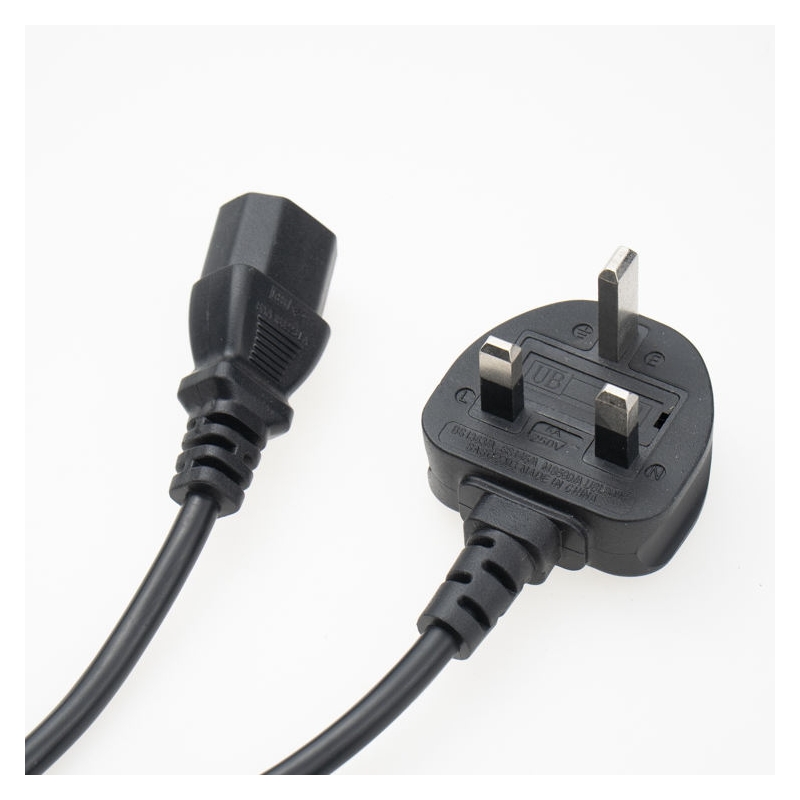
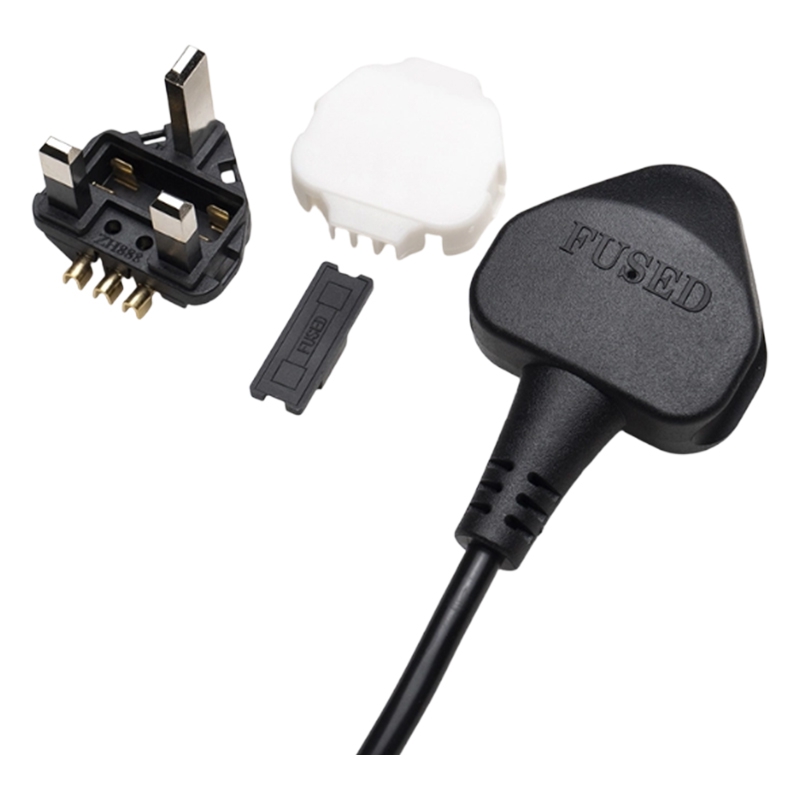
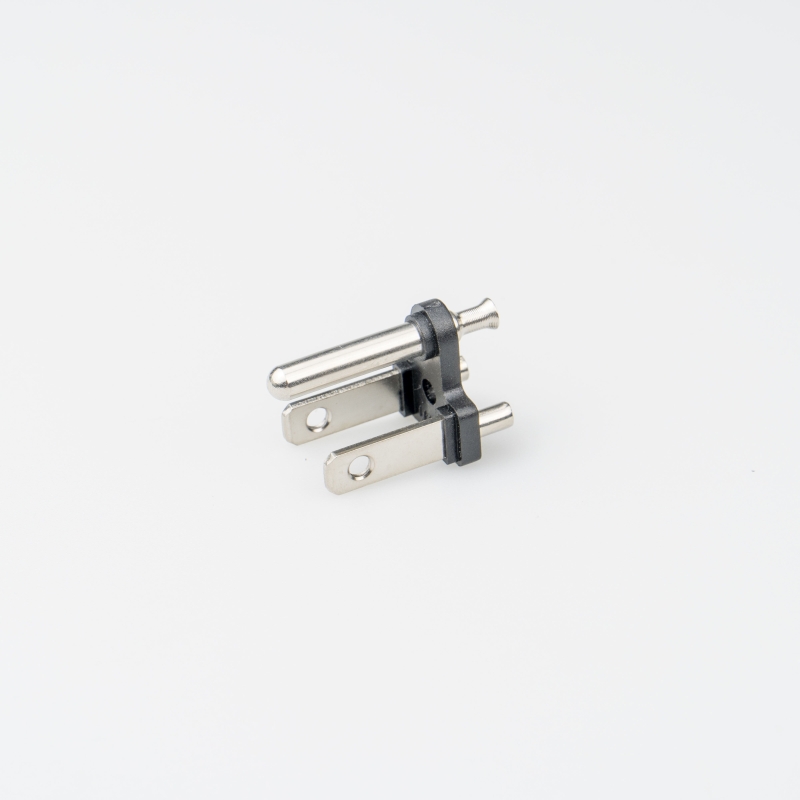
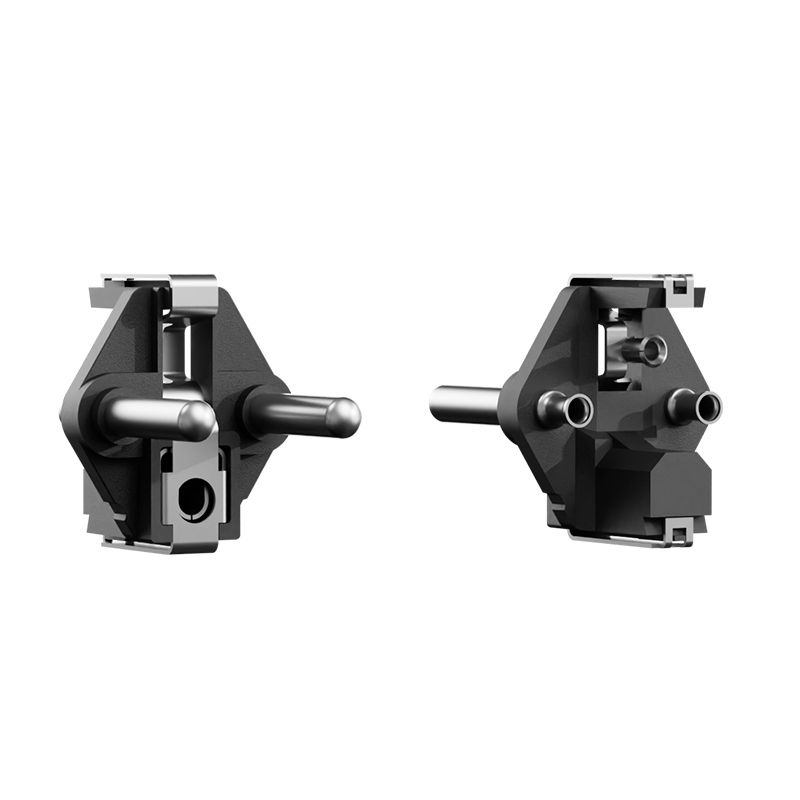
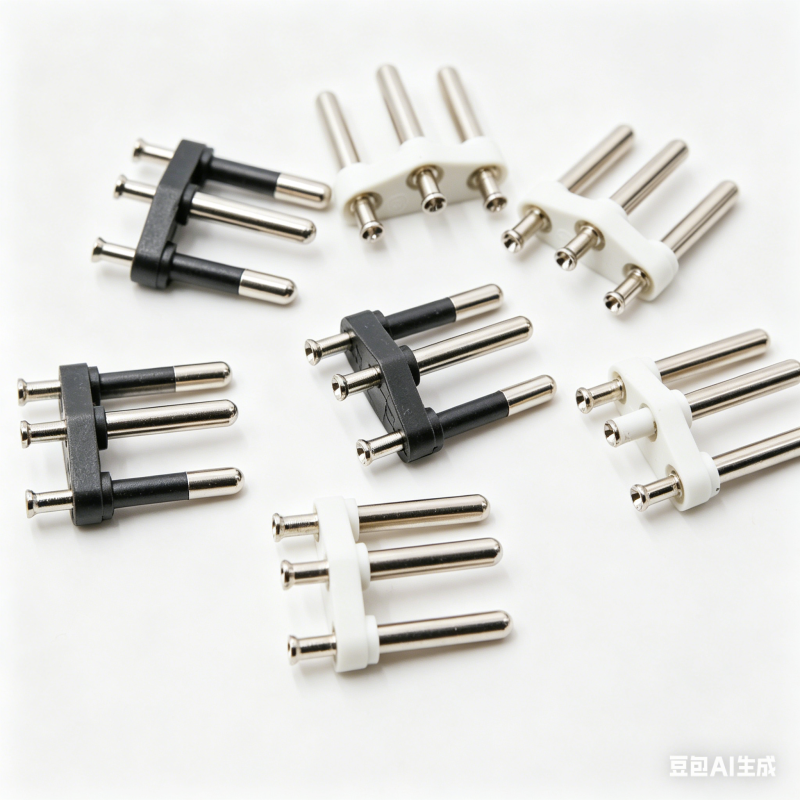
A plug insert forms the mechanical and structural core of an electrical power plug. It precisely positions brass pins, ensures perfect mating with sockets, and provides reliable electrical insulation between live, neutral, and earth conductors.
Common Materials Used:
- Brass Pins & Copper Strips: High conductivity, mechanical strength, and corrosion resistance.
- Polybutylene Terephthalate (PBT): Excellent dimensional stability and heat resistance.
- Polyamide 66 (PA66 / Nylon): Superior impact resistance and mechanical durability.
- PVC Sheathing: Flexibility, insulation, and strain relief.
1.2 Evolution of RoHS Regulations

```
RoHS 1.0 (2002/95/EC) → 6 Restricted Substances
│
▼
RoHS 2 (2011/65/EU) → Expanded Scope + CE Marking
│
▼
RoHS 10 (2015/863) → +4 Phthalates (Total 10 Substances)
RoHS 10 is now the mandatory baseline for all electrical and electronic equipment (EEE) entering the EU market, applying to every homogeneous material, including plug inserts.
1.3 Why Compliance Matters for Manufacturers
- Blocked at EU customs if non-compliant
- Major e-commerce platforms require verified RoHS reports
- Essential prerequisite for CE and UKCA marking
- Reduces risk of recalls, lawsuits, and contract cancellations
2. The 10 Restricted Substances in Plug Inserts
| Substance Group | Substance | Limit (ppm) | Common Locations | Key Risk | Recommended Solution |
|---|---|---|---|---|---|
| Heavy Metals | Lead (Pb) | ≤ 1000 | Brass pins, soldering | Neurotoxicity | Lead-free brass or Exemption 6(c) |
| Cadmium (Cd) | ≤ 100 | Platings, pigments | Kidney damage, carcinogen | Cadmium-free plating | |
| Mercury (Hg) | ≤ 1000 | Stabilizers | Nervous system toxicity | Strict raw material screening | |
| Hexavalent Chromium (Cr⁶⁺) | ≤ 1000 | Corrosion coatings | Carcinogenic | Switch to Trivalent Chromium (Cr³⁺) | |
| Brominated Flame Retardants | PBB / PBDE | ≤ 1000 | Flame retardants in plastics | Endocrine disruptors | Halogen-free flame retardants |
| Phthalates | DEHP, BBP, DBP, DIBP | ≤ 1000 | PVC plasticizers | Reproductive toxicity | Non-phthalate alternatives (DOTP, DINCH) |
Important Note on Exemption 6(c): Copper alloys may contain up to 4% lead for machinability. However, progressive manufacturers now offer low-lead (<1000 ppm) and lead-free brass plug inserts to future-proof their products.
3. Which Components Are Tested?

RoHS testing is performed on homogeneous materials:
Plug Insert
├── Brass Pins & Copper Terminals → Heavy Metals (Pb, Cd, Hg, Cr⁶⁺)
├── Plastic Body (PBT/PA66/PVC) → PBB, PBDE + 4 Phthalates
└── Surface Plating Layers → Cr⁶⁺ and Cd
4. Step-by-Step RoHS Testing Process
Stage 1: Supplier Screening
→ Stage 2: XRF Rapid Scan
→ Stage 3: Wet Chemical Analysis
→ Stage 4: Official Compliance Report
4.1 Supplier Screening
Require up-to-date RoHS reports, REACH SVHC declarations, and MSDS.
4.2 XRF Rapid Screening
Fast, non-destructive method for detecting Pb, Cd, Hg, and total Chromium.
4.3 Laboratory Chemical Analysis
- ICP-OES/MS for heavy metals
- GC-MS for phthalates and brominated retardants
Typical lead time: 3–7 working days.
4.4 Final RoHS Test Report
Must include component photos, test methods (IEC 62321), quantitative results, and clear Pass/Fail statement.
5. Global RoHS Requirements
| Region | Requirement | Key Points |
|---|---|---|
| European Union | Mandatory RoHS 10 | Strict customs enforcement |
| United Kingdom | UKCA + RoHS | Aligned with EU standards |
| North America | Brand & State Requirements | Often required by retailers (e.g. California Prop 65) |
| Japan | J-MOSS (JIS C 0950) | Strict documentation & labeling |
6. How to Choose a Compliant Plug Insert Supplier
Key Evaluation Criteria:
1. Third-Party Test Reports from SGS, TÜV, Intertek, or UL
2. Strong Traceability and ISO 9001 certification
3. On-site XRF equipment for incoming material control
4. Complete Compliance Portfolio (RoHS 10 + REACH + CE/UKCA)
[Suggested Image: Factory / Laboratory]
*(Insert here: Clean photo of modern factory production line or testing laboratory with XRF equipment. Caption: "Professional RoHS Compliant Manufacturing")*
7. Conclusion
RoHS 10 compliance is no longer just a regulatory requirement — it is the foundation of sustainable and competitive electronics manufacturing. By selecting a professional plug insert manufacturer with rigorous material control, advanced testing capabilities, and verified documentation, companies can confidently access global markets while minimizing compliance risks.
Ready to source RoHS compliant plug inserts? Partner with an experienced manufacturer who treats compliance as a core capability, not an afterthought.
Frequently Asked Questions (FAQ)
Q1: Does the RoHS directive apply directly to a plug insert component on its own?
A1: Yes. Although a plug insert is an intermediate component, it is considered part of the final electrical equipment. All homogeneous materials in the plug insert must individually comply with RoHS 10 limits before assembly. Most B2B buyers and brands require component-level RoHS test reports.
Q2: How can a factory distinguish between Hexavalent Chromium (Cr⁶⁺) and Trivalent Chromium (Cr³⁺) during testing?
A2: XRF screening only detects total chromium content. When total chromium is found, laboratories use specific chemical analysis methods according to IEC 62321-7-1 or IEC 62321-7-2 standards (colorimetric method) to determine whether the restricted Hexavalent Chromium is present.
Q3: What happens if a plug insert fails a customs compliance audit in the EU?
A3: Non-compliant shipments can be blocked or seized at the border. In serious cases, this may trigger a mandatory product recall, notification on the EU Safety Gate (RAPEX) system, substantial fines, and potential long-term loss of market access for the brand.
Q4: How long is a third-party laboratory RoHS test report valid?
A4: RoHS reports do not have a fixed expiration date, but industry best practice recommends updating them annually. A new test is mandatory if there is any change in raw material suppliers, plastic formulations, or production processes.
Q5: Are there specific RoHS exemptions that apply to plug insert manufacturing?
A5: Yes. The most relevant is Exemption 6(c) under Annex III, which allows up to 4% lead in copper alloys (including brass) for machinability. This exemption is periodically reviewed. Many forward-thinking buyers now prefer low-lead or lead-free alternatives.
Q6: Is REACH SVHC declaration also required for plug inserts?
A6: Yes. While RoHS focuses on the 10 restricted substances, REACH requires disclosure of Substances of Very High Concern (SVHC). Professional plug insert manufacturers usually provide both RoHS and REACH documentation together.
Q7: Can XRF testing alone be used for final RoHS compliance?
A7: No. XRF is excellent for rapid screening, but full compliance certification requires wet chemical analysis (ICP-MS and GC-MS) performed by an accredited laboratory for accurate quantification, especially for phthalates and Cr⁶⁺.
References
European Commission. (2024). Restriction of Hazardous Substances in Electrical and Electronic Equipment (RoHS). Official RoHS Directive
European Commission. Annex III – Technical Documentation and Exemptions.
IEC 62321 Series. Determination of certain substances in electrotechnical products. International Electrotechnical Commission.
UK Department for Business and Trade. UKCA Marking and RoHS Regulations.
SGS Group. RoHS Testing and Compliance Services.
TÜV Rheinland. Hazardous Substances Testing and Certification.
California Department of Toxic Substances Control. Proposition 65.



 Email
Email