


Overload Protection vs Thermal Protection in Power Strips B2B Guide
Content Menu
● Understanding Overload Protection in Power Strips: Definition and Operating Principle
● Understanding Over-Temperature Protection in Power Strips: Causes and Response Mechanisms
● Overload Protection vs. Over-Temperature Protection: Key Differences and Complementary Roles
● Why Power Strips Require Overload Protection in Multi-Device Environments● How to Iterpret Power Strip Electrical Ratings Correctly
● High-Power Appliances and Safe Use of Power Strips
● Does Overload Protection Alone Make a Power Strip Fully Safe?
● Key Checks for B2B Buyers When Purchasing Power Strips
● Safey Standards and Certifications That Build Buyer Confidence
● How Professional Manufacturers Strengthen Power Strip Safety
● Custom Overload-Protected Power Strips for OEM and ODM Projects
● TISDLIP OEM/ODM Power Strip and Extension Lead Solutions
● Frequently Asked Questions for Buyers and Specifiers
Modern homes and offices depend heavily on power strips and extension leads. Computers, monitors, printers, chargers, kitchen appliances, and multiple mobile devices frequently share limited wall outlets. This multi-device reality creates two related but distinct risks: electrical overload (excessive current) and excessive temperature rise.
For B2B buyers, wholesalers, importers, distributors, and brand owners sourcing power strips, understanding the difference between overload protection and over-temperature (thermal) protection is critical. The two features address different failure modes. Correct selection of protection type, electrical ratings, cable specifications, materials, and market certifications directly influences product safety, regulatory acceptance, and long-term reliability.

Understanding Overload Protection in Power Strips: Definition and Operating Principle
Overload protection is a safety function that responds when the total current drawn through the power strip exceeds its continuous rated capacity.
How Overload Protection Detects and Interrupts Excessive Current
Electrical overload occurs when connected loads demand more current than the power strip and its supply cable are designed to carry continuously. Rated current, rated voltage, and maximum power are linked by the relationship:
Maximum Power (W) ≈ Rated Current (A) × Rated Voltage (V).
When sustained current exceeds the design limit, the protective device—commonly a thermal-magnetic circuit breaker or bimetallic thermal trip—interrupts the circuit. Heat generated by the excess current causes a bimetallic strip to bend and open the contacts, cutting power and limiting further heating of conductors, terminals, and insulation.

Why Overload Protection Is Critical for Long-Term Safety
Continuous overload produces heat in the cable, internal conductors, and connection points. Over time this heat degrades insulation, loosens terminals, and elevates fire risk. Proper overload protection limits these effects, protects the conductive path, and raises the overall safety level of the power strip when the product is used within its marked ratings.
Understanding Over-Temperature Protection in Power Strips: Causes and Response Mechanisms
Over-temperature protection (thermal protection) responds to excessive temperature rather than current magnitude alone.
Common Causes of Overheating in Power Strips
Even when current remains within the nominal rating, temperature can rise due to: Prolonged operation near the rated maximum load 、Poor contact between plug pins and socket contacts 、Loose or poorly constructed terminal connections、Undersized or mismatched cable 、Elevated ambient temperature 、Restricted airflow or inadequate heat dissipation around the housing 。Any of these factors can produce localized hot spots inside the product.
How Thermal Protection Devices Interrupt Power
A thermal protection device monitors temperature at a critical location. When the temperature reaches a pre-set threshold, the mechanism opens the circuit. Some designs are resettable (manual or automatic); others are one-time thermal fuses. Sensor placement, trip temperature, and mechanical construction vary between manufacturers, so buyers should confirm the exact method used on each model.

Overload Protection Extension lead vs. Over-Temperature Protection Power Strips: Key Differences and Complementary Roles
| Feature | Overload Protection | Over-Temperature Protection |
|---|---|---|
| Main Focus | Excessive current / load | Excessive temperature |
| Trigger Condition | Sustained overload current | Temperature reaching set threshold |
| Main Purpose | Reduce risk from excess current | Reduce risk from overheating |
| Typical Application | Power strips, extension leads | Power strips, adapters, electrical equipment |
| Can They Be Combined? | Yes | Yes |
The two protections complement each other. Overload protection reacts primarily to current; thermal protection reacts to the temperature that may result from current, contact resistance, ambient conditions, or other factors. High-quality power strips frequently incorporate both.
Why Power Strips Require Overload Protection in Multi-Device Environments
How Multiple Connected Devices Increase Total Load
Typical connected loads include computers, monitors, printers, phone and laptop chargers, kitchen appliances, and other household or office equipment. Individually many devices draw modest power, but their combined demand can approach or exceed the strip's rated capacity.
Why Socket Quantity Does Not Equal Higher Power Capacity
A common misconception is that more outlets automatically provide higher power capacity. A 6-way or 8-way power strip does not support any combination of high-power devices. The limiting factors remain the rated current and the maximum continuous power of the complete assembly, including the cable. Buyers and end users must always refer to the marked ratings rather than the number of sockets.
How to Interpret Power Strip Electrical Ratings Correctly
Rated Voltage Across Major Markets
Common values include 125 V (North America), 220–240 V (many international markets), and 250 V (certain European and other standards).
Rated Current Options
Typical ratings are 10 A, 13 A, and 16 A, depending on the target market and applicable standard.
Calculating Approximate Maximum Power
Examples (approximate): 10 A × 250 V ≈ 2500 W /13 A × 250 V ≈ 3250 W /16 A × 230 V ≈ 3680 W
Actual values must follow the specific product marking and the standard under which the product is certified. Always verify the declared ratings on the finished product.
High-Power Appliances and Safe Use of Power Strips
| Appliance | Typical Power | Consideration |
|---|---|---|
| Phone Charger | 5–100 W | Generally suitable |
| Laptop | 45–200 W | Generally suitable |
| Monitor | 30–200 W | Generally suitable |
| Desktop PC | 200–800 W+ | Check total load |
| Air Fryer | 1200–2200 W | High load |
| Electric Kettle | 1500–3000 W | High load |
| Space Heater | 1000–2500 W+ | High load |
Overload protection does not authorize use beyond the rated capacity. High-power appliances must be evaluated against the strip's maximum power rating. Multiple high-load devices should not be connected simultaneously unless the total remains safely within limits.
Does Overload Protection Alone Make a Power Strip Fully Safe?
Overload Protection Is a Safety Feature, Not a Capacity Upgrade
The protective device is not a means of increasing capacity. It is a safeguard that responds when the design limit is exceeded. Continuous operation near or above the rated load remains unsafe practice.
Why Buyers Should Not Rely Solely on Overload Protection
Reliable safety also depends on: Correct continuous load relative to ratings 、Proper cable type and conductor cross-section 、Correct plug and socket standards for the target market 、Robust internal terminal construction、 Compliance with applicable safety standards 、Complete type testing and ongoing quality control
Protection features perform best when the entire product is engineered and manufactured to the correct specification.
Key Checks for B2B Buyers When Purchasing Power Strips
Essential Electrical Specifications to Verify
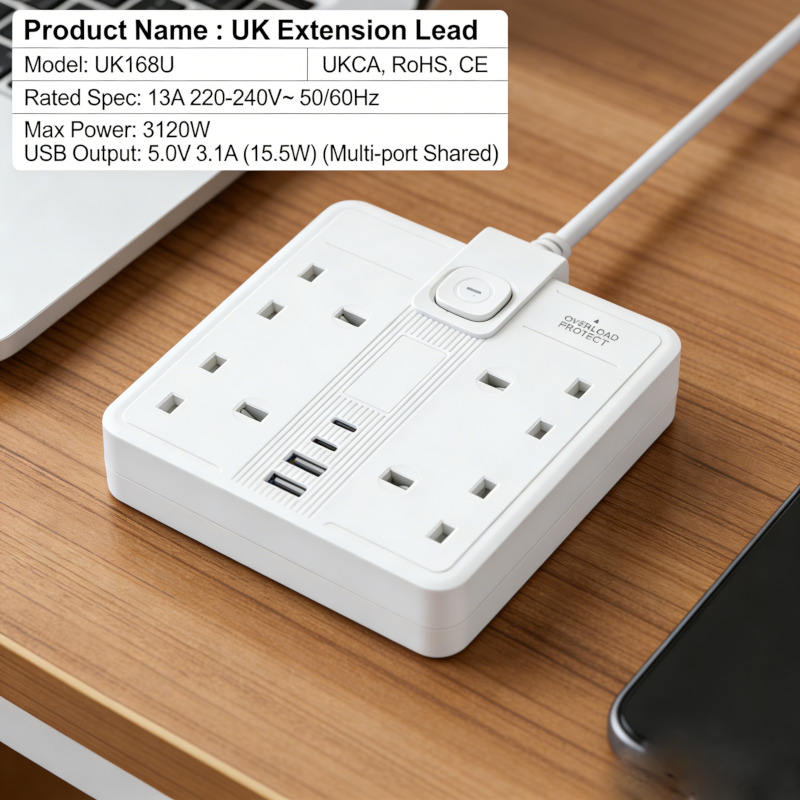
Confirm rated voltage, rated current, maximum power, and frequency for the intended market.
Cable Specifications That Directly Affect Safety and Performance
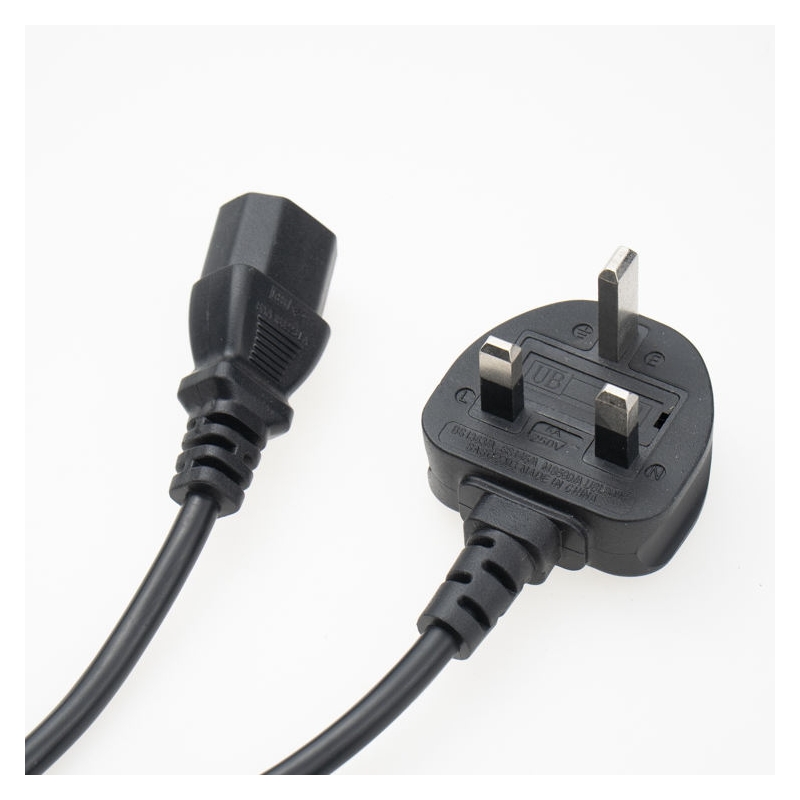
Key parameters include cable type (e.g., H05VV-F, H07RN-F, SVT, SJT), conductor size (e.g., 3G1.5 mm² or 3G2.5 mm²), length, and insulation material. Cable selection must match both the current rating and the mechanical/environmental requirements of the application.
Protection Features to Evaluate
Assess the presence and type of overload protection, thermal protection, surge protection (where required), short-circuit protection, and child-protection shutters.

Material and Construction Quality Indicators
Look for flame-retardant housing (commonly PC or equivalent), quality copper conductors and terminals, solid terminal construction, and materials capable of withstanding expected temperatures.
Safety Standards and Certifications That Build Buyer Confidence
Why Compliance with Regional Safety Standards Matters
Different markets enforce different standards. Appearance and price alone do not guarantee compliance or safety performance.
Common Certification Requirements by Major Market
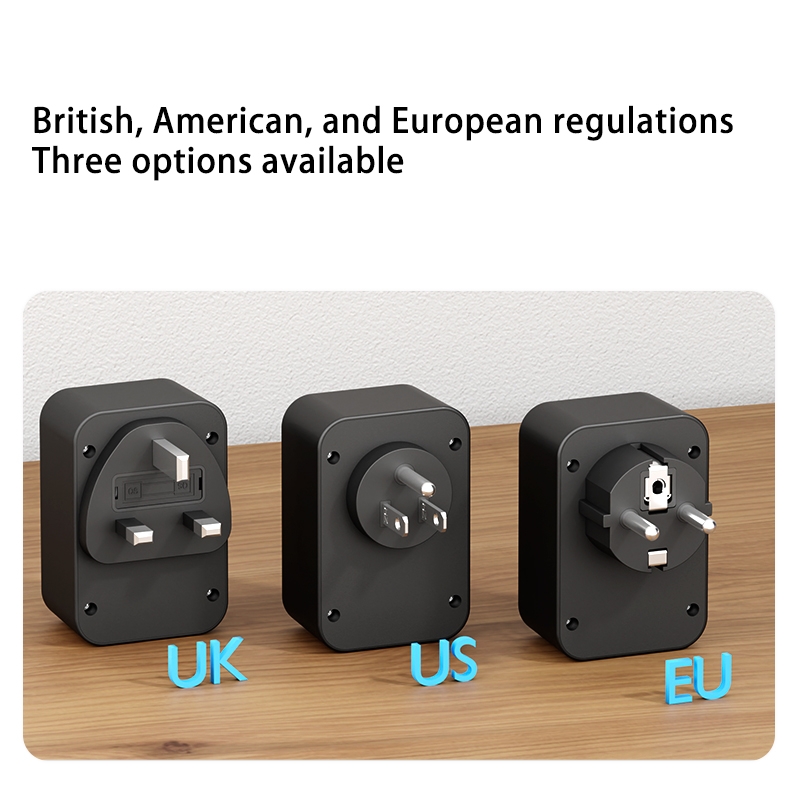
- United Kingdom: BS 1363 series / UKCA
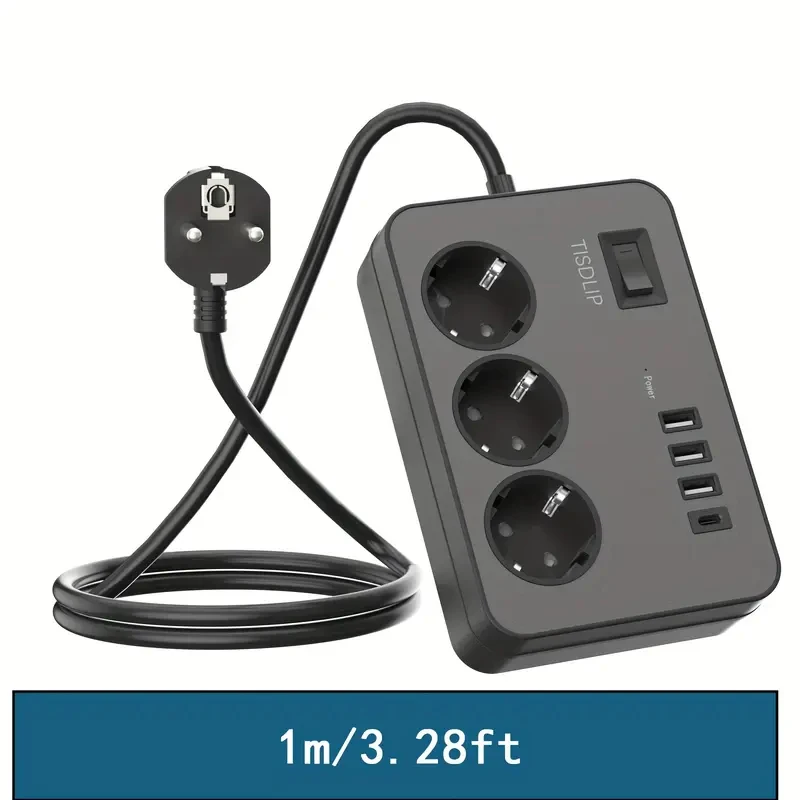
- European Union: CE marking under Low Voltage Directive, typically based on EN 60884 series and related standards
- United States: UL 1363 for relocatable power taps
- Australia / New Zealand: AS/NZS standards with RCM marking; overload protection often mandatory for multi-outlet strips
- Japan, Middle East, and other regions: national standards and required marks
Typical Factory and Type-Test Activities
Continuity, polarity, high-potential (hi-pot), insulation resistance, temperature-rise, load, and flame-retardant testing are commonly performed. Buyers should request evidence of the relevant tests and certificates for the specific product configuration.
How Professional Manufacturers Strengthen Power Strip Safety
Product Design Choices That Reduce Risk
Careful design of socket geometry, protection-device placement, cable entry and strain relief, conductor sizing, and housing materials forms the foundation of safety performance.
Production Process Controls
Consistent quality depends on controlled copper-component supply, precise injection molding, accurate cable processing, reliable assembly methods, and, where applicable, automated production lines.
Multi-Stage Quality Inspection
A structured system typically covers incoming materials, in-process checks, electrical testing, and final inspection before shipment.
Custom Overload-Protected Power Strips for OEM and ODM Projects
Customization Options Available to Brand Owners
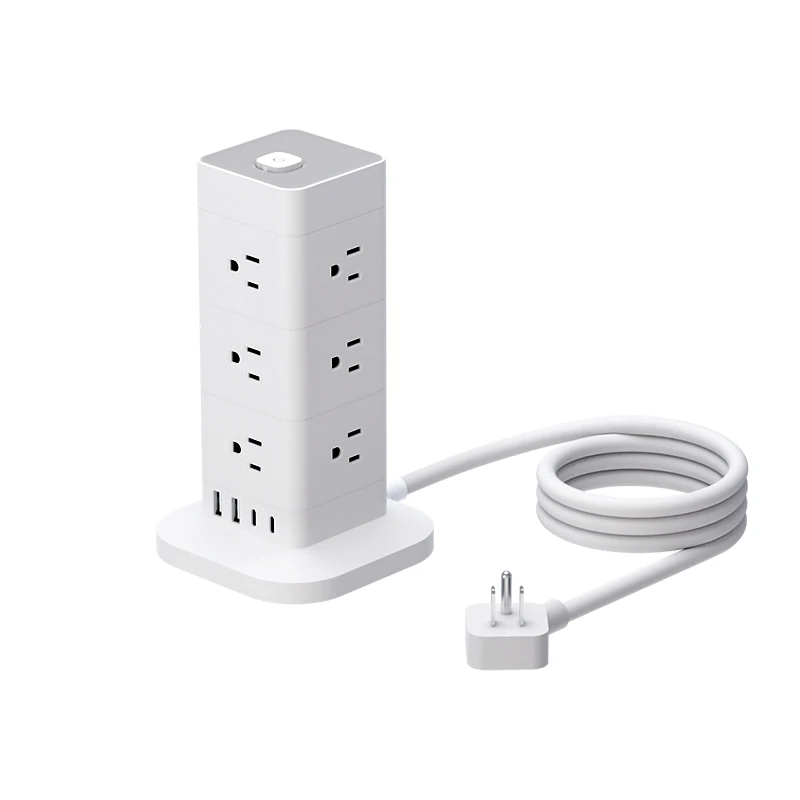
Socket type and quantity, plug standard, cable length and gauge, housing color, USB-A/USB-C modules, overload and/or surge protection, child protection, switch configuration, logo, and packaging can all be tailored to brand and market requirements.
Advantages of Working Directly with a Source Factory
Genuine OEM/ODM capability provides access to custom specifications, tooling support, scalable production, in-house quality control, and the ability to meet target-market standards.
TISDLIP OEM/ODM Power Strip and Extension Lead Solutions
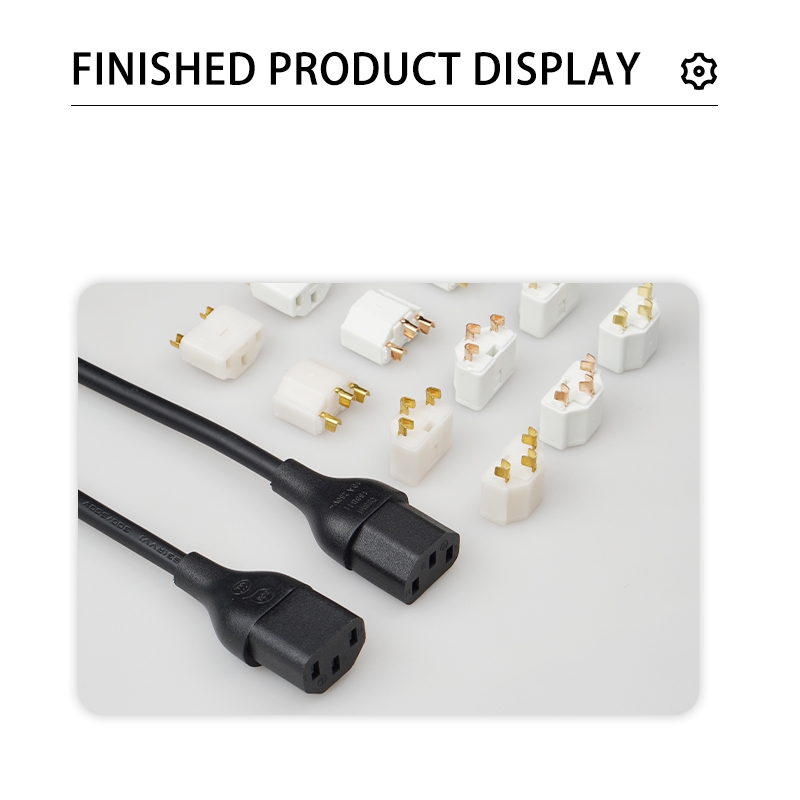
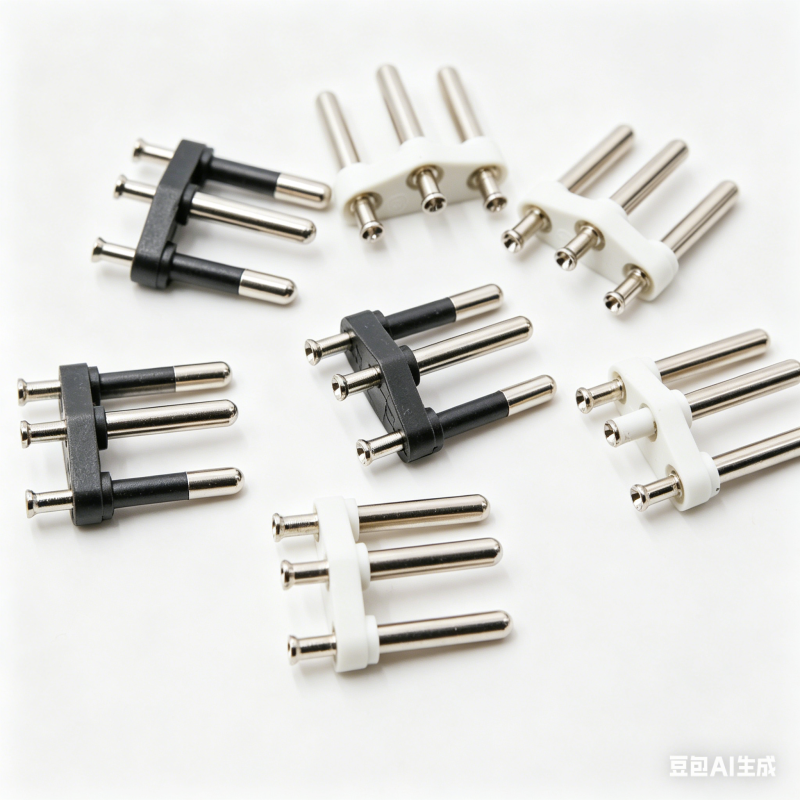
TISDLIP provides OEM/ODM power strip and extension lead solutions for brands, wholesalers, importers, and distributors. The product range covers power strips, extension leads, AC power cords, plug components, and custom cable solutions configured for different market standards. Customization of protection features, cable specifications, and mechanical design is available to match specific project requirements.
Request a Custom Power Strip Solution
Looking for an overload-protected power strip tailored to your market? Contact TISDLIP to discuss required specifications, cable type, plug standard, and protection features.
Frequently Asked Questions for Buyers and Specifiers
What is overload protection on a power strip?
It is a safety function that interrupts power when the total load current exceeds the rated capacity of the strip.
What is over-temperature protection?
It is a thermal safety function that cuts power when temperature at a monitored point reaches a pre-set limit.
What is the difference between overload and thermal protection?
Overload protection responds primarily to excessive current; thermal protection responds to excessive temperature. They can and often should be combined.
Does overload protection prevent all electrical fires?
No. It reduces one important risk factor but does not eliminate risks arising from incorrect loading, poor connections, damaged cables, or non-compliant construction.
Can I use a power strip with high-power appliances?
Only if the appliance (or combination of appliances) stays within the rated current and maximum power of the power strip. High-power devices should be assessed carefully.
How do I calculate the maximum load of a power strip?
Multiply the rated current by the rated voltage (applying an appropriate safety margin for continuous use). Always follow the markings on the product and the applicable standard.
Can overload protection be customized for OEM power strips?
Yes. Manufacturers with OEM/ODM capability can incorporate specified protection devices and match them to the required ratings and standards.
What should I check when buying a power strip from a manufacturer?
Verify electrical ratings, cable specifications, protection features, materials, construction quality, applicable certifications, and the manufacturer's testing and quality-control processes.
References
1. Wikipedia – Power strip (Overload Protection section and regional requirements). https://en.wikipedia.org/wiki/Power_strip
2. Underwriters Laboratories – UL 1363 (Relocatable Power Taps). Referenced across multiple industry sources for U.S. requirements.
3. IEC 60884-2-7:2025 – Particular requirements for cord extension sets. https://webstore.iec.ch (and related EN harmonized versions).
4. Explanation of bimetallic thermal trip / overload protection principles: Sincede – How Bimetal Strips Work in Circuit Breakers. https://sincede.com/how-bimetal-strips-work-in-circuit-breakers/ ; Schurter Thermal Circuit Breakers technical overview. https://www.schurter.com/en/knowledge/thermal-t-and-ta-line
5. Power calculation principle (P = V × A) and typical ratings: Multiple engineering and manufacturer references, including BuildWiz UK and Lianou Electric industry notes.
6. Typical appliance power ranges: Aggregated from publicly available charts including PowerInverters.com Appliance Wattage Chart, Consumer NZ, and utility guidance documents (Alectra, Power NI, etc.).
7. Regional certification overview: Industry summaries of CE/LVD (EU), UKCA/BS 1363 (UK), UL 1363 (USA), AS/NZS + RCM (Australia/New Zealand).
8. Additional context on overload vs. surge protection and safe use practices: The Spruce, Wirecutter, and electrical safety guidance articles.
All technical explanations in this article are based on established electrical safety principles, published standards, and commonly accepted industry practice. Product-specific performance always depends on the exact design, components, testing, and certification of the finished item.



 Email
Email